Quick Answer: What Are Garage Refrigerators?
Garage refrigerators are specialized refrigeration units engineered with heavy-duty insulation, dual-sensor thermostats, and high-capacity compressors to run reliably in extreme unconditioned spaces. Unlike standard indoor models that fail when ambient temperatures drop below 50 degrees Fahrenheit, garage-ready units maintain safe food preservation across temperature extremes from 0 degrees to 110 degrees Fahrenheit (-17 to 43 degrees Celsius).
Key Takeaways for Workshop Owners
- The Winter Thawing Trap: Standard indoor refrigerators shut off their compressors when garage air drops below 35 degrees, causing freezer compartments to thaw and ruin frozen food.
- Garage-Ready Ambient Rating: True garage-ready appliances operate safely between 0°F and 110°F through dedicated thermostat heaters or independent dual evaporators.
- Dedicated Circuit Demand: Always supply a dedicated 15-amp or 20-amp 120-volt branch circuit to prevent compressor startup surges from tripping shared garage outlets.
- Condenser Airflow Clearances: Maintain at least 2 inches to 3 inches of rear and side clearance so condenser coils can discharge heat during brutal summer heatwaves.
Every homeowner with an active workshop or packed garage eventually looks for extra cold storage. Stashing cold drinks, bulk meats, and overflow groceries in the garage frees up your primary kitchen shelving. However, rolling an old kitchen fridge into an unheated workshop frequently leads to spoiled frozen food and burned-out compressors.
Standard residential refrigerators are designed to operate inside climate-controlled homes where temperatures stay between 60°F and 78°F. Once exposed to freezing winter nights or humid triple-digit summer afternoons, their basic thermostats lose control. Dedicated garage refrigerators solve this problem by incorporating industrial-grade components designed specifically for fluctuating unconditioned environments.
Before purchasing an extra unit or installing an aftermarket adapter, you must understand how ambient swings impact refrigeration physics. Let us examine the mechanics of garage-ready engineering, the winter freezer paradox, electrical circuit codes, and placement rules.
What Does “Garage Ready” Actually Mean?
Manufacturers stamp appliances with the label “garage ready” when the unit passes rigorous performance testing in extreme climate chambers. These engineering adjustments focus on compressor power, thermal insulation density, and multi-zone sensor calibration.
In standard indoor refrigerators, a single temperature sensor inside the fresh food compartment monitors internal cooling. When ambient air in your kitchen is 70°F, heat steadily enters the cabinet, causing the compressor to cycle periodically. That regular cycling keeps both the refrigerator at 37°F and the freezer at 0°F.
In contrast, a garage-ready refrigerator incorporates heavy cyclopentane insulation foam and an expanded ambient operating window. High-end models feature dual evaporators and independent temperature monitoring for both chambers. This ensures food stays completely frozen during sub-zero cold snaps and safely chilled during sweltering midsummer heatwaves.
The Winter Thawing Trap: Why Standard Fridges Fail
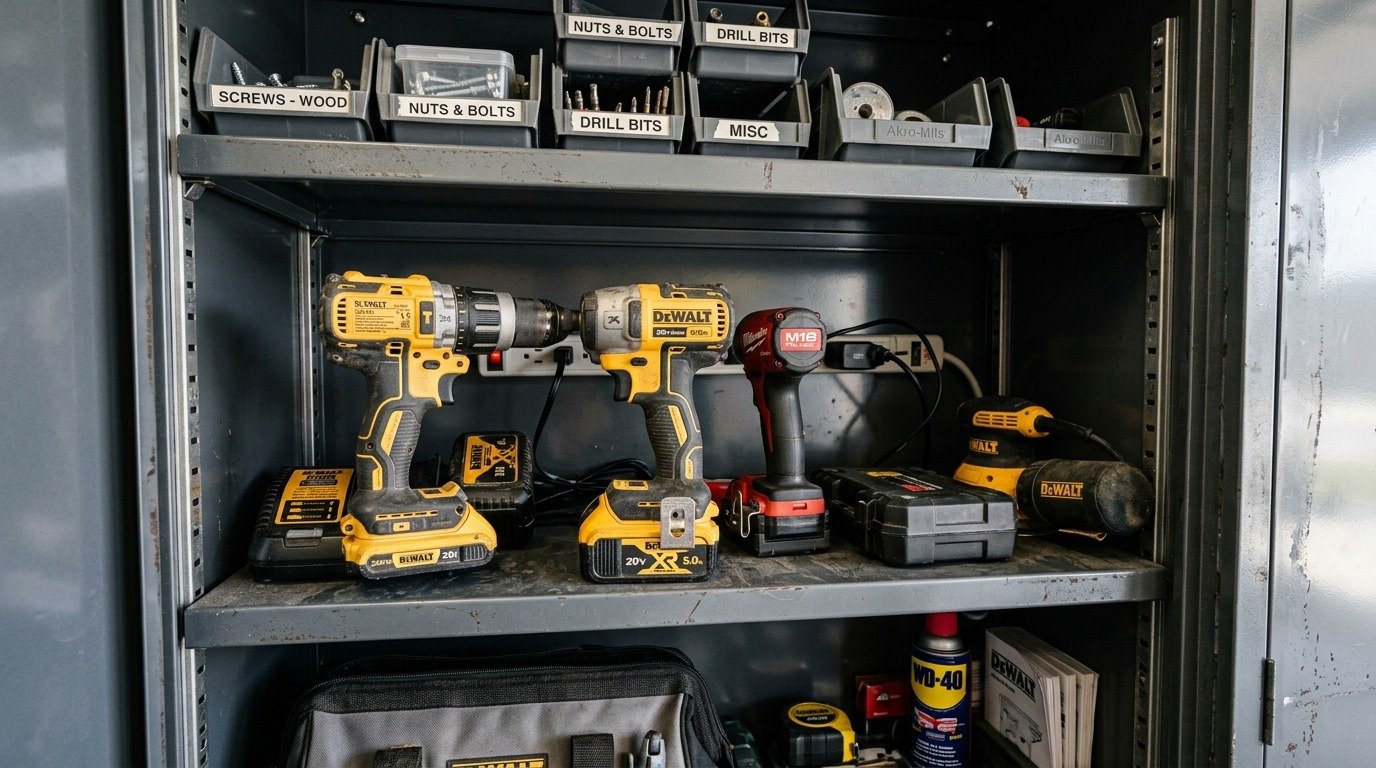
The most common failure in unheated garages happens during winter, creating what technicians call the winter thawing paradox. Homeowners wake up in January to find their garage ambient temperature hovering at 32°F, while their frozen beef has completely melted.
This failure occurs because the single thermostat sits exclusively in the fresh food section. When surrounding garage air drops to 34°F or 36°F, the fresh food compartment remains naturally cold without any mechanical help. As a result, the thermostat signals to the compressor that no cooling is required.
Because the compressor never kicks on, the freezer compartment slowly warms up from 0°F to match the ambient garage temperature of 32°F to 35°F. While 34°F keeps milk cold, it thoroughly thaws frozen poultry, venison, and ice cream. According to testing protocols from the Association of Home Appliance Manufacturers, maintaining 0°F in freezers requires active compressor run time regardless of ambient room temperature.
Comparison of Garage Cold Storage Systems
Selecting the right cooling appliance depends on whether you store raw meats, bottled beverages, or family meal prep. Review this side-by-side technical breakdown of popular workshop cooling options:
| Cooling Appliance Type | Ambient Operating Range | Thermostat Design | Best Storage Purpose | Typical Price |
|---|---|---|---|---|
| Garage-Ready Refrigerator | 0°F to 110°F (-17°C to 43°C) | Dual sensors + heater kit | Fresh produce, dairy, frozen meat | $750 to $1,400 |
| Standard Indoor Refrigerator | 55°F to 90°F (13°C to 32°C) | Single fresh-food thermostat | Climate-controlled kitchens only | $500 to $950 |
| Commercial Beverage Cooler | 40°F to 100°F (4°C to 38°C) | Forced air electronic control | Canned sodas, craft beer, water | $400 to $850 |
| Garage-Ready Chest Freezer | 0°F to 110°F (-17°C to 43°C) | Dedicated freezing thermostat | Quarter-beef, hunting harvest, game | $300 to $700 |
| Converted Indoor Unit + Kit | 34°F to 100°F (1°C to 38°C) | External resistance coil | Budget workshop drinks and snacks | $50 to $70 (Kit only) |
Dual Evaporator Systems vs. Garage Heater Kits
If you need reliable cooling in an uninsulated garage, you have two primary engineering paths. You can either purchase a factory-built garage-ready model or retrofit an existing indoor unit with a heater kit.
1. True Factory Garage-Ready Architecture
Factory-built units rely on dual evaporators or electronic variable-speed inverter compressors. A dedicated cooling coil chills the freezer section, while an independent coil services the refrigerator compartment.
These models feature sealed internal sensors that monitor both chambers independently. If the garage air drops to 25°F, the appliance keeps the refrigerator section dark while cycling the compressor specifically to protect the freezer. The system also includes heavy-duty door gaskets that resist stiffening in freezing weather.
2. Aftermarket Garage Heater Retrofit Kits
A garage heater kit is an inexpensive aftermarket modification designed for traditional single-thermostat refrigerators. The kit consists of a small low-wattage resistance heating element that sticks directly over the internal thermostat control housing.
When surrounding garage temperatures drop below 40°F, this tiny heating coil warms the air directly adjacent to the thermostat sensor. Tricked into believing the refrigerator compartment is warm, the thermostat turns on the compressor. This forces refrigerant through the coils, keeping your frozen meat solid. However, these kits increase electric utility costs and cannot help an old unit survive extreme summer heat.
Electrical Circuits, Ground Faults & Safety Codes
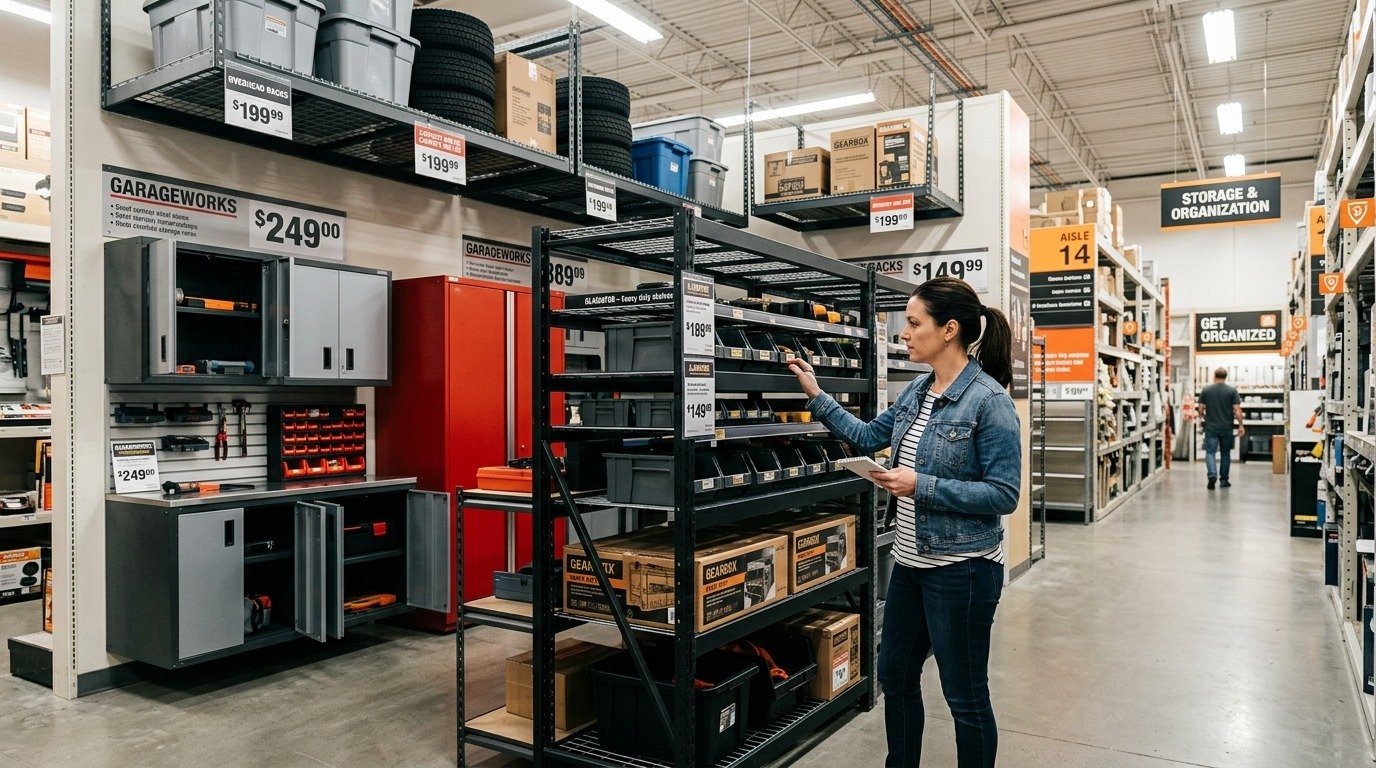
Modern building safety standards govern electrical connections in residential garages. The National Fire Protection Association NEC Article 210 mandates Ground Fault Circuit Interrupter (GFCI) protection on standard garage receptacles.
This safety mandate often creates an operational headache for homeowners installing large appliances. Refrigerator compressors produce significant electrical noise and inductive inrush current when starting up. Older GFCI outlets frequently interpret this sudden inductive surge as a current leak, tripping the breaker and cutting power to your stored food.
To eliminate nuisance tripping while remaining safe, have a licensed electrician evaluate your electrical setup. Installing a dedicated 120-volt 15-amp or 20-amp branch circuit ensures no heavy power tools share the compressor line. Many local electrical codes permit a single-outlet dedicated receptacle for permanent major appliances behind the unit.
If you organize power cords alongside workshop tools, combine your layout with high-capacity wall storage. Check our garage wall cabinet mounting guide and our metal storage cabinets guide for safe workshop wiring and tool organization.
Workshop Clearance, Leveling and Ventilation Rules
Placing a major cooling appliance inside a busy garage requires protecting it from physical impact and ensuring adequate ventilation. Follow these essential placement rules during setup:
1. Condenser Airflow Clearances
Refrigerators work by pumping heat out of the insulated cabinet and radiating it into the surrounding room via rear or bottom condenser coils. If you shove the cabinet flush against drywall or box it between wooden shelves, heat accumulates rapidly. Maintain at least 2 inches to 3 inches of clearance along the back wall and 1 inch to 2 inches on both sides.
2. Concrete Floor Leveling and Moisture Shims
Garage concrete slabs are deliberately pitched toward the main garage doors to drain water runoff from wet vehicles. If you place a tall refrigerator directly on this sloped concrete, the cabinet leans forward, preventing magnetic door gaskets from sealing shut. Always adjust the threaded leveling legs or install high-density composite shims so the unit leans slightly backward.
Pairing your refrigerator next to elevated storage keeps workshop traffic flowing smoothly. Review our garage cabinets buying guide and our garage wall shelves stud mounting guide to plan an integrated workshop layout. If you need ceiling clearance for overhead lifts, consult our garage storage lift setup guide.
Energy Efficiency and Operating Costs in Hot Climates
Running refrigeration equipment in an unconditioned garage consumes more electrical power than running that same unit inside a kitchen. When summer garage heat reaches 105°F, the compressor must run almost continuously to exchange heat.
According to efficiency guidelines established by U.S. EPA Energy Star standards, modern garage-certified refrigerators feature high-efficiency variable-speed scroll compressors. These advanced mechanisms scale back motor speeds during mild weather and ramp up smoothly when exterior temperatures climb.
To reduce monthly operating expenses, avoid placing your refrigerator directly in front of south-facing uninsulated garage doors or directly beneath sunny windows. Insulating your overhead garage door with foil-faced polystyrene foam panels lowers garage ambient heat by 10 to 15 degrees, drastically cutting compressor workload.
5 Costly Garage Refrigerator Mistakes to Avoid
Prevent expensive grocery losses and premature compressor burnouts by steering clear of these common homeowner missteps:
- Placing Indoor Units in Freezing Zones Without Kits: Never trust an unheated detached garage to keep frozen food solid with a standard kitchen fridge. Without an active thermostat heater, your freezer will thaw during the first sustained freeze.
- Running on a Thin Extension Cord: Never power a refrigerator through a light-gauge 16-gauge extension cord. Voltage drops cause the compressor motor to overheat, melting insulation and triggering thermal overloads.
- Blocking Condenser Base Vents: Stacking cardboard boxes, automotive rags, or lawn equipment against the lower front grille strangles cooling airflow. Clean the lower condenser coils with a shop vacuum twice a year to clear away airborne workshop sawdust.
- Placing Directly Next to Heat Sources: Installing your cold storage unit directly adjacent to a natural gas water heater or clothes dryer forces the cooling system to fight external radiant heat constantly.
- Neglecting Heavy Door Seals: Workshop grime and airborne grease degrade magnetic rubber door gaskets. Wipe the rubber gaskets quarterly with warm soapy water to ensure an airtight magnetic grip that locks out humid outside air.
Frequently Asked Questions About Garage Refrigerators
Can you put a normal refrigerator in a garage?
You can place a normal refrigerator in a garage only if the space stays between 50°F and 90°F year-round. In regions with freezing winters or scorching summers, standard indoor units fail because their single fresh-food thermostat shuts down the compressor during cold weather and overheats during heatwaves.
How does a garage refrigerator heater kit work?
A garage heater kit attaches a low-wattage heating coil around the internal thermostat housing inside the fresh food compartment. By warming the local air near the sensor when garage ambient temperatures drop below 40°F, it tricks the thermostat into cycling the compressor so the freezer compartment remains at 0°F.
Do garage refrigerators use a lot of electricity?
Garage refrigerators use about 15% to 30% more electricity than identical models in climate-controlled kitchens. The increased consumption occurs primarily during extreme summer months when ambient garage temperatures exceed 95°F, requiring longer compressor run times to shed internal heat.
Why did my garage refrigerator trip the GFCI outlet?
Refrigerator compressors generate momentary inductive electrical surges and electromagnetic feedback upon startup. Sensitive GFCI outlets frequently interpret this sharp spike as a ground fault and trip immediately. Connecting the unit to a dedicated single-receptacle branch circuit solves this common issue.

Written by Callum Langham
Callum Langham is a professional storage systems installer and workshop structural consultant with over 14 years of commercial and residential job-site experience. He specializes in load calculation engineering, concrete mechanical anchors, heavy shelving safety, and workshop space planning across North America.