Two shelving units can share the Gorilla Rack name and still differ by 1,200 pounds per shelf. The 77-inch industrial unit is rated for 2,000 pounds on each shelf, while the 48-inch Z-beam unit stops at 800.
Buyers mix them up all the time, then load a lighter rack like it’s the heavy one.
This gorilla rack guide sorts out the lineup and the real weight limits. It also covers the setup details that decide if those numbers hold up in your garage.
The angle here is simple: the capacity on the box is a best-case figure. You’ll see exactly what has to be true for your rack to reach it.
Quick Answer
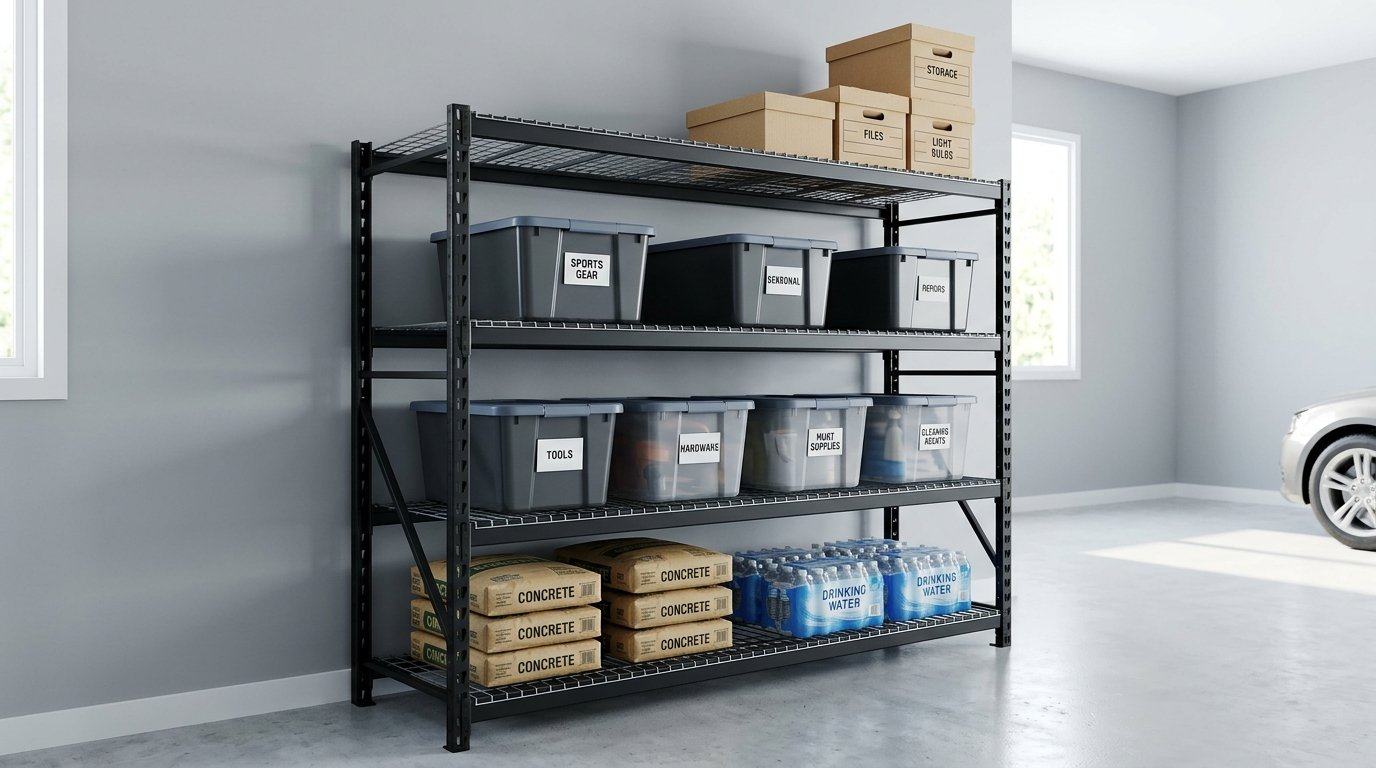
Gorilla Rack is a line of boltless, powder-coated steel shelving sold mainly through Costco. The flagship Industrial Shelving unit measures 77 inches wide, 24 inches deep and 72 inches tall. It has four adjustable shelves with interlocking wire decks, and each shelf is rated for 2,000 pounds of evenly distributed weight. The manufacturer’s manual caps the whole unit at 8,000 pounds. A taller 5-tier version (72 x 24 x 84 inches) also carries 2,000 pounds per shelf. The lighter Z-Beam 5-shelf rack (48 x 24 x 72 inches) uses melamine-finished shelves and is rated for 800 pounds per shelf. Assembly needs only a rubber mallet. Ratings assume even loading on a level concrete floor, indoors.
Key Takeaways
- Check the model first: Industrial units are rated at 2,000 lb per shelf. The Z-Beam 5-shelf unit is rated at 800 lb per shelf.
- The unit cap matters more: The 77-inch industrial rack tops out at 8,000 lb total, so adding shelves never adds capacity.
- “Evenly distributed” is the fine print: A single heavy object sitting mid-span can bend a beam well below the rated figure.
- Indoor use only: The manual says the industrial rack isn’t recommended outdoors, so damp sheds and carports are out.
- Same rack, two labels: Owners report the current Costco Gorilla Rack and the Whalen Industrial Rack are the same build.
What Is a Gorilla Rack, Exactly?
A Gorilla Rack is a boltless steel shelving unit. The frame goes together by tapping beams into keyhole slots on the uprights with a rubber mallet. You don’t need nuts, bolts or a drill.
The brand has some history. Gorilla Rack started as a division of Rapid Rack Industries, and long-time owners on the Garage Journal forum remember the original units as US-made. By 2017, those same forum members were asking what had happened to the brand.
The name is now attached to the heavy-duty racks sold through Costco. Several Costco shoppers on Reddit have opened both boxes and found the Gorilla Rack Industrial Shelving identical to the Whalen Industrial Rack. One beam carries a Gorilla graphic, and another has an embossed Whalen label.
Whalen Furniture, based in San Diego, publishes the assembly manuals for both.
Why does that matter to you? Replacement parts, shelf post inserts and extra wire decks sold for Whalen racks generally fit the Gorilla version too. That makes spares easier to find down the road.
Gorilla Rack Models Compared
Three units make up most of what’s on store shelves right now. Here’s how their published specs line up.
| Model | Size (W x D x H) | Shelves | Shelf Surface | Rated Load per Shelf |
|---|---|---|---|---|
| Industrial Shelving | 77″ x 24″ x 72″ | 4 adjustable | Interlocking wire decks | 2,000 lb (8,000 lb unit max) |
| 5-Tier Industrial Rack | 72″ x 24″ x 84″ | 5 adjustable | Wire decks | 2,000 lb |
| Z-Beam 5-Shelf Rack | 48″ x 24″ x 72″ | 5 adjustable | Melamine-finished board | 800 lb |
Most people who say “Gorilla Rack” mean the 77-inch industrial unit. At the time of writing, Costco lists it at $279.99 with a manufacturer’s limited lifetime warranty. It also carries a 4.8-star average from more than 4,000 reviews.
There’s also a 20-bin organizer under the same name. That’s a different product built around plastic bins, so treat it as a parts and small-tool station, not bulk storage.
The 2,000 lb Rating: What It Really Means
Here’s where most people get this wrong. The 2,000-pound figure applies only to evenly distributed weight. That phrase appears on every Gorilla Rack listing, and it isn’t decoration.
Even distribution means the load is spread across the full shelf area. Think rows of filled storage totes, or stacked cases of water from end to end.
A 300-pound engine block parked in the middle of one shelf is a point load. It puts far more stress on the beams than 300 pounds spread across the deck.
The second number is the one buyers skip. According to the manual, the 77-inch unit has a maximum of 8,000 pounds per unit. Four shelves at 2,000 pounds each already reach that ceiling.
So if you buy an extra shelf kit and add a fifth level, your total allowance stays at 8,000 pounds. You’ve just divided it across more shelves. Plan your heaviest loads around the unit cap, not the per-shelf number.
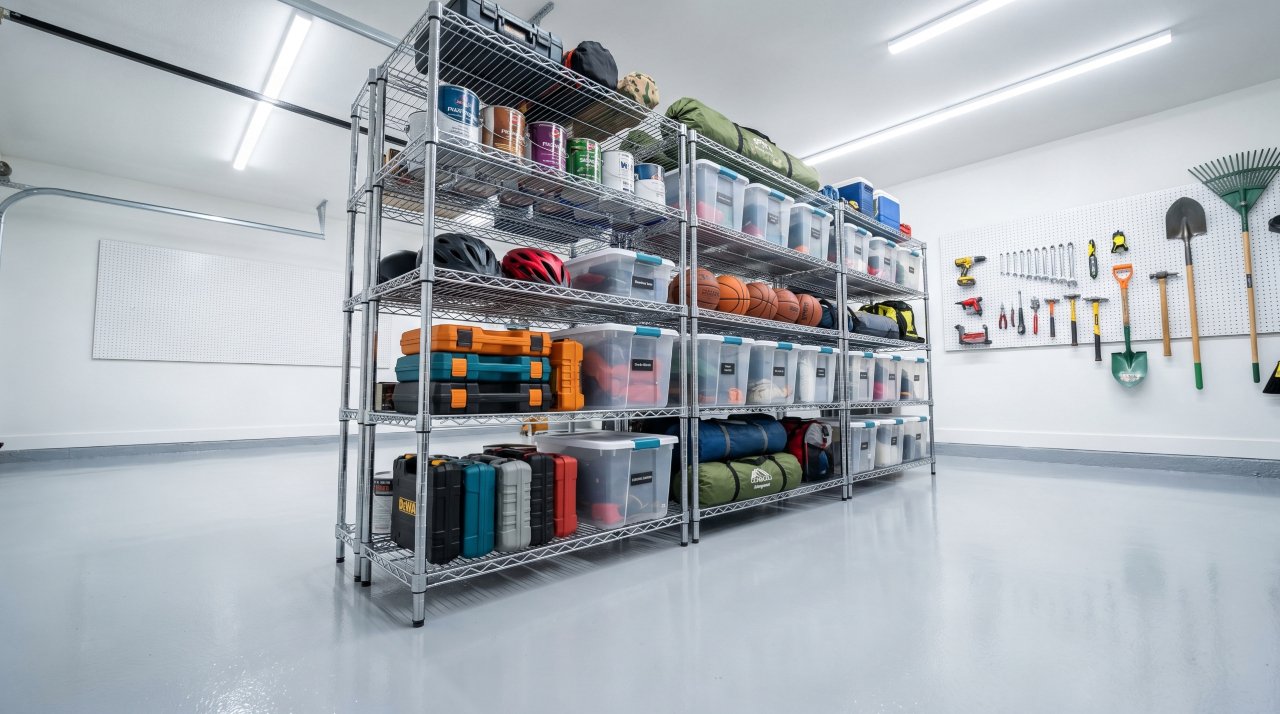
Most garages never come close to these limits. Paint cans, tote bins, camping gear and power tools rarely push a shelf past a few hundred pounds. The rating matters most for people storing bagged concrete, tile, ammunition, weight plates or engine parts.
For a deeper breakdown of how load ratings are calculated, see our storage rack weight capacity guide.
Build Quality: How It Compares
Weight is a decent proxy for steel content in boltless shelving. A Reddit owner comparing big-box options reported the 77-inch Gorilla unit at 182.9 pounds. The comparable Husky unit came in at 138 pounds, and a Member’s Mark rack from Sam’s Club weighed 126.5 pounds.
That’s roughly 45 to 55 extra pounds of steel in the Gorilla frame. Owners in the same discussions describe it as stiffer and less wobbly once loaded. The welded end frames help here, because the upright posts and cross members arrive as one piece.
The trade-off is handling. At around 183 pounds in the box, this is a two-person carry from the car to the garage. Individual frame pieces are long and awkward, so clear a path before you start.
Finish is a black powder coat that resists scratches and surface rust. It’s still painted steel, though. Chips from mallet strikes or dragged loads will rust in a humid garage if you leave them bare.
Wire Decks vs. Solid Shelves
The industrial units ship with interlocking wire decks. Wire lets light through, keeps dust from piling up and won’t swell if something leaks. It also means small items fall through and narrow-footed objects can tip.
Many owners lay a sheet of 1/2-inch or 3/4-inch plywood over each deck. Cut it to the shelf footprint so it sits flat inside the beam lip. This gives you a solid surface for paint cans, tool cases and anything with legs.
Plywood adds weight, so count it against your load. Weigh one cut panel on a bathroom scale and multiply by the number of shelves. Against an 8,000-pound unit cap, it rarely changes the math.
The Z-Beam model takes the opposite approach with melamine-finished boards. They give a flat surface out of the box but can sag or swell if they get wet. Keep that rack off damp slab edges and away from washing machines.
Our wire rack shelving buyer guide covers deck types in more detail.
How to Set Up a Gorilla Rack the Right Way
Plan on two people for assembly. The manual calls for nothing more than a rubber mallet. A few extra steps make a real difference in how the rack holds up.
- Check the floor. Set a level on the spot where the rack will stand. Most garage slabs slope toward the door for drainage, so expect to shim one side.
- Stand the end frames up and set the bottom beams first. Seat the beam rivets fully into the upright slots by tapping down with the mallet. A half-seated rivet is the most common cause of a leaning rack.
- Set shelf heights before you add decks. Decide what goes on each level and measure the tallest item. Moving beams later means unloading the shelf completely.
- Drop in the wire decks. Make sure each deck sits flat on both beam lips with no edge riding high.
- Square and level the frame. Measure corner to corner on the front face. The two diagonals should match.
- Secure tall units to the wall. An 84-inch rack loaded heavy at the top can tip. Strap or bracket it to a wall stud.
For a step-by-step on beam seating and squaring, our boltless shelving setup guide walks through each stage with measurements.
Common Gorilla Rack Mistakes
The same handful of errors show up again and again in owner forums. Most are easy to avoid once you know them.
- Loading the top shelf heaviest. Keep the heaviest items on the bottom two shelves. A top-heavy rack is the one that tips.
- Treating the Z-Beam rack like the industrial one. An 800 lb shelf won’t carry what a 2,000 lb shelf does, even if the frames look similar.
- Placing it outdoors. The manual specifically says the industrial rack isn’t recommended for outdoor use. Rain and condensation attack the coating at every scratch.
- Skipping wall anchoring. Freestanding is fine for short, bottom-loaded units. Tall units in homes with kids or pets should be secured.
- Climbing the shelves. Use a step ladder. Shelving beams aren’t designed for a person’s weight shifting across one edge.
The Consumer Product Safety Commission’s furniture tip-over prevention guidance applies to tall storage units too. Its core advice is to anchor tall furniture and keep heavy items low.
Is a Gorilla Rack Right for Your Space?
The 77-inch industrial unit makes sense if you store heavy, bulky items and want one rack that won’t flex under them. It’s also a strong pick when you need long runs. One Reddit owner noted you can link two 77-inch units into a continuous run of about 19 feet by moving a shelf between them.
The Z-Beam model suits lighter jobs. Holiday totes, pantry overflow and cleaning supplies won’t come near its 800 lb rating. It also fits narrower walls at 48 inches wide.
Skip both if you need deeper shelves for large bins, rolling access or outdoor storage. In those cases, a rack built for that job will serve you better.
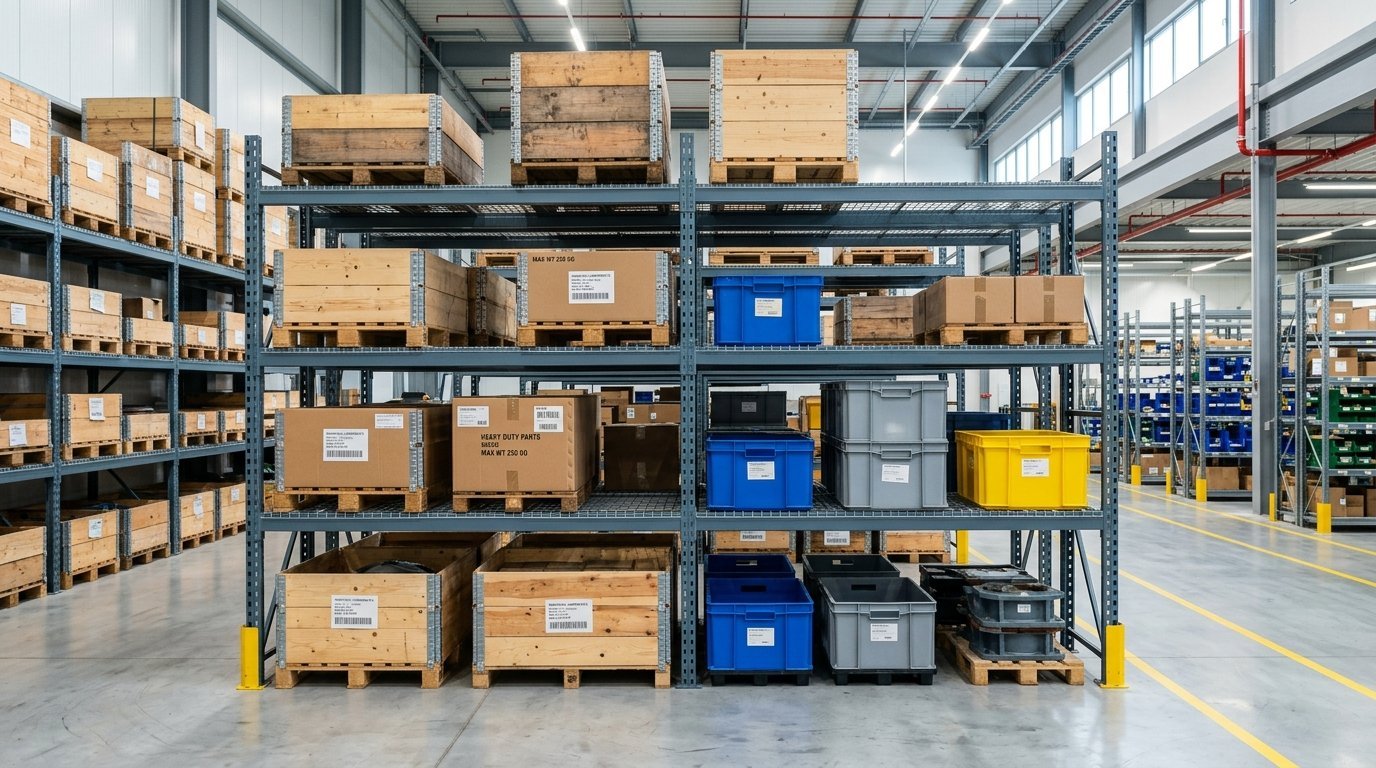
Running a small shop or stockroom changes the picture slightly. Workplace storage falls under the OSHA material storage safety standard, which requires stored materials to be stable and secure. For true pallet loads, look at engineered racking built to Rack Manufacturers Institute specifications instead of consumer shelving.
Frequently Asked Questions
How much weight can a Gorilla Rack hold?
The Industrial Shelving unit (77 x 24 x 72 inches) holds 2,000 pounds per shelf, evenly distributed. Its manual caps the whole unit at 8,000 pounds. For the lighter Z-Beam 5-shelf rack, the rating is 800 pounds per shelf.
Who makes Gorilla Rack shelving?
Gorilla Rack began as a division of Rapid Rack Industries. Current Costco units appear to be built alongside the Whalen Industrial Rack, and Whalen Furniture publishes the assembly manuals and handles replacement parts.
Is the Gorilla Rack the same as the Whalen Industrial Rack?
Owners who have bought both report they’re the same product. The dimensions, 2,000 lb shelf rating and wire decks match, and the beams carry both brand markings.
How much does a Gorilla Rack cost at Costco?
At the time of writing, Costco lists the 77-inch Industrial Shelving unit at $279.99. Warehouse prices and sale pricing change often, so check your local store.
Can you put a Gorilla Rack outside?
The manufacturer doesn’t recommend it. Its manual states the industrial rack isn’t intended for outdoor use, since moisture will rust the steel wherever the powder coat is chipped.
Do you need tools to assemble a Gorilla Rack?
Only a rubber mallet. The boltless design uses rivets that lock into slots on the uprights. A level and tape measure are worth having to get it square.
The Short Version Before You Buy
Match the model to the load before anything else. Heavy, bulky storage calls for the 2,000 lb industrial unit, and lighter household overflow is fine on the 800 lb Z-Beam rack. Then remember the 8,000 lb unit cap, keep the weight low and spread it evenly.
Set it on level ground, seat every beam fully and anchor anything tall. Do that and the rack will carry more than most garages ever ask of it. Bookmark this page for assembly day, and share it with anyone eyeing that pallet of shelving at Costco.