Used pallet racking can cut warehouse storage costs by 30% to 50% compared with new systems. It can also create serious safety problems if the steel has been overloaded, hit by forklifts, altered without design checks,. Or stored in poor conditions.
The right purchase starts with more than price. You’ll need to match the rack system to your pallets, forklifts, floor slab, load weights, building height,. And local permit rules.
You’ll also need to inspect every frame, beam, lock, deck, and anchor point before installation.
Quick Answer: How to Inspect Used Pallet Racking
Buying used pallet racking saves 30% to 50% compared to new steel racks. Standard teardrop patterns with 2-inch pin centers fit most warehouse inventory. Inspect upright frames for column deflection exceeding 1/2 inch per 10 feet of height, check beam pairs for permanent sag over 1/180th of beam length, verify missing safety lock pins, and confirm undamaged footplate anchor holes. Require RMI ANSI MH16.1 capacity plaques for local building permits.
Key Takeaways
- 30 to 50% Cost Savings: Purchasing certified reconditioned teardrop racking cuts warehouse storage setup costs substantially.
- RMI Deflection Limits: Frame columns must not exceed 1/2 inch of bend over 10 feet; beams must bow no more than L/180 under load.
- Safety Locks & Pins: Never assemble used beams without functional spring locks or safety drop pins in column punch holes.
- Seismic & Permitting Compliance: Ensure used racks match local floor slab concrete depth and carry engineering load plaques.
Why Buy Used Pallet Racking?
The main reason to buy used pallet racking is the lower purchase price. A used system can save 30% to 50% against a comparable new setup. That saving can free money for forklift protection, concrete repairs, installation, engineering, and permits.
Used racks also reduce lead times. A supplier may have frames, beams, wire decks, and guards ready for dispatch. New equipment may require several weeks for production and delivery, especially for unusual heights, colors, or capacities.
Price should never be the only buying factor. A low-cost rack with bent columns or missing locks can cost more after removal, replacement, and downtime. Ask for a written condition report, load rating, system brand, dimensions, and details of any repairs.
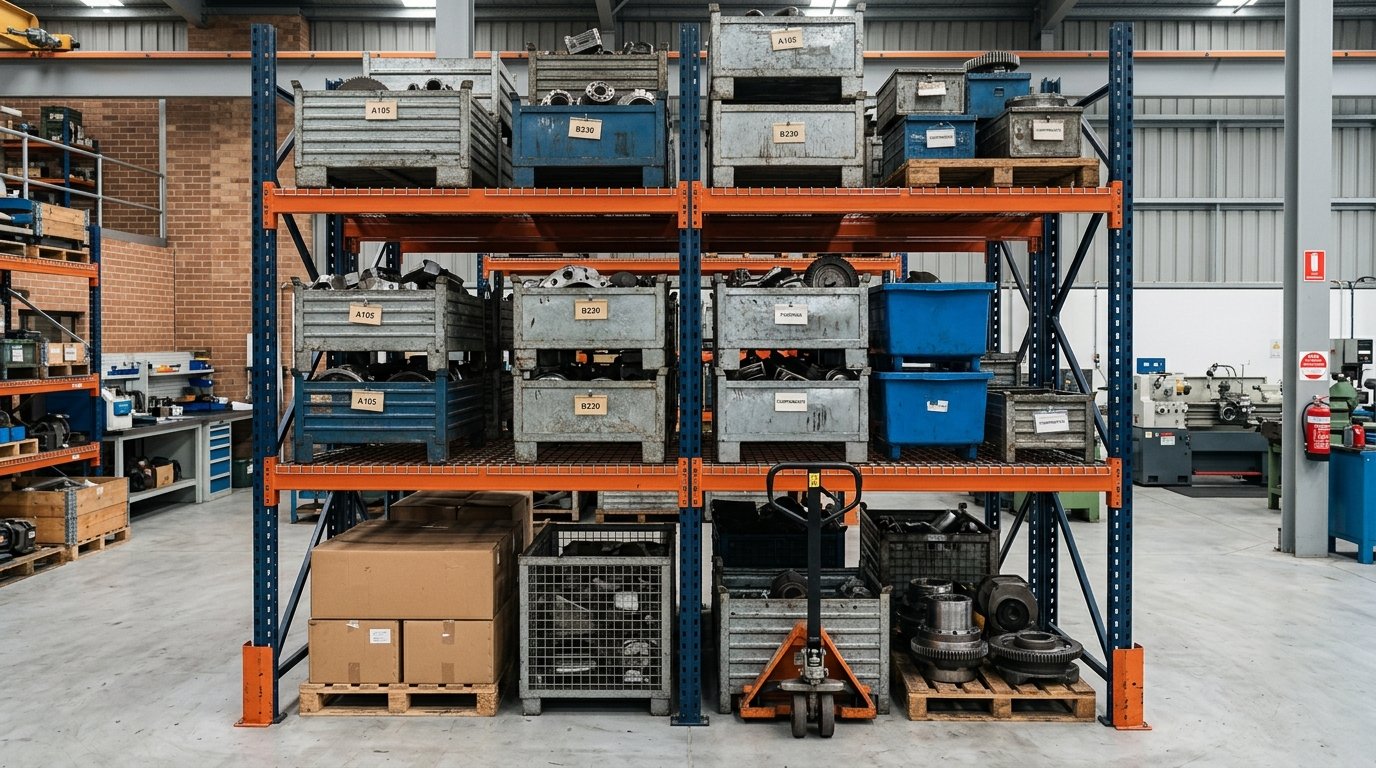
Common Used Rack System Types
Teardrop Pallet Racking
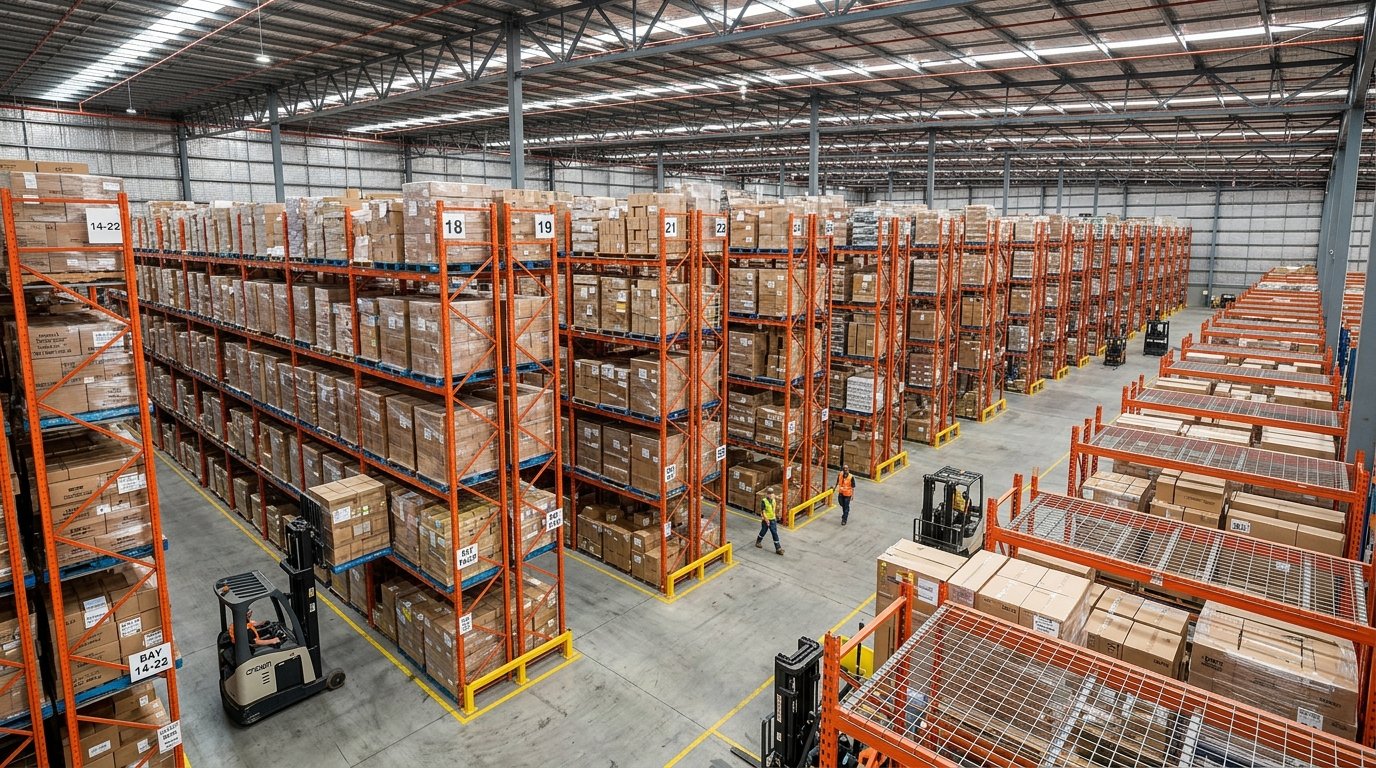
Teardrop racking is the most common selective pallet rack style. Its beams use connector plates that fit into teardrop-shaped holes in the upright columns. Standard hole spacing is usually 2 inches, giving operators many beam height options.
Many warehouses use teardrop racks because parts are widely available and replacement beams are easy to source. Still, the connector shape, hole pattern, beam length, and column size must match. Similar-looking parts from different manufacturers may not connect safely.
Slotted Selective Racking
Slotted systems use a different connection pattern. They can provide flexible beam placement, but they’re less common than teardrop systems. You’ll need to confirm the manufacturer and connection type before adding used beams to an existing layout.
Structural Bolt-Together Racking
Structural pallet racking uses bolted connections and heavier steel sections. It’s often selected for high loads, harsh work areas, or applications that need greater impact resistance. Installation takes longer because each connection requires the correct bolts, nuts, and tightening method.
Don’t mix structural components with roll-formed selective components unless a qualified rack engineer has approved the design. The connection method, steel profile, load path, and base anchoring are different.
Used Pallet Racking Size and Capacity
Measure your pallets, products, aisles, ceilings, sprinklers, doors, and forklift turning area before you buy. Common upright frame depths are 36, 42, and 48 inches. Common frame heights range from 8 to 24 feet.
An 8-foot beam usually measures 96 inches and can hold two standard 48-inch pallets, with suitable clearance. A 12-foot beam usually measures 144 inches and can hold three 48-inch pallets. The exact number depends on pallet width, load shape, required gaps, and local design rules.
Beam pairs commonly support 2,500 to 6,000 pounds of uniformly distributed load. Upright frames may support 20,000 to 35,000 pounds,. But the frame rating depends on height, depth, beam levels, bracing, connector type, and floor anchoring.
Never rely on a general capacity range. The rack supplier or engineer should provide a load table or capacity plaque for the exact configuration. A beam rating can change when you alter the number of levels, beam spacing, pallet position, or frame height.
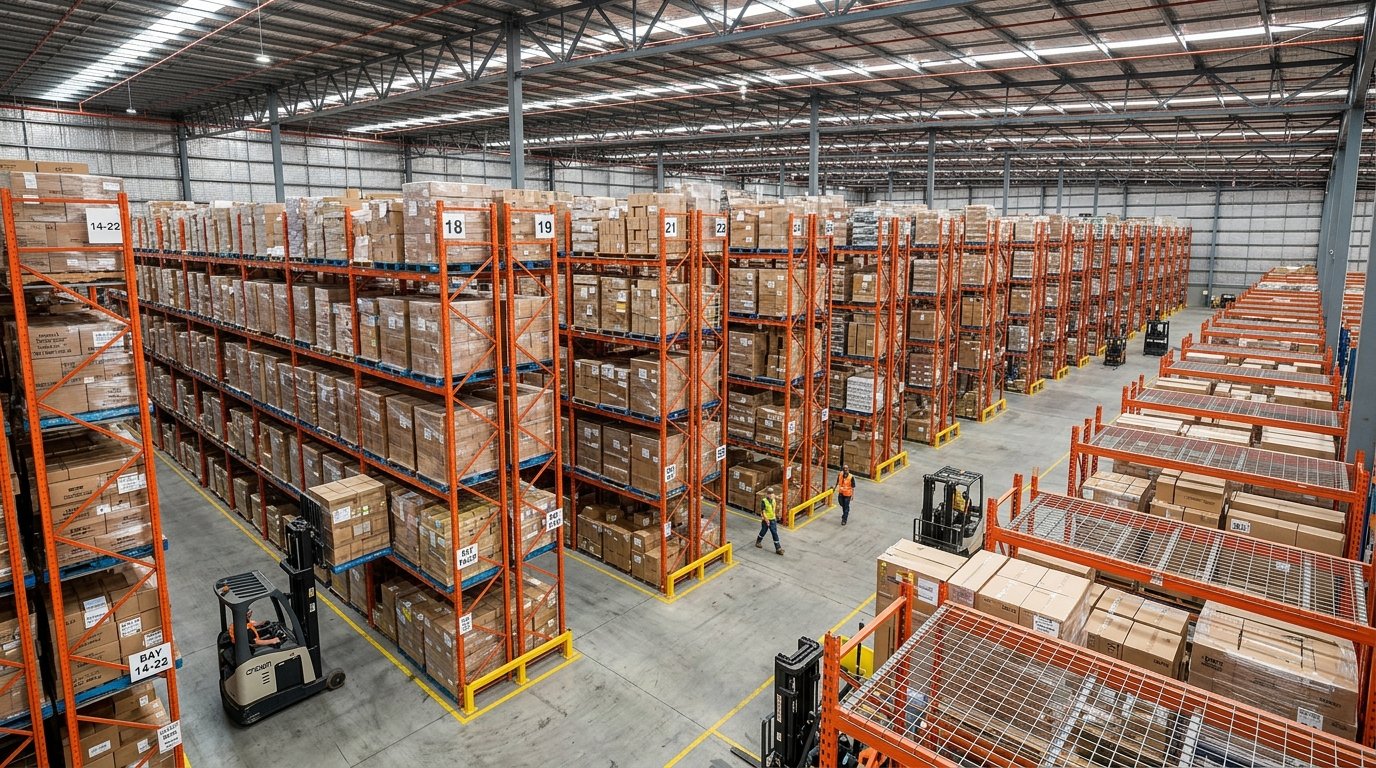
Five-Point Inspection Checklist
1. Check Upright Plumbness
Stand several feet away from each frame and check the columns from the side and front. A small paint scrape isn’t the same as a bent column. Look for a frame that leans, twists, or shows a sharp change in line.
RMI guidance commonly uses a maximum column deflection of 1/2 inch over 10 feet of height. Measure with a straightedge, plumb line, or laser. A frame outside the stated limit needs review by a qualified rack professional before use.
2. Inspect Beams for Deflection
Place each beam on level supports and inspect it before installation. Look for a bowed beam face, crushed connector end, stretched bolt hole, or visible crease. A beam that has taken a permanent set may have suffered overload or impact.
Under load, the common limit is L/180, where L is the beam span. For example, a 96-inch beam should have no more than about 0.53 inches of deflection under its rated load. This isn’t permission to load a damaged beam.
Permanent sag, dents, or distorted ends require replacement or engineering review.
3. Test Safety Locks and Pins
Every beam connector needs a working spring lock, safety pin, or approved locking device. The lock should engage fully in the upright column hole. It shouldn’t be bent, loose, missing, or held in place with wire or an improvised fastener.
Check both ends of every beam. A rack can appear assembled while one connector remains partly engaged. Replace missing hardware with the correct part from the rack manufacturer or supplier.
4. Examine Footplates and Anchors
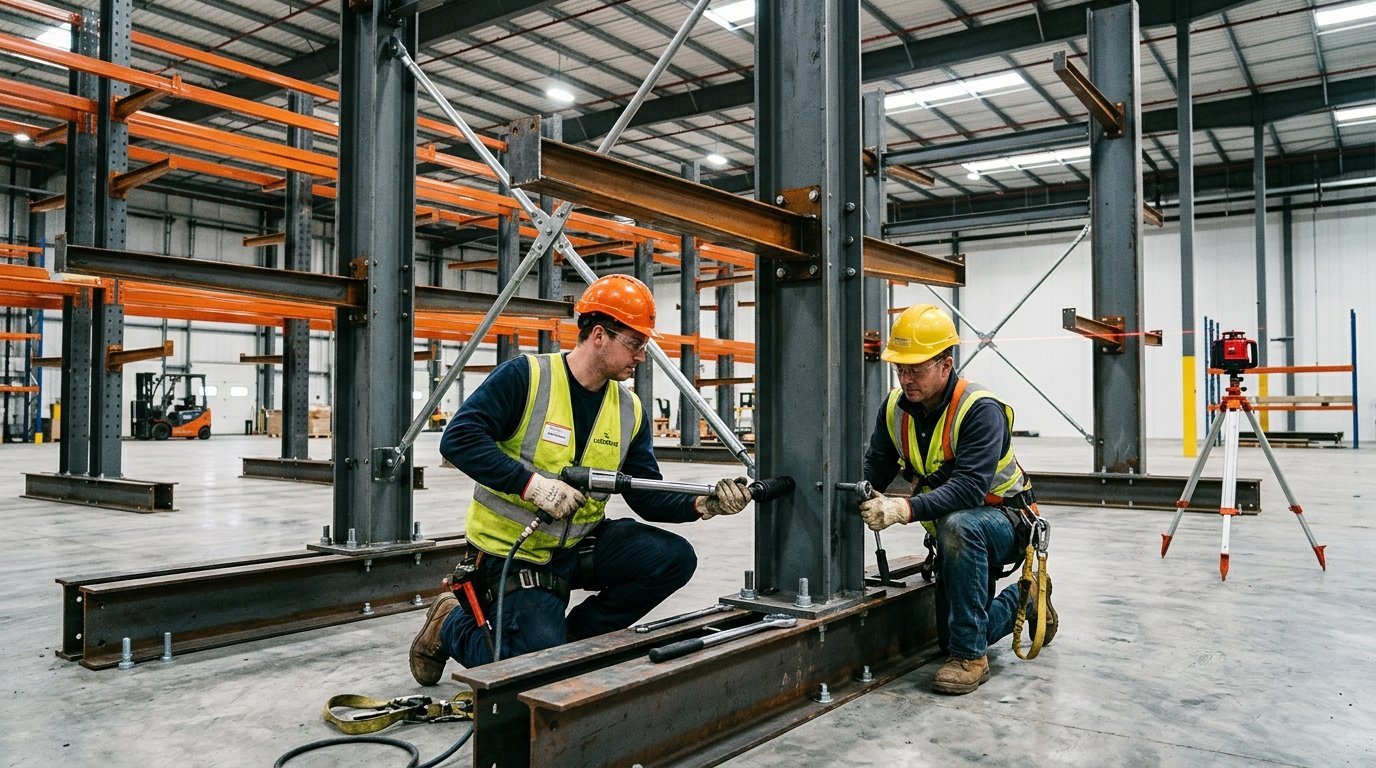
Inspect each footplate for cracks, distortion, elongated anchor holes, and weld separation. The base should sit flat on the floor. Anchor bolts must fit the approved hole size and embed into sound concrete.
Don’t install a rack over cracked or weak concrete without a design check. High loads and forklift impacts can transfer major forces into the slab. The required anchor type and embedment can vary by rack height, load, building use, and seismic conditions.
5. Separate Paint Damage from Corrosion
Surface scratches and light paint loss may be repairable after cleaning and inspection. Deep rust is different. It can reduce the steel section and weaken the part, especially around welds, column holes, beam ends, and baseplates.
Reject parts with flaking metal, deep pitting, holes, split welds, or corrosion that has reduced the thickness. Don’t paint over rust and treat the part as safe. Record damaged items with photographs and remove them from the installation pile.
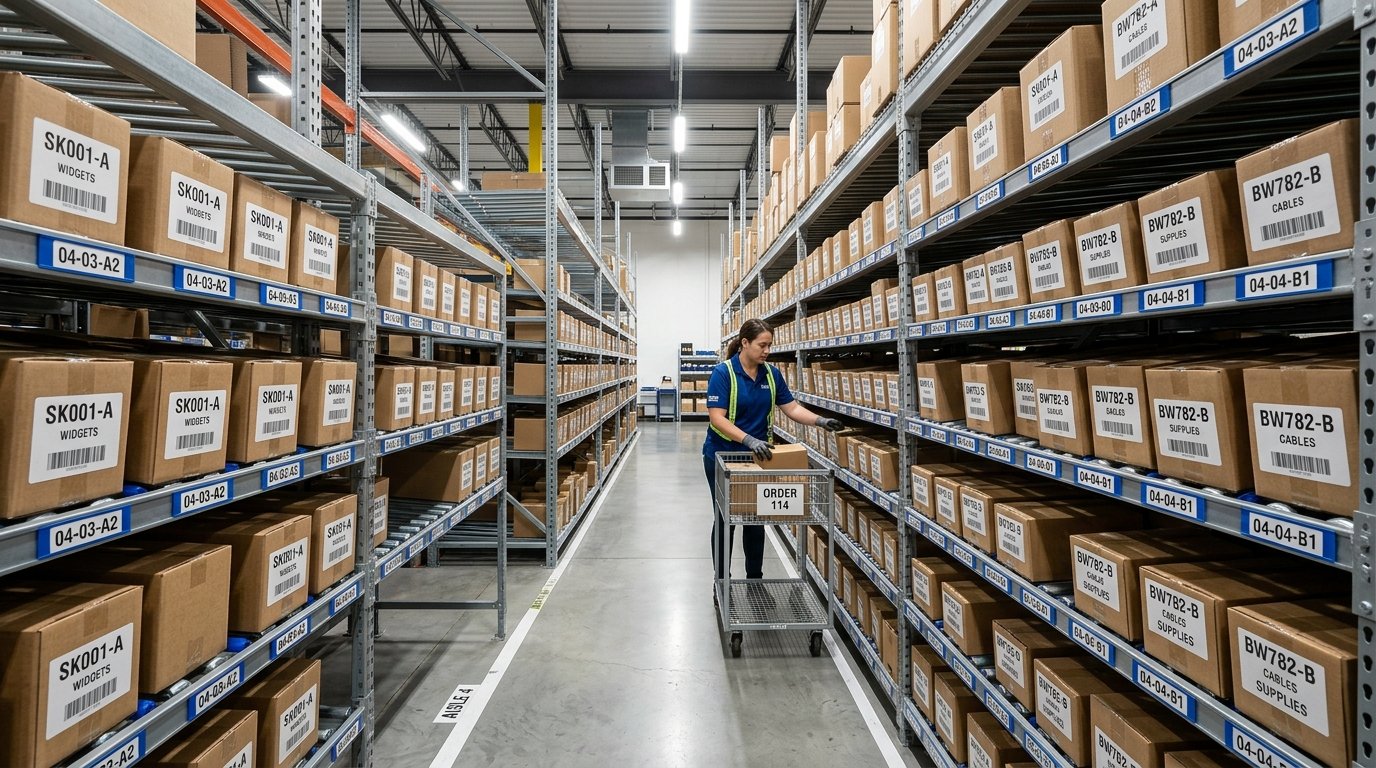
Inspection Standards Table
| Rack System Component | Inspection Standard | Deflection Tolerances | Safety Red Flags |
|---|---|---|---|
| Upright Frame Columns | RMI ANSI MH16.1 plumbness | Max 1/2 in over 10 ft height | Creases, twisted uprights, cracked footplates |
| Step Beams & Beam Pairs | RMI load deflection math | Max L/180 beam length deflection | Missing safety pins, bowed beam faces, rust |
| Wire Mesh Decking | ANSI MH26.2 drop-in fit | Uniformly distributed load rating | Broken welds, rusted support channels, bent wires |
Metal Fatigue and Forklift Damage
Metal fatigue can develop after repeated loading, unloading, vibration, and impact. It may appear as fine cracks near welds, stretched holes, sharp folds, repeated bends,. Or a connector that no longer fits tightly.
A part can look clean after repainting and still be unsafe.
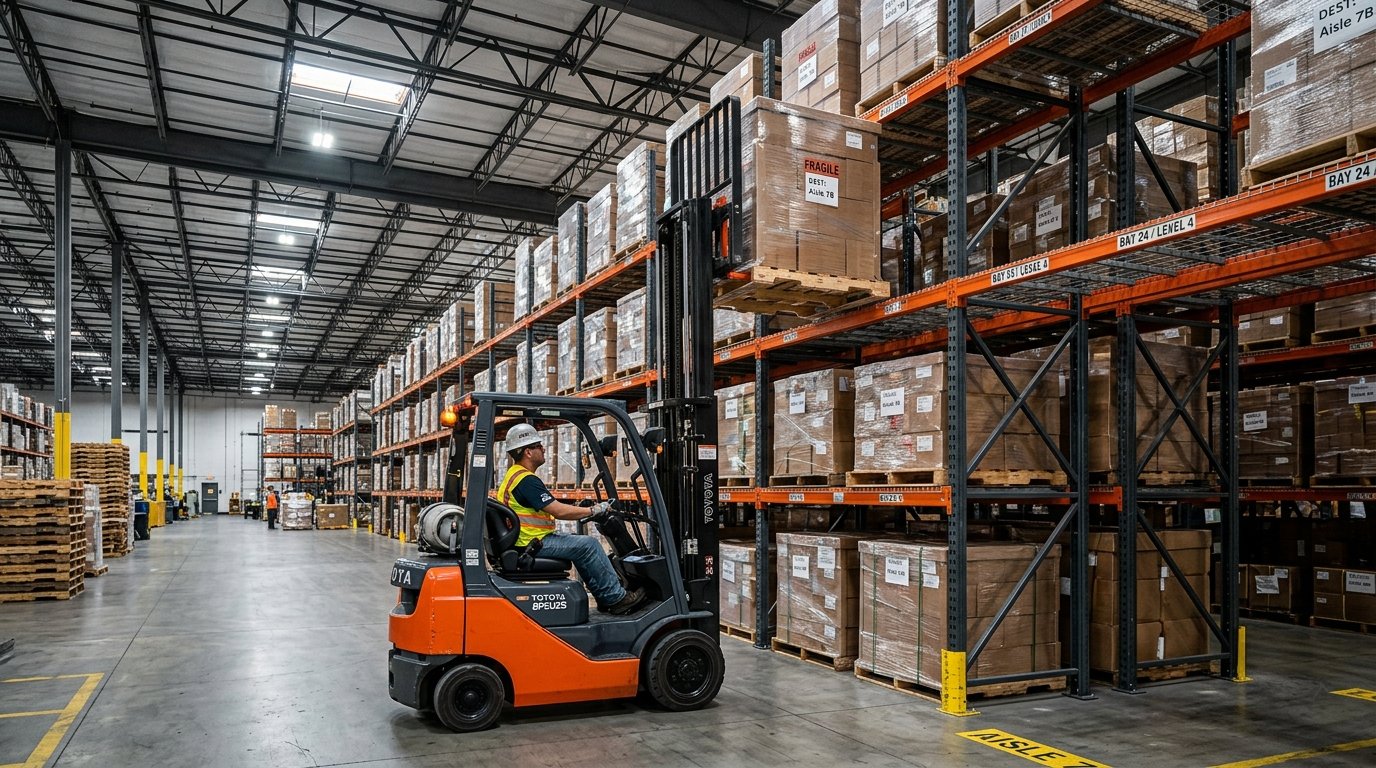
Forklift impact is one of the most common causes of rack damage. Check the lower 4 feet of every upright, since this area gets the most contact. Look behind column guards and at the rear of frames, where damage can be easy to miss.
Install column guards, end-of-aisle guards, or other approved protection in areas exposed to forklifts. Guards must be anchored and positioned so they protect the rack without blocking required access or reducing aisle width. Replace a damaged upright instead of trying to straighten it with a forklift or hammer.
Permits, Engineering, and Capacity Plaques
Rack installation may require a building permit, especially when the system is tall, heavily loaded, anchored to a slab,. Or located in a seismic zone. Local rules vary, so check with the building department before delivery.
Ask for an RMI ANSI MH16.1 capacity plaque or an engineered load sign for the exact rack arrangement. The plaque should identify beam capacities, frame capacities, level spacing, and any limits on pallet position. Keep the sign visible from the operating aisle.
High-seismic areas may need engineering calculations for rack stability, slab connections, bracing, and anchorage. A used rack can meet its original design rating and still need a new review after relocation. Moving it to a different building changes the slab, anchoring, aisle arrangement, and sometimes the hazard category.
For general storage rules, review the OSHA material storage safety standards. Industry design references and technical resources are also available from the Material Handling Institute technical standards.
Used Versus New: Simple ROI Math
Suppose a new rack package costs $40,000. A comparable used package at a 40% saving costs about $24,000, leaving $16,000 for freight, installation, guards, decking, anchors, engineering,. And permits.
That calculation works only when the used package is complete and suitable. Add the cost of missing beams, replacement locks, damaged frames, transport, cleaning, repainting, and inspection. Also include labor for sorting parts before the installers arrive.
Ask suppliers for separate prices for equipment, delivery, installation, repairs, and engineering. This makes the true project cost easier to compare. Certified reconditioned parts may cost more than uninspected surplus, but they can reduce delays and rejected components.
Buying and Installation Tips
- Measure every frame, beam, and deck before placing an order.
- Confirm the system brand and connector type.
- Request photos of actual parts, not stock images.
- Ask for beam and frame capacity information in writing.
- Count safety pins, footplates, anchors, decks, and braces.
- Keep damaged parts separate from approved stock.
- Use trained installers who follow the rack manufacturer’s instructions.
- Anchor frames before loading them.
- Install load plaques where forklift operators can see them.
- Set a regular inspection schedule after installation.
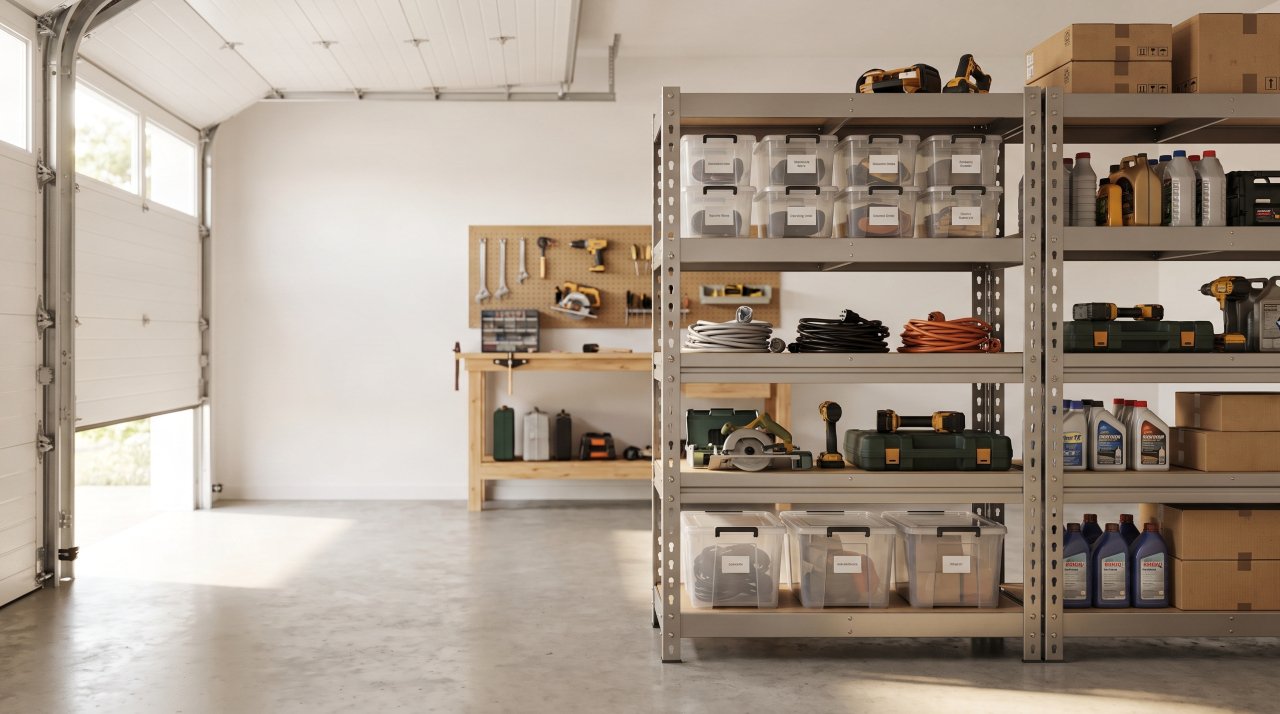
Use this warehouse racking buyers guide for more help with dimensions, layout, and safety checks. If your products need hand-loaded storage instead of pallets, compare options in this industrial shelving spec guide.
Frequently Asked Questions
What are the key differences between teardrop and structural pallet racking?
Teardrop racks use clip-in beam connectors and 2-inch column hole spacing. They’re common, flexible, and quick to assemble. Structural racks use bolted connections and heavier steel sections.
They’re often used for heavier loads or areas with greater impact risk. The two types shouldn’t be mixed without engineering approval.
How do I inspect used pallet racking for safety and durability?
Check frame plumbness, beam deflection, locks, footplates, anchors, welds, corrosion, and signs of forklift impact. Reject columns with sharp creases or twists, beams with permanent sag, cracked footplates, broken welds, and deep corrosion. Confirm the parts match the intended load and have a valid capacity plaque.
What weight capacities should I look for in used pallet racking?
Start with the weight of each pallet, then calculate the total load on each beam pair and frame. Common beam pair ratings range from 2,500 to 6,000 pounds of uniformly distributed load. Frame ratings can range from 20,000 to 35,000 pounds.
Use the manufacturer’s rating or an engineer’s calculation for the exact setup.
Are there specific requirements for pallet racking in high-seismic zones?
Yes. High-seismic locations may require calculations for bracing, anchorage, slab depth, frame stability, and building movement. A local engineer should review a relocated used rack before installation.
You may also need a permit and a capacity plaque that reflects the approved design.
Final Buying Advice
Used pallet racking is a practical way to add storage at a lower cost,. But only when the system fits your operation and passes a proper inspection. Match the components, verify the ratings, check every safety connection, protect the rack from forklifts,.
And obtain engineering approval when local rules require it.
Buy the complete system, not just the cheapest steel. A sound frame with the right beams, decks, locks, anchors, guards,. And capacity information will give you a safer installation and a better return on your storage budget.

Callum Langham
Founder & Technical Storage Editor
Callum Langham is the founder and technical editor of Rack System. With over 12 years of hands-on field experience in warehouse logistics, garage organization, and industrial storage installations, Callum specializes in engineering safety standards, beam load calculations, and OSHA/RMI compliance. Every guide on Rack System is audited against verified steel gauge tolerances and municipal building codes.