Buying warehouse racking is a major decision. The right system can increase storage capacity, improve picking speed, and keep stock easier to find. The wrong system can waste floor space, create loading problems, and expose your team to avoidable risks.
This warehouse racking buyer’s guide explains what to check before you order. You’ll learn how to measure your site, choose the right rack type,. Compare steel quality, check load ratings, plan aisle space, and prepare for installation.
Use it as a working checklist when speaking with suppliers and reviewing quotes.

Start With Your Storage Requirements
Begin with the products you need to store. Don’t choose a rack system based on price or appearance alone. Your stock size, weight, handling method, and access needs should guide the purchase.
Make a list of the following details:
- Product dimensions, including cartons, pallets, and containers
- Weight of each load, including the pallet or storage bin
- Number of pallets or units needed now
- Expected stock growth over the next three to five years
- How often each product is received, picked, and moved
- Forklift, pallet jack, or hand-loading requirements
- Storage temperature, moisture, dust, and fire protection needs
Fast-moving goods should be easy to reach. Slow-moving stock can sit higher or deeper in the storage plan. Heavy products need lower beam levels unless the system and handling equipment are rated for safe work at height.
Measure the Warehouse Before Ordering
Accurate measurements will prevent many ordering mistakes. Measure the clear height from the floor to the lowest obstruction, such. As a ceiling beam, sprinkler pipe, light fitting, duct, or roller door mechanism.
This measurement controls the maximum usable rack height.
Record the full floor area, then mark fixed items on a basic plan. Include columns, walls, doors, loading bays, emergency exits, fire equipment, electrical panels, and pedestrian routes. A rack layout that looks efficient on paper can fail if it blocks access.
Or leaves too little turning space for a forklift.
Key measurements to record
- Clear building height
- Available floor length and width
- Door widths and heights
- Column locations and spacing
- Sprinkler and lighting positions
- Forklift aisle width requirements
- Distance from racks to walls and equipment
- Floor condition and slab thickness, if known
Keep a clear gap between the top load and the ceiling, lights, and sprinkler equipment. The exact clearance depends on local fire rules, building design, and the storage material. Ask a qualified supplier or fire protection professional to review the plan before installation.
Choose the Right Rack Type
Different systems suit different storage tasks. Select the rack style after you’ve reviewed product movement, load size, and available space.
Selective pallet racking
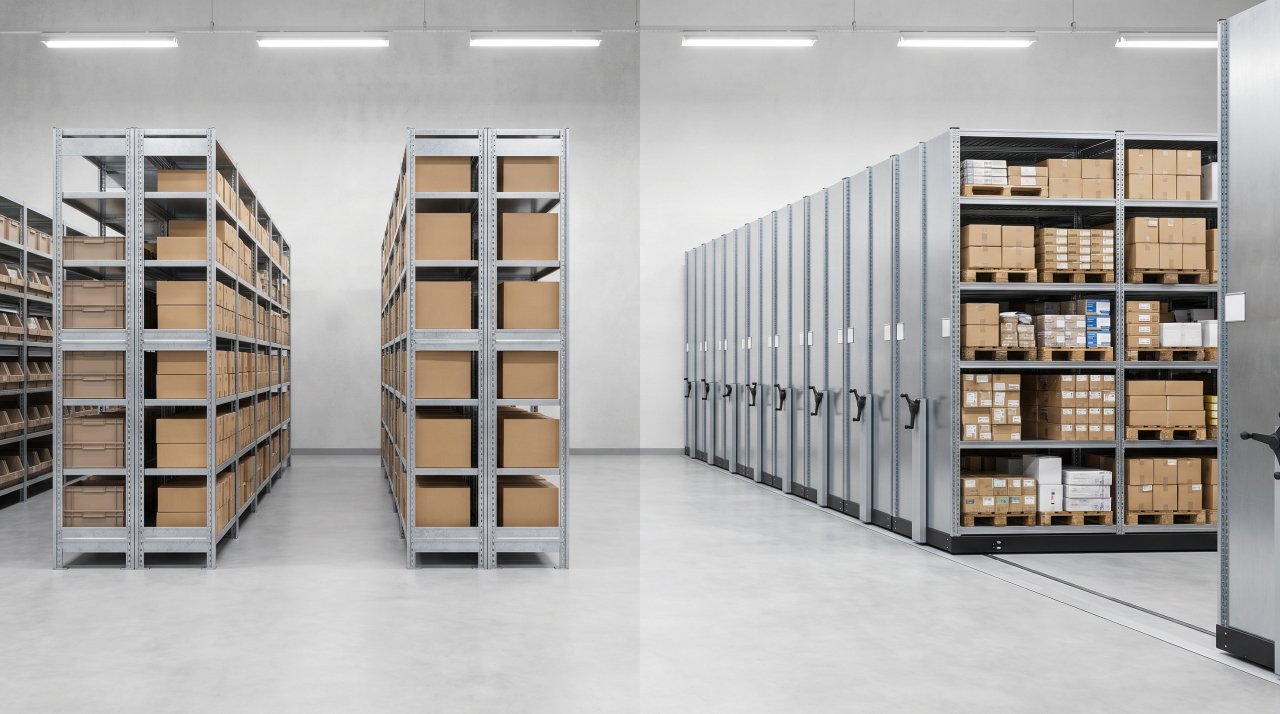
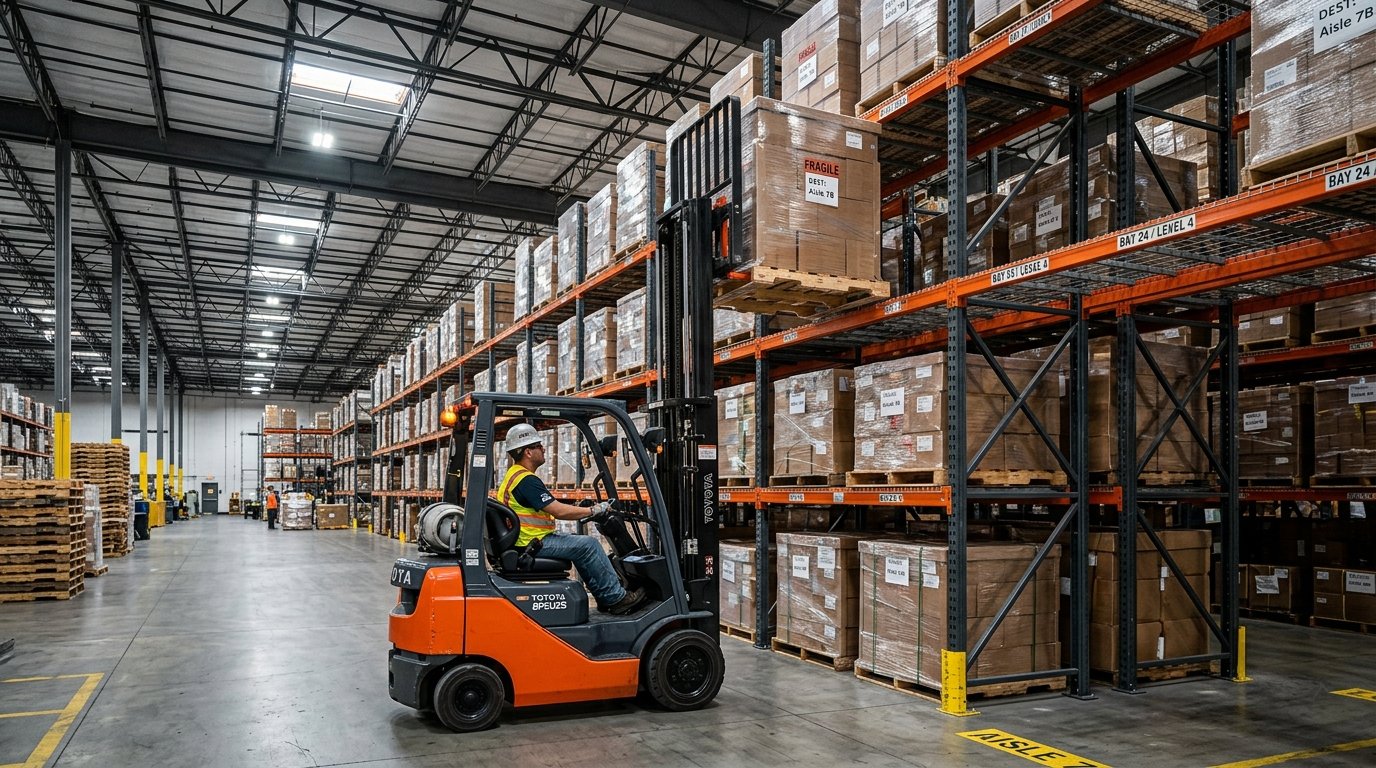
Selective pallet racking is the common choice for warehouses that need direct access to each pallet. Forklifts can reach every storage position from the aisle. This makes the system useful for mixed stock, frequent picking, and many product lines.
The trade-off is floor space. Each row needs a working aisle, so the layout may hold fewer pallets than a high-density system. Still, direct access often saves time and reduces stock handling.
Drive-in racking
Drive-in racking stores pallets in deep lanes. A forklift enters the lane to place and retrieve loads. This design can hold more pallets in a smaller floor area, but it offers less direct access.
It works best when you store large quantities of the same product and use a last-in, first-out stock method. Pallet condition and forklift skill also matter, since rails can be damaged by poor entry or uneven loads.
Push-back racking
Push-back systems use carts or nested rails. A forklift loads a pallet, then pushes earlier loads deeper into the lane. This gives better density than selective racking while keeping several pallet positions accessible from the front.
Push-back racks suit products stored in batches. Check the pallet size, pallet condition, and load sequence before selecting this design.
Carton flow racking
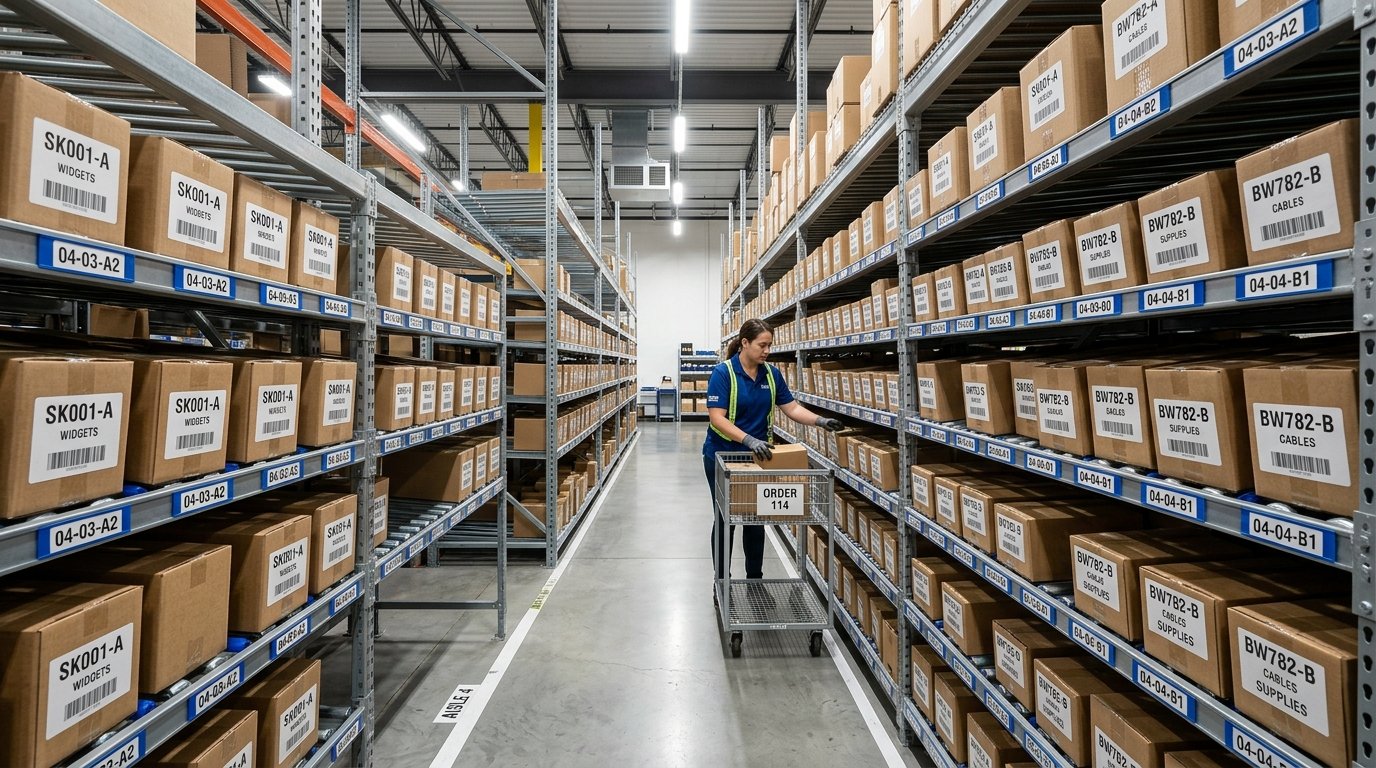
Carton flow racks use rollers or wheels to move cartons from the loading side to the picking side. They support first-in, first-out rotation and can improve order picking for small goods.
Use them for cartons, totes, and bins that need frequent hand access. Confirm the carton base is strong enough to move across the rollers without catching.
Longspan and bin shelving
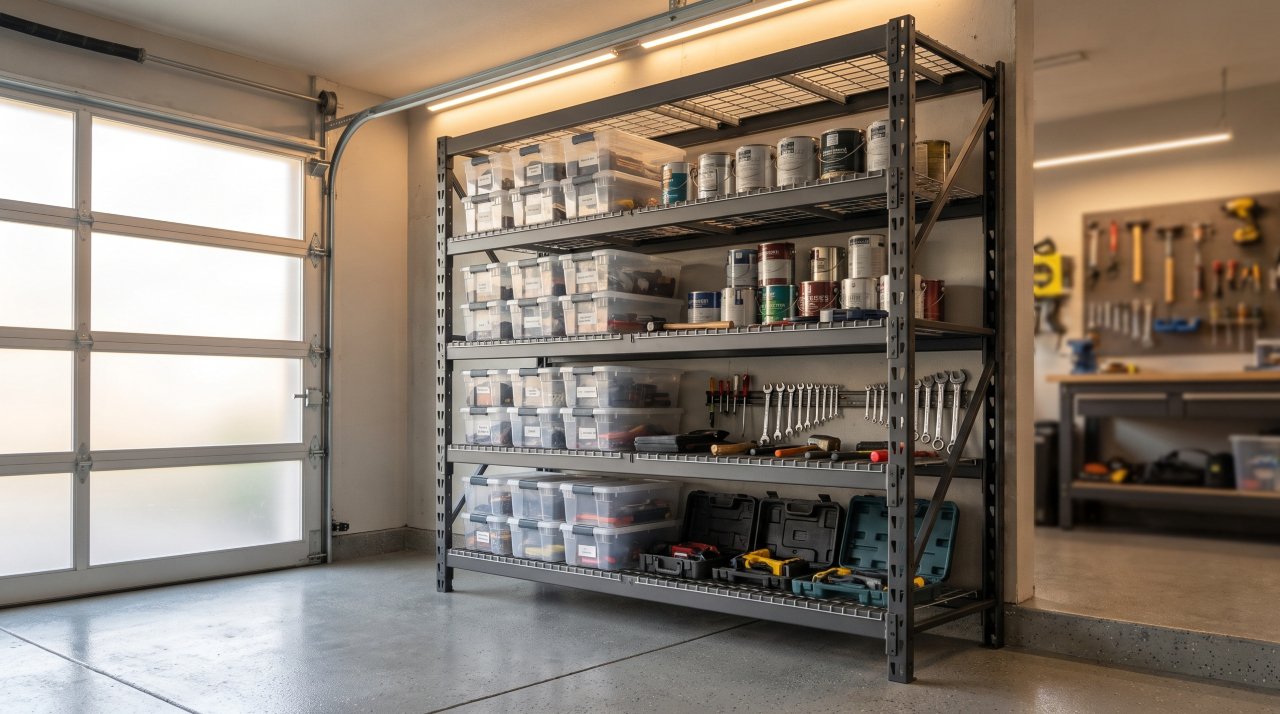
Longspan shelving is useful for hand-loaded cartons, spare parts, tools, and small components. It’s easier to load by hand than pallet racking and can fit smaller products in tighter sections.
For small parts, add labelled bins, dividers, and shelf lips. These simple features reduce misplaced stock and help staff return items to the correct location.
Check Rack Load Ratings
Every rack system must have a clear load rating. The rating should cover the maximum weight per level and the maximum load for the complete bay. Never assume that a stronger-looking beam can carry more weight.
Ask the supplier for written ratings based on the exact frame height, frame depth, beam length, beam profile,. And beam connector. A change in beam length can reduce capacity.
A taller upright can also require a different design than a shorter one.
Load ratings usually assume that the weight is spread correctly across the beams. A single heavy item placed near one end can create extra stress. Pallets should sit squarely on the beams or decking, with the required support points in place.
Questions to ask about capacity
- What is the safe load per beam level?
- What is the safe load per bay?
- Does the rating include the decking weight?
- What pallet size was used for the rating?
- How much beam deflection is allowed?
- Does the rating change if the rack is fixed to another surface?
- What changes if a level is removed or repositioned?
Keep the supplier’s load notices visible on the installed system. Train staff to report bent beams, damaged uprights, missing pins, loose anchors, and overloaded levels.
Compare Main Racking Components
The table below gives a starting point for comparing common warehouse rack parts. Exact dimensions and ratings vary by manufacturer, so confirm the product data before you place an order.
| Racking Component | Standard Sizing Options | Material Quality | Safety Feature |
|---|---|---|---|
| Upright Frames | 36 to 48 in depth, up to 20 ft | 12 to 14-gauge steel | Floor anchor footplates |
| Step Beams | 96 to 144 in length, 3 to 6 in | Roll-formed steel | Safety lock pins |
| Wire Decking | Fits standard frame depths | Galvanized wire grid | Drop-in flared channel supports |
Review Steel Quality and Finish
Steel thickness affects strength, but gauge alone doesn’t tell you the full story. The profile shape, welds, connection points, beam design, and coating also affect service life.
Ask for technical drawings and product specifications. Check how the upright is formed, how the beam connects to the frame,. And how the footplate transfers force into the floor.
The rack should have a finish suited to the site. Powder coating works well in many dry warehouses. Galvanized finishes can help in damp areas, though the full system still needs protection from standing water and chemical exposure.
Look for clean welds, straight frames, consistent coating, and parts that fit without forced alignment. Low-cost parts can create extra work during installation and may be harder to replace later.
Plan Aisles and Access Routes
Aisle width must match the equipment used in the warehouse. A counterbalance forklift often needs more room than a reach truck. A hand pallet truck needs less turning space, but it still needs a clear route.
And enough room to position loads.
Ask the equipment supplier for the recommended turning radius and working aisle. Then add room for normal operator movement, pallet overhang, rack protection, and pedestrian separation. Don’t use the minimum figure without checking real site conditions.
Keep pedestrian walkways separate from forklift routes where possible. Use barriers, marked crossings, guardrails, and clear signs. Blind corners need extra controls, such as mirrors, warning lights, or changes to the layout.
Choose Decking and Rack Accessories
Wire decking is a common choice for pallet rack levels. It supports pallets, improves visibility, and allows light and water from sprinkler systems to pass through the rack. Check that the decking fits the frame depth and beam spacing.
Other accessories can improve safe use and stock control:
- Upright guards to reduce impact damage
- End-of-aisle guards for exposed rack ends
- Back stops to prevent pallets from being pushed too far
- Row spacers to hold safe distance between back-to-back rows
- Post protectors for areas with frequent forklift traffic
- Mesh panels for small cartons and loose items
- Labels showing bay numbers, load limits, and product locations
Choose accessories based on actual risks. A back stop can help control pallet placement, but it shouldn’t replace proper forklift training or correct pallet positioning.
Review Safety and Compliance
Warehouse racks need regular checks after installation. The system should be inspected for impact damage, leaning frames, bent beams, missing locking pins, loose anchors,. And changes made without approval.
Use written inspection records. Set a daily visual check for operators and a scheduled inspection by a competent person. Remove damaged parts from service until they’ve been assessed and repaired or replaced.
Review the Material Handling Institute buyer standards when comparing equipment information and supplier practices. You should also review OSHA warehouse storage safety requirements if they apply to your site. Or operating procedures.
Plan Professional Installation
Racking installation involves more than bolting frames to the floor. The installer must check the layout, frame spacing, beam levels, anchors, decking, and protection parts. The floor needs to be suitable for the anchor type and expected load.
Before the work starts, confirm who will manage site access, lifting equipment, exclusion zones, and delivery storage. Keep staff away from the work area unless they’re part of the installation team.
Use this racking system installation resource to review key preparation and safety steps. After installation, ask for completion records, load notices, drawings, and maintenance guidance.
Compare Supplier Quotes Properly
A low quote may leave out important parts. Compare each proposal line by line. Check the number of bays, frame height, frame depth, beam length, beam levels, decking, anchors, guards, delivery, installation, and inspection.
Ask suppliers to state:
- Steel specification and finish
- Load rating for each beam level
- Maximum bay load
- Lead time for standard and replacement parts
- Warranty terms
- Installation scope
- Inspection and repair services
- Cost of future expansion
Check if the supplier can provide matching parts later. Expanding a rack system is easier when new frames, beams, decking, and guards are compatible with the original design.
Budget for the Full Project
The rack price is only one part of the project budget. Include delivery, unloading, installation, floor anchors, protection, decking, labels, permits, inspection, and staff training.
You may also need to budget for forklift changes, lighting adjustments, sprinkler review, floor repairs, fire protection work,. And temporary storage during installation. Ask for a full project cost before approving the order.
Cost per pallet position is useful for comparing layouts, but it shouldn’t be the only measure. A denser system may cost less per position while taking longer to pick from. A system with direct access may cost more but reduce labour and stock errors.
Build a Practical Buying Checklist
Use this checklist before you sign the order:
- Have all products and load weights been recorded?
- Has the clear building height been measured?
- Are doors, columns, sprinklers, lights, and exits shown on the plan?
- Does the layout suit the forklift or pallet equipment?
- Are beam and bay load ratings in writing?
- Are decking, anchors, guards, and safety pins included?
- Has the floor been checked for the planned anchor system?
- Are pedestrian paths and emergency routes clear?
- Are delivery and installation included in the quote?
- Will the supplier provide load notices and completion records?
- Can replacement and expansion parts be supplied later?
Frequently Asked Questions
How do I choose the right warehouse rack?
Start with product weight, product size, stock movement, access needs, and available floor height. Selective pallet racking suits mixed stock that needs direct access. Drive-in and push-back systems suit batch storage.
Longspan shelving works well for hand-loaded cartons and small goods. Ask a qualified supplier to check the layout and load ratings before ordering.
How much weight can warehouse racking hold?
Capacity depends on the upright frame, beam length, steel profile, frame height, beam level spacing, and load distribution. There isn’t one safe weight for every rack. Get a written rating for the exact system you plan to install.
Keep the load notice on the rack and train staff to stay within the stated limit.
Do warehouse racks need to be anchored?
Most pallet racking systems need floor anchors, especially in areas used by forklifts. The anchor type depends on the rack design and floor condition. An installer should confirm the anchor layout, hole depth, edge distances, and floor strength.
Don’t move or alter an anchored rack without approval.
How often should warehouse racking be inspected?
Operators should make regular visual checks for impact damage, bent parts, missing pins, and loose connections. A competent person should also carry out scheduled inspections based on site risks and local requirements. Inspect the system after any forklift strike, major layout change, or unusual load event.
Make the Purchase With Clear Records
A good warehouse racking buyer’s guide should lead to clear decisions, not guesswork. Keep the final layout, product specifications, load ratings, installation records, inspection schedule, and supplier contact details in one place.
Choose a system that fits the work your team does every day. Check the measurements, confirm the ratings, allow space for safe movement,. And include the parts that protect both the rack and the people using it.
A careful purchase will give you safer storage and a layout that can support future growth.

Callum Langham
Founder & Technical Storage Editor
Callum Langham is the founder and technical editor of Rack System. With over 12 years of hands-on field experience in warehouse logistics, garage organization, and industrial storage installations, Callum specializes in engineering safety standards, beam load calculations, and OSHA/RMI compliance. Every guide on Rack System is audited against verified steel gauge tolerances and municipal building codes.