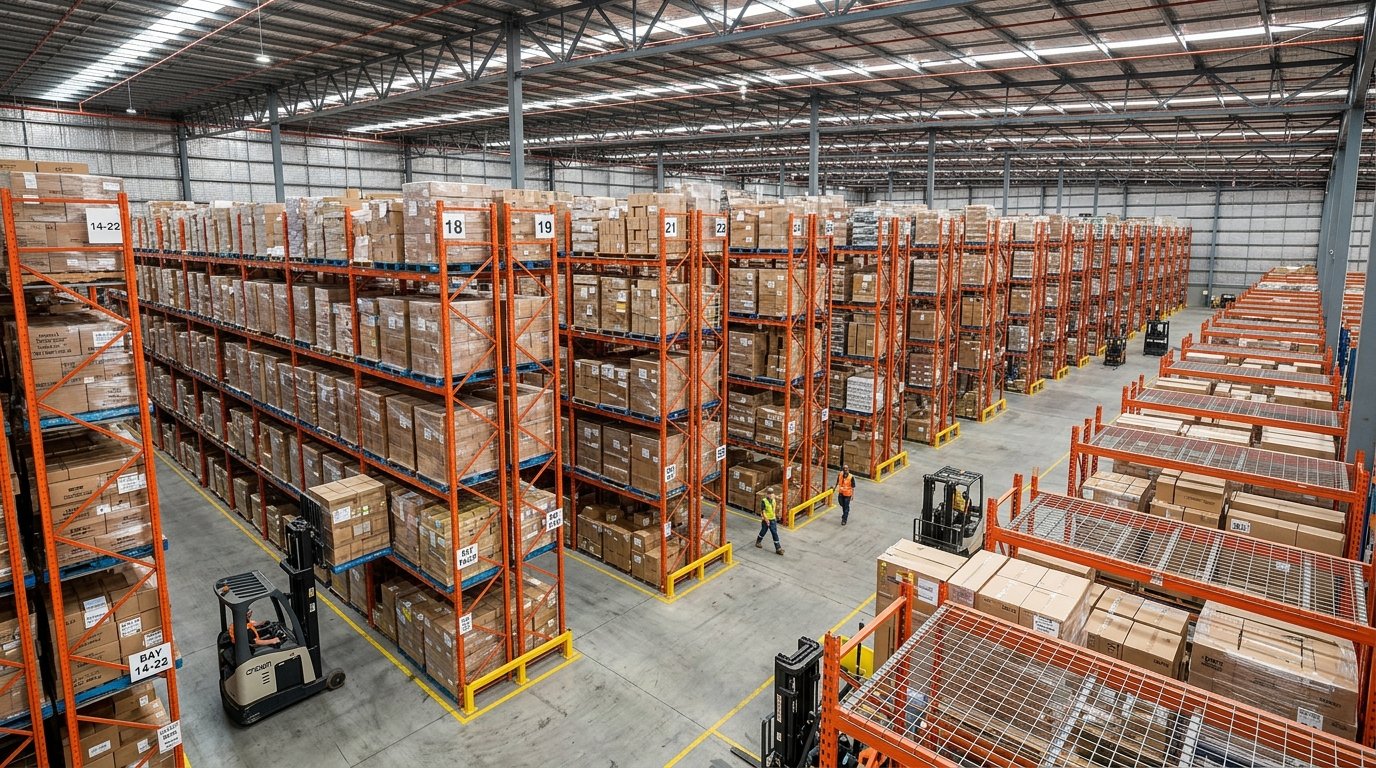
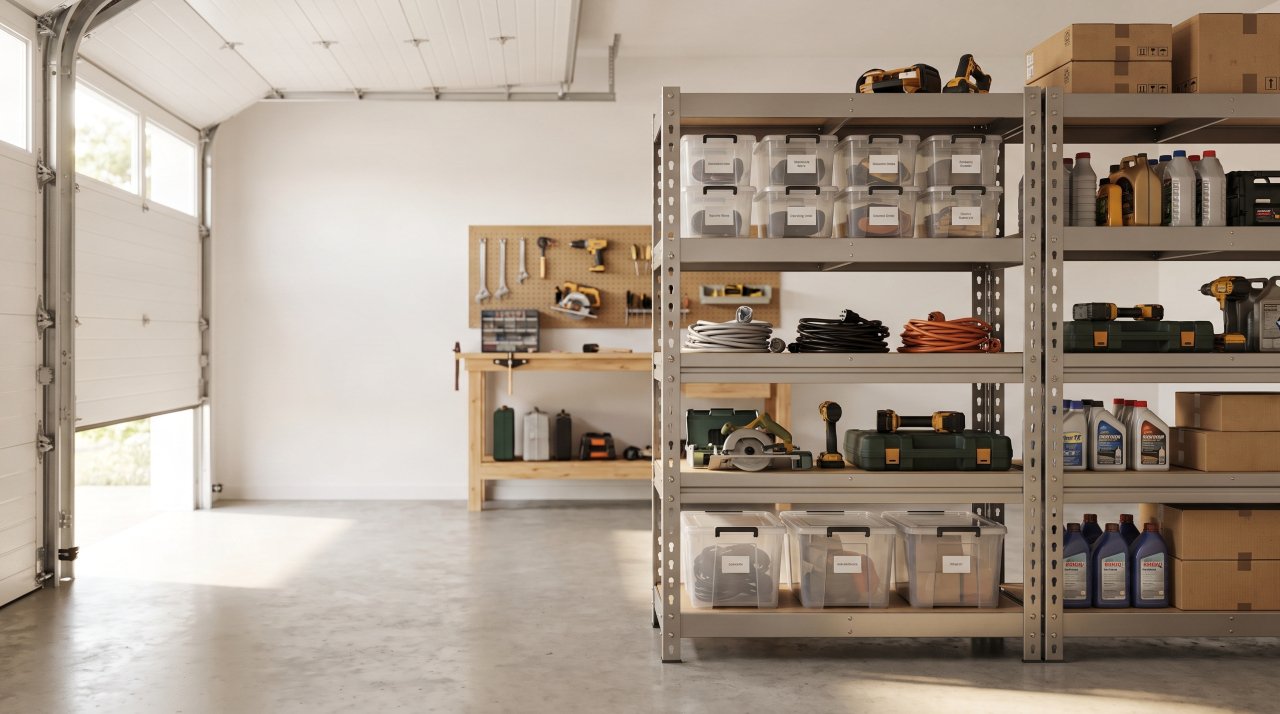
A push back racking system stores pallets on wheeled carts or nested rails. When a forklift places a new pallet into a lane,. It pushes the pallets already in that lane toward the back.
When an operator removes a pallet, the carts roll forward again, bringing the next load to the picking face.
This setup gives you more pallet positions than standard selective racking while keeping each lane accessible from one aisle. It’s a strong choice for warehouses that store several pallets of the same product, manage medium stock rotation,. And need to save floor space.
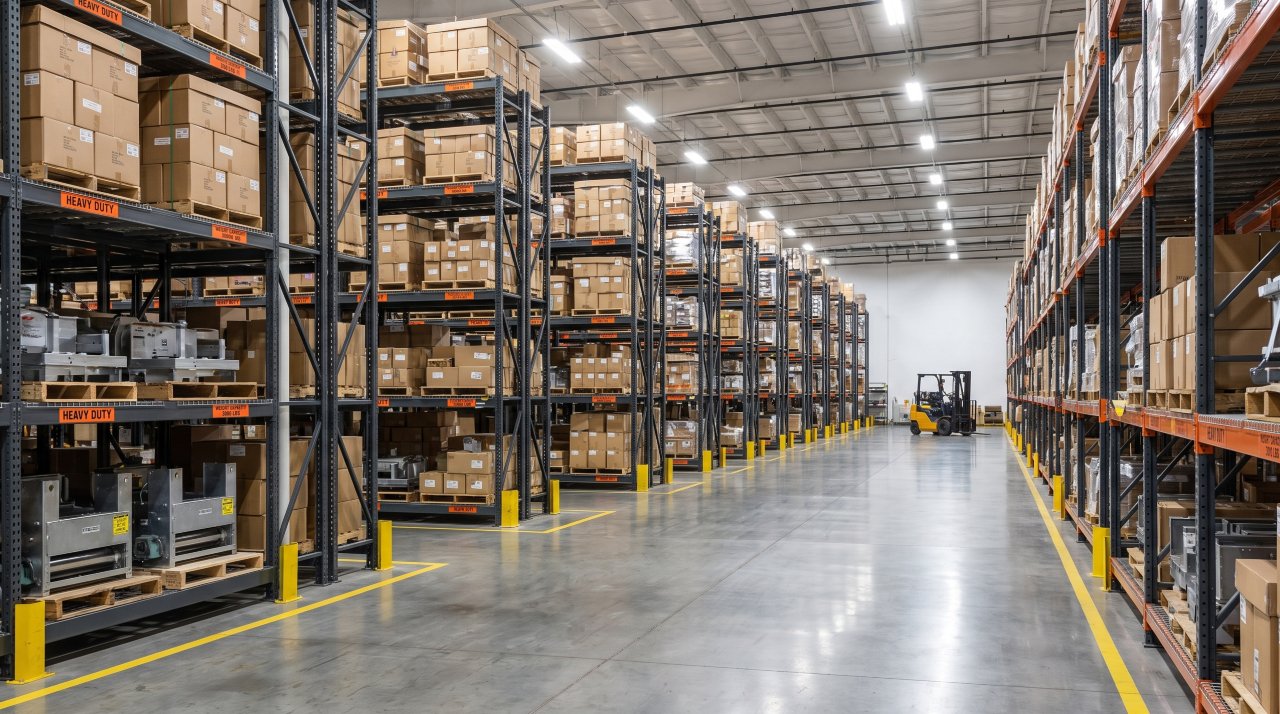
What Is a Push Back Racking System?
A push back racking system is a last-in, first-out, or LIFO, pallet storage system. It uses inclined rails and carts inside each rack lane. The carts sit one behind another, so a forklift can load several pallets into the same lane from the aisle.
During loading, the forklift places a pallet on the front cart and pushes it back. The cart and pallet already in the lane move deeper into the rack. The forklift then places the next pallet on the cart now positioned at the front.
This process repeats until the lane reaches its rated capacity.
During unloading, the front pallet comes out first. The carts behind it roll forward because of gravity. The next pallet is then ready for removal.
Operators don’t need to drive into the rack, which reduces the chance of contact with uprights, rails, and stored goods.
Most systems hold two to six pallets deep per lane. The correct depth depends on the product, pallet weight, rack height, aisle width, forklift type, and stock rotation plan.
How Push Back Racking Works
Loading the Rack
- The forklift approaches the open lane with a pallet.
- The driver places the pallet on the front cart or loading position.
- The forklift pushes the pallet backward, moving the carts already in the lane.
- The driver lowers the pallet onto the cart and withdraws the forks.
- The next pallet is loaded in the same way until the lane is full.
The forklift should push with controlled pressure. Fast or uneven contact can damage carts, rails, pallets, or rack frames. Loads must sit squarely on the cart, with the pallet runners aligned with the cart surface.
Unloading the Rack
The forklift removes the front pallet from the lane. As the load leaves, the next cart rolls to the front. A working system should move in a steady and controlled way, with no sudden movement or sticking.
Operators should never reach into a lane to pull a pallet forward by hand. They also shouldn’t climb on carts or rack beams. If a cart doesn’t roll correctly, the lane should be taken out of service until a trained inspector checks it.
Key Parts of the System
Rack Frames
Frames are the upright structures that carry the vertical and horizontal forces from the stored loads. Frame height, depth, bracing, and steel thickness must match the approved design. A rack supplier needs accurate information about pallet weight and storage height before sizing the frames.
Wheeled Carts
Carts support the pallets and move along the rails. Many push back systems use nested carts, with each cart sitting inside the next position. Cart design must match the pallet size and rated load.
Inclined Rails
Rails create the slope that lets loaded carts return to the aisle. They must be level from side to side and fixed correctly to the rack structure. Dirt, bent rail sections, damaged wheels, or poor installation can stop carts from moving safely.
Stops and Guides
Stops keep carts from rolling out of the lane. Guides help position the carts and pallets during loading. These parts need regular checks because a damaged stop can allow a cart to move too far forward.
Rack Protection
End-of-aisle guards, column protectors, and guide rails help reduce damage from forklift impacts. Protection doesn’t replace good driving practices, but it can limit the effect of a minor contact.
Benefits of Push Back Racking
Higher Storage Density
Push back racking can store several pallets deep in one lane. It also removes the need for a separate access aisle for every pallet position. This can increase pallet capacity within the same building footprint.
The system works well when a warehouse has many pallets of the same item or product family. It gives you more density than a standard selective layout, while keeping pallet access from the aisle.
Good Use of Floor Space
More storage depth means fewer aisles and more usable rack space. The result can be a smaller storage area for the same pallet count, or more capacity without expanding the building.
Fast Pallet Handling
Forklift drivers can load and unload from the aisle. They don’t need to enter the rack structure, so each movement can be quicker than drive-in storage. This also leaves more room for the forklift mast and operator to work outside the lane.
Less Product Mixing
Each lane can be assigned to one stock-keeping unit, batch, or product group. This helps keep different goods apart. Clear labels and location rules are still required, since deep lanes can hide older stock.
Lower Rack Contact Risk
Since forklifts stay in the aisle, there’s less direct contact with the rack interior. The driver still needs to line up the pallet correctly and avoid striking the front beam or cart.
Limits of Push Back Racking
LIFO Stock Rotation
The last pallet loaded is usually the first pallet removed. This can create problems for food, medicine, chemicals, and other goods with expiry dates. If stock must move first in, first out, a different rack type or a special lane plan may be needed.
Limited Lane Access
A lane normally holds one product or product group. You can’t pick any pallet in the lane without removing the pallets in front of it. This makes location control important.
Load Compatibility
Pallets need consistent dimensions and a sound base. Broken boards, weak runners, or different pallet sizes can cause poor cart contact. Loads that overhang too far can touch the rack or interfere with nearby lanes.
More Parts to Maintain
Compared with static beam storage, a push back racking system has carts, wheels, rails, stops, and guide parts. These items need checks and replacement when they show wear.
Push Back vs Other Pallet Racks
The right choice depends on access needs, stock rotation, pallet count, and available floor space. The table below gives a practical comparison.
| Rack type | Storage density | Accessibility | Forklift travel | Cost |
|---|---|---|---|---|
| Selective racking | Low to medium, with one pallet position per beam face | Direct access to every pallet | Forklift stays in the aisle | Usually the lowest equipment cost |
| Drive-in racking | High, with pallets stored deep in lanes | Limited access, often one product per lane | Forklift enters the rack lane | Medium equipment cost, with higher operating risk |
| Push-back racking | High, with two to six pallets deep in many designs | Front access to each lane, pallets move in LIFO order | Forklift stays in the aisle while loading | Higher than selective, often lower than some automated options |
Selective racking is a strong fit for many product lines and frequent picking. A pallet racking system guide can help you compare beam levels, frame sizes, and load ratings.
Drive-in storage can provide very high density, but the forklift enters the rack lane. Read this drive in racking system guide before choosing it for heavy or fast-moving stock.
Best Uses for Push Back Racks
Push back racks suit warehouses with these conditions:
- Several pallets of the same SKU are stored together.
- Stock rotation uses LIFO or doesn’t require strict FIFO control.
- Floor space is limited.
- Forklifts need aisle access without entering rack lanes.
- Products are stable, palletized, and similar in size.
- Storage depth of two to six pallets is useful.
- Medium to high pallet density matters more than direct access to every pallet.
Common users include wholesale distributors, building supply warehouses, beverage storage sites, seasonal goods operations, and general industrial storage facilities. The system can also work for reserve stock behind a separate picking area.
When to Choose Another Rack Type
Choose selective racking if workers need to reach every pallet at any time. It’s often better for many SKUs with only one or two pallets per item.
Choose drive-in racking if storage density is the main goal and the product has long runs of uniform pallets. Make sure operators have the skill and space needed to enter lanes safely.
Choose pallet flow racking if stock needs FIFO movement. And pallets can roll from a loading side to a picking side. Choose mobile racking if floor space is limited but direct access remains a key requirement.
Choose an automated storage system if labor, throughput, and inventory control justify the extra equipment and service needs. Automation can help, but it brings its own controls, maintenance work, and capital cost.
How to Plan a Push Back Layout
Start With Inventory Data
List each SKU, pallet dimensions, pallet weight, stock quantity, daily movements, and rotation rule. Group products by size, weight, demand, and handling needs. This data prevents you from buying a rack that looks suitable but can’t support the actual loads.
Measure the Building
Record clear height, column locations, door positions, fire equipment, sprinkler clearance, floor condition, and forklift turning space. Rack height must leave the clearance required by the building and fire protection plan.
Set Aisle Width
Aisle width depends on the forklift model, load size, turning radius, and operator method. Narrow aisles can add capacity, but they may slow handling and increase contact risk. Use the forklift manufacturer’s data, not a guess based on the pallet width.
Assign One Product Per Lane
Keep lane assignments simple. Place a clear location label at the front beam. If a lane holds several batches, use a written rule for loading order and removal order.
Confirm Floor Capacity
Rack legs transfer large loads to the floor. Ask a qualified rack or structural professional to confirm that the slab can carry the planned point loads. A floor that looks solid may still need review for anchors, joints, and slab thickness.
Review Fire and Safety Rules
Rack height, flue spaces, sprinkler coverage, aisle width, and pallet materials can affect the layout. Check local building and fire rules before installation. For workplace guidance, review the U.S. OSHA warehousing safety resources.
Safety Rules for Daily Use
- Load only pallets within the rack and cart rating.
- Keep pallets centered and square on the carts.
- Don’t push pallets at an angle.
- Keep people out of active loading and unloading lanes.
- Don’t climb on racks, carts, or pallets.
- Remove damaged pallets before they enter the system.
- Use aisle barriers or floor markings where pedestrian traffic is present.
- Report impacts, bent steel, missing pins, and stuck carts at once.
- Never change beam levels without approval from the rack designer or supplier.
Forklift training should cover the specific rack design, load type, visibility limits, and loading method used at the site. A driver who can operate a forklift in open floor. Space may still need site training for deep-lane push back storage.
Inspection and Maintenance Plan
Assign a trained person to check the rack at the start of each shift or workday. Look for bent uprights, loose anchors, damaged beams, missing safety pins, rail movement, wheel damage, and pallet overhang.
Inspect carts for cracked welds, worn wheels, broken axles, and debris. Check that carts roll without binding and that stops remain fixed. Grease or cleaning work should follow the supplier’s instructions, since the wrong product can collect dust or affect wheel movement.
Mark damaged locations and keep forklifts away until repairs are complete. Don’t straighten bent rack steel on site with a forklift. A repair may require replacement parts or a review of the rack’s load capacity.
For a useful industry reference, review the RMI rack safety resources. Local rules and the rack supplier’s inspection plan still apply.
Push Back Racking Cost Factors
The purchase price depends on rack height, lane depth, pallet weight, number of levels, cart design, steel grade, protection,. And installation. A two-pallet-deep system with a few levels costs less than a tall system with several carts per lane.
Other costs can include floor repairs, anchors, end guards, delivery, installation, permits, fire protection changes, signage, inspections, and forklift adjustments. Ask for a full project quote that separates equipment from site work.
Operating cost comes from inspections, cart and wheel replacement, impact repairs, training, and possible changes to inventory software. A low purchase price can become expensive if the lane depth doesn’t match product movement. Or if pallets are frequently damaged.
Buying Tips
- Give the supplier real pallet weights and dimensions.
- State if loads are single-SKU, mixed, seasonal, or batch controlled.
- Share forklift make, model, mast height, and turning data.
- Ask for a stamped layout or approved design where local rules require it.
- Confirm the rated capacity for each level and lane.
- Ask how carts, wheels, rails, and stops are replaced.
- Get training and inspection documents with the installation.
- Check lead times for replacement parts.
- Keep space for safe staging at the rack face.
Frequently Asked Questions
Is push back racking FIFO or LIFO?
Push back racking normally operates as LIFO. The last pallet loaded into a lane is the first pallet removed. This makes it suitable for reserve storage and products without strict expiry control.
If FIFO is required, use a system that supports first-in, first-out movement. Or assign lanes in a way that meets the product rule.
How deep can push back racks be?
Many systems are two to six pallets deep. The safe depth depends on pallet weight, pallet condition, cart design, rack height, and forklift access. More depth increases storage density but also makes lane assignment and stock rotation more important.
Can different pallet sizes use one push back lane?
They can in some designs, but mixed sizes need careful review. Different pallet lengths or runner layouts may sit poorly on the carts. Ask the supplier to test every pallet type before ordering.
Keep loads with similar dimensions in the same lane when possible.
How often should push back racking be inspected?
Operators should make frequent visual checks, with a trained person completing a. Documented inspection on a schedule set by the site and rack supplier. Inspect the rack after any forklift impact, unusual cart movement, load shift, or visible damage.
Remove unsafe sections from service until a qualified person approves them.
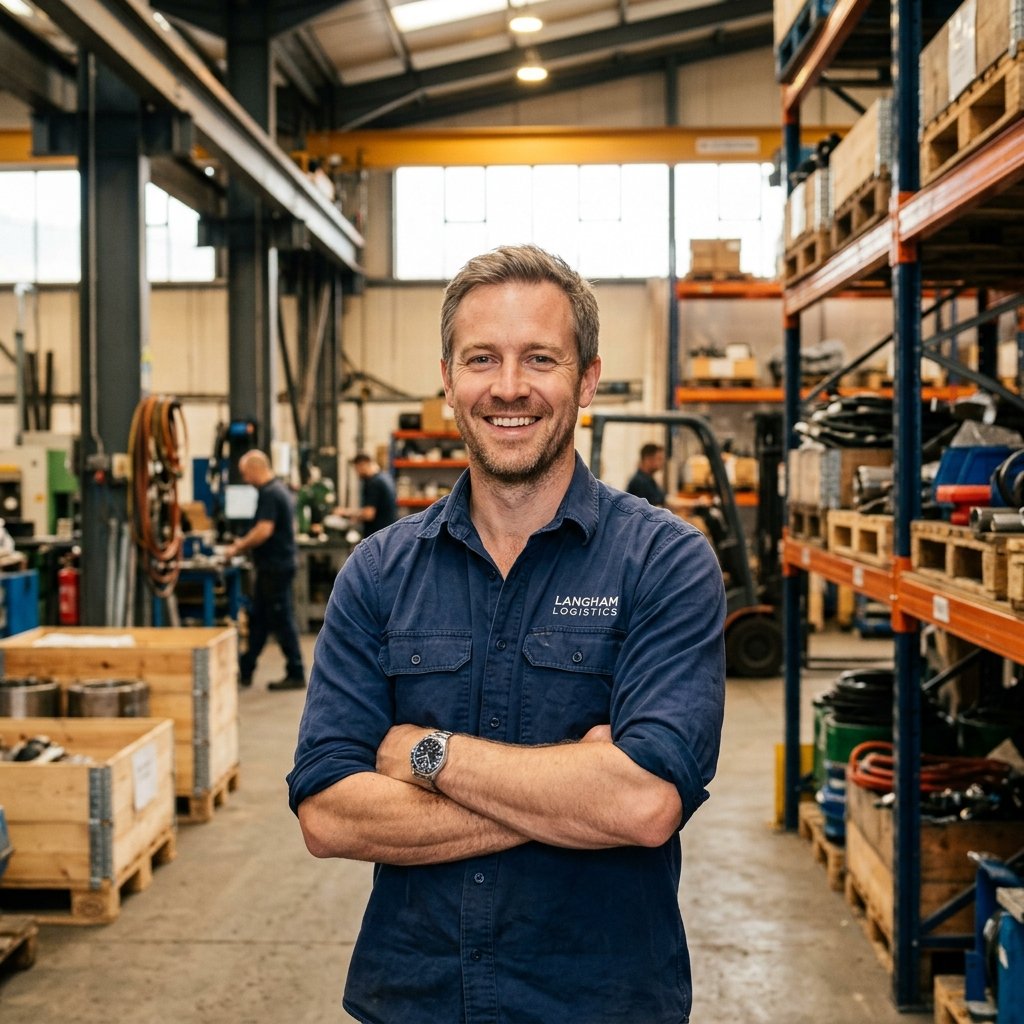
Callum Langham
Founder & Technical Storage Editor
Callum Langham is the founder and technical editor of Rack System. With over 12 years of hands-on field experience in warehouse logistics, garage organization, and industrial storage installations, Callum specializes in engineering safety standards, beam load calculations, and OSHA/RMI compliance. Every guide on Rack System is audited against verified steel gauge tolerances and municipal building codes.