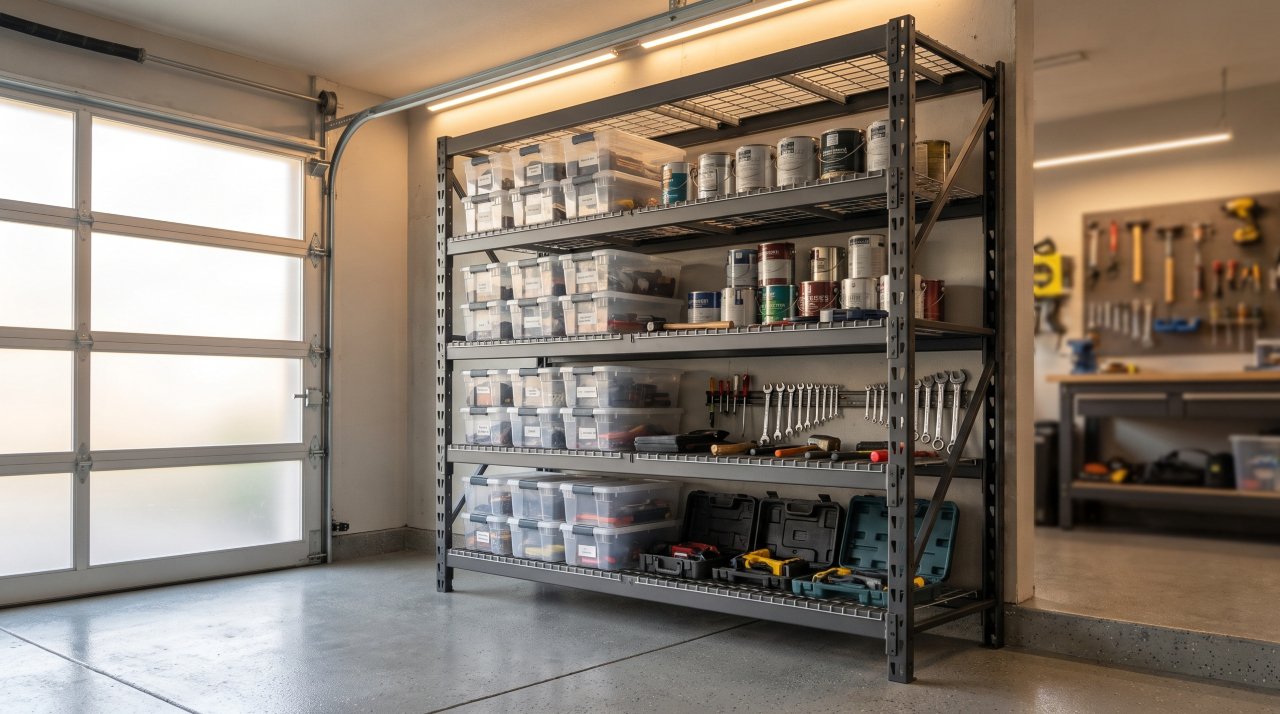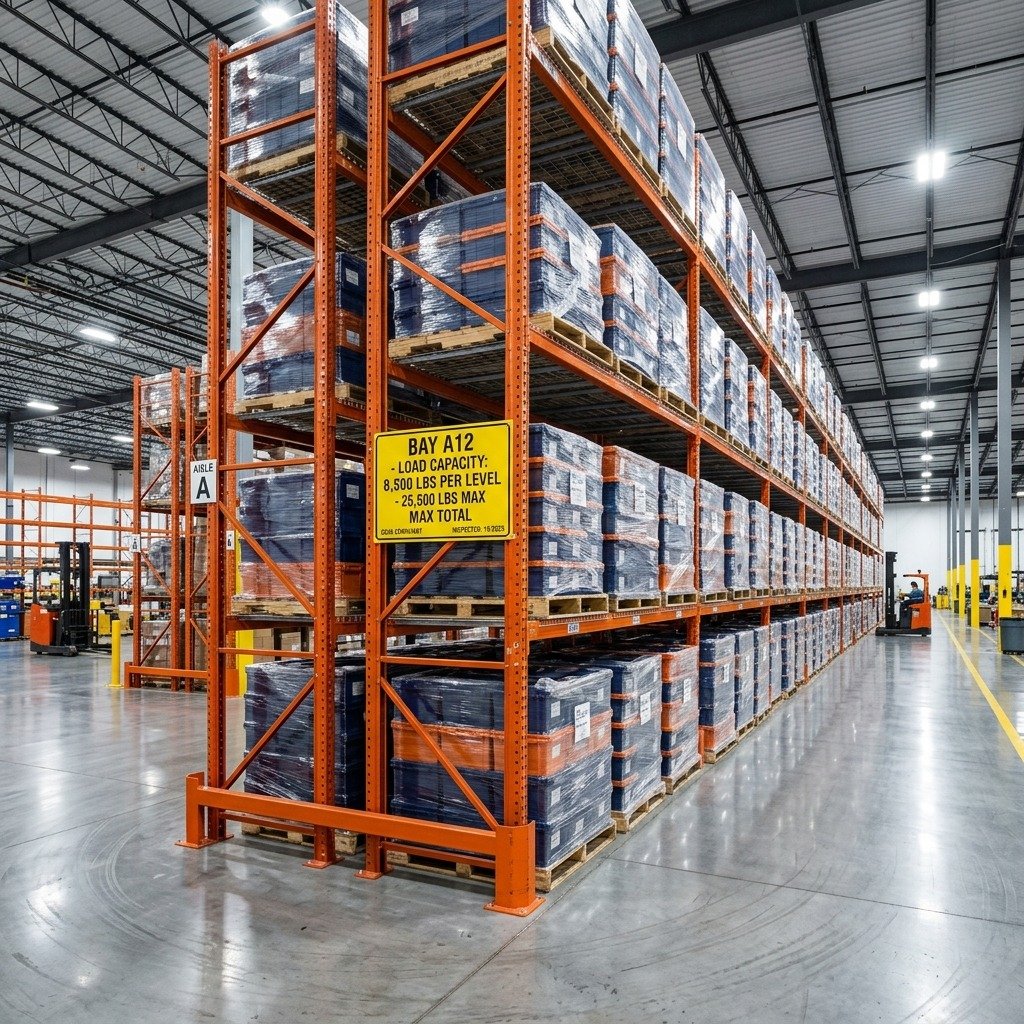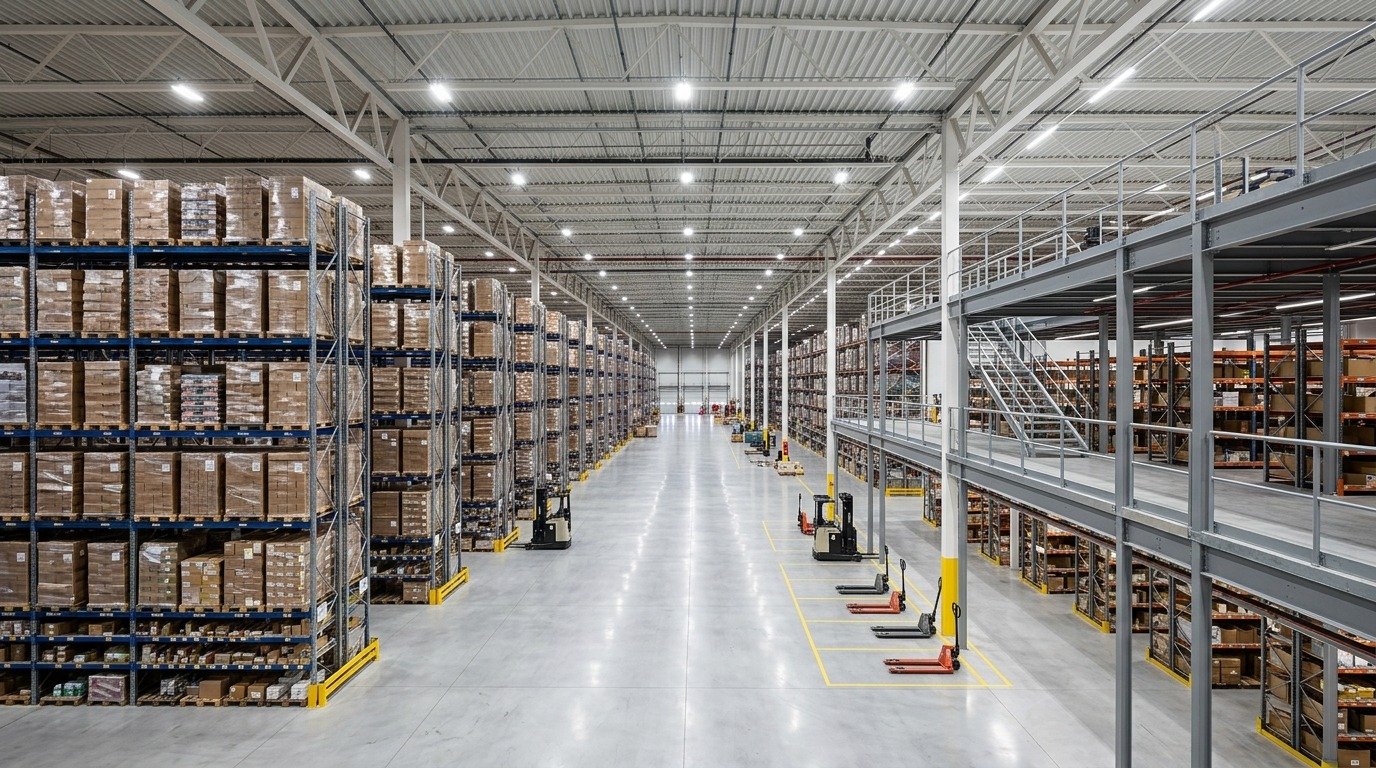
Used pallet storage racks can add high-density storage without the cost of a new system. They’re common in distribution centers, manufacturing plants, cold stores, and retail warehouses. Still, a low purchase price doesn’t make damaged or mismatched rack safe.
You’ll need to check the rack’s design, dimensions, load rating, condition, compatibility, and installation requirements before buying. The right inspection can prevent a costly mistake. And help your team build a safe storage system that fits the warehouse.
Quick Answer: How to Inspect Used Pallet Storage Racks
When buying used pallet storage racks, verify ANSI MH16.1 compliance and inspect upright columns for out-of-plumb deflection exceeding 0.5 inches per 10 feet. Reject beams showing permanent unloaded deflection over 1/180th of span, sheared safety locking pins, or cracked footplate welds. Standard 96-inch step beams carry 4,000 to 6,000 lb per pair and must be anchored into concrete with 1/2-inch wedge anchors.
Key Takeaways
- Punch Compatibility: Universal teardrop punch styles match Interlake and Speedrack; avoid obsolete proprietary slot profiles.
- Frame Plumb Tolerance: Any upright bent more than 1/2 inch per 10 vertical feet suffers up to 50% capacity loss.
- Beam Sag Inspection: Permanent middle deflection on unloaded beams indicates prior severe overload and must be scrapped.
- Concrete Anchor Safety: Secure each column footplate into 4,000 PSI concrete with 1/2″ x 4 to 1/4″ wedge anchors.
Why Buy Used Pallet Storage Racks?
Used pallet storage racks can cost much less than new equipment, especially when you buy matching beams. And frames from a warehouse that’s being remodeled. You may also find discontinued sizes that suit an existing layout.
The main benefit is availability. A used rack dealer may have 96-inch beams, 42-inch-deep frames, wire decking, and safety accessories ready for shipment. That can reduce project delays.
There are risks, too. Parts may have unknown loading history, forklift damage, missing labels, or incompatible connections. A rack that looks clean may still have bent columns or fatigued welds.
Treat every used rack as equipment that needs a documented inspection before installation.
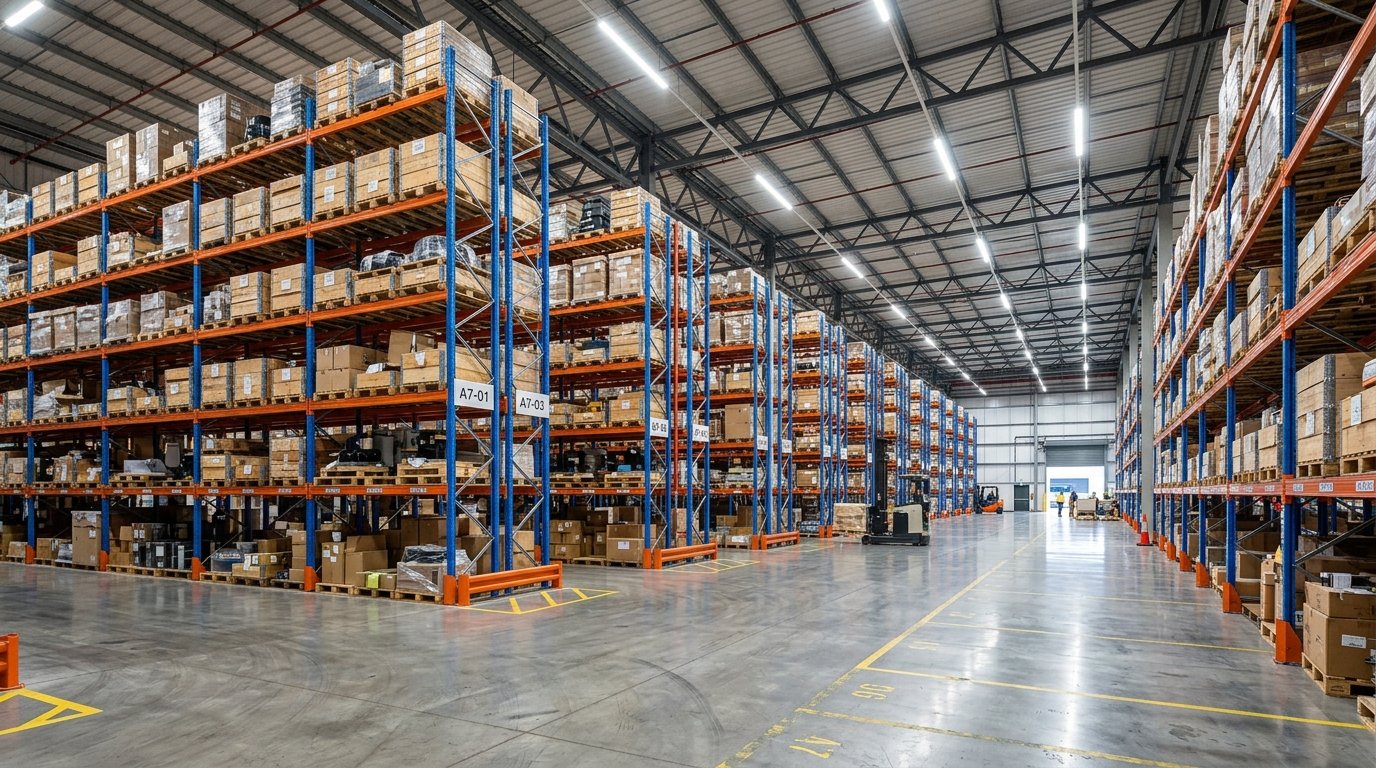
Common Used Rack System Types
Teardrop Roll-Formed Rack
Teardrop roll-formed pallet rack uses upright columns with punched holes and beams with teardrop connectors. The common pattern has a 2-inch vertical hole pitch. This style is widely used because many major brands use compatible punch patterns, including Interlake, Speedrack, and Mecalux.
Typical uprights measure 3 by 3 inches and use 12- to 14-gauge steel. Common frame depths are 36, 42, and 48 inches. Heights range from 96 to 240 inches.
Step beams often measure 96, 108, or 120 inches long.
Roll-formed rack works well in standard dry warehousing, consumer goods storage, and selective pallet picking. It’s lighter than structural rack, so it may suffer more damage from repeated forklift strikes.
Structural C-Channel Rack
Structural pallet rack uses hot-rolled steel, often with C-channel columns and bolted beam connections. It’s heavier and better suited to high-traffic areas where forklift impact is a serious concern.
Many structural systems use Grade 5 bolts and larger steel sections than roll-formed rack. They’re common in freezer warehouses, heavy manufacturing, lumber storage, and facilities with demanding material handling conditions.
Structural rack isn’t damage-proof. A forklift can still bend a column, loosen a connection, or crack a weld. The heavier construction can reduce damage from minor contact, but it doesn’t remove the need for inspections.
Legacy Slotted and Keystone Rack
Older slotted, keystone, and T-bolt systems use proprietary hook, slot, or bolt connections. They can work well when you’re expanding an existing installation with matching parts.
The problem is compatibility. A beam that appears to fit may have the wrong connector depth, slot spacing, or load rating. Don’t mix legacy components with modern teardrop parts unless a qualified rack engineer confirms the connection and capacity.
Rack Type Comparison
| Pallet Rack Punch Type | Steel Construction & Columns | Beam Pair Load Capacity | Best Warehouse Storage Use |
|---|---|---|---|
| Universal Teardrop Roll-Formed | 14-gauge 3″x3″ columns / Step beams | 4,000 to 6,000 lb per pair | Standard dry warehousing, consumer goods, selective pallet picking |
| Structural C-Channel Bolted | Hot-rolled structural steel / Grade 5 bolts | 6,000 to 9,000 lb per pair | Freezer warehouses, heavy manufacturing, aggressive forklift environments |
| Legacy Slotted / Keystone | Proprietary hook & slot connectors | 3,500 to 5,000 lb per pair | Existing legacy warehouse expansion matching obsolete rack profiles |
How to Check Used Rack Dimensions
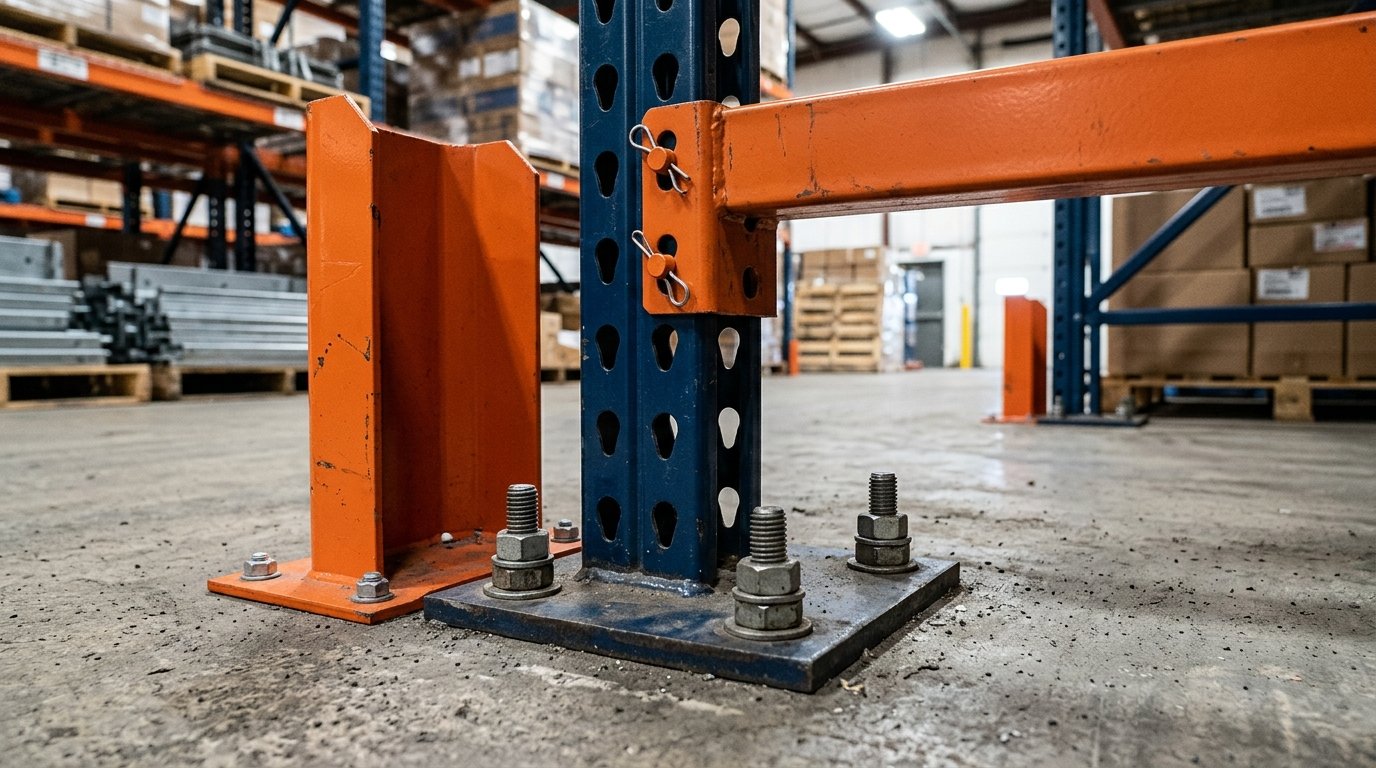
Measure every rack component before you buy. Start with the upright height, frame depth, column size, hole pitch, and beam length. Record the measurements in inches and compare them with the seller’s description.
- Upright height: Common sizes run from 96 to 240 inches.
- Frame depth: Typical options are 36, 42, and 48 inches.
- Beam length: 96-inch beams usually store two standard pallets, while 108- and 120-inch beams can store three pallets, depending on pallet size and required clearance.
- Hole pitch: Teardrop systems commonly use a 2-inch pattern, but the connector shape still needs a close match.
- Beam elevation: Check the distance between beam levels and confirm that forklifts can place loads without hitting the level above.
Keep at least the required clearance between pallets, beams, ceiling sprinklers, lights, and building structures. Local fire officials may require specific clearances, so confirm the layout before installation.
Used Pallet Rack Inspection Checklist
Inspect Upright Columns
Look down the length of every column. A straight column should have no visible bow, twist, crease, or crushed section. Check both the front and side faces, since forklift impact may bend one face while the other still looks normal.
Reject an upright that’s more than 1/2 inch out of plumb per 10 vertical feet. A bent frame can lose a large share of its rated capacity. Research data indicates that damage at this level may reduce capacity by up to 50 percent.
Check the horizontal and diagonal braces for bends, missing bolts, broken welds, and elongated bolt holes. Braces keep the frame square. Don’t straighten damaged members with a torch or press and return them to service without an engineer’s review.
Inspect Beams and Connectors
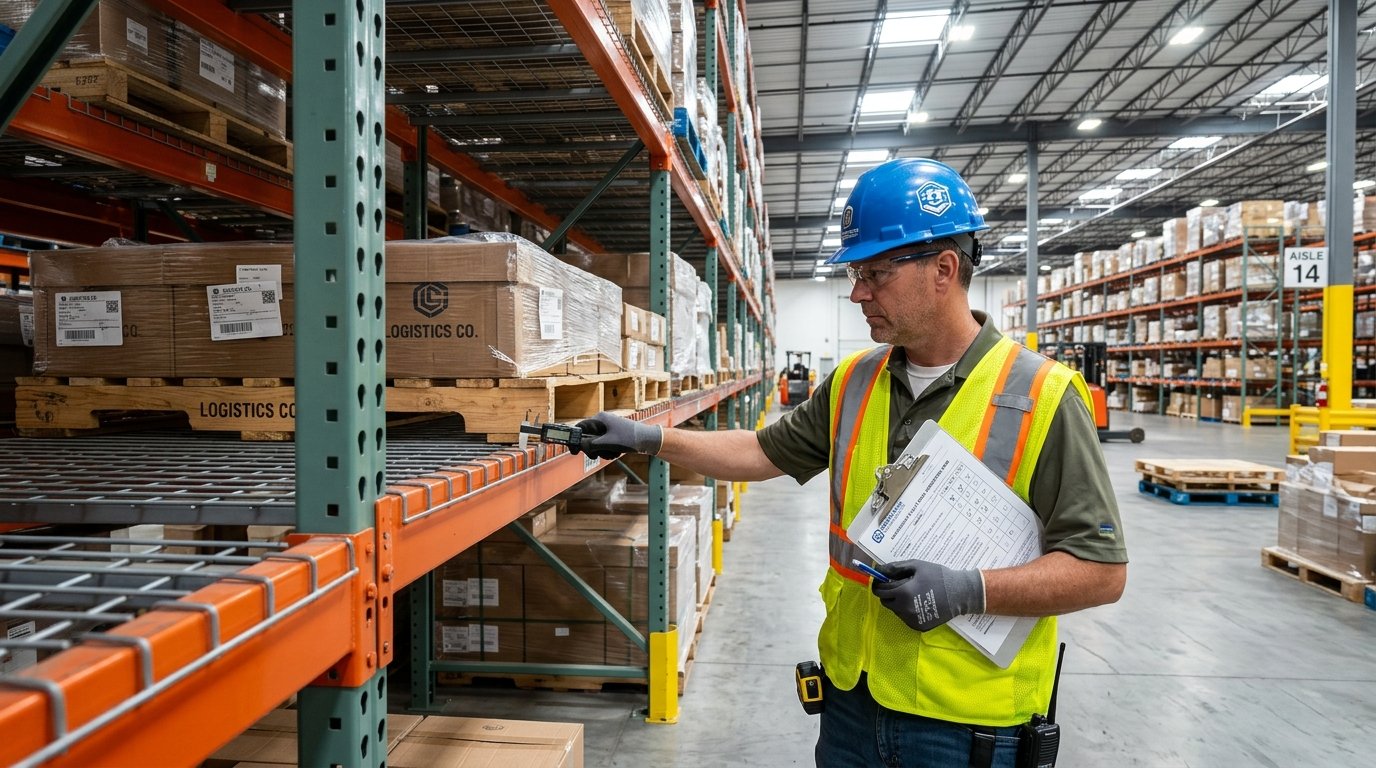
Place beams on a flat surface when possible. Look for dents, twists, crushed ends, cracked welds, and damaged connector tabs. The connector must sit fully in the upright and engage its safety device.
Measure unloaded beam deflection. Permanent middle deflection greater than L/180 is a rejection point. For a 96-inch beam, L/180 equals about 0.53 inches.
A beam that remains bowed after unloading may have suffered a severe overload.
Check every safety pin. Common systems use J-bolts or auto-engaging spring pins. A sheared, missing, bent, or poorly fitting pin means the beam shouldn’t be used until the correct replacement is installed.
And the connection is checked.
Check Footplates and Anchors
Inspect the base of each upright for bent footplates, cracked welds, elongated holes, and missing shims. A cracked footplate weld can allow the column to move during a forklift impact or seismic event.
Each column footplate should be anchored into suitable concrete. A common specification is a 1/2-inch by 4 to 1/4-inch wedge anchor installed in 4,000 PSI concrete. The final anchor type, embedment, spacing, and torque must match the rack design and site conditions.
Don’t anchor into a thin slab, cracked concrete, or an area with unknown reinforcement without getting qualified advice. A contractor should verify the slab before drilling.
Look for Rust and Pitting
Surface rust may be treatable after an engineer confirms that the steel retains its required section. Deep corrosion pitting is different. It removes steel and can weaken a column, beam, brace, or connector.
Reject parts with flaking rust, holes, sharp section loss, or corrosion around welds and bolt holes. Don’t cover serious corrosion with paint. Paint can hide damage during later inspections.
For a more detailed process, use this used pallet racking inspection guide.
Used Rack Load Ratings
Used pallet rack capacity depends on the complete configuration, not a single beam or upright. Beam length, beam elevation, frame height, frame depth, steel gauge, bracing, connectors, anchors, pallet spacing,. And floor conditions all affect capacity.
Common frame capacities range from 18,000 to 35,000 pounds. Beam pairs may carry 4,000 to 7,500 pounds in many standard applications. Structural beam pairs may carry 6,000 to 9,000 pounds, but those figures don’t apply to every used system.
Never rely on a handwritten load label or a seller’s estimate. Ask for the original manufacturer’s specifications, rack identification, beam profile, frame details, and load tables. If the parts have been altered.
Or the original data is missing, get a qualified engineer to calculate the allowable load.
Post a clear capacity sign on each rack configuration. The sign should show the maximum load per beam level, the maximum bay load, pallet position limits,. And any special restrictions.
Workers shouldn’t have to guess how much a rack can hold.
Wire Decking Inspection
Wire decking supports pallets and helps prevent small items from falling through the rack. It must match the beam style and sit securely on both beams.
Check the decking for bent wires, broken welds, missing wires, sharp ends, and damaged supports. Look closely at the front and rear channels. Flared-channel decking and step-channel decking use different support arrangements, so confirm that the style fits the beam.
A deck that rocks, slides, or leaves a gap at the beam edge needs correction. Don’t use damaged decking as a substitute for a pallet support designed for the load. Heavy or unusual pallets may need extra supports, solid decks, or a specific engineering review.
Certification and Permits
Used racks can meet ANSI MH16.1 and Rack Manufacturers Institute requirements, but age alone doesn’t prove compliance. The rack must be assembled in the approved configuration, loaded within its rated limits, anchored correctly,. And kept in serviceable condition.
Ask the seller for manufacturer documents, prior inspection records, capacity charts, and any repair history. If those records aren’t available, an engineer can review the equipment and prepare new calculations.
Some municipalities require engineering-stamped calculations and LARC documents. LARC means Load Application and Rack Configuration drawings. These drawings show rack elevations, beam levels, pallet loads, aisle widths, anchors, and other details used during plan review.
Permit rules vary by location and by building use. Contact the local building department, fire marshal, or permit office before ordering a large system. For technical industry resources, see the Material Handling Institute technical standards.
Roll-Formed vs Structural Rack
Roll-formed rack usually offers lower weight, simple assembly, and broad availability. It’s a practical choice for standard selective storage with controlled forklift traffic. Its thinner columns can be more vulnerable to direct impact.
Structural C-channel rack uses heavier sections and bolted connections. It can suit freezer warehouses and high-impact operations where the rack faces repeated contact. It also weighs more, may cost more to transport, and can require more labor during installation.
For cold storage, inspect the rack for corrosion caused by condensation, damaged coatings, and ice contact near the floor. Freezer temperatures can also affect some plastics and safety accessories. Confirm that the selected rack, anchors, decking, and protection equipment suit the temperature range.
Rack guards, end-of-aisle barriers, column protectors, and good forklift training may reduce future damage. These items don’t make a damaged rack safe, but they can help protect a sound installation.
Safe Installation Practices
Use the original layout or have a qualified person create a new one. Keep frames aligned in straight rows, install all required braces, fit every beam safety pin,. And anchor the columns before loading.
Inspect the concrete, aisle width, sprinkler clearance, lighting, doors, dock areas, and forklift turning space. A rack may fit on paper but fail in practice if trucks can’t approach the pallets safely.
Install the rack on a level floor. Use approved shims where the design permits them, and don’t stack loose steel or wood under a footplate. Replace missing braces, pins, bolts, and anchors with parts approved for that system.
After installation, inspect each bay before use. Mark damaged parts, remove rejected pieces from the work area, and record the final configuration. Train workers to report impacts and take damaged bays out of service until a competent person checks them.
Follow the OSHA material storage safety standards for safe storage practices, stable loads, and clear working areas.
How to Buy Used Pallet Storage Racks
- Define the load: Record pallet weight, pallet size, load height, and the number of pallets per bay.
- Measure the building: Confirm clear height, aisle width, door access, sprinkler clearance, and floor conditions.
- Choose the system: Match the rack type to forklift traffic, product weight, temperature, and existing components.
- Inspect before payment: Check columns, braces, beams, connectors, pins, footplates, anchors, decking, and corrosion.
- Verify capacity: Get manufacturer data or an engineering review for the exact configuration.
- Confirm permits: Ask the local authority about stamped drawings, LARC documents, seismic rules, and inspections.
- Plan delivery: Separate good parts from rejected parts and protect beams and frames during transport.
Price should come after safety and compatibility. A cheap batch with mixed connectors, missing braces, and unknown capacity may cost more after sorting, replacement, engineering, and installation.
Frequently Asked Questions
What are the critical inspection points on used pallet storage racks?
Inspect upright columns for bends, twists, creases, and out-of-plumb conditions. Check braces, beam deflection, beam connectors, safety pins, footplate welds, anchors, and corrosion. Reject beams with permanent unloaded deflection over L/180, columns bent more than.
1/2 inch per 10 feet, sheared pins, cracked welds, or serious pitting.
How much weight can a used pallet rack beam pair hold?
Many standard step beam pairs carry 4,000 to 7,500 pounds. A typical 96-inch pair may carry 4,000 to 6,000 pounds, while some structural systems carry 6,000 to 9,000 pounds. The actual rating must come from the manufacturer or an engineer for the exact beam, span, elevation, and frame setup.
What is the difference between teardrop and structural pallet racks?
Teardrop racks are usually roll-formed, lighter, and connected with punched holes and teardrop beam hooks. Structural racks use heavier hot-rolled steel, often C-channel columns, and bolted connections. Teardrop racks suit standard dry storage.
Structural racks suit heavy loads, freezer warehouses, and aggressive forklift environments.
Do used pallet storage racks require municipal engineering permits?
They may. Permit rules depend on the building, location, rack height, seismic conditions, fire protection, and local codes. A municipality may request engineering-stamped calculations and LARC drawings.
Contact the building department or fire marshal before installation, especially for tall racks or major layout changes.
Final Buying Advice
Used pallet storage racks can deliver useful capacity at a lower purchase price, but every component needs a careful check. Match the punch style, verify the dimensions, confirm the load rating, inspect for damage,. And plan the anchoring before the rack arrives.
When records are missing, use an engineer rather than guessing. A documented inspection and approved configuration will help protect workers, inventory, forklifts, and the building. Buy parts that match, reject damaged steel, and keep clear capacity labels on every installed rack.

Callum Langham
Founder & Technical Storage Editor
Callum Langham is the founder and technical editor of Rack System. With over 12 years of hands-on field experience in warehouse logistics, garage organization, and industrial storage installations, Callum specializes in engineering safety standards, beam load calculations, and OSHA/RMI compliance. Every guide on Rack System is audited against verified steel gauge tolerances and municipal building codes.