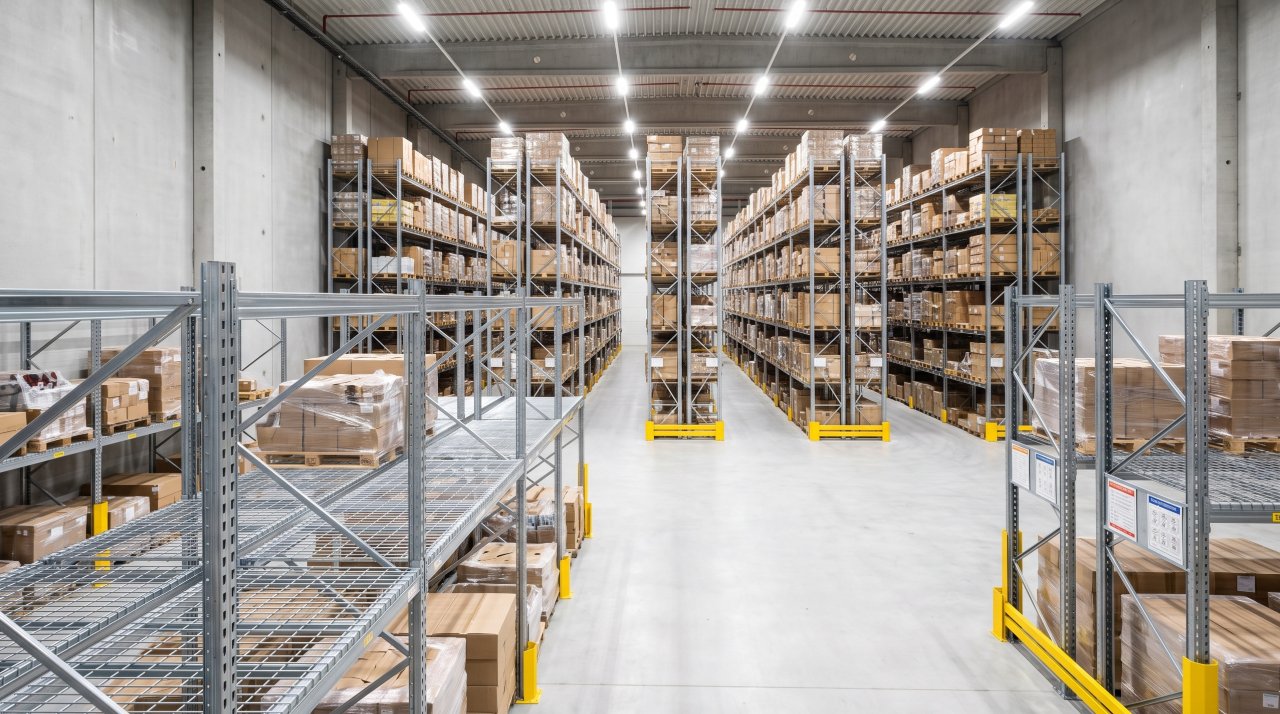
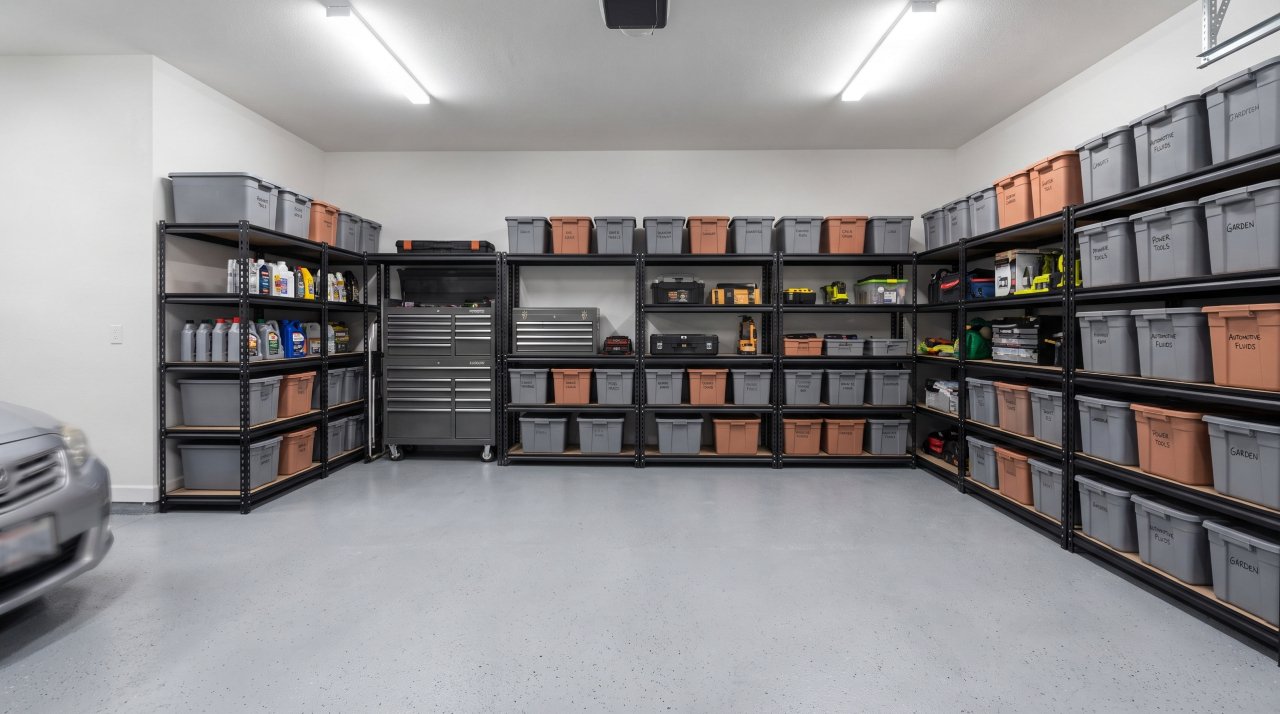
A mobile racking system puts storage racks on powered or manually operated bases. The bases move along floor rails, so several rack runs can share one access aisle. When you need a product, you open the required aisle, pick the item, then close the space again.
This setup can increase pallet or bin storage without adding floor space. It can also reduce walking, improve stock control, and help a warehouse make better use of high-cost floor area. Still, mobile racking needs careful planning.
Floor strength, load weight, fire protection, access needs, power supply, and staff training all affect the result.
This guide explains how mobile racking works, where it fits, what it costs, and how to plan a safe installation. You’ll also find a clear comparison with static racking, plus practical checks for selecting the right system.
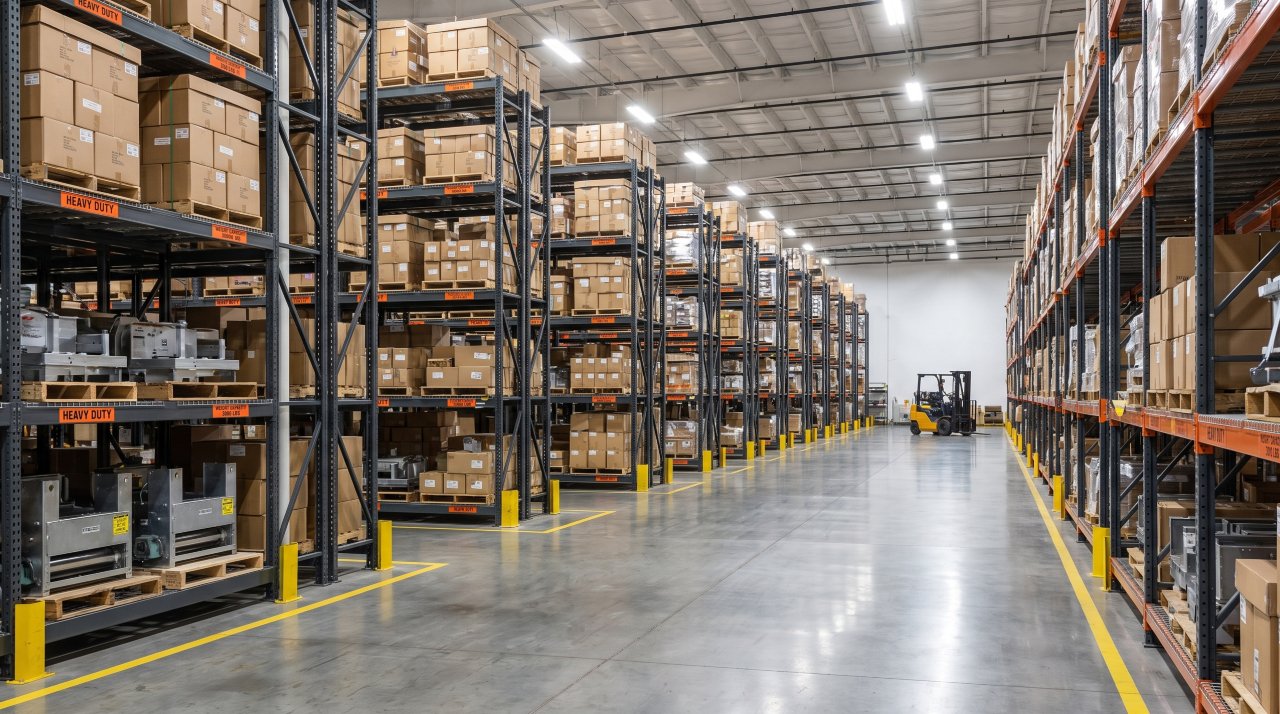
What Is a Mobile Racking System?
A mobile racking system is a rack layout built on moving carriages. These carriages run on rails fixed into or onto the warehouse floor. An operator opens an aisle by using a control panel, remote control, or manual hand wheel, depending on the system.
Most systems use electric motors to move long rack rows. Safety sensors stop movement if a person, forklift, or object enters a closing aisle. Emergency stop buttons are placed along the installation, and many systems include warning lights or sound alarms.
When the racks are closed, only the aisle needed for picking remains open. The other aisles are stored away. This can create more usable rack positions in the same building footprint than a fixed layout.
How the Moving Bases Work
Each mobile base sits on rails. Drive wheels, motors, chains, and control equipment move the base from one position to another. The rack above the base may be pallet racking, archive shelving, carton flow equipment, or another storage format.
The rails need a level and suitable floor. Small height changes can cause poor movement, uneven loads, or premature wear. A supplier should check the slab before design work begins.
The check may include floor thickness, concrete quality, joints, drainage, loading limits, and the position of existing services.
For a pallet warehouse, the system often uses selective pallet beams on mobile bases. For archives, parts, or records, lighter shelving can be installed. The rack type must match the product, load, handling equipment, and required access speed.
How Mobile Racking Saves Floor Space
Static racking needs a fixed aisle between each rack run. A mobile layout removes most of those permanent aisles. The operator opens one aisle at a time, so the same floor area can hold more rack rows.
Storage density depends on the building and the rack design. A facility with low or medium access needs may gain a large increase in storage positions. The result can help a business delay an extension, reduce off-site storage, or create room for production and dispatch areas.
Mobile racking also uses vertical space well. A survey can identify the safe building height, sprinkler clearance, lighting needs, and forklift reach. Higher racks may add positions, but they can also increase picking time and require different handling equipment.
Floor Utilization Matters
Floor utilization is more than the amount of rack steel installed. It includes aisle space, turning areas, work zones, fire exits, charging points, and access routes. A design that fills every spare metre may create poor traffic flow.
Leave enough room for forklifts to approach the open aisle safely. Mark pedestrian routes and keep doors, emergency equipment, and electrical panels clear. Your layout should support daily work, stock checks, cleaning, repairs, and emergency response.
Static Racking vs Mobile Racking
Static racking stays in one position. It gives fast access to several aisles at once, which suits high-throughput operations and frequent forklift movement. Mobile racking concentrates access into fewer aisles, which can provide more storage in less space.
| Factor | Static Racking | Mobile Racking |
|---|---|---|
| Storage density | Moderate, with a fixed aisle between rack runs | High, as most aisles can close when they aren’t in use |
| Floor utilization | More floor area is used for permanent aisles | More floor area can hold racks and stored goods |
| Access speed | Fast access to several aisles at the same time | Good access, but an aisle must open before picking starts |
| Initial cost | Usually lower, with fewer mechanical parts | Usually higher, due to bases, rails, motors, controls, and safety equipment |
Static racking may suit fast-moving goods with many daily picks. Mobile racking can suit slow-moving stock, high-value goods, archives, cold stores,. And buildings where extra floor area is hard to obtain.
Many warehouses use both systems, assigning each rack type to the work it handles best.
For a detailed side-by-side review, see this guide to static shelving vs mobile racking.
Key Benefits of Mobile Racking
More Storage Positions
The main benefit is higher storage density. By removing fixed aisles, you can add rack runs without increasing the building size. This can make a major difference in urban warehouses, archive rooms, cold stores, and sites with high rental costs.
Lower Building Costs
Extra storage space often means a larger building or an additional site. A mobile system may create the required capacity within an existing building. You’ll need to compare the equipment cost with rent, construction, utilities, labour, and transport costs for extra space.
Better Stock Protection
A closed rack layout can limit casual access. This may help protect confidential records, expensive parts, medicines, or controlled stock. You still need access rules, inspection routines, and good stock records.
The rack alone won’t prevent loss or damage.
Flexible Storage Layouts
Many mobile systems can support different rack heights, shelf levels, trays, bins, and pallet positions. A warehouse can divide zones by product size, load type, or access requirement. Ask the supplier how future changes will affect the base capacity, motor load, and safety controls.
Limits You Should Plan For
Slower Access to Some Aisles
Only one or a limited number of aisles may open at a time. If several operators need access at once, queues can form. This can reduce productivity during busy periods.
Use demand data before choosing the layout. Put fast-moving stock near open work areas or in fixed racking. Reserve mobile storage for items that need less frequent access, higher security, or greater density.
Higher Installation Cost
Mobile equipment costs more than basic static frames. The budget may include rails, motors, controls, sensors, guards, installation, floor work, testing, training, and service cover. Ask for a full supply and installation price rather than comparing rack steel alone.
More Maintenance Requirements
Motors, drive wheels, sensors, chains, cables, and control panels need checks. Dust, impact damage, moisture, and poor cleaning can cause faults. A maintenance plan should list inspection intervals, spare parts, response times, and safe isolation steps.
Dependence on Power
Powered bases need a reliable electrical supply. Ask what happens during a power cut. Some systems include manual release methods or backup controls, but staff must know how to use them safely.
Where Mobile Racking Works Best
Mobile racking is a strong option when storage density matters more than instant access to every aisle. Common uses include:
- Archive rooms and document storage
- Spare parts warehouses
- Cold stores and chilled distribution rooms
- Libraries and museum collections
- Tool rooms and maintenance stores
- High-value stock areas
- Slow-moving pallet inventory
- Small warehouses with high land or rental costs
It may be a poor fit for a site where forklifts must work continuously across several aisles. In that case, fixed selective racking, drive-in racking, or a mixed layout may give better day-to-day output.
If long or bulky goods are part of your stock profile,. Review a cantilever racking system before choosing a mobile layout. Cantilever equipment can handle timber, pipe, sheet goods, and other long loads more effectively than standard pallet frames.
Safety Requirements for Mobile Racking
Safety needs to be part of the design from the first survey. A moving rack can create crush zones, trapped areas, impact risks, and access problems if controls aren’t planned correctly.
Typical safety features include:
- Emergency stop buttons along the rack runs
- Presence sensors inside access aisles
- Light curtains or safety scanners
- Audible alarms and warning lights
- Mechanical end stops
- Barriers at exposed ends
- Interlocked access gates
- Load signs and aisle identification
- Safe isolation controls for maintenance
Use a written risk assessment for normal work, cleaning, fault recovery, stock retrieval, and maintenance. Staff must know when an aisle can open, who controls movement,. And how to respond if a person enters the danger area.
In the United States, review OSHA requirements for material storage. And handling, including OSHA material handling and storage rules. Your local building, fire, electrical, and workplace safety rules may add further requirements.
For rack inspection guidance, the Rack Manufacturers Institute publishes technical information for storage rack users. See its rack safety resources and confirm which standards apply to your site.
How to Plan a Mobile Racking Project
1. Record Your Stock Profile
List the product types, pallet sizes, weights, dimensions, turnover rates, and access frequency. Record damaged pallets, unusual loads, and products that need special handling. A system designed for standard pallets may fail to suit mixed or unstable loads.
2. Measure the Building
Measure clear height, column positions, door openings, floor levels, sprinkler pipes, lighting, drains, fire exits, and loading areas. Check the route for delivery vehicles and installation equipment. Small building details can affect the number and length of mobile bases.
3. Set Access Targets
Decide how many operators need access at once. Set a target for picks per hour, pallet movements per shift, and maximum waiting time for an aisle. These figures help decide how many open aisles, control points, and fixed storage areas you’ll need.
4. Check Floor Capacity
Get a qualified survey of the concrete slab. Moving bases transfer heavy, concentrated loads through rails and wheels. The survey should also locate joints, cracks, embedded services, and areas that may need repair.
5. Plan Fire and Emergency Access
Keep escape routes clear and confirm the effect of rack height on sprinklers, smoke movement, lighting, and fire detection. The fire strategy may affect aisle width, rack spacing, storage height, and the number of accessible routes.
6. Request a Detailed Proposal
Ask suppliers to show rack positions, clear aisle widths, load ratings, motor ratings, safety devices, power requirements, maintenance access,. And control layouts. Request drawings that show closed and open positions.
Check the proposal against your actual stock and handling equipment.
Cost Factors to Review
The purchase price is only one part of the budget. Include floor preparation, electrical work, rack protection, installation, testing, staff training, inspections, and planned maintenance.
Energy use may be modest compared with building rent, but it still matters. Ask for motor efficiency data and standby power information. Check how the controls behave during idle periods.
Productivity can affect the business case. A denser system may save building costs but add time to each access cycle. Use real picking data when you compare options.
A system that holds more pallets may still cost more to. Run if workers spend too long waiting for aisles to open.
Daily Operation and Maintenance
Keep aisles free from pallets, packaging, tools, and debris. Never store loose items inside a moving aisle. Check that loads sit within the marked rack positions and don’t project into the travel path.
Operators should inspect emergency stops, alarms, sensors, guards, and visible rack damage at the start of a shift. Report unusual sounds, uneven movement, jerking, or control faults at once. Don’t keep using a base that moves poorly.
Schedule formal inspections at set intervals. A competent person should check rails, fixings, wheels, drive parts, electrical equipment, rack frames, beams, guards, and load signs. Keep records of faults, repairs, tests, and staff training.
Clean rails and floor channels as the supplier recommends. Dust and packaging can affect wheel movement or sensor performance. Use lockout and isolation procedures before anyone works inside a moving system.
Choosing the Right Supplier
Look for a supplier with experience in your load type and industry. Ask for references from sites with similar rack heights, pallet weights, access demands, and environmental conditions.
Check the warranty, spare parts supply, software support, service response, and technician coverage. Ask who will inspect the installation after completion and what documents you’ll receive.
A good handover should include layout drawings, load notices, operating instructions, risk information, inspection schedules, electrical details, and emergency procedures. Your team should receive practical training at the installed system, not just a short sales presentation.
Frequently Asked Questions
How much space can a mobile racking system save?
The result depends on rack height, aisle width, building shape, pallet size, fire rules, and access needs. Many sites gain a large increase in storage positions because permanent aisles are reduced. Ask for a measured layout study using your actual stock data.
A supplier should show the current capacity, proposed capacity, open aisle count, and required work zones.
Is mobile racking safe for forklift use?
Yes, it can be safe when the system, forklift, floor, controls, and operating rules match. Forklift drivers need clear aisle limits, good visibility, and training on moving rack controls. Use barriers, sensors, warning devices, and impact protection where needed.
Never allow a rack base to move while a person or vehicle is inside the protected aisle.
Does mobile racking need a special floor?
It needs a floor that can support the rail and wheel loads and remain level across the full travel path. The installer should survey the concrete before final design. Cracks, joints, slopes, drains, and embedded services may affect rail placement.
Some projects need floor repair, a new slab, or a raised track system.
Is mobile racking better than static racking?
It depends on how your warehouse works. Mobile racking usually gives higher density, while static racking usually gives faster access to several aisles. Mobile equipment can suit slow-moving, high-value, or space-limited stock.
Static equipment may suit high-volume picking and constant forklift traffic. Many warehouses get the best result from a planned mix of both systems.
Final Planning Checks
Before you approve a mobile racking system, confirm the storage target, access rate, rack. Loads, floor capacity, fire plan, power supply, safety controls, inspection process, and service agreement. Check that the design leaves room for people to work safely, not just room for more pallets.
Use actual warehouse data instead of broad estimates. Count stock positions, measure daily movements, record waiting times, and identify the products that need the fastest access. This information will help you choose the right mix of mobile and static storage.
When the system matches the work, mobile racking can add capacity without adding another building. It can make better use of floor space, protect valuable stock, and support a cleaner storage layout. The strongest results come from careful surveying, clear operating rules, trained staff, and regular inspections.
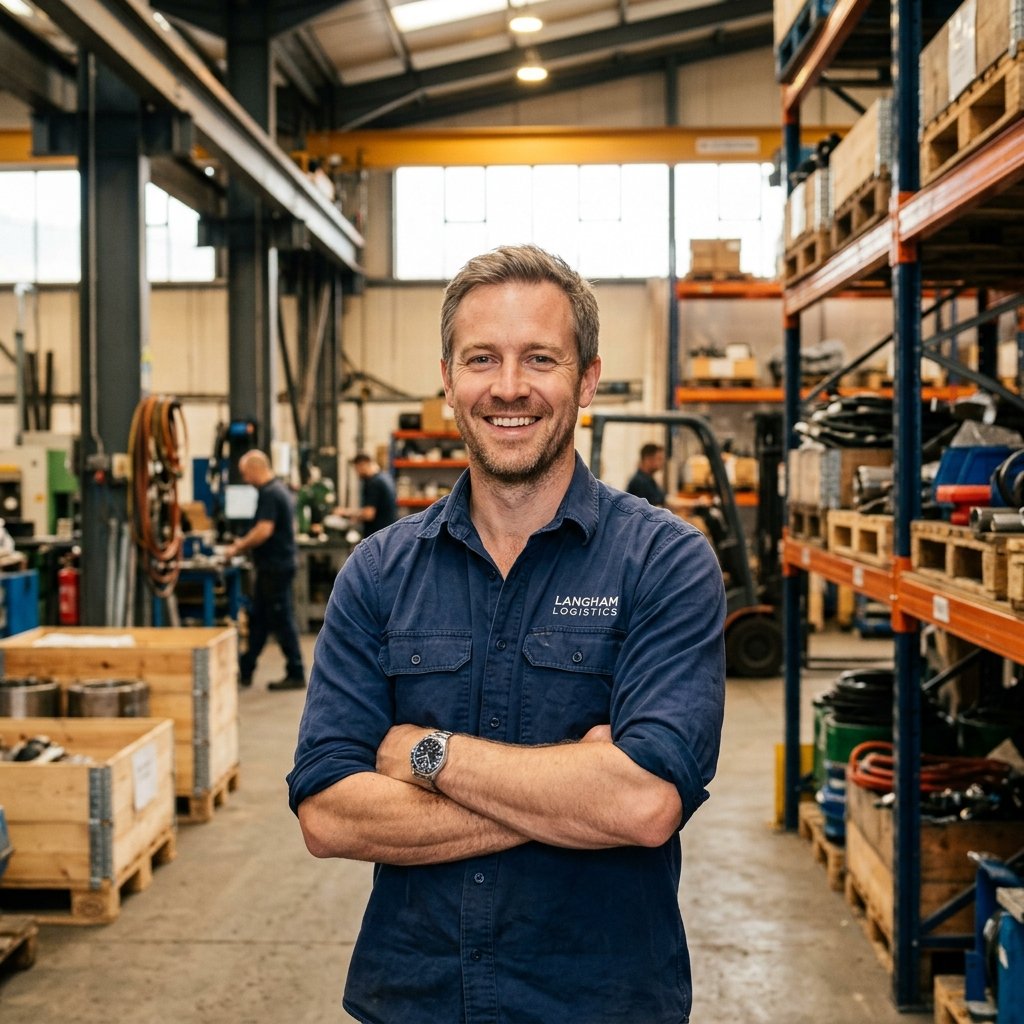
Callum Langham
Founder & Technical Storage Editor
Callum Langham is the founder and technical editor of Rack System. With over 12 years of hands-on field experience in warehouse logistics, garage organization, and industrial storage installations, Callum specializes in engineering safety standards, beam load calculations, and OSHA/RMI compliance. Every guide on Rack System is audited against verified steel gauge tolerances and municipal building codes.