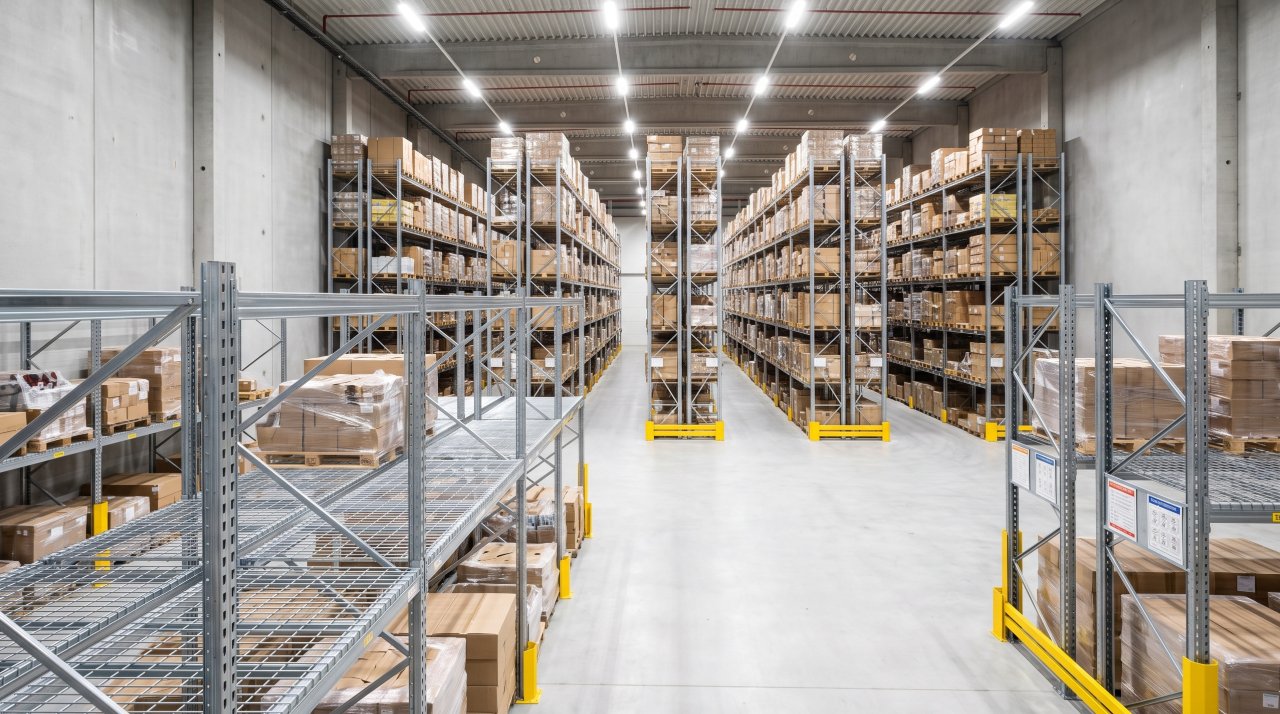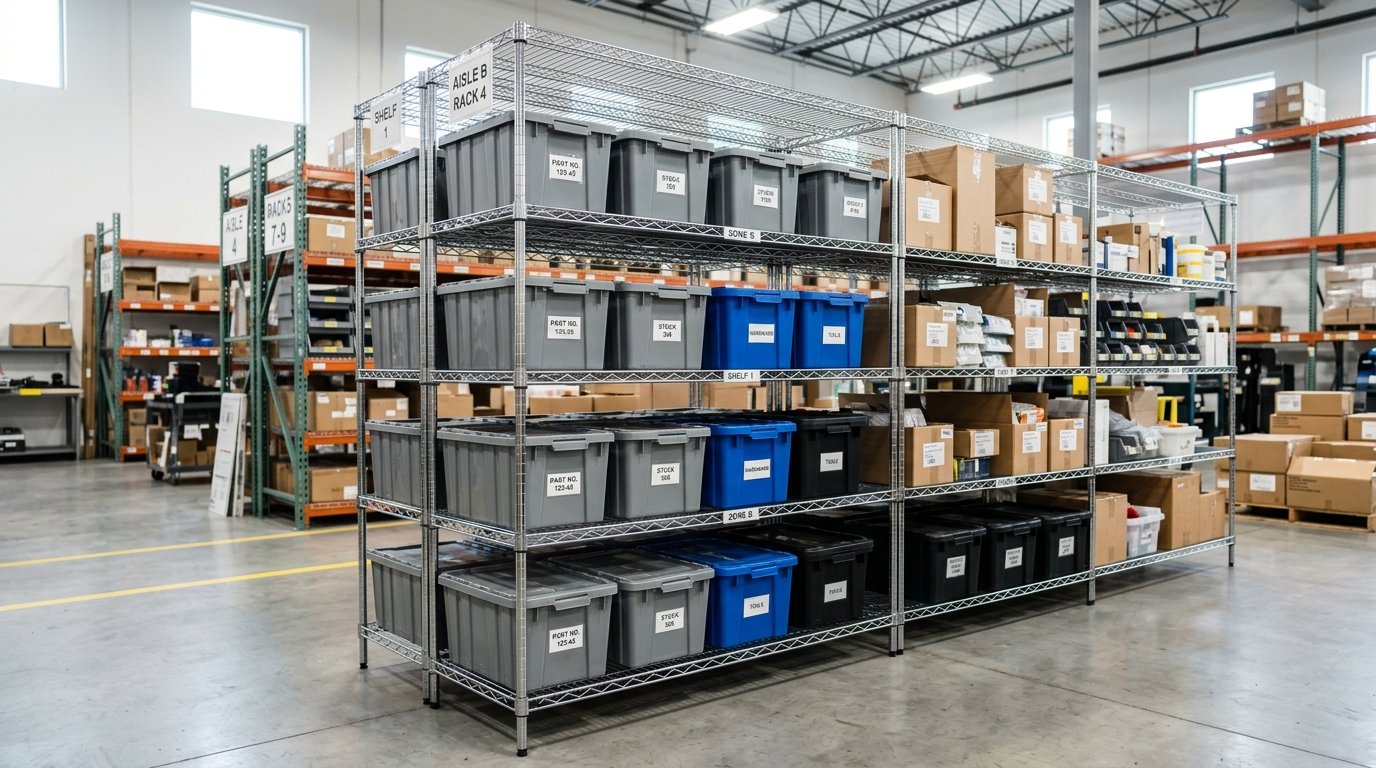
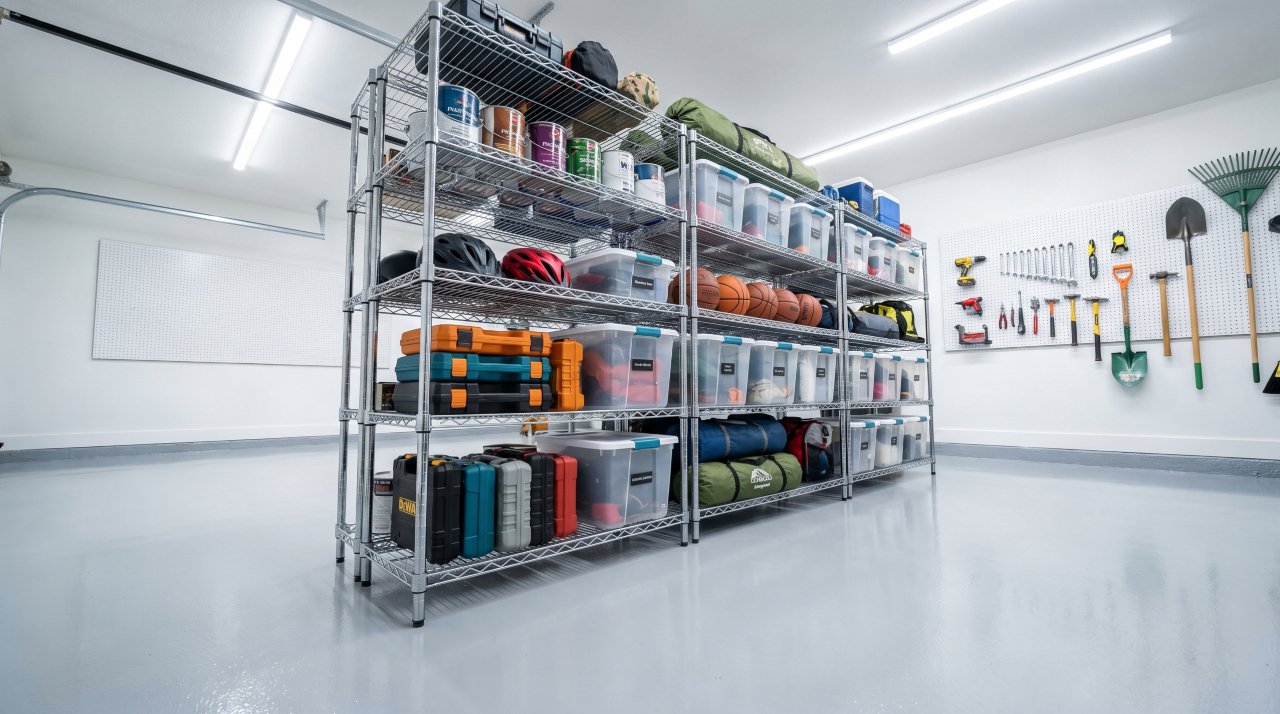
Heavy duty pallet shelving gives warehouses, workshops, garages, and stockrooms a safe way to store bulky goods off the floor. It can hold pallets, cartons, tools, machinery parts,. And other heavy loads, but the system must match the load, the building, and the way your team works.
The wrong shelving can waste floor space, slow picking, and create serious safety risks. Before you buy, check the load rating, shelf size, frame height, access needs, and floor condition. You’ll also need to plan for forklift movement, pallet dimensions, building clearance, and future stock changes.
This guide explains how heavy duty pallet shelving works. rack type fits different storage tasks, how to size a system, and how to keep it safe for daily use.
What Is Heavy Duty Pallet Shelving?
Heavy duty pallet shelving is a steel storage system built to support large, heavy, or high-volume loads. It usually has upright frames, horizontal beams, decking, braces, and protective accessories. Pallets sit on the beams or decking, leaving clear floor space below and creating several storage levels above.
Many people use “pallet shelving” and “pallet racking” to describe the same type of system. In practice, pallet racks are often designed for forklift access. And pallet storage, while heavy duty shelving can also refer to hand-loaded steel shelves.
The right term depends on the system design and the way goods are loaded.
A typical system includes these parts:
- Upright frames: Vertical steel supports that carry the load down to the floor.
- Beams: Horizontal members that hold pallets or shelf panels.
- Decking: Steel panels, timber boards, wire mesh, or other surfaces placed across beams.
- Bracing: Horizontal and diagonal members that keep frames stable.
- Row spacers: Connectors used between back-to-back rack rows.
- Guards: Barriers that help protect uprights from forklifts and pallet trucks.
Heavy duty shelving is different from light domestic shelving. It needs rated components, secure connections, a level floor, and a layout that leaves enough room for people and equipment. You shouldn’t judge capacity by appearance alone.
Two racks may look similar but have very different load limits.
Key Benefits for Busy Storage Areas
More storage in the same footprint
Vertical storage makes use of space above the floor. A warehouse with high ceilings can often add several storage levels without extending the building. This can reduce floor congestion and give staff clearer routes between storage rows.
Height still needs careful control. Check sprinkler clearance, lighting, roof structures, fire exits, doors, and lifting equipment before you select a tall system. Local building rules may also set limits for rack height and seismic design.
Better stock access
Selective pallet shelving gives direct access to each pallet location. Staff can reach one product without moving other stock. This suits warehouses with many product lines, changing stock levels, or frequent picking activity.
Other rack types store more pallets in a smaller area, but they may reduce direct access. Your choice should reflect how often stock moves and how much product variety you carry.
Stronger load support
Steel frames and beams can support loads that would damage standard shelving. A properly specified system can handle pallets of boxed goods, construction materials, machine parts, drinks, or industrial supplies.
The load rating depends on beam length, frame height, steel profile, shelf level, pallet weight, and the spacing between levels. Never assume that a higher rack has the same rating as a lower rack.
Easy stock visibility
Open rack designs let staff see labels, pallet positions, and stock condition from the aisle. This helps with counting, replenishment, and picking. Clear labels on each bay can reduce errors and make stock checks faster.
Choosing the Right Rack Type
Selective, drive-in, and push-back racks all store pallets, but they work in different ways. The best choice depends on product variety, stock rotation, available floor space, and the equipment used in the building.
| Rack type | Access | Storage density | Best use | Main drawback |
|---|---|---|---|---|
| Selective pallet racks | Direct access to each pallet | Medium | Many product lines and regular picking | Uses more aisle space |
| Drive-in pallet racks | Forklift enters the rack lane | High | Large quantities of the same product | Limited access and stricter loading rules |
| Push-back pallet racks | Front access, pallets roll on carts | High | Several pallets per product with good selectivity | Higher cost and more moving parts |
Selective pallet racks
Selective racks are the most flexible option for many warehouses. Each pallet position has its own aisle-facing access point. Forklifts can load and remove pallets without moving nearby stock.
Choose selective racks when you carry many product types, need regular stock rotation, or pick individual pallets throughout the day. They’re also easier to change when your inventory changes. Beams can often be moved to different levels, but the new layout must still meet the manufacturer’s load rating.
The trade-off is lower storage density. Wide aisles and clear forklift access take up more floor area than compact systems. A layout review can help you balance access against capacity.
Drive-in pallet racks
Drive-in racks create deep storage lanes. A forklift enters the lane and places pallets on support rails. This removes many aisles and can provide high storage density.
Drive-in systems work best for large quantities of the same product, especially goods stored in batches. They’re less suitable for many different stock keeping units because the. First pallet placed in a lane may be the last one removed.
Forklift operators need clear training because the truck enters the rack structure. Pallets must be compatible with the rail spacing, and loads must be placed evenly. Damaged rails or uprights need immediate attention.
Push-back pallet racks
Push-back racks use carts or rollers inside each lane. A forklift places a new pallet at the front, then pushes earlier pallets deeper into the lane. When a pallet is removed, the next pallet moves forward.
This design provides good density while keeping forklift traffic at the aisle. It suits warehouses that store several pallets of the same product. But still need access to different products from the front.
Push-back racks cost more than basic selective racks and need regular checks of carts, rails, stops, and wheels. Load sequencing matters, and workers must follow the supplier’s loading instructions.
How to Size Heavy Duty Pallet Shelving
Start with the load
Record the weight of every pallet type you plan to store. Include the pallet, packaging, wrapping, and any uneven weight distribution. Use the heaviest planned load for the design, not the average load.
Also record pallet dimensions. A standard pallet may differ in length, width, height, or board design from the pallets used by your suppliers. A pallet that overhangs a beam or contacts a frame can create a serious problem.
Check bay capacity
Rack capacity usually applies to a complete bay, a pair of beams, or a specific shelf level. Ask the supplier to state the permitted load for each level and the full bay. A rack with three levels may have a different rating from a rack with four levels.
Load ratings often depend on the distance between beams and the height of the first beam above the floor. Changing either measurement can change the capacity. Don’t move beams without confirming the new rating.
Measure the available height
Measure from the finished floor to the lowest obstruction above the proposed rack. Check lights, pipes, ducts, sprinklers, doors, roof slopes, and lifting equipment. Leave working clearance above each stored pallet.
Keep required clearance below fire protection equipment and follow local fire safety rules. A rack supplier, fire protection contractor, or building inspector can help confirm the layout before installation.
Plan aisle width
Aisle width must suit the forklift or pallet truck used on site. Counterbalance forklifts need more room than reach trucks. Turning space, pallet overhang, traffic flow, and pedestrian crossings also affect the layout.
Ask the equipment supplier for the truck’s working aisle requirement. Don’t copy a rack layout from another warehouse unless the handling equipment is the same.
Review the floor
Heavy duty pallet shelving transfers large loads into a small number of floor points. The slab must support the rack, stored goods, and moving equipment. It also needs to be level enough for stable installation.
Check for cracks, joints, drains, slopes, weak areas, and underground services. Rack feet may need special positioning near floor joints. Anchors must suit the concrete thickness and condition.
Safety Rules for Installation and Use
Safe storage starts with a proper design and continues with daily checks. OSHA provides workplace material handling requirements in its materials handling and storage standard. Use the rules that apply to your site, then add the supplier’s instructions and local requirements.
Install on a level surface
Frames should stand plumb, beams should lock into place, and anchors should be installed as specified. Don’t cut, drill, weld, or modify rack parts without written approval from the manufacturer or a qualified engineer.
Protect the uprights
Forklift impact is a common cause of rack damage. Use column guards, end-of-aisle barriers, bollards, and clear traffic markings. Keep pallets from sticking into aisles or blocking emergency routes.
Train every operator
Workers need training on load limits, pallet placement, safe forklift movement, damaged components, and reporting procedures. New staff should learn the site layout before they handle loads in high rack areas.
Inspect on a set schedule
Carry out quick visual checks during normal work and record formal inspections at planned intervals. Look for:
- Bent or twisted uprights
- Damaged beams or missing locking pins
- Loose anchors or broken braces
- Deformed decking or support rails
- Overloaded or badly positioned pallets
- Impact marks near aisle ends
- Missing labels or unreadable capacity signs
Quarantine damaged bays until a qualified person checks them. Don’t straighten a damaged upright with a forklift. This can weaken the steel and make the damage harder to see.
The Rack Manufacturers Institute publishes rack safety information and technical resources through its official RMI materials. Manufacturer instructions still take priority for the exact rack model installed at your site.
Accessories That Improve Storage
Wire decking
Wire decking supports loose cartons and helps stop items from falling through open beams. It also lets light and sprinkler water pass through the rack levels. Confirm the deck rating before storing heavy loads.
Steel shelf panels
Steel panels create a solid surface for small parts, drums, boxes, and items that don’t sit safely on beams. They’re useful in mixed storage areas where some goods arrive on pallets and others are hand loaded.
Backstops and pallet supports
Backstops help keep pallets from being pushed too far into a bay. Pallet supports add support beneath pallets when the pallet design or beam spacing requires it. These parts must be sized for the rack and the load.
Row spacers
Back-to-back rows may need spacers to maintain the correct gap. The gap helps prevent pallet contact and supports a consistent rack layout. Follow the supplier’s spacing instructions rather than setting the gap by eye.
Labels and signs
Place load notices where forklift operators can see them from the aisle. Show the maximum load per level and bay, plus any special loading rules. Mark each location with a clear code to support stock control.
When to Use Heavy Duty Shelving
Heavy duty pallet shelving suits many storage settings, including:
- Warehouses holding boxed goods on pallets
- Workshops storing motors, tools, and machine parts
- Building supply stores handling timber, hardware, or fittings
- Distribution centers with frequent pallet movement
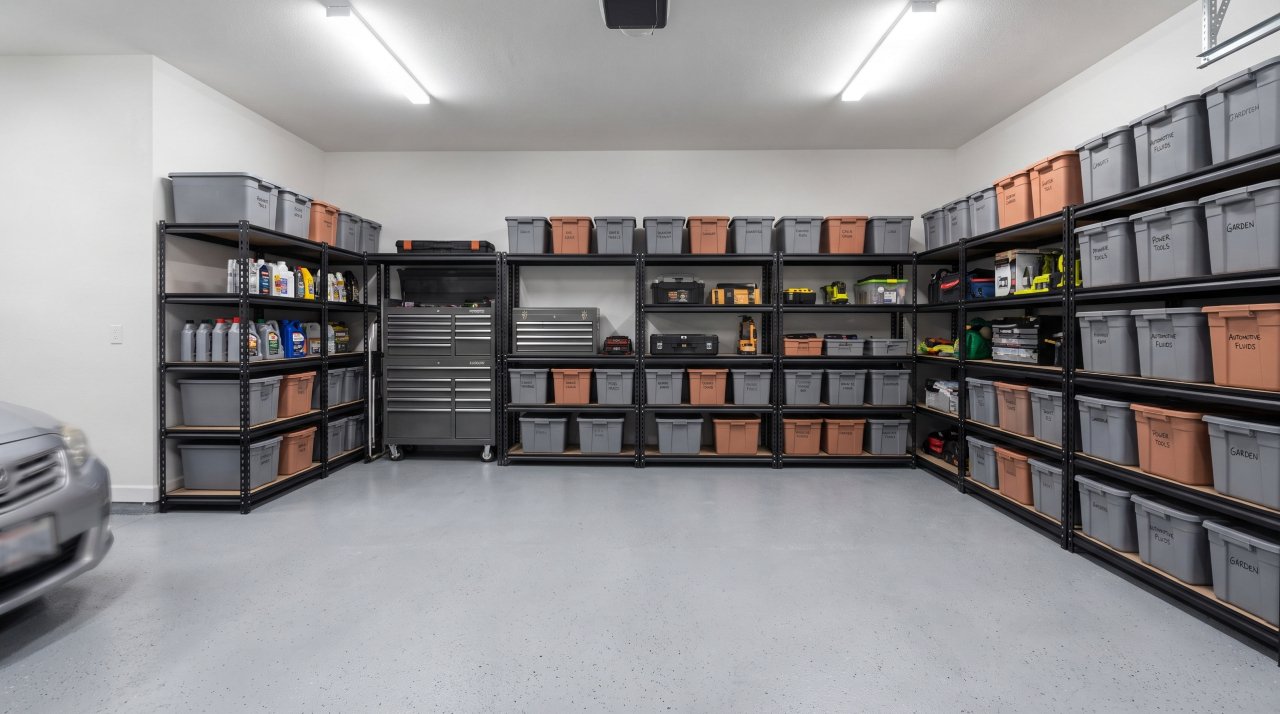
- Garages storing equipment, spare parts, and seasonal items
- Manufacturing sites holding raw materials and finished goods
For a broader look at system design, read this guide to a heavy duty racking system. If you’re planning storage in a workshop. Or home garage, this guide to heavy duty storage racks covers several useful points before you order.
Buying Checklist
Ask the supplier for clear answers to these questions:
- What is the maximum load per shelf or beam level?
- What is the maximum load for the complete bay?
- What pallet size and weight does the rating cover?
- How does the rating change if beam levels move?
- What aisle width does the forklift require?
- Does the system need floor anchors?
- What decking or pallet supports are included?
- Are column guards and end barriers available?
- Can the system be extended later?
- What inspection and maintenance guidance comes with the rack?
Get a drawing that shows rack height, bay width, aisle width, beam levels, clearances, guards, and walkways. Review it with the people who’ll use the area every day. They can spot blocked doors, awkward picking routes, and traffic conflicts before the system arrives.
Frequently Asked Questions
How much weight can heavy duty pallet shelving hold?
Capacity varies by design. Frame height, beam length, beam profile, shelf spacing, pallet size, and floor conditions all affect the rating. Check the manufacturer’s load label and product documentation.
Never use a visual guess or a rating from a different rack model.
Can I install pallet shelving on any concrete floor?
No. The floor must support the combined rack, load, and equipment weight. It should also be suitable for the anchor type and rack layout.
Check slab thickness, joints, cracks, slopes, and local building requirements before installation.
Which rack type gives the best storage density?
Drive-in and push-back racks usually provide greater density than selective racks because they reduce aisle space. Drive-in suits large batches of the same product. Push-back gives front access to several pallets in a lane.
Selective racks use more aisle space but provide the easiest access to each pallet.
How often should pallet shelving be inspected?
Workers should report damage as soon as they see it, and supervisors should make routine visual checks during normal operations. A formal inspection schedule should follow the rack supplier’s guidance, site risks, and local rules. Any damaged bay should be unloaded and isolated until it’s assessed.
Final Buying Advice
Heavy duty pallet shelving works best when the system matches the stock, equipment, building, and work routine. Start with accurate pallet weights and sizes. Then plan the height, aisle space, floor loading, protection, and inspection process.
Selective racks suit varied stock and direct access. Drive-in racks suit high-volume batches. Push-back racks offer dense storage with front loading and unloading.
Whichever system you choose, use rated components, install them correctly, and train staff to load and inspect them safely.

Callum Langham
Founder & Technical Storage Editor
Callum Langham is the founder and technical editor of Rack System. With over 12 years of hands-on field experience in warehouse logistics, garage organization, and industrial storage installations, Callum specializes in engineering safety standards, beam load calculations, and OSHA/RMI compliance. Every guide on Rack System is audited against verified steel gauge tolerances and municipal building codes.