Bulk Storage Racking: Heavy Duty Density & Layout Guide
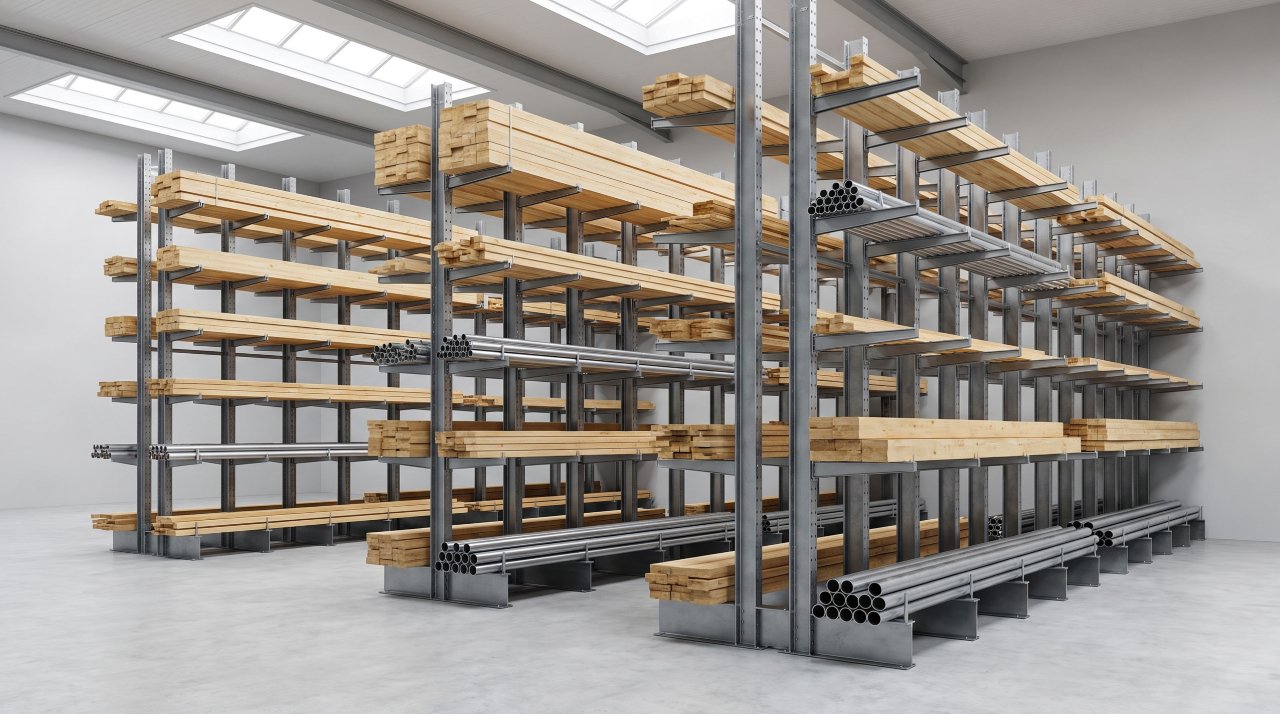
Bulk storage racking systems are engineered specifically to accommodate heavy, bulky, non-palletized inventory that exceeds standard commercial shelving dimensions. From wide-span hand-load bays to high-density push-back and pallet flow systems, bulk storage racking transforms underutilized warehouse volume into structured, accessible storage capacity.
Failing to implement proper bulk storage architecture leads to floor congestion, unorganized stacking, product crushing, and dangerous aisle blockages. Warehouse managers must analyze inventory throughput speed, case dimensions, unit weights, and pick methods before selecting a bulk racking configuration.
This comprehensive guide details wide-span bulk shelving, high-density gravity flow systems, structural load calculations, and floor layout strategies for heavy industrial operations.

1. Wide-Span Bulk Storage Racking vs. Standard Pallet Racking
Understanding the distinction between wide-span bulk racks and standard pallet racks is critical for facility equipment planning.
Wide-Span Bulk Shelving
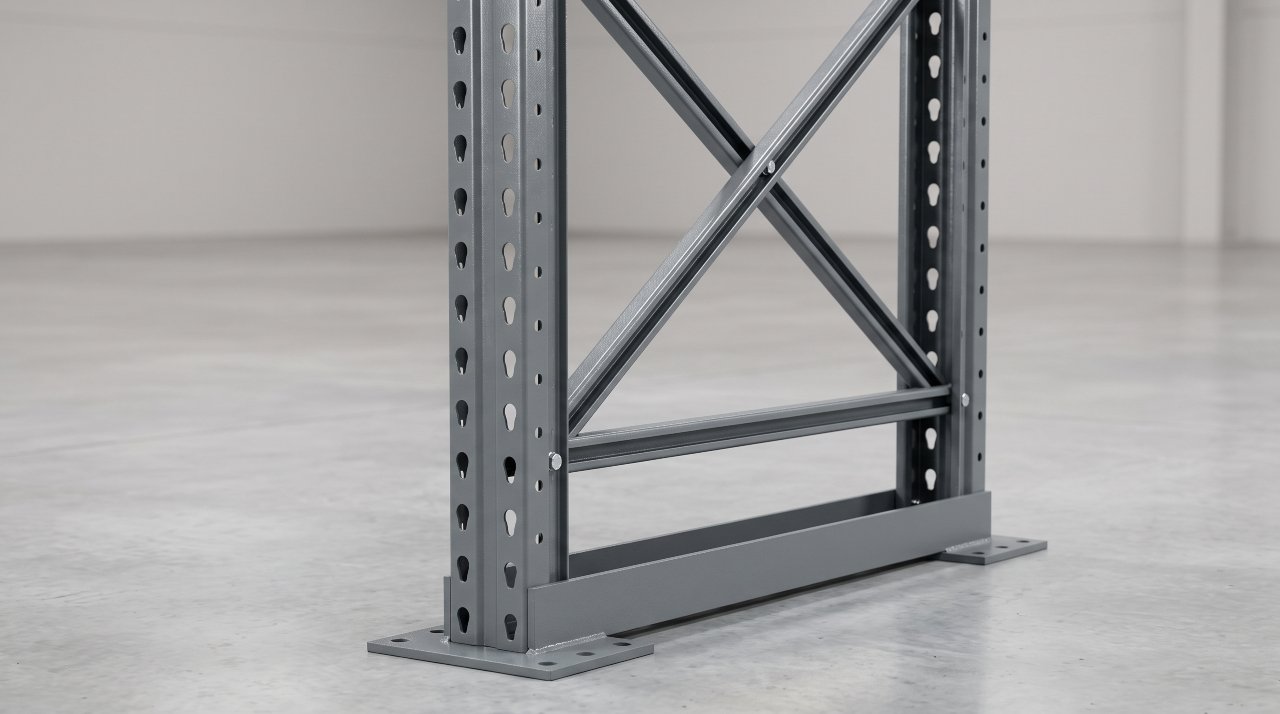
Wide-span bulk shelving features heavy-duty steel step beams spanning 4 to 8 feet wide without intermediate upright posts. Key characteristics include:
- Manual Hand-Loading Access: Designed for workers loading heavy cartons, equipment cases, or long items by hand or using hand trucks.
- High Deck Load Capacities: Heavy step beams paired with wire decking or steel drop-in panels support 1,000 to 2,500 lbs per beam level.
- Tool-Free Beam Adjustment: Connector claws allow quick shelf height reconfiguration as inventory sizes change.
For more details on heavy structural framing, read our guide to industrial storage racks.
Standard Pallet Racking Integration
Pallet racking is designed specifically for forklift loading of 40×48-inch wooden pallets. While pallet racking can store bulk goods, wide-span shelving provides lower step-beam profiles that maximize vertical hand-pick space. Compare selective frame designs in our pallet racking system overview.
2. High-Density Bulk Racking Configurations
When floor space is restricted, specialized high-density bulk systems eliminate unnecessary pick aisles.
For deep lane bulk storage, push-back carts and drive-in rails increase floor utilization by up to 75 percent. Learn about LIFO rail mechanics in our drive-in racking system guide.
3. Decking Selection for Bulk Storage Racks
The decking material supports heavy inventory across the wide horizontal beam span. Selecting appropriate decking prevents sagging and ensures fire code compliance.
- Flanged Wire Mesh Decking: Heavy 4-gauge steel wire grid resting on step beams. Provides fire sprinkler water penetration, eliminates dust collection, and supports up to 2,500 lbs UDL.
- Galvanized Steel Panels: Heavy-gauge steel deck panels that drop into beam steps. Highly resistant to chemical spills, grease, and heavy point loads.
- Particle Board Decks: Economical 5/8-inch wood panels resting on support bars. Best suited for dry, low-humidity storage areas.
4. Load Capacity Math and Beam Deflection Rules
Bulk rack capacity is rated under a Uniformly Distributed Load (UDL). According to RMI Industrial Steel Storage Standards and OSHA General Material Handling Standards, maximum vertical beam deflection cannot exceed beam length divided by 180 (L/180). On a 96-inch wide bulk span, maximum allowable deflection is 0.53 inches under full rated load.
Frequently Asked Questions
What is the difference between pallet racking and bulk storage racking?
Pallet racking requires forklifts to load 40×48 skids, whereas bulk storage racking features wide open spans designed for manual or hand-truck loading of heavy loose items.
How do support bars prevent bulk shelf sagging?
Steel support bars lock perpendicularly across front and rear step beams underneath the decking, preventing horizontal beam spreading under heavy center loads.
What is the maximum height for freestanding bulk storage racks?
Freestanding bulk racks can reach 12 to 16 feet high. Any unit exceeding a 4-to-1 height-to-depth ratio must be anchored to concrete slabs or secured to building wall columns.
Optimizing Industrial Bulk Storage
Implementing a structured bulk storage racking layout eliminates floor clutter, accelerates pick times, and protects heavy inventory from compression damage. By calculating step beam capacities and selecting open wire decking, facilities maintain a safe, high-density storage environment.

Callum Langham
Founder & Technical Storage Editor
Callum Langham is the founder and technical editor of Rack System. With over 12 years of hands-on field experience in warehouse logistics, garage organization, and industrial storage installations, Callum specializes in engineering safety standards, beam load calculations, and OSHA/RMI compliance. Every guide on Rack System is audited against verified steel gauge tolerances and municipal building codes.