Quick Answer: ClosetMaid Wire Shelving Selection & Load Capacity
ClosetMaid wire shelving is manufactured from cold-drawn steel rods welded into rigid deck grids and coated with resilient polyvinyl chloride (PVC) or epoxy. The system is available in two mounting configurations: traditional Fixed Mount (plastic wall clips and diagonal support braces) and the heavy-duty ShelfTrack system (horizontal steel hang tracks, slotted vertical standards, and cantilever brackets). Fixed Mount installations into standard 1/2-inch drywall anchors hold between 35 and 50 pounds per linear foot. Upgrading to the ShelfTrack system with direct wood stud anchoring increases safe load capacity to 100 to 150 pounds per linear foot of uniformly distributed load. Choosing between standard 1-inch wire spacing (SuperSlide) and 5/8-inch wire spacing (Close Mesh) prevents stored bottles and small cans from tipping over.
Key Takeaways
- Fixed Mount vs. ShelfTrack: Fixed mount hardware uses drywall anchors rated for lightweight bedroom closets, while ShelfTrack transfers cantilever loads directly into wood wall studs for pantry and utility storage.
- Close Mesh for Small Items: Always select Close Mesh 5/8-inch wire deck spacing for pantries and linen closets to prevent canned goods and toiletries from tilting or dropping through the rods.
- The 36-Inch Support Bracket Span: Diagonal wall braces on fixed mount installations must never exceed 36 inches apart; exceeding this distance causes mid-span steel rod deflection under modest loads.
- Mandatory Protective End Caps: Whenever you trim wire shelves using bolt cutters, press vinyl end caps over exposed raw cut steel ends to prevent snagging clothing or oxidation in humid rooms.
The Engineering Behind ClosetMaid Wire Shelving
Wire shelving remains the most widely installed closet and utility storage format in residential construction. Homeowners often view wire shelving as a basic commodity, yet substantial engineering differences separate bargain wire racks from certified ClosetMaid systems. For a broader comparison of wire platforms across all brands, read our wire closet shelving weight limits guide.
ClosetMaid systems are manufactured in Ocala, Florida, utilizing cold-drawn industrial steel wire rods. Longitudinal deck wires are resistance-welded to heavier gauge perimeter support bars and front stiffener channels. This lattice structure balances tensile strength with minimal material dead weight.
After structural welding, the raw steel frames are immersed in a fluid bed of polyvinyl chloride (PVC) powder or electrostatically coated with durable epoxy. This heavy vinyl coating creates a smooth, impact-resistant exterior that resists chipping, yellowing, and rust in high-humidity laundry rooms and walk-in pantries.
Wire Deck Spacing: SuperSlide vs. Close Mesh vs. TotalSlide
Selecting the incorrect wire deck profile is the single most common specification mistake homeowners make. ClosetMaid manufactures three primary deck configurations, each engineered for distinct household storage demands:
- SuperSlide (Standard 1-Inch Spacing): Features longitudinal deck wires spaced exactly 1 inch apart. It is paired with a continuous hanging rod hardware kit that allows coat hangers to glide freely across the entire closet span without catching on support brackets.
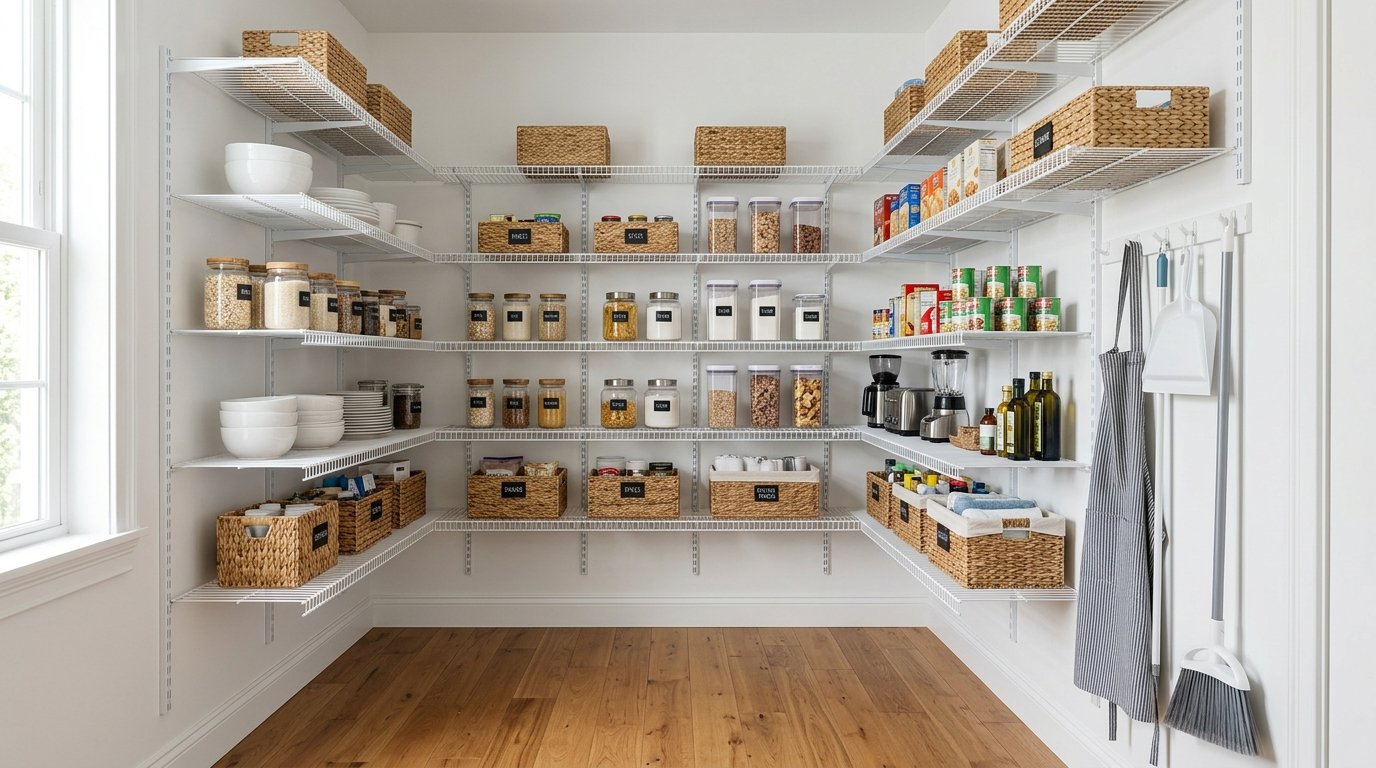
- Close Mesh (Tight 5/8-Inch Spacing): Uses additional parallel wires spaced just 5/8 inch apart. This tighter grid increases deck surface contact area by over 35%, ensuring spice jars, small cans, syrup bottles, and perfume bottles sit completely flat without tipping.
- TotalSlide / Shelf & Rod (Fixed Integrated Bar): Features an integrated front drop lip that acts directly as a clothes hanger bar. While cost-effective, coat hangers cannot slide past the factory-welded diagonal support brackets.
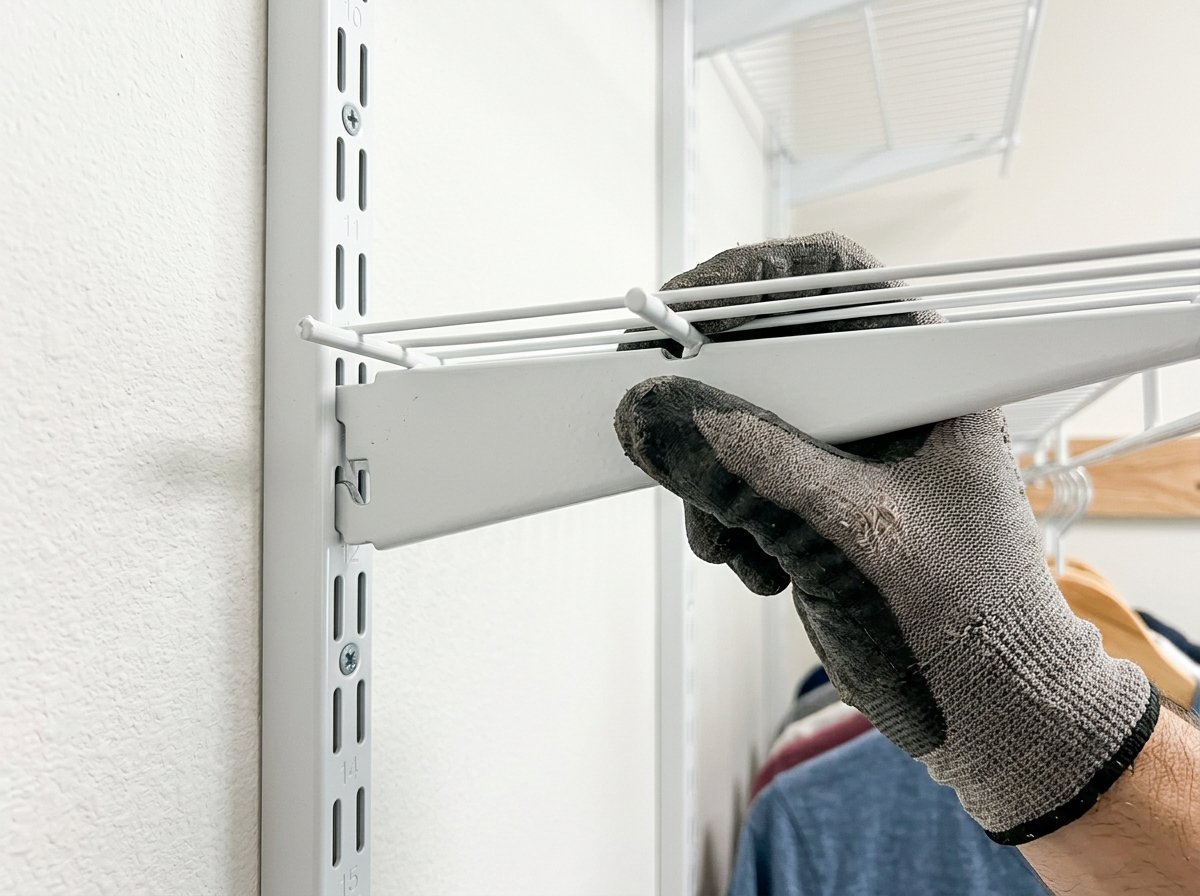
Mounting System Comparison: Fixed Mount vs. ShelfTrack
How you mount wire shelving to your drywall determines whether your installation lasts thirty years or rips out of the wall under heavy winter coats. To evaluate free-standing options against wall systems, explore our wire rack shelving types and load guide.
ClosetMaid offers two primary wall anchoring architectures: traditional Fixed Mount and adjustable ShelfTrack. Understanding the mechanical differences between these systems ensures your wall framing can carry your intended storage payload.
Fixed Mount Architecture
Fixed Mount utilizes individual plastic back-wall clips, side wall end brackets, and diagonal steel support braces. Back-wall clips are spaced every 12 inches along the rear wall, secured using plastic expansion anchors and drive pins.
Diagonal steel support brackets anchor into drywall every 36 inches, bracing the front edge of the shelf back to the wall stud or anchor. Because each shelf position is permanently drilled into the sheetrock, adjusting shelf height requires patching drywall holes and remounting brackets.
ShelfTrack Hang Track Architecture
The ShelfTrack system replaces fragile individual drywall clips with an engineered horizontal steel hang track. You screw the heavy-gauge top track directly into every wood wall stud along the closet perimeter using 2-inch structural wood screws.
Slotted vertical standards hang vertically from the top track, requiring only minimal lower drywall stabilization screws. Heavy-gauge steel cantilever brackets then snap into the standard slots at 1-inch height increments, allowing you to reconfigure shelf heights as storage needs evolve.
ClosetMaid Wire Shelving Specification & Load Rating Table
Load capacities depend heavily on the mounting hardware selected, bracket spacing, and the structural backing behind the drywall. For broader industrial specifications, consult our wire shelving racks sizing and safety guide.
| Hardware System | Deck Wire Spacing | Available Depths | Drywall Anchor Load | Wood Stud Fastened Load | Ideal Household Application |
|---|---|---|---|---|---|
| Fixed Mount SuperSlide | 1.0 Inch | 12″, 16″ | 35 lbs / linear ft | 65 lbs / linear ft | Bedroom hanging closets, linen closets |
| Fixed Mount Close Mesh | 0.625 Inch (5/8″) | 9″, 12″, 16″, 20″ | 40 lbs / linear ft | 75 lbs / linear ft | Pantry shelving, craft supply rooms |
| ShelfTrack SuperSlide | 1.0 Inch | 12″, 16″ | 50 lbs / linear ft | 110 lbs / linear ft | Adjustable kids closets, master suites |
| ShelfTrack Close Mesh | 0.625 Inch (5/8″) | 12″, 16″, 20″ | 60 lbs / linear ft | 130 lbs / linear ft | Heavy bulk food pantries, laundry soap storage |
| ExpressShelf Heavy-Duty | Continuous Solid Lip | 12″, 14″ | 75 lbs / linear ft | 150 lbs / linear ft | High-volume commercial multi-family housing |
Note: All weight capacities represent Uniformly Distributed Loads (UDL). Concentrating 100 pounds onto a single 6-inch point on a wire shelf will distort the resistance welds even if total shelf capacity remains unexceeded.
Structural Fastening: Why Drywall Anchors Fail
The primary reason residential wire shelves collapse is misplaced confidence in plastic hollow-wall drywall anchors. Standard 1/2-inch gypsum board possesses low tensile pull-out strength. When heavy coats, cast iron cookware, or bulk detergent jugs sit near the outer front edge of a 16-inch shelf, the cantilever creates substantial leverage against the top wall fasteners.
According to structural fastening guidelines maintained by the American National Standards Institute (ANSI) specifications, cantilever bracket geometry multiplies outward pull-out tension significantly. For every pound placed on the outer edge of a 16-inch shelf, the upper wall fastener experiences more than 1.5 times that force in direct withdrawal tension.
Whenever installing wire shelving designed to hold heavy loads, locate your 16-inch or 24-inch on-center wall studs with a quality magnetic or deep-scanning stud finder. Securing your mounting brackets directly into solid wood studs transforms a fragile sheetrock setup into an industrial-strength assembly.
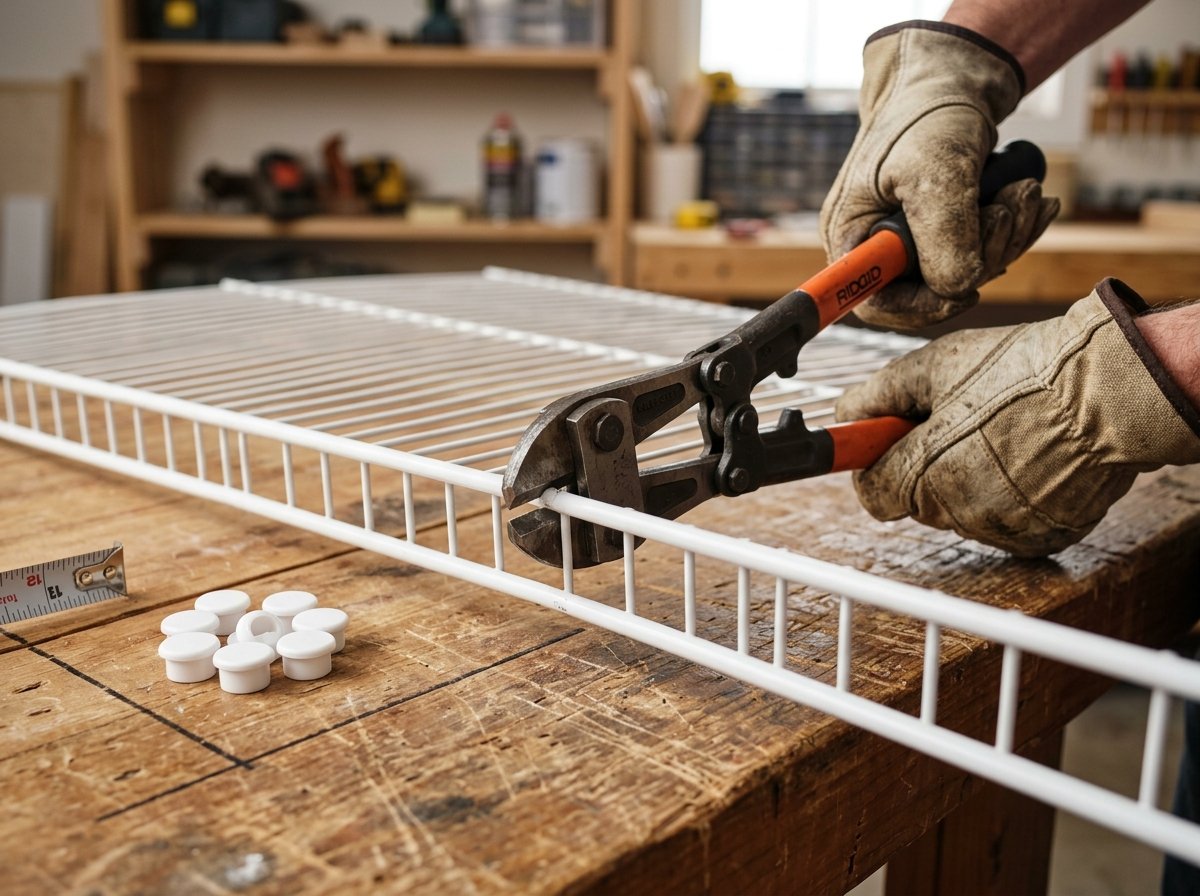
Step-by-Step Installation Protocol
Installing ClosetMaid wire shelving requires straightforward hand tools and careful measurement. Follow these practical steps to guarantee a secure, level installation that meets OSHA 1910.176 general requirements for materials storage.
Step 1: Layout, Marking & Stud Identification
Begin by measuring the height of your storage items. For hanging clothes closets, standard single-hang rods sit 68 to 72 inches from the floor, while double-hang rods sit at 42 inches and 84 inches. Use a 4-foot carpenter level to draw a crisp, level pencil line along the back wall at your desired shelf height.
Run a stud finder across the entire wall span and mark the center of every stud crossing your layout line. In a ShelfTrack installation, your top horizontal track will screw directly into these stud centers.
Step 2: Installing Wall Clips or the Top Hang Track
If installing a Fixed Mount system, place your back-wall clips every 12 inches along the pencil line. Push pins or pre-drill 1/4-inch holes for plastic wall anchors, driving the pins home with a rubber mallet until the clip is firmly seated.
If installing a ShelfTrack system, position the horizontal hang track flush against the ceiling or at your marked height line. Fasten the track into every wood stud using 2-inch number 10 pan-head wood screws. Where studs cannot be reached, insert heavy-duty metal toggle bolts rather than plastic expansion plugs.
Step 3: Trimming Wire Shelves to Custom Width
Closet walls are rarely square, and nominal closet dimensions frequently differ by half an inch from side to side. Measure wall-to-wall width at the exact depth the shelf will occupy, subtracting 1/2 inch to account for side-wall end brackets.
Place the wire shelf on a solid workbench. Use heavy-duty 14-inch bolt cutters or a high-speed hacksaw with a bi-metal blade to cleanly cut through the steel deck and front stiffener rods. Avoid using hand pliers, which crush and strip the vinyl coating.
Step 4: Installing End Caps and Seating the Deck
Cutting steel rods exposes raw core wire. Immediately push ClosetMaid vinyl end caps over every cut wire tip. These plastic caps prevent snagging clothes, protect hands during reach-in access, and seal the bare metal against moisture.
Snap the rear longitudinal wire of the shelf into the back-wall clips or drop the deck onto your ShelfTrack cantilever brackets. Lock the shelf into the front bracket clips until an audible click confirms engagement.
Step 5: Front Support Braces & Final Torque
For Fixed Mount installations, attach diagonal steel support braces to the front shelf lip. Angle the lower bracket tab back to the wall, verify vertical plumb with a torpedo level, and secure the anchor into a stud or heavy-duty drywall anchor. Maintain a maximum spacing of 36 inches between support braces across the entire run.
Common Installation Mistakes & How to Avoid Them
Even skilled DIYers make simple errors when working with modular wire systems. Avoid these five common pitfalls to protect your walls and belongings:
- Skipping End Caps: Raw steel cuts oxidize rapidly in humid laundry rooms and master bathrooms. Bare cut ends will also snag fine fabrics like silk and cashmere.
- Exceeding 36-Inch Bracket Spans: Placing diagonal wall braces 48 inches apart causes the middle of the shelf to bow downward under routine loads, pulling back-wall clips out of the drywall.
- Misjudging Shelf Depth Clearance: A 16-inch deep shelf requires at least 20 inches of total closet door clearance to accommodate hanging clothes hangers without crushing garments against closed doors. For organizing closet interiors, check our closet storage bins sizing guide.
- Over-Torquing Drywall Anchors: Using high-speed impact drivers on plastic drywall clips strips the sheetrock hole, destroying anchor grip before the shelf is ever loaded.
- Neglecting Stud Centers: Fastening top hang tracks into drywall without penetrating studs reduces system load capacity by more than 60%. For heavy wall mounting techniques, review our garage wall shelves stud mounting guide.
Maintenance & Commercial Durability Standards
ClosetMaid wire shelving requires minimal maintenance compared to painted wood or particleboard. Unlike laminate composite boards that absorb moisture, warp, and emit formaldehyde, vinyl-coated steel wire is inert, resistant to mold, and easy to sanitize with standard household cleaners.
When selecting storage systems for commercial storage rooms or residential multi-family housing, consult the equipment standards established by the Material Handling Institute (MHI) storage equipment guidelines. Regularly inspect back clips and bracket connections every two years to ensure building settling has not stressed wall fasteners.
Frequently Asked Questions
Can you cut ClosetMaid wire shelving to any custom length?
Yes. ClosetMaid wire shelving can be cut to fit any exact closet width. The best tool for trimming wire shelving is a 14-inch or 18-inch bolt cutter, which cuts cleanly through cold-drawn steel rods without throwing sparks. You can also use a reciprocating saw or hacksaw equipped with a bi-metal metal-cutting blade. Always smooth any burrs and immediately push ClosetMaid protective vinyl end caps onto all cut wire ends to prevent snagging and corrosion.
What is the difference between ClosetMaid SuperSlide and Close Mesh?
The primary difference is deck wire spacing. SuperSlide wire shelving features deck wires spaced 1 inch apart and is designed for clothing closets where hangers glide smoothly across an integrated horizontal rod. Close Mesh wire shelving features tight 5/8-inch wire spacing, providing over 35% more deck support wires. Close Mesh is specifically engineered for kitchen pantries, linen closets, and laundry rooms to prevent small cans, spice jars, and bottles from tipping over.
How much weight can ClosetMaid wire shelving actually hold?
Safe load capacity depends directly on whether you use Fixed Mount or the ShelfTrack system and whether you anchor into solid wood studs. A standard Fixed Mount shelf installed into 1/2-inch drywall with plastic anchors safely supports 35 to 50 pounds per linear foot. A ClosetMaid ShelfTrack system anchored directly into solid wood studs with 2-inch screws supports between 100 and 150 pounds per linear foot of uniformly distributed load.
Do ClosetMaid support brackets have to go into wall studs?
While ClosetMaid supplies plastic drywall anchors for support braces, anchoring into wood studs is strongly recommended whenever storing heavy items. On Fixed Mount installations, spacing support brackets every 36 inches into drywall anchors provides adequate strength for light folded clothing. For kitchen pantries, heavy tool storage, or utility closets, always align support brackets and ShelfTrack standards with 16-inch or 24-inch on-center wall studs to prevent drywall blowout.

Callum Langham
Founder & Technical Storage Editor
Callum Langham is the founder and technical editor of Rack System. With over 12 years of hands-on field experience in warehouse logistics, garage organization, and industrial storage installations, Callum specializes in engineering safety standards, beam load calculations, and OSHA/RMI compliance. Every guide on Rack System is audited against verified steel gauge tolerances and municipal building codes.