Small business warehouse storage has a direct effect on order speed, stock accuracy, safety, and operating cost. A good layout helps your team find products quickly, use floor space well, and keep receiving and shipping work moving. A poor layout creates blocked aisles, misplaced stock, damaged goods, and wasted labor.
You don’t need a huge building or an expensive automation system to improve storage. Start with the products you carry, the way they move, the equipment your team uses,. And the space your building gives you.
Then select storage equipment that supports those needs. This guide explains the main options, planning steps, safety checks, and cost controls for a small warehouse.

What Small Business Storage Must Do
Your storage system has four basic jobs: hold inventory safely, give workers clear access, support stock rotation,. And make each part of the building useful. These jobs sound simple, but they can conflict.
Dense storage may reduce floor space while making picking slower. Wide aisles may improve access while leaving less room for inventory.
Start by listing your main storage requirements:
- How many pallets, cartons, bins, or long items must you store?
- How much stock arrives each week?
- How many orders does your team picks each day?
- Which products sell quickly?
- Which items need FIFO rotation?
- What are the ceiling height, door sizes, and floor load limits?
- Do forklifts, pallet jacks, carts, or ladders need access?
Use actual sales and inventory data when you can. A storage plan based on guesses often leaves fast-selling products in poor locations. And gives too much space to slow-moving stock.
Measure Before You Buy Equipment
Measure the complete usable area, not just the length and width of the building. Record ceiling height, columns, sprinkler pipes, lights, fire exits, loading doors, office walls, and uneven floor sections. Mark every fixed obstruction on a simple floor plan.
Measure the clear height below lights, beams, pipes, and sprinkler equipment. The roof height may be 20 feet, but the usable rack height may be lower. Leave room for safe pallet placement and maintenance access.
Next, measure your load units. Record pallet length, pallet width, carton size, product weight, and stack height. Add the weight of packaging and pallets.
Racks must be rated for the full load, not just the product inside the carton.
Keep a clear path from receiving to storage and from storage to shipping. Avoid placing fast-moving products at the far end of the building. A few extra steps per order can add many labor hours across a month.
Choose Storage by Product Type
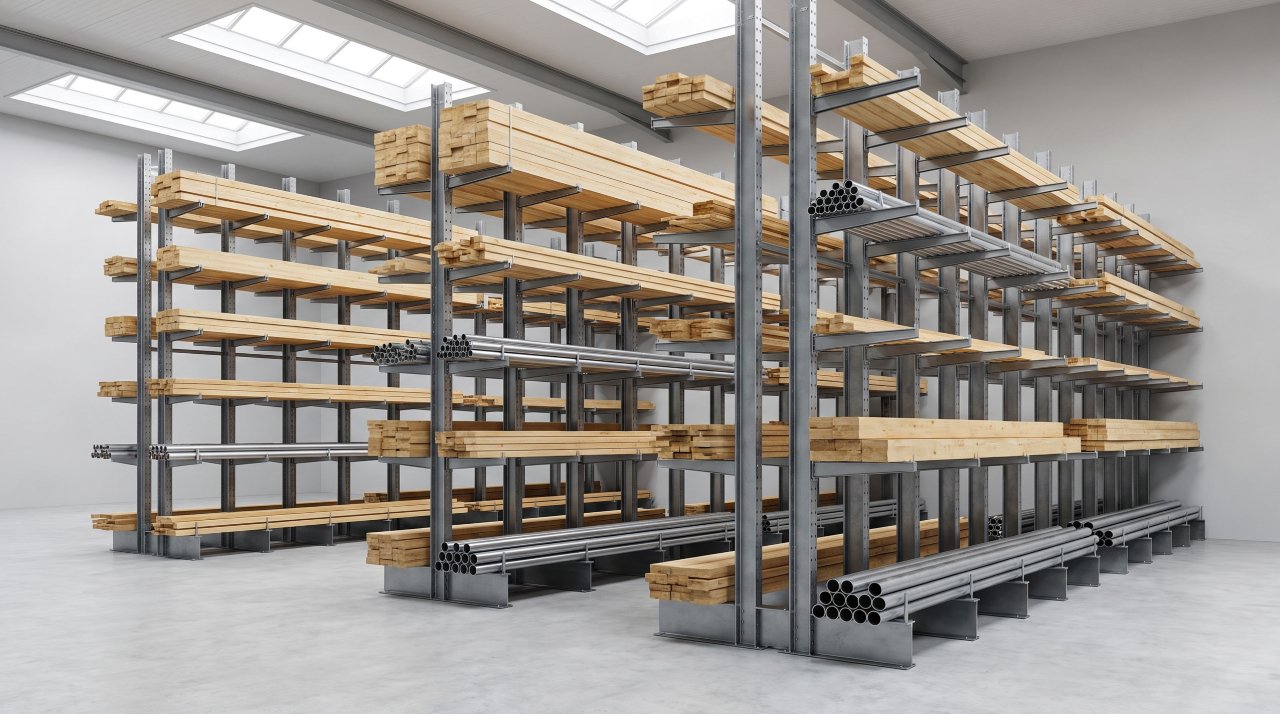
There isn’t one storage solution for every item. Your products may need pallets, shelves, bins, hanging space, or floor locations. Group products by size, weight, sales speed, and handling method.
Pallet Storage
Pallet racks work well for boxed inventory, bulk stock, and reserve goods. They use vertical space and give forklift access to each pallet position. Selective pallet rack is a common choice for smaller operations because every pallet has direct access.
Use lower levels for products picked by hand and upper levels for reserve stock. Place the heaviest pallets at lower levels. Keep rack rows straight, label each location, and leave aisle widths that match your forklift or pallet jack.
Shelf and Bin Storage
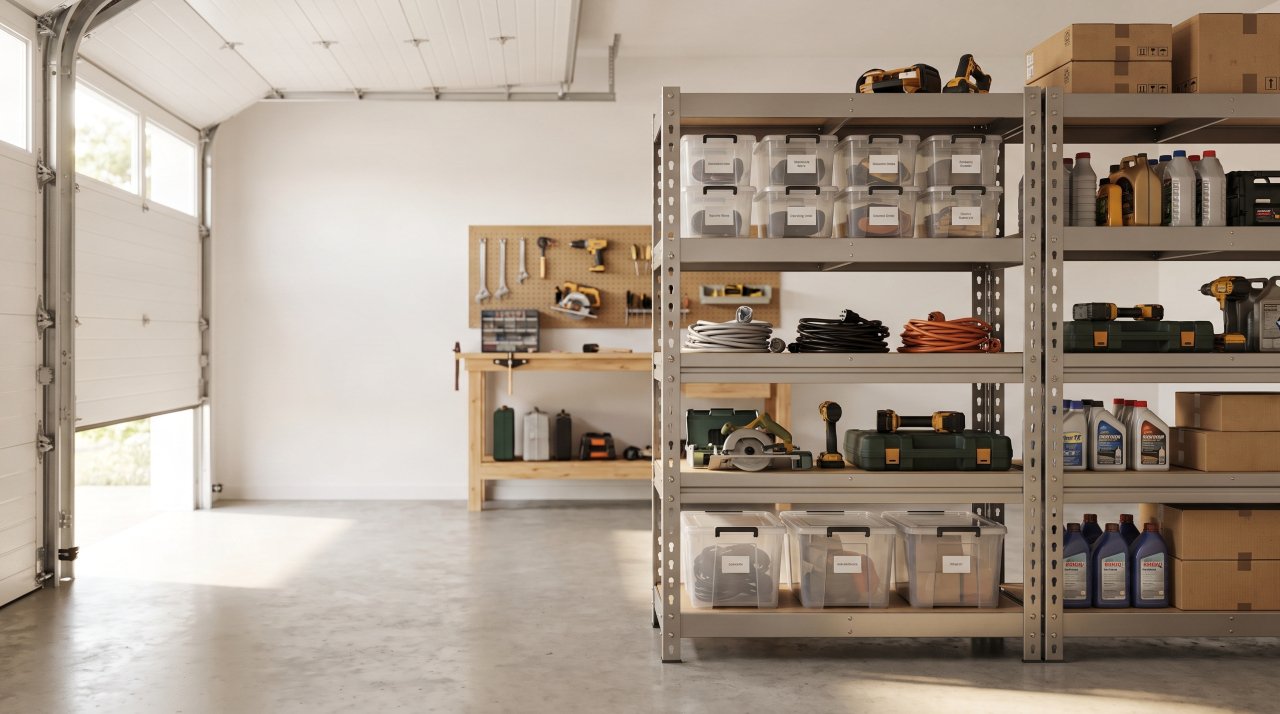
Shelving is useful for small cartons, parts, tools, supplies, and items picked one unit at a time. You can add plastic bins, dividers, labels, and shelf boards to keep small products under control.
Place popular items between knee and shoulder height. This reduces bending and reaching. Store heavy items on lower shelves, and keep fragile items away from busy traffic areas.
Floor Stack Storage
Floor stacking can work for stable products that arrive in uniform pallets or cartons. It has a low equipment cost and makes good use of open floor space. It also limits access because products at the front can block products behind them.
Use floor stacking for reserve stock, seasonal goods, or products with a short storage period. Set a maximum stack height based on product strength, pallet condition, fire rules, and equipment reach. Don’t stack damaged pallets or unstable cartons.
Carton Flow Storage
Carton flow racks use sloped rollers or wheels. Workers load cartons from the back and pick them from the front. New stock moves forward as cartons are removed.
This setup supports strict FIFO rotation and works well for repeat picking.
Carton flow racks need more floor depth than basic shelving. They can still save labor when workers pick many small products throughout the day. Use clear labels and keep each lane assigned to one product or product group.
Compare Common Storage Solutions
The table below gives a quick starting point. Actual capacity depends on building measurements, rack dimensions, product weights, local rules, and the handling equipment you use.
| Storage Solution | Floor Footprint | Vertical Clearance | Inventory Rotation Type |
|---|---|---|---|
| Selective Pallet Rack | Medium footprint | Up to 24 ft vertical | FIFO / LIFO flexible access |
| Industrial Wire Decking | Small footprint | Fits standard racks | High visibility SKU counts |
| Carton Flow Racking | Large footprint | Up to 12 ft vertical | Strict FIFO (first in, first out) |
Plan Your Warehouse Layout
A practical layout usually has five areas: receiving, storage, picking, packing, and shipping. These areas don’t need walls, but each should have a clear purpose. Use floor tape, signs, rack labels, and marked staging zones to define them.
Receiving Area
Place receiving near the loading door. Give new stock enough room for counting, checking, labeling, and sorting. Don’t let inbound pallets sit in travel aisles.
A small staging zone can prevent blocked doors and mixed inventory.
Check each delivery against the purchase order. Record shortages, damaged cartons, and wrong items before they enter storage. Put a hold label on stock that needs review.
Storage Area
Arrange storage by product speed and handling method. Keep fast-moving products close to packing or shipping. Group products that are often ordered together.
Keep similar-looking items in separate, clearly marked locations to reduce picking mistakes.
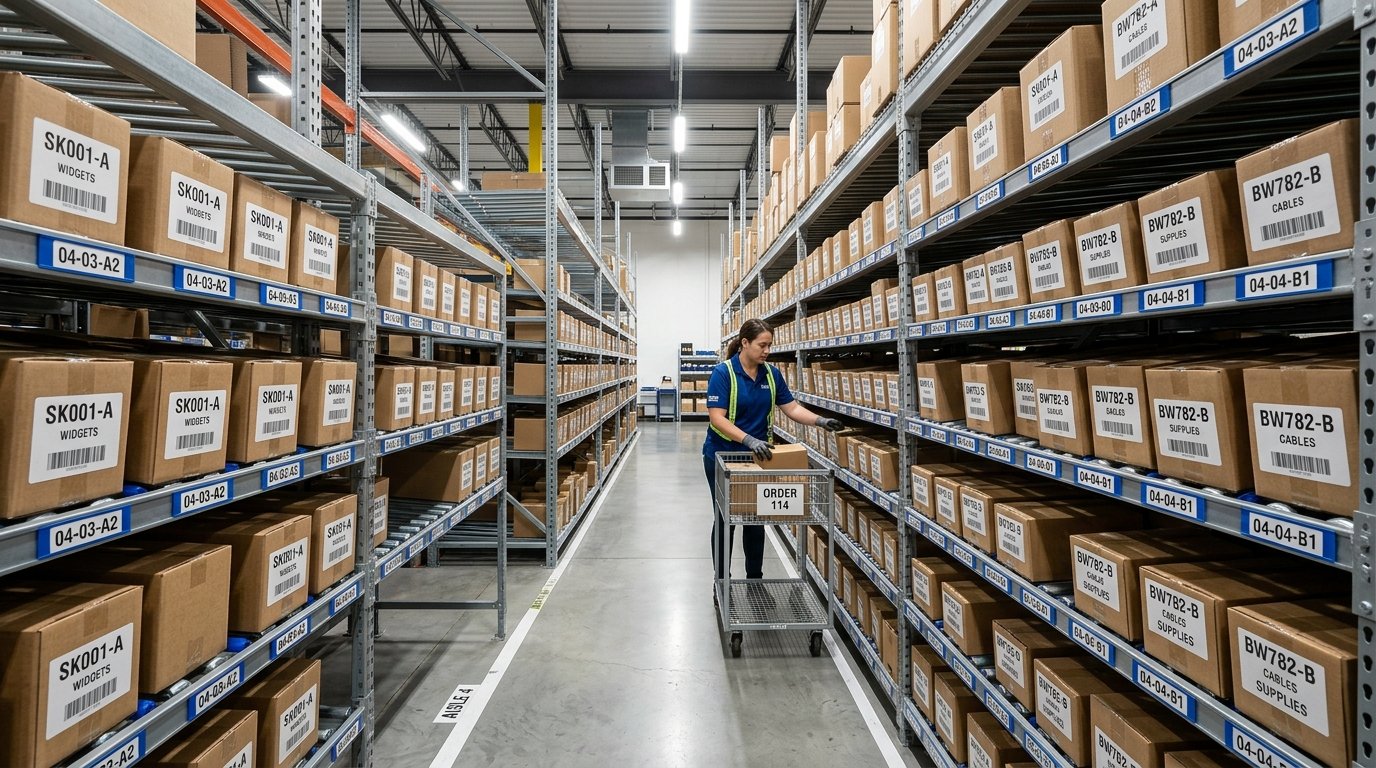
Use location codes such as A-03-02-04. The first part can identify the aisle, the second the bay, the third the level, and the fourth the position. Put the same code on the rack, shelf, product record, and pick list.
Picking Area
Keep the picking area free from empty pallets, waste, and unused equipment. Give workers enough room to turn carts and place picked goods. If your team picks many small orders, a dedicated forward pick area can reduce walking.
Keep reserve stock above or behind the forward pick area. Refill this area during quiet periods, not during the busiest order window. Set a minimum quantity for each fast-moving SKU so staff know when to refill it.
Packing and Shipping
Place packing benches near shipping, but leave enough room for cartons, labels, scales, and completed orders. Mark each carrier or route area. Use a final order check before a parcel leaves the building.
Don’t let completed orders block emergency exits or forklift paths. Give late orders, damaged orders, and customer returns their own marked locations.
For more layout ideas, review these warehouse storage solutions.
Use Vertical Space Safely
Vertical storage can increase capacity without renting a larger building. It also creates risk when racks, pallets, or ladders are used incorrectly. Check rack capacity before adding levels or heavier loads.
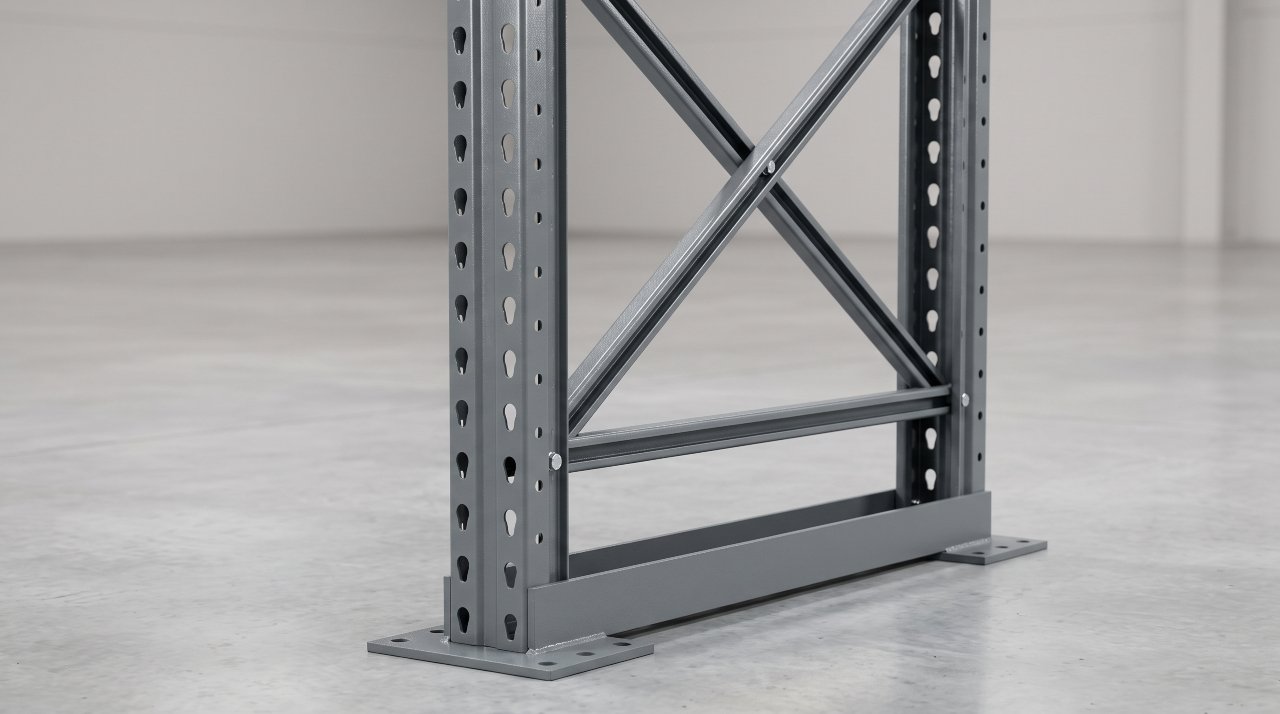
Use load plaques or labels that show the permitted weight for each rack section. Keep beams locked in place with the correct safety pins. Replace bent uprights, damaged beams, missing braces, and broken wire decking.
Keep clearance below sprinklers, lights, and roof structures. Store cartons inside the rack frame, not hanging into aisles. Don’t place loose products on rack beams unless the system is designed for that use.
For more information on rack types, see this guide to a warehouse racking system.
Improve Inventory Rotation
FIFO means the oldest stock leaves first. This method suits food, medicine, cosmetics, dated goods, and products that can expire or lose value. Mark receipt dates clearly and place newer stock behind older stock.
LIFO means the newest stock leaves first. It can work for stable, non-expiring products stored in floor stacks or deep lanes. It may reduce handling, but it can leave older stock hidden for too long.
Use a simple rotation rule for each product group. Add receipt dates to cartons, pallets, or inventory records. Run a weekly check for stock that has stayed in place longer than expected.
Cycle counting can improve accuracy without closing the warehouse for a full stock count. Count a small group of locations each day. Count fast-moving or high-value items more often than slow-moving goods.
Control Picking Errors
Many storage problems show up as picking errors. Workers may choose the wrong size, color, batch, or pack quantity when products look alike. Separate similar SKUs and use large, readable labels.
Use barcodes when your order volume justifies the cost. A basic barcode process can confirm the location, product, and quantity before the order moves to packing. If you use paper lists, include the location code and a product description.
Keep one product in one main location when possible. Multiple locations can help with overflow, but they also create extra search work. If you use more than one location, list every location in your inventory records.
Set Safety Rules
Every worker should know where pedestrians walk, where equipment operates, and where goods are stored. Mark pedestrian paths and keep them separate from forklift routes when the building allows it.
Train staff on pallet jack use, ladder use, manual lifting, rack loading, spill response, and emergency exits. New workers should receive site-specific training before they work alone.
Inspect racks and storage areas on a routine schedule. Look for impact damage, leaning frames, missing pins, overloaded shelves, unstable pallets, blocked exits, and poor housekeeping. Fix small issues before they cause injuries or product loss.
Use the OSHA material handling and storage rules as a reference for safe storage practices. Industry guidance from the Material Handling Institute warehouse guide can also help with equipment and layout planning.
Keep Costs Under Control
Storage equipment costs more than the rack or shelf price. Include delivery, installation, anchors, labels, safety barriers, inspections, maintenance, and changes to your handling equipment.
Buy for your real stock profile, not for a short-term sales spike. You can reserve a small amount of open capacity for growth,. But filling unused space with equipment may reduce useful floor area.
Used equipment can lower the purchase price, but inspect it carefully. Confirm the manufacturer, load rating, dimensions, parts condition, and repair history. Don’t mix beams and frames from different systems unless a qualified supplier confirms that they work together.
Track the cost of storage problems. Record picking time, stock adjustments, damaged goods, late shipments, and time spent searching for items. These figures can show when a new layout or storage system will pay for itself.
Review Storage Performance
Set a few useful measures and review them each month. Good measures include order picking time, picking accuracy, inventory record accuracy, storage capacity used, damaged goods, and worker travel distance.
Ask workers which locations cause delays. They often know about blocked aisles, poor labels, awkward shelf heights, and products that are hard to reach. Make one small improvement at a time, then check the result.
Move products when sales patterns change. A SKU that was slow last year may now need a forward pick location. A seasonal item may need a temporary area near packing during its busy period.
Frequently Asked Questions
What is the best storage system for a small warehouse?
The best system depends on your products, building, order volume, and handling equipment. Selective pallet rack suits palletized goods that need direct access. Shelving and bins suit small items picked by hand.
Carton flow works well for high-volume FIFO picking. Many small warehouses use a mix of these options.
How can a small warehouse use more storage space?
Measure the clear ceiling height, reduce unused gaps, use suitable rack levels, and store fast-moving goods in easy-to-reach locations. Keep aisles clear and remove obsolete inventory. Vertical storage can add capacity, but rack height and load limits must be checked first.
How wide should warehouse aisles be?
Aisle width depends on the equipment and turning space required. Pallet jacks, reach trucks, counterbalance forklifts, and order pickers all need different clearances. Follow the equipment maker’s guidance and local safety requirements.
Mark the planned aisle width before installing racks.
How often should warehouse racks be inspected?
Workers should report damage as soon as they see it. Supervisors should make routine visual checks,. And a qualified person should carry out a more detailed inspection on a scheduled basis.
Inspect after any rack impact, layout change, heavy load change, or move to a new building.
Final Steps for Better Storage
Good small business warehouse storage starts with accurate measurements and clear product data. Map the building, group products by handling needs, select equipment that fits the load, and mark every location. Keep receiving, picking, packing, and shipping areas separate enough to prevent confusion.
Train your team, inspect equipment, track errors, and review the layout as your stock changes. A simple system that workers use correctly will serve your business better than an expensive setup with poor labels. And unclear rules.

Callum Langham
Founder & Technical Storage Editor
Callum Langham is the founder and technical editor of Rack System. With over 12 years of hands-on field experience in warehouse logistics, garage organization, and industrial storage installations, Callum specializes in engineering safety standards, beam load calculations, and OSHA/RMI compliance. Every guide on Rack System is audited against verified steel gauge tolerances and municipal building codes.