Warehouse Shelving Units: Types, Weight Capacity & Buying Guide
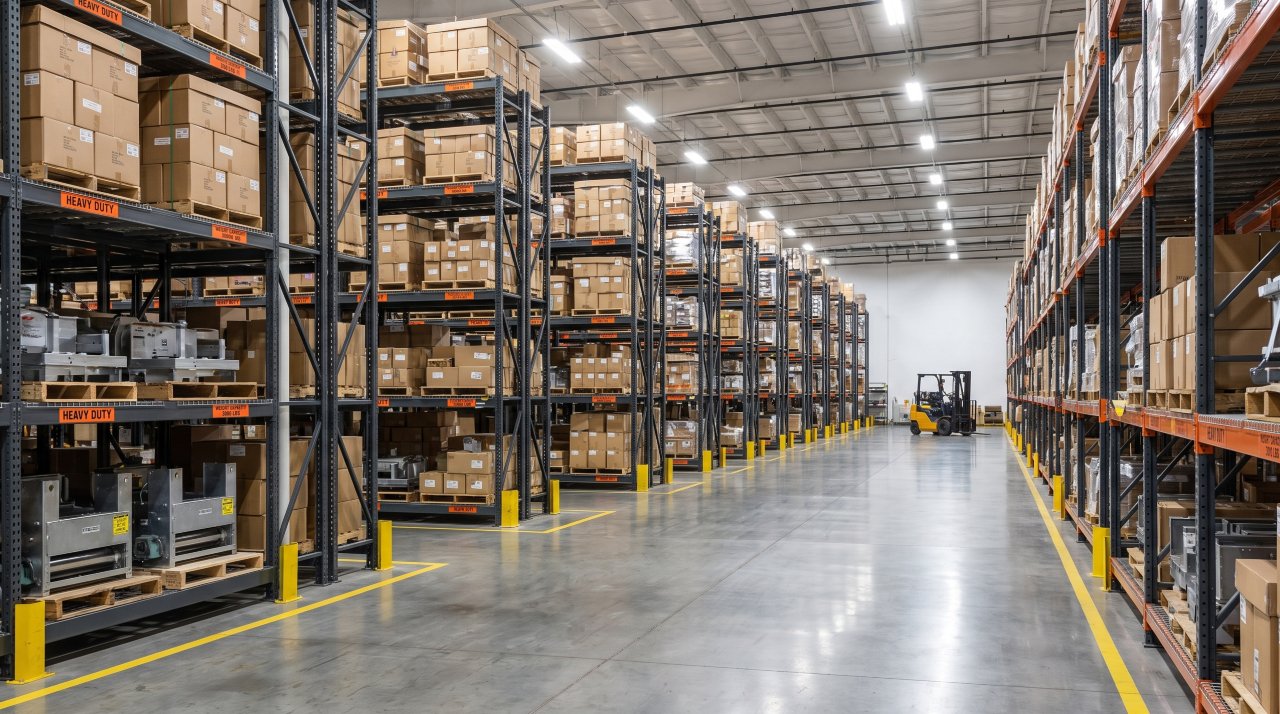
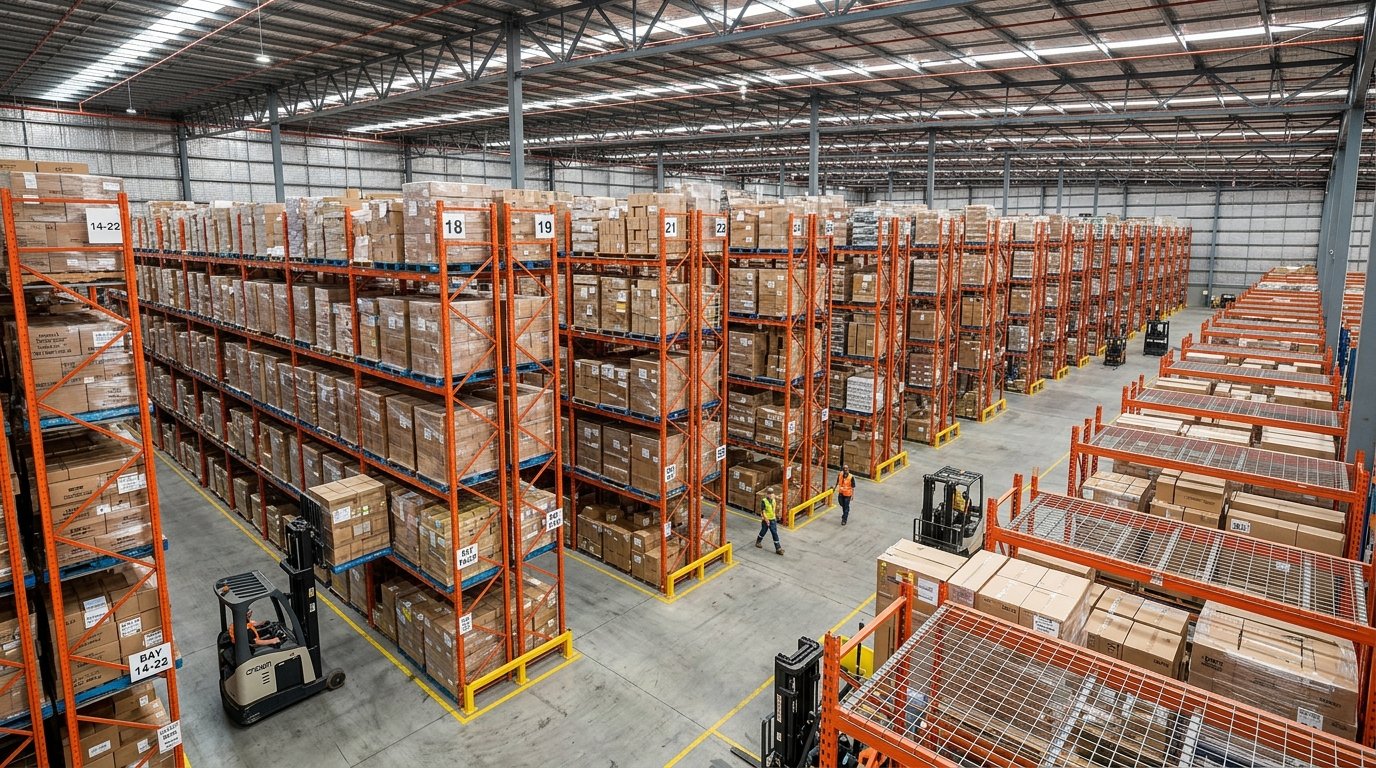
Warehouse shelving units form the operational core of hand-pick fulfillment centers, industrial parts stockrooms, and logistics hubs. While heavy pallet racks accommodate bulk skids loaded by forklifts, warehouse shelving is specifically engineered for human-scale access, providing rapid pick-and-pack efficiency for boxed inventory, hardware bins, and small parts totes.
Choosing inappropriate warehouse shelving leads to structural shelf bowing, dangerous tip-over hazards, congested pick aisles, and inefficient item retrieval cycles. Facility operations managers must carefully evaluate steel gauge thickness, shelf beam span math, open versus closed frame profiles, and vertical growth potential before purchasing storage hardware.
This comprehensive guide details every major warehouse shelving type, load capacity calculation, shelf decking options, and safety rules required to build a high-performance picking environment.
1. Open vs. Closed Steel Warehouse Shelving
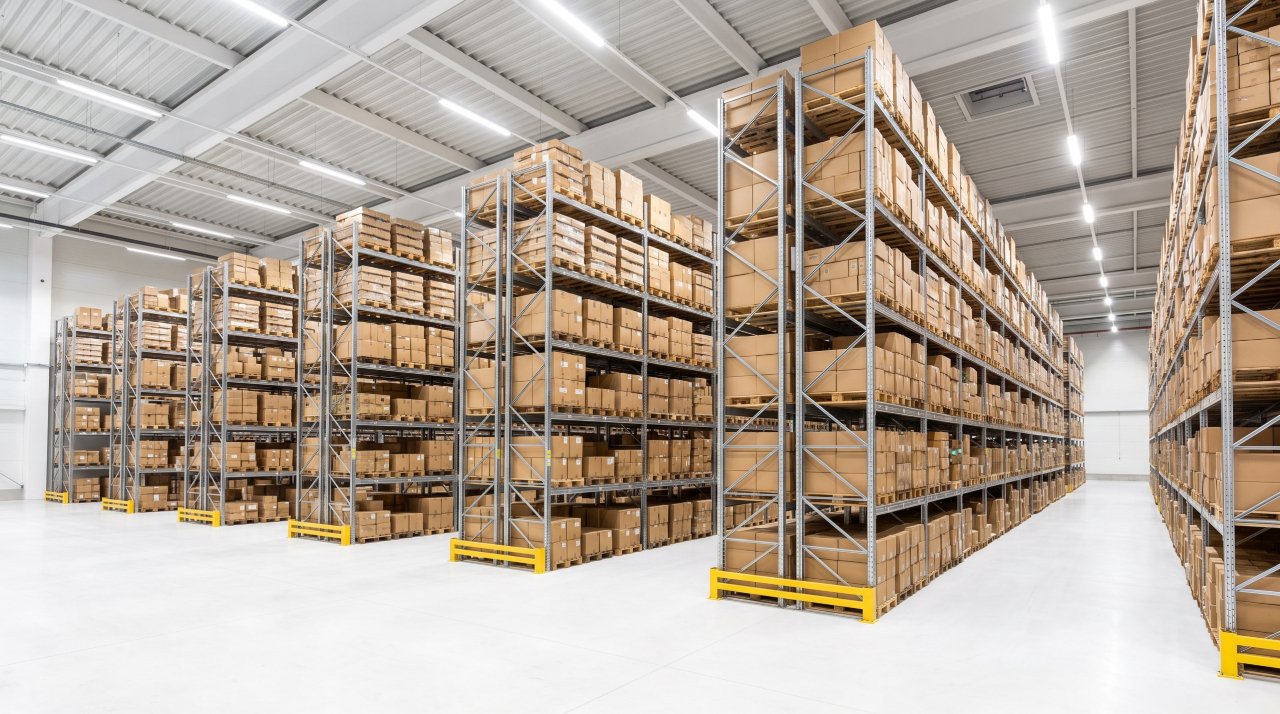
The primary architectural division in commercial steel shelving is between open-back and closed-back configurations. Each serves distinct stockroom environments based on airflow, item containment, and dust protection requirements.
Open Steel Shelving Units
Open steel shelving utilizes diagonal and horizontal steel sway braces along the sides and rear instead of solid panels. This design provides several operational advantages:
- 360-Degree Visibility and Access: Order pickers can view inventory from adjacent aisles and access items from front or rear faces.
- Optimal Airflow and Light Penetration: Open backs allow HVAC airflow and overhead lighting to reach lower shelf tiers, preventing dark spots.
- Cost Efficiency: Eliminating solid steel side and back panels reduces total steel material weight, lowering purchasing costs by up to 25 percent.
Open shelving is ideal for large packaged master cartons, bulky dry inventory, and clean stockroom areas. For more details on heavy metal construction, see our guide on steel shelving units.
Closed Steel Shelving Units
Closed steel shelving features solid 20-gauge or 22-gauge steel side and rear panels that enclose the unit on three sides. Key benefits include:
- Small Parts Containment: Prevents loose hardware, small components, and unboxed items from falling behind bays or between aisle rows.
- Dust and Contamination Barrier: Solid panels block circulating warehouse dust, grease, and ambient debris from settling on sensitive inventory.
- Aisle Separation: Creates clean, rigid partitions between back-to-back picking rows.
Closed shelving is recommended for auto parts stockrooms, electronic component storage, and secure tool cribs. Learn how to integrate closed units in our warehouse storage solutions framework.
2. Heavy-Duty Boltless Shelving vs. Nut-and-Bolt Systems
Assembly methodology dictates setup labor expenses and long-term shelf adjustability.
Boltless shelving relies on double-ended steel rivets that drop into keyhole slots on vertical angle posts. Tapping the horizontal beams down with a rubber mallet locks the frame into place without threaded fasteners. For complete rivet locking specs, read our guide to boltless shelving units.
3. Calculating Weight Capacity and Steel Gauge Specs
Calculating shelf load capacity requires assessing steel gauge thickness and beam support channels under Uniformly Distributed Loads (UDL).
Steel Gauge Standards
Steel thickness follows an inverse numbering scale where lower numbers indicate thicker, stronger steel:
- 20-Gauge Steel (0.0359 inches): Commercial standard grade, rated for 300 to 500 lbs per shelf.
- 18-Gauge Steel (0.0478 inches): Industrial heavy-duty grade, rated for 600 to 900 lbs per shelf.
- 16-Gauge Steel (0.0598 inches): Extra heavy-duty grade, supporting up to 1,200 lbs per shelf level.
Beam Span Math and Deflection
Widening shelf span reduces weight capacity. A 36-inch wide 18-gauge shelf supports 800 lbs, whereas expanding the span to 72 inches drops capacity to 450 lbs unless heavy-duty center tie bars are installed underneath the shelf deck.
4. Picking Aisle Geometry and Ergonomics
Proper aisle spacing ensures fulfillment workers can navigate hand trucks and order-picking carts smoothly without bottlenecks.
- Main Travel Aisles: 6 to 8 feet wide to allow two-way push cart traffic.
- Hand-Pick Secondary Aisles: 3.5 to 4.5 feet wide for single-picker navigation.
- Golden Zone Ergonomics: Store high-velocity SKUs between waist and chest height (30 to 60 inches off the floor) to minimize stooping and reaching.
5. Safety Regulations and Floor Anchoring
All warehouse shelving exceeding a 4-to-1 height-to-depth ratio must be anchored to floor slabs or wall studs to prevent tip-over hazards. According to OSHA Materials Handling Regulations 1910.176 and MHI Industrial Shelving Standards, all freestanding picking bays require seismic footplates and floor wedge anchors.
Frequently Asked Questions
What is the standard depth for warehouse shelving units?
Standard industrial shelving depths are 12, 18, 24, and 36 inches. 24-inch deep shelving is the industry standard for hand-pick plastic totes and corrugated parts bins.
Can warehouse shelving units be converted into multi-tier mezzanines?
Yes. Heavy-duty 14-gauge structural upright posts can support catwalk flooring and second-tier shelving units above, doubling vertical floor space without expanding building footprint.
What decking material is best for high-humidity warehouses?
Powder-coated wire mesh decking or galvanized steel drop-in panels provide complete corrosion resistance and meet open-grid fire sprinkler code requirements.
Building an Efficient Fulfillment Operation
Investing in the correct warehouse shelving units optimizes picking speed, safeguards valuable inventory, and prevents dangerous stockroom collapse hazards. Always verify steel gauge specs, calculate UDL limits, and anchor tall bays to ensure long-term operational success.

Callum Langham
Founder & Technical Storage Editor
Callum Langham is the founder and technical editor of Rack System. With over 12 years of hands-on field experience in warehouse logistics, garage organization, and industrial storage installations, Callum specializes in engineering safety standards, beam load calculations, and OSHA/RMI compliance. Every guide on Rack System is audited against verified steel gauge tolerances and municipal building codes.