Commercial Shelving Racks: Specs, Ratings & Buyer Guide
Commercial shelving racks are high-durability storage units engineered specifically for commercial stockrooms, auto dealership parts departments, medical supply rooms, and food service pantries. Unlike light-duty consumer shelving designed for lightweight residential use, commercial shelving racks utilize heavy-gauge steel framing, scratch-resistant powder coatings, and reinforced shelf flanges capable of supporting hundreds of pounds per shelf layer under continuous daily use.
Purchasing sub-standard residential shelving for commercial operations leads to early frame bowing, structural weld breakage, floor damage, and severe safety citations during workplace audits. Commercial buyers must evaluate load ratings, surface finishes, column profiles, and spatial clearance math before selecting equipment.
This comprehensive guide details steel versus wire commercial racks, surface finishes, load capacity calculations, and stockroom layout safety rules.
1. Types of Commercial Shelving Racks
Selecting appropriate commercial shelving requires matching rack construction with your stockroom environment.
Commercial Solid Steel Shelving
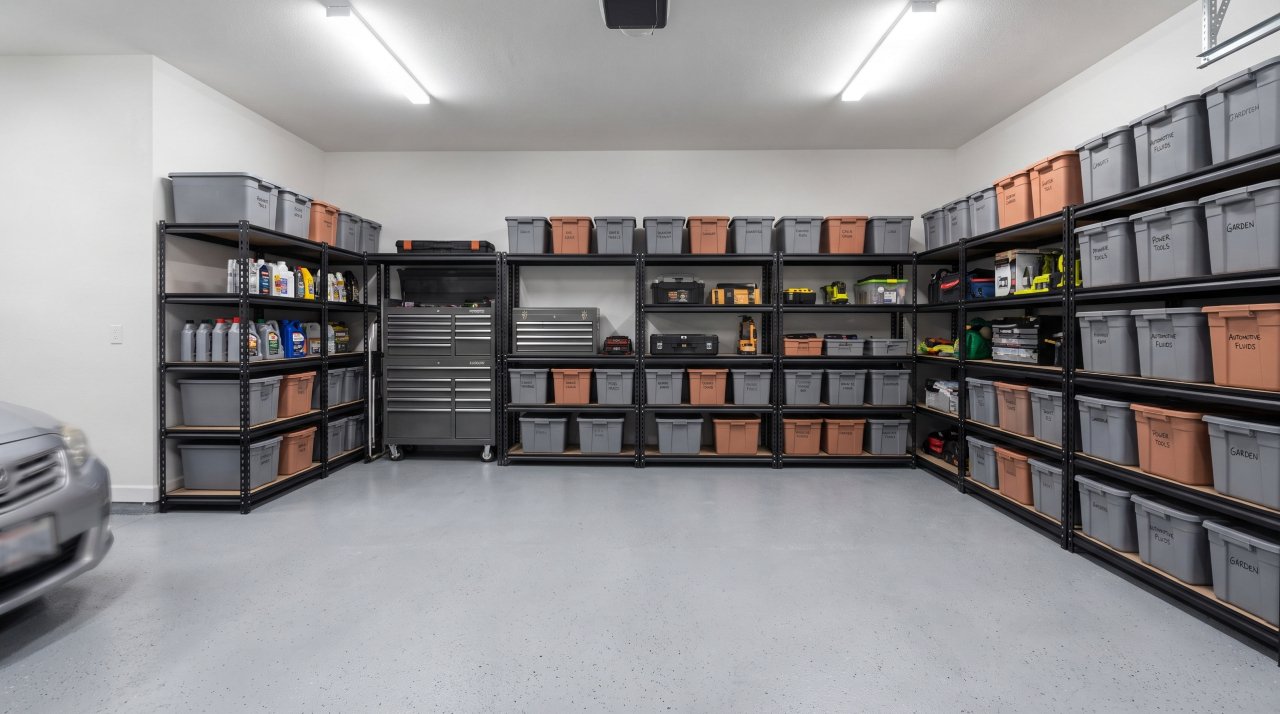
Formed from cold-rolled steel sheet, solid steel shelving features lapped and welded corners with front and rear box flanges. Advantages include flat storage surfaces, high weight capacities (500 to 1,200 lbs per shelf), and chemical resistance. Read details in our guide to heavy duty metal shelving.
Commercial Wire Shelving Racks
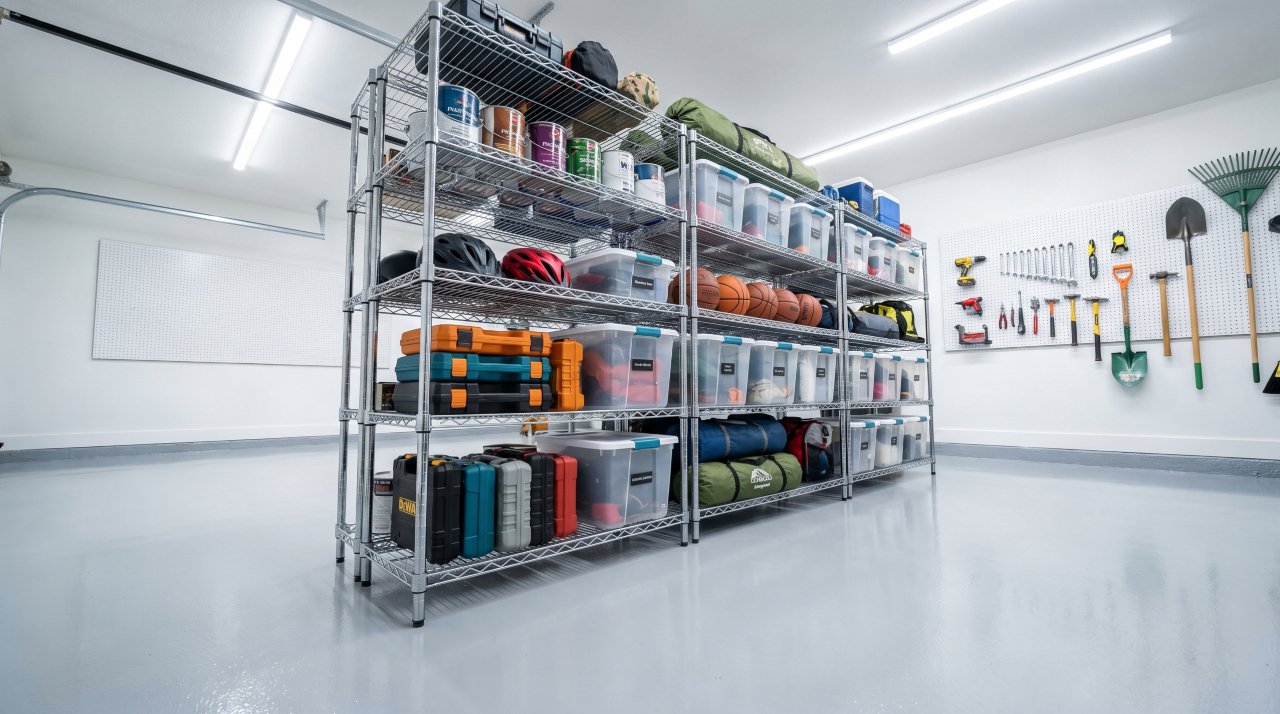
Constructed from welded steel wire grids supported by corner post collars. Key advantages include open air circulation, 100% sprinkler water flow, and high sanitation standards for food service walk-ins. Explore wire options in our heavy duty wire shelving guide and compare industrial storage racks.
2. Load Capacities and Structural Gauges
Commercial load ratings are measured under Uniformly Distributed Loads (UDL). Standard commercial units utilize 18-gauge steel shelves supporting 600 to 900 lbs per tier. Ensure all units comply with OSHA Commercial Storage Regulations 1910.176 and MHI Commercial Equipment Standards.
Frequently Asked Questions
What is the difference between commercial and industrial shelving?
Commercial shelving is designed for manual hand-picking in retail and office environments (400–1,000 lbs/shelf). Industrial shelving utilizes heavier steel channels designed for severe manufacturing environments and dynamic loading (1,000–3,000 lbs/shelf).
Are commercial wire shelving racks NSF certified?
Chrome and epoxy wire shelving racks used in food service or healthcare must carry NSF (National Sanitation Foundation) certification badges stamped into the metal collars.
Equipping Commercial Stockrooms for Durability
Choosing high-grade commercial shelving racks ensures long-term operational productivity while safeguarding employees and inventory. By selecting powder-coated solid steel or chrome wire racks matched to your specific environment, you create an organized, compliant storage facility.

Callum Langham
Founder & Technical Storage Editor
Callum Langham is the founder and technical editor of Rack System. With over 12 years of hands-on field experience in warehouse logistics, garage organization, and industrial storage installations, Callum specializes in engineering safety standards, beam load calculations, and OSHA/RMI compliance. Every guide on Rack System is audited against verified steel gauge tolerances and municipal building codes.