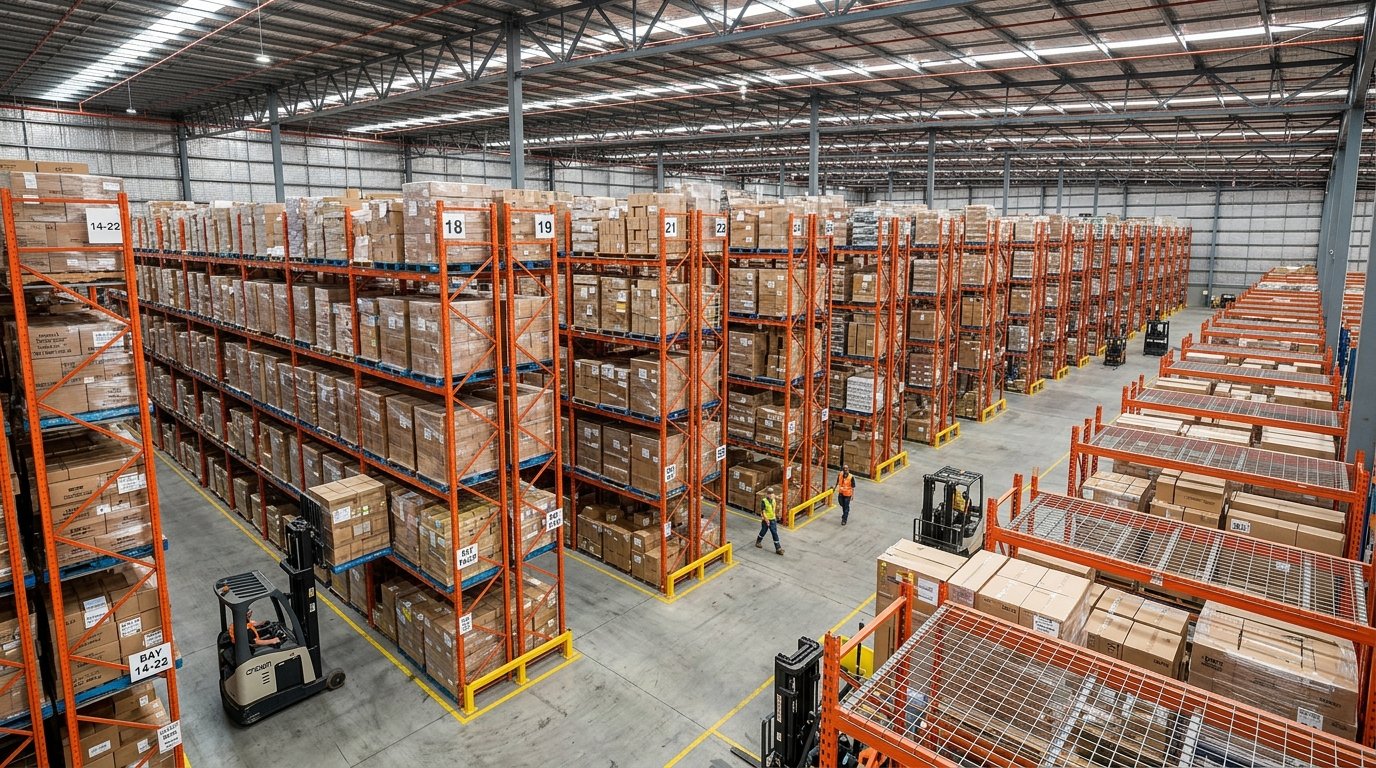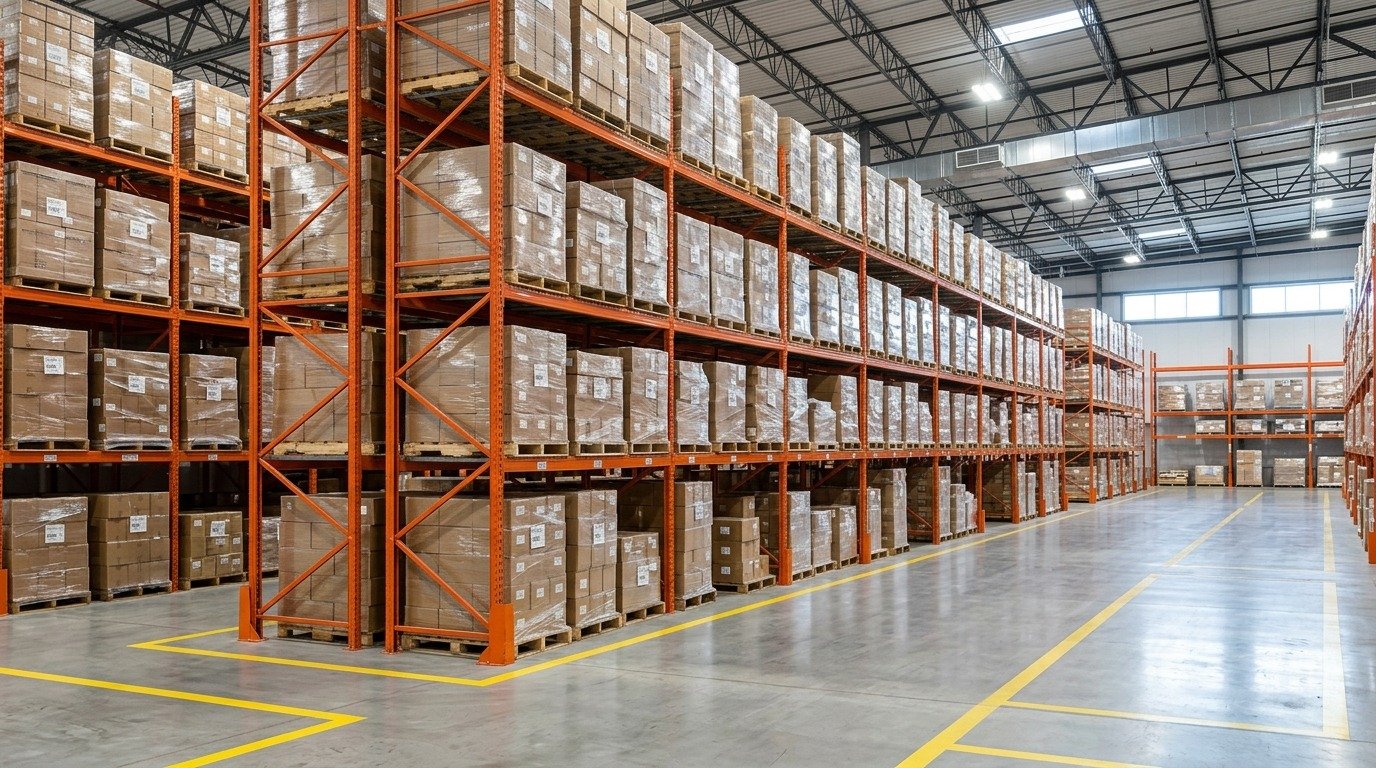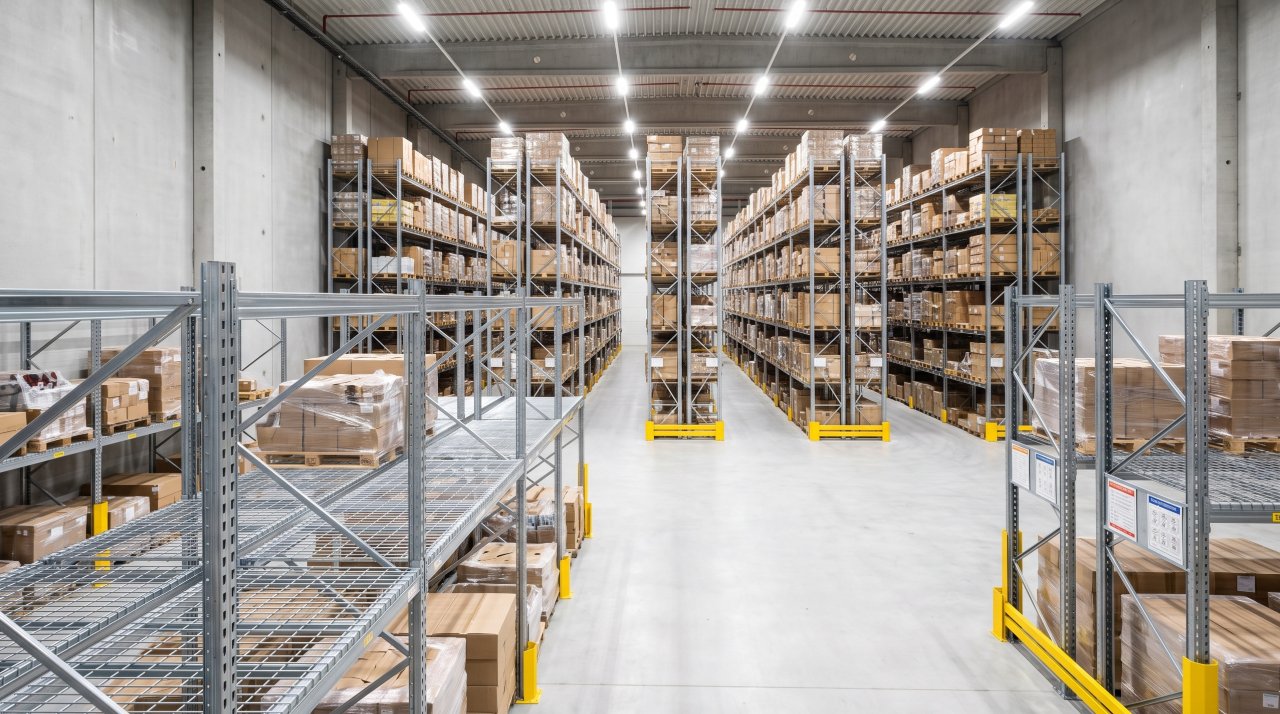
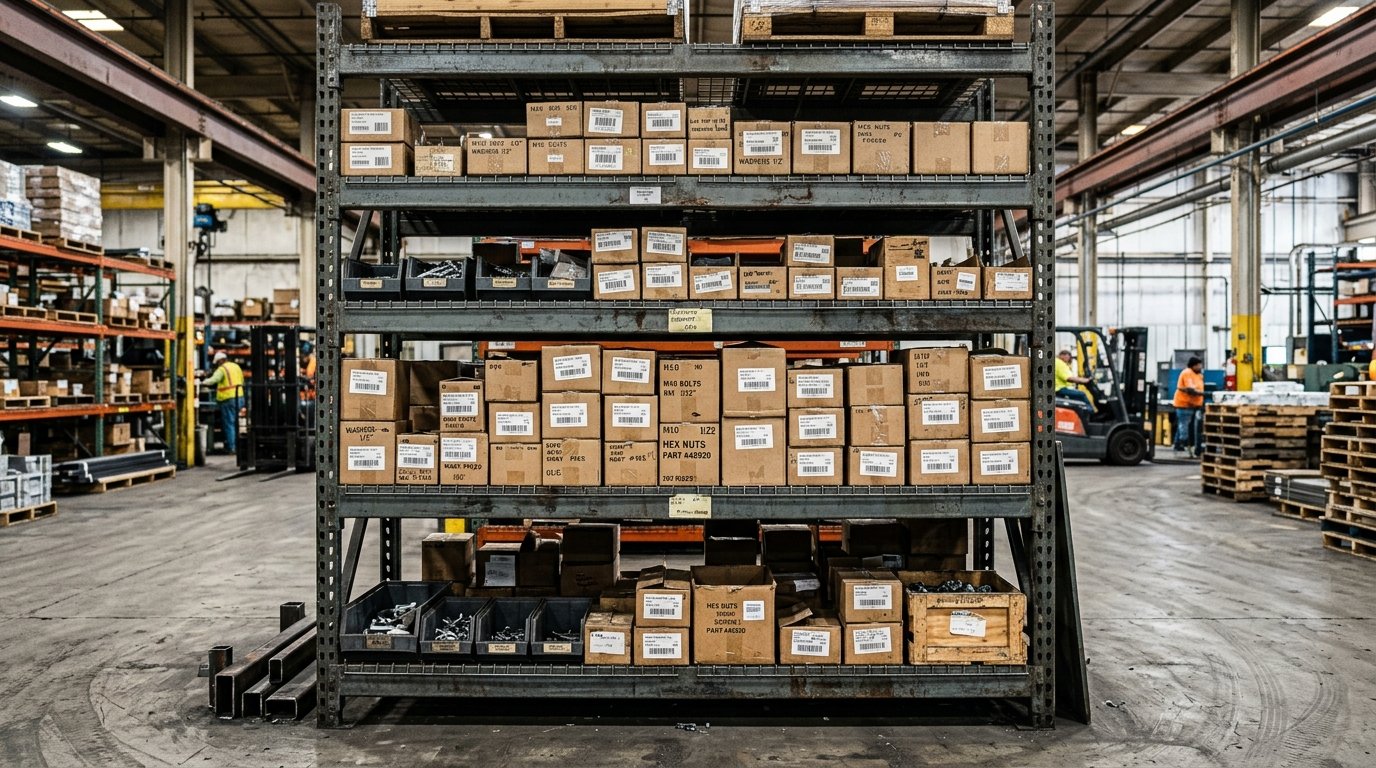
Metal shelving gives warehouses, stockrooms, workshops, offices, and garages a strong way to store goods off the floor. The right system can hold small parts, archive boxes, tools, cartons,. And heavy machinery components without taking up more space than needed.
Choosing the right unit takes more than checking the shelf width. You’ll need to match steel gauge, shelf depth, post style, connection method, finish, and load rating to the work. A shelf that looks strong may fail if its load rating doesn’t match the stored weight.
Or if the load sits unevenly.
Quick Answer: How to Choose Metal Shelving
To choose metal shelving, match the steel gauge thickness to your load requirements: 14-gauge steel (0.0747 in) supports 1,500 to 2,500 lb UDL per shelf for heavy machinery parts, 18-gauge steel (0.0478 in) holds 600 to 1,200 lb UDL for standard stockroom inventory, and 20-to-22 gauge handles light office supplies. Select clip-style steel shelving with compression clips for 1-inch center height adjustments, and use galvanized steel for damp areas or powder-coated steel for dry commercial rooms.
Key Takeaways
- Steel Gauge Thickness: Lower gauge numbers mean thicker steel; 14-gauge is heavy industrial, 18-gauge is commercial standard, and 22-gauge is light utility.
- Angle vs Beaded Posts: Angle posts frame standalone corners, while Beaded posts maximize front shelf access across long continuous rows.
- Compression Clip Mechanics: Steel compression clips lock shelf corners tightly into post slots without tools, allowing easy 1-inch adjustments.
- Finish Selection: Powder-coated steel protects indoor dry stockrooms, galvanized steel prevents rust in damp areas, and 304 stainless steel handles chemical washdown.
What Is Metal Shelving?
Metal shelving is a storage system made from formed steel, stainless steel, or galvanized steel. Most systems use vertical posts, horizontal shelves, and clips, bolts, or rivets to connect the parts. Shelves may be solid, wire, or formed with reinforcing channels beneath the surface.
Steel gauge is one of the main factors that separates light utility shelves from industrial storage. Gauge numbers work in reverse: a lower number means thicker steel. A 14-gauge shelf is thicker than an 18-gauge shelf, and an 18-gauge shelf is thicker than a 22-gauge shelf.
Metal shelving is usually rated by uniform distributed load, often shown as UDL. This rating assumes the weight is spread across the full shelf surface. A concentrated load, such as a heavy motor placed in.
The center, can create more stress than the stated rating suggests.
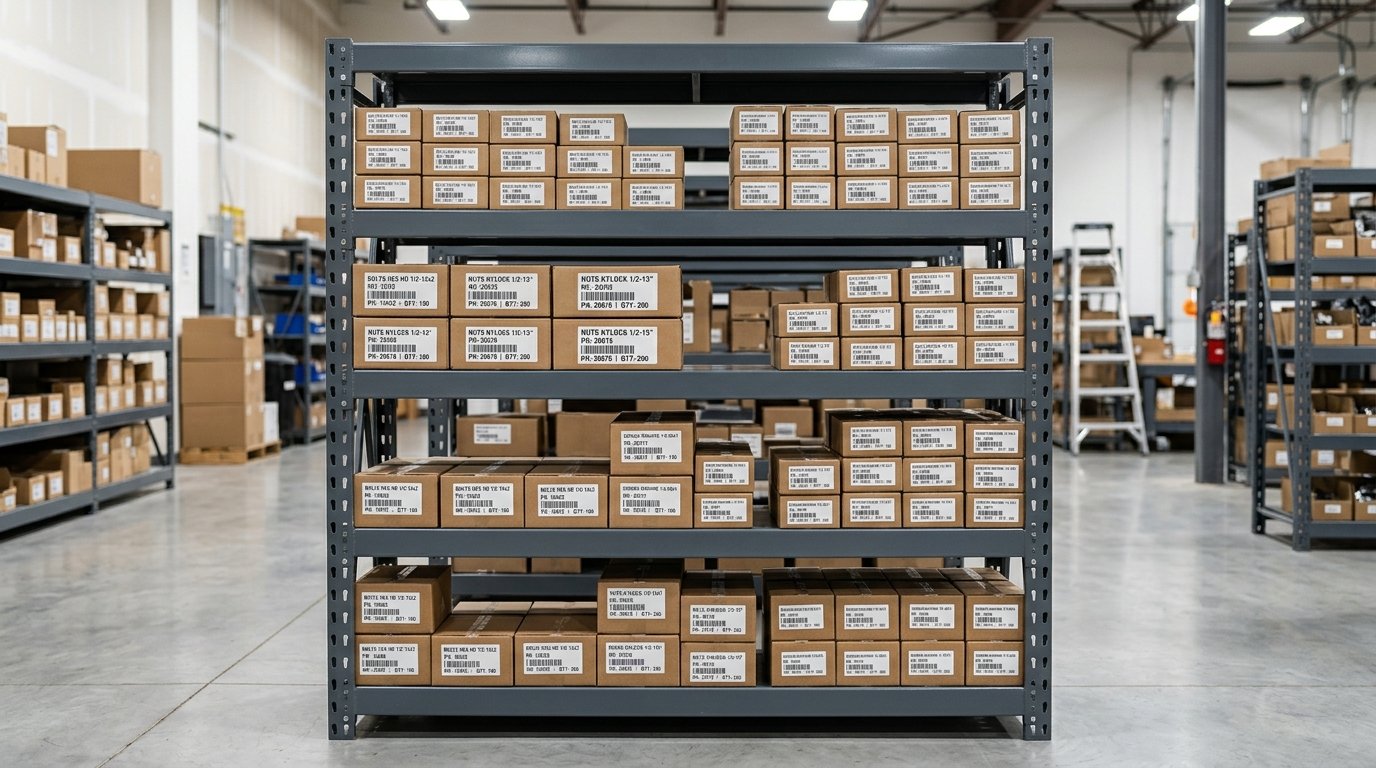
Steel Gauge and Shelf Capacity
The common steel gauge range for shelving runs from 12-gauge to 22-gauge. Steel from 12-gauge to 14-gauge suits heavy industrial storage. Eighteen-gauge steel is a common commercial choice.
Twenty-gauge to 22-gauge steel works for lighter storage in offices, supply rooms, and utility areas.
Thickness affects how much a shelf bends under load and how well it resists dents, impact, and repeated use. A thicker shelf also tends to retain its shape when workers load and unload goods every day. Gauge alone doesn’t set the final capacity, though.
Shelf width, depth, span, reinforcement, post design, and connection type also affect the rating.
| Steel Gauge | Thickness (Inches) | UDL Shelf Rating | Best Storage Purpose |
|---|---|---|---|
| 14-Gauge Structural Steel | 0.0747 in | 1,500 to 2,500 lb per shelf | Heavy industrial machinery parts, hardware, tools |
| 18-Gauge Commercial Steel | 0.0478 in | 600 to 1,200 lb per shelf | Standard warehouse stockrooms, retail overflow, totes |
| 20 to 22-Gauge Utility Steel | 0.0359 to 0.0299 in | 300 to 500 lb per shelf | Light office supplies, archive boxes, light bins |
Use the table as a planning guide, not as a substitute for the manufacturer’s rating label. The exact capacity can change with the shelf span and the number of levels. Always check the rating for the complete unit you’re buying.
Common Metal Shelving Sizes
Many commercial units use widths of 36 or 48 inches. Common depths include 12, 18, and 24 inches. Typical heights are 75, 87, and 99 inches.
These sizes fit many stockroom layouts, but custom dimensions may be available for narrow aisles or unusual products.
Choosing Shelf Width
A 36-inch-wide shelf works well for smaller rooms, boxed goods, and areas where workers need frequent access from one side. A 48-inch shelf provides more storage per level, but it carries a longer span. Check the load rating before choosing the wider option.
Choosing Shelf Depth
Use 12-inch-deep shelves for small cartons, documents, cans, and hand tools. An 18-inch depth suits common storage bins and medium cartons. A 24-inch depth gives larger products more support, though it can make rear items harder to reach from the front.
Choosing Unit Height
A 75-inch unit can fit under lower ceilings and still provide useful vertical capacity. An 87-inch unit adds storage in a typical warehouse or stockroom. A 99-inch unit uses more vertical space,.
But it may need a ladder, step platform, or approved picking equipment for safe access.
Measure the clear ceiling height, sprinkler clearance, doors, lights, and ventilation equipment before ordering tall shelving. Leave enough room to move the unit into place and to inspect the upper levels.
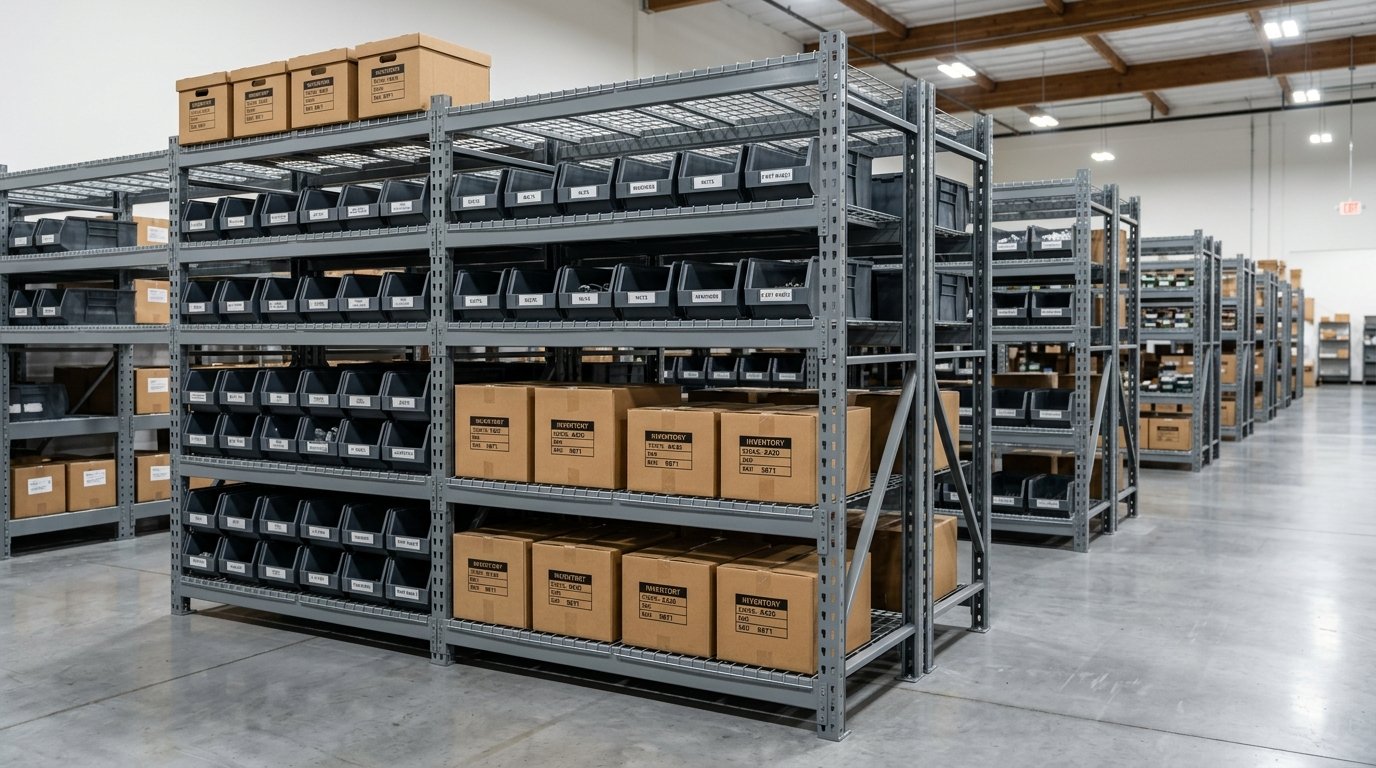
Angle Posts and Beaded Posts
Post style affects access, strength, and how easily you can build a row. Angle posts have an L-shaped profile and are commonly used for standalone units. They form a clear frame at each corner and work well when each shelving bay operates as a separate unit.
Beaded posts have a formed profile with vertical beads or ridges. They’re useful for continuous rows because shelves can connect across adjoining bays with fewer obstructing post faces. This gives workers better access across the front of a long row and can make the available space more efficient.
Choose angle posts for individual units, room corners, and layouts that may change often. Choose beaded posts for long runs with repeated bays and a regular product flow. Don’t mix post types unless the supplier confirms that the parts connect correctly.
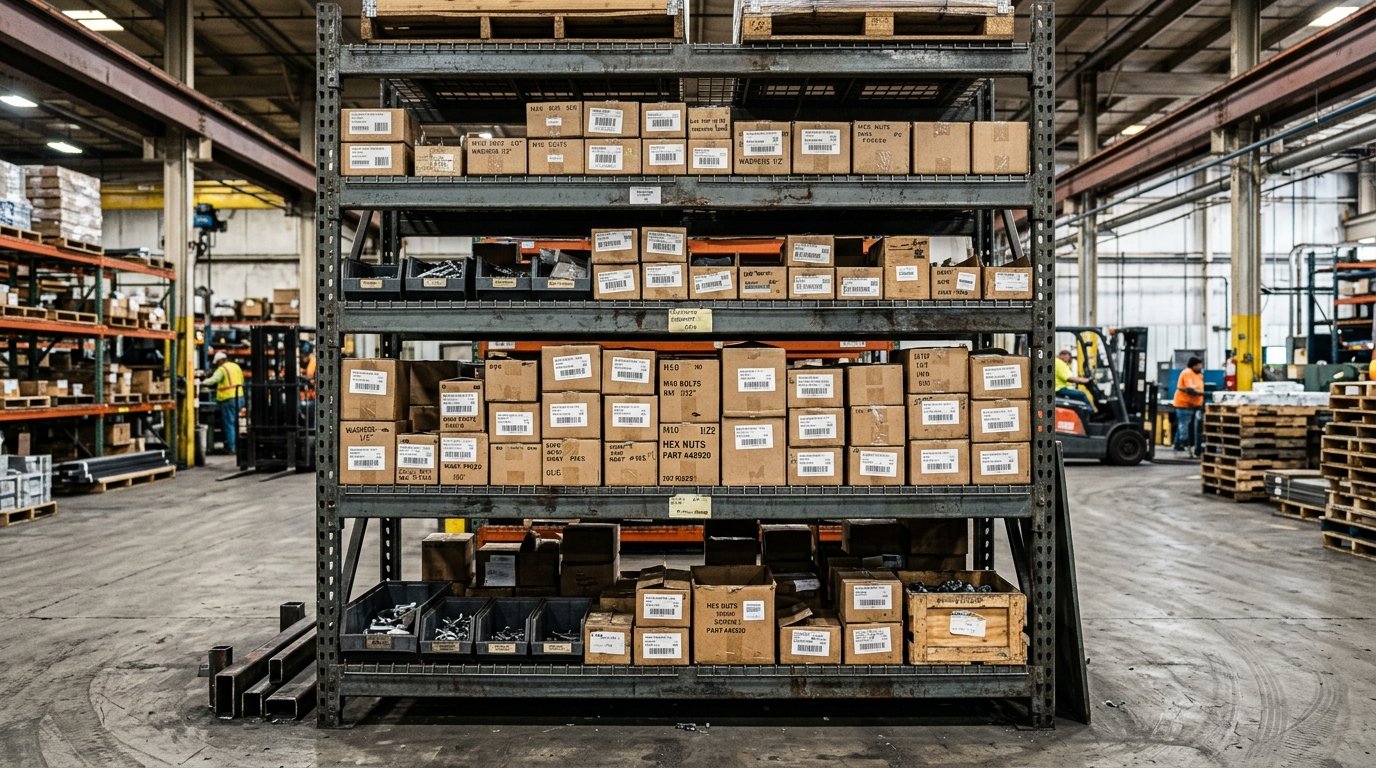
How Compression Clips Work
Clip-style steel shelving uses small compression clips to connect shelves to the upright posts. The posts contain slots at 1-inch centers. You place a clip into the selected slot, position the shelf corner over it,.
And press the shelf down so the joint tightens.
The clip and post connection creates tension at each shelf corner. The shelf’s downward load pushes the clip against the post, which helps keep the shelf seated during normal use. This design usually needs no hand tools for height changes.
So a worker can move a shelf to suit new inventory.
Install four clips for a standard shelf unless the manufacturer specifies another arrangement. Make sure every clip sits at the same height. A shelf that’s one slot higher on one corner can rock, twist, or carry its load unevenly.
Compression clips suit stockrooms that change often. They also make cleaning and reorganization easier. For very high loads, frequent impact,.
Or locations with vibration, a bolted or boltless rivet system may offer a better fit.
Bolted, Rivet, and Clip Connections
Bolted shelving uses nuts and bolts to join the frame. It takes longer to assemble, but it can provide a firm connection for fixed layouts. Bolted units may suit workshops and industrial areas where the shelving won’t be moved often.
Boltless rivet shelving uses rivets and keyhole-style slots. The parts fit together quickly, often with a rubber mallet rather than a full tool set. This system works well for medium.
And heavy storage, provided the frame is assembled square and the beams are fully seated.
Compression clip shelving gives fast, tool-free shelf adjustment. It’s a good choice for hand-picked inventory, archives, and stockrooms where shelf heights change. Review the manufacturer’s load data for the connection system, since a shelf’s rating depends on the entire frame.
Picking the Right Finish
Powder-Coated Steel
Powder-coated steel is a common choice for dry indoor commercial rooms. The finish adds a hard surface that helps protect the steel from scratches, light abrasion, and everyday handling. It’s suitable for offices, stockrooms, retail back rooms, and workshops that don’t have regular water exposure.
Galvanized Steel
Galvanized steel has a zinc coating that helps protect the base steel from rust. It suits damp storage rooms, covered outdoor areas, garages, garden centers, and locations with occasional moisture. Keep in mind that standing water, salt spray, and damaged coating can still cause corrosion.
For outdoor use, place shelving under cover when possible and keep water from pooling on the shelves. Inspect cut edges, scratches, and fasteners on a regular schedule.
304 Stainless Steel
304 stainless steel provides strong corrosion resistance and a cleanable surface. It suits food service areas, laboratories, healthcare spaces, and rooms that receive chemical washdown. It costs more than painted or galvanized steel, so use it when sanitation or corrosion resistance justifies the added price.
How to Plan a Safe Layout
Start by listing every product that will go on the unit. Record the weight, package size, quantity, and frequency of access. Group heavier goods on lower shelves.
Place lighter cartons and low-use items higher up.
Keep loads centered from front to back and side to side. Don’t let boxes hang over the shelf edge. Overhanging goods can fall, catch clothing, or make the unit harder to inspect.
Leave clear working aisles based on the equipment and traffic in the room. A hand cart needs more room than a person carrying a small box. Keep exits, electrical panels, fire equipment, and sprinkler systems clear.
Tall, narrow units may need anchoring, especially in areas with vehicle traffic, seismic activity, or uneven floors. Use the correct anchors for the floor material and follow the supplier’s instructions. Don’t drill through a post or modify a frame without written approval.
For guidance on storage equipment and handling systems, review the Material Handling Institute technical standards. You should also check the OSHA material storage safety standards for workplace requirements.
Installation Checks That Matter
Inspect every post, shelf, clip, bolt, and rivet before assembly. Don’t install parts that are bent, cracked, or missing their protective finish. Build the unit on a level surface and check that the frame is square before loading it.
Seat every connection fully. For boltless rivet units, confirm that each rivet has dropped into the narrow part of its slot. For clip systems, check that each clip is facing the right way and that every shelf corner is firmly engaged.
After assembly, push the unit gently from different sides. It shouldn’t rock or shift on the floor. Fix leveling problems before adding stock.
Add a back or side brace when the design calls for one.
Apply load labels where workers can see them. List the maximum shelf capacity, the unit capacity, and any restrictions on concentrated loads. Replace damaged labels so workers don’t have to guess.
When to Choose Heavy-Duty Shelving
Choose heavy duty metal shelving for dense parts, engine components, industrial tools, metal stock,. And other loads that exceed light or commercial ratings. Heavy systems often use 12-gauge or 14-gauge steel, reinforced shelves, stronger posts, and bolted or rivet connections.
Check the shelf rating and the complete unit rating. A shelf may hold 2,000 pounds, while the posts, frame, or floor may have a lower limit. The weakest rated component sets the safe limit.
For regular stockroom use, 18-gauge commercial metal shelving often provides a useful balance of capacity, cost, and easy adjustment. Light utility shelving is a better match for office supplies. And archive boxes when the loads stay within the 300-to-500-pound range.
Care and Maintenance
Inspect shelving at least once a year, and inspect it more often in busy or damp locations. Look for bent shelves, loose connections, rust, damaged clips, leaning posts, and overloaded levels.
Remove damaged parts from service until they’re replaced. Don’t straighten a bent shelf and return it to heavy service unless the supplier approves the repair. Clean spills quickly, especially around galvanized and painted surfaces.
Keep shelf loads below the posted rating. Recheck the layout after adding new products, changing package sizes, or moving the unit. A storage system stays safe when workers can see its limits and follow them.
Frequently Asked Questions
What is the difference between 14-gauge and 18-gauge steel shelving?
Fourteen-gauge steel is 0.0747 inches thick, while 18-gauge steel is 0.0478 inches thick. The thicker 14-gauge material resists bending and impact better and commonly supports 1,500 to 2,500 pounds. Or more per shelf when the full system is rated for that load.
Eighteen-gauge shelving commonly supports 600 to 1,200 pounds per shelf. Use 14-gauge for heavy industrial parts and 18-gauge for standard commercial stockrooms.
What are the benefits of beaded posts over angle posts?
Beaded posts work well in continuous rows because their profile can give workers more front access across adjoining bays. They also suit repeated layouts where several units share a long run. Angle posts are a practical choice for standalone units and separate shelving frames.
The best post depends on the layout, access needs, and compatible shelf components.
Which finish is best for outdoor or damp metal shelving?
Galvanized steel is usually the best choice for damp areas. And covered outdoor storage because its zinc coating helps slow rust. Protect it from standing water, salt spray, and damaged surfaces.
For chemical washdown or sanitary work, 304 stainless steel provides stronger corrosion resistance. Powder-coated steel fits dry indoor rooms.
How much weight can industrial metal shelving hold?
Industrial shelving made with 14-gauge steel commonly holds 1,500 to 2,500 pounds. Or more per shelf under a uniform distributed load. Commercial 18-gauge shelving commonly holds 600 to 1,200 pounds, while 20-to-22 gauge utility shelving often holds 300 to 500 pounds.
Check the exact manufacturer rating, keep weight spread evenly, and account for the total capacity of the complete unit.
Final Buying Checklist
- Measure the room, ceiling, doors, aisles, and obstructions.
- Choose a shelf width of 36 or 48 inches based on span and available space.
- Choose a depth of 12, 18, or 24 inches based on product size and reach.
- Match steel gauge to the weight and handling conditions.
- Confirm the UDL rating for each shelf and the full unit.
- Use angle posts for standalone units and beaded posts for continuous rows.
- Choose compression clips for quick 1-inch adjustments.
- Choose galvanized steel for damp areas, powder coating for dry rooms, and 304 stainless steel for sanitary washdown.
- Plan anchors, braces, labels, and safe aisles before installation.
- Inspect the shelving after assembly and during regular use.
When you match the steel, frame, finish,. And connection method to the job, metal shelving can provide dependable storage for years. Start with the load, measure the space, and select a system whose published rating fits your real working conditions.

Callum Langham
Founder & Technical Storage Editor
Callum Langham is the founder and technical editor of Rack System. With over 12 years of hands-on field experience in warehouse logistics, garage organization, and industrial storage installations, Callum specializes in engineering safety standards, beam load calculations, and OSHA/RMI compliance. Every guide on Rack System is audited against verified steel gauge tolerances and municipal building codes.