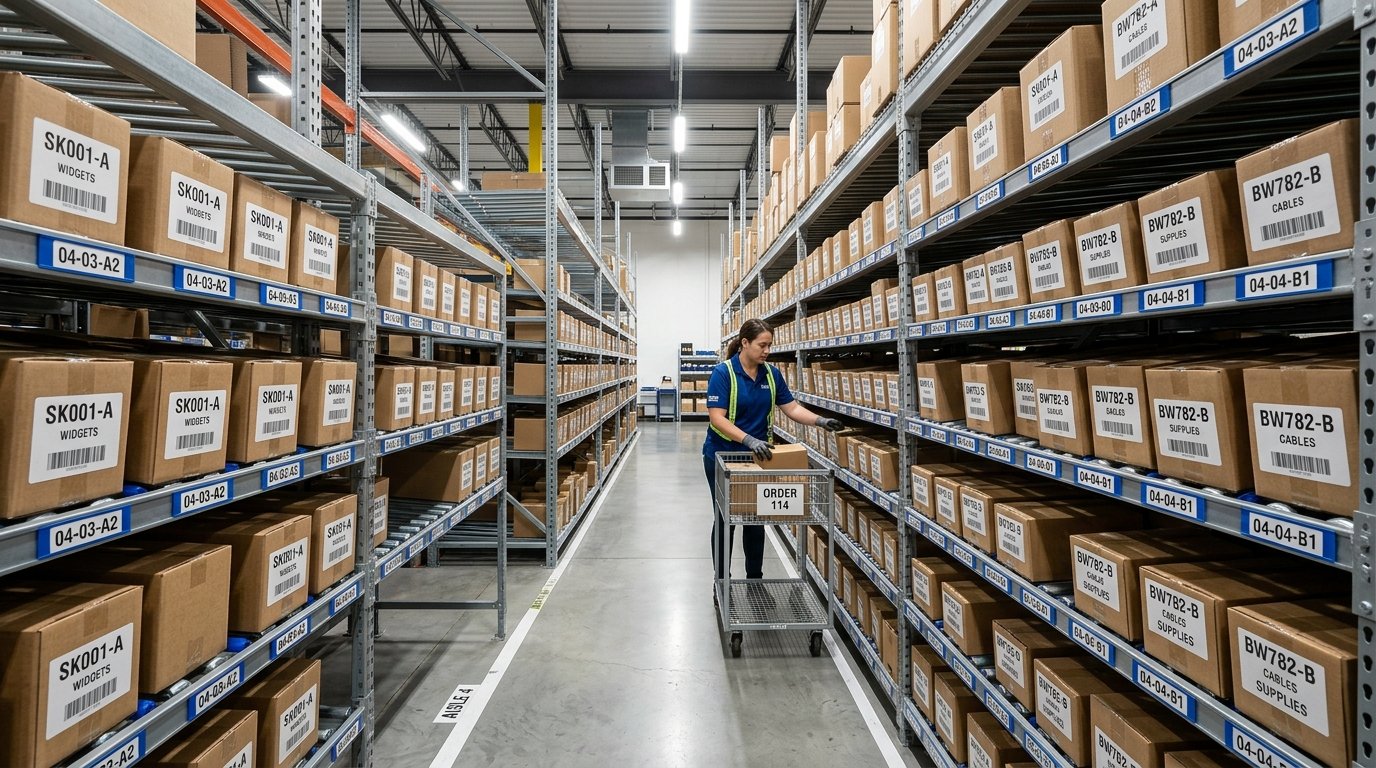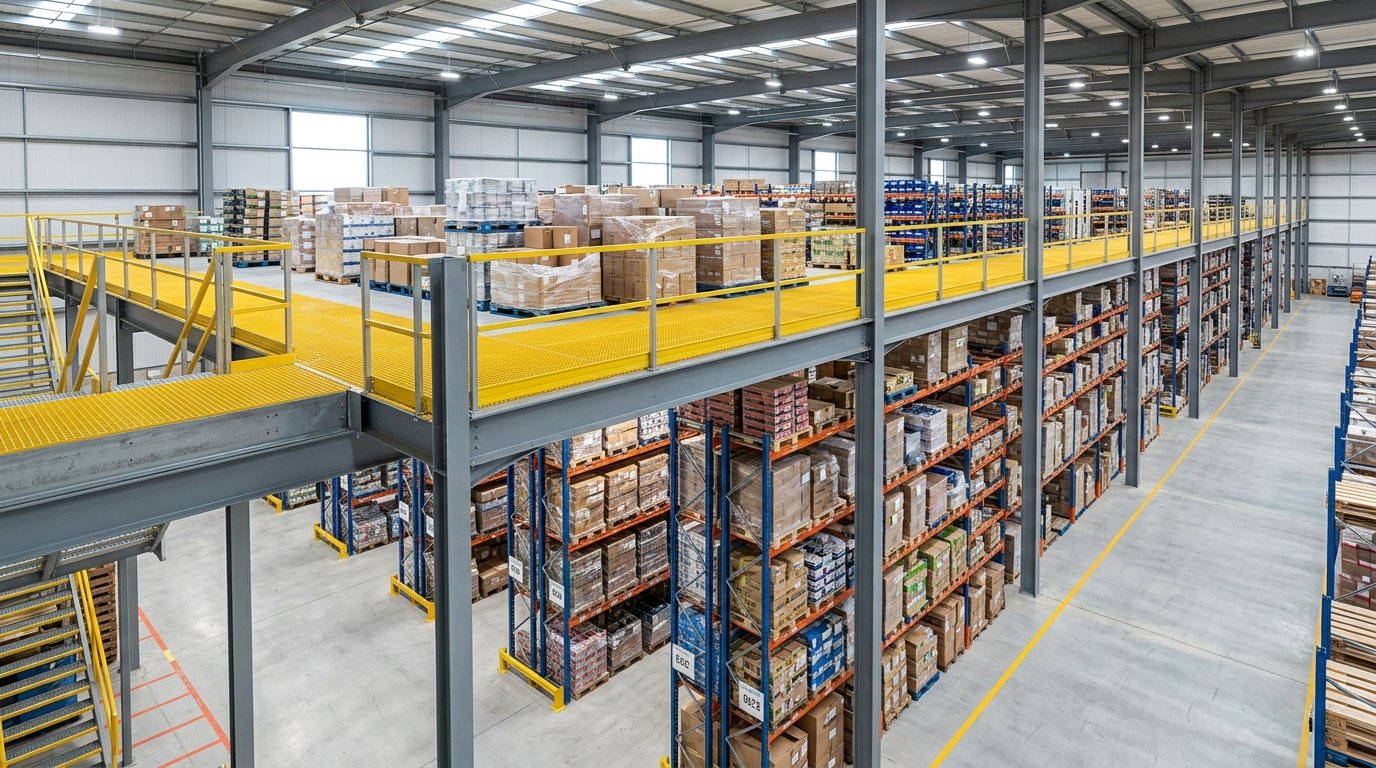
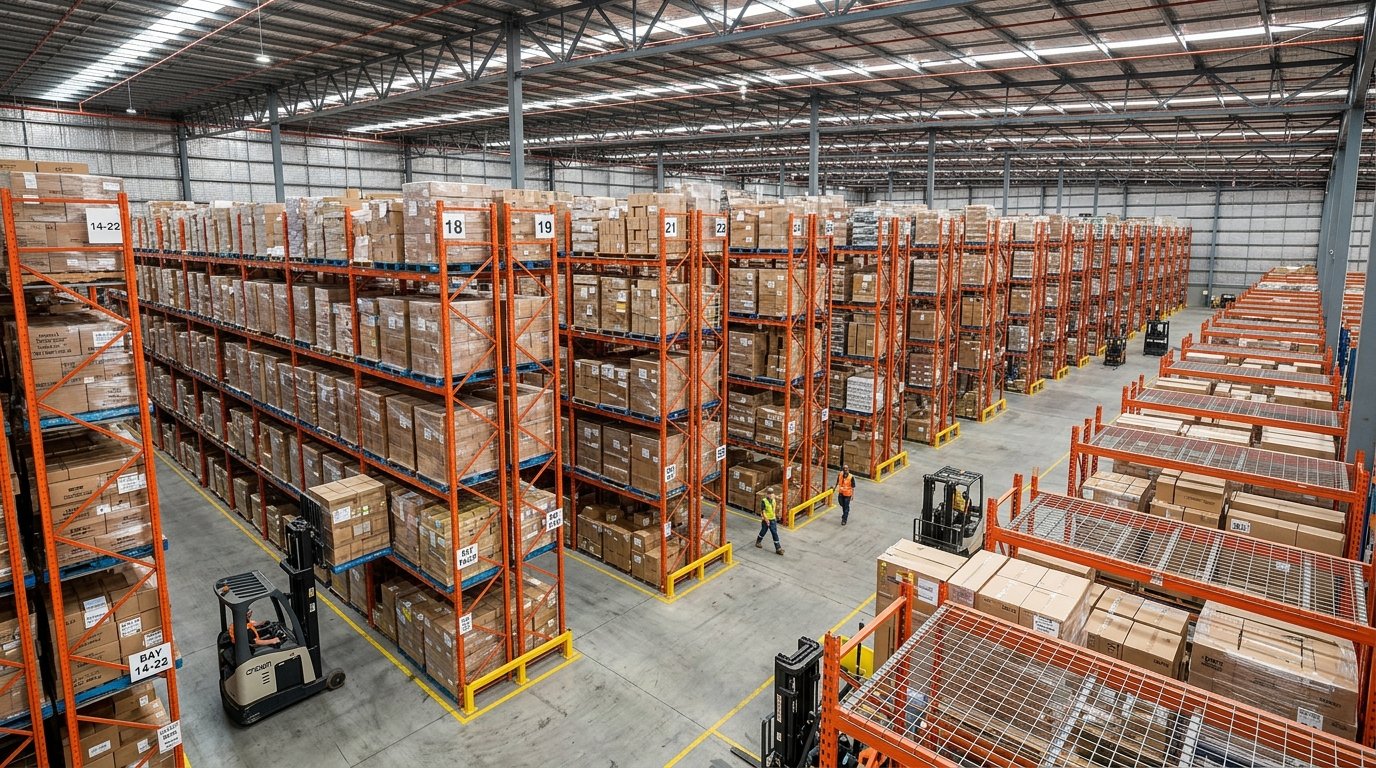
Industrial storage shelves help warehouses, workshops, garages, stockrooms, and production sites hold heavy goods in a safe, organized way. The right shelving gives each item a clear location, supports the required weight, and makes picking work faster. The wrong system can bend, tip, waste floor space, or create a serious workplace hazard.
This guide covers the main types of industrial storage shelves, load ratings, materials, shelf spacing, anchoring, installation, safety checks,. And long-term care. You’ll also find a comparison table to help you match a shelving system to your building and stock.
What Are Industrial Storage Shelves?
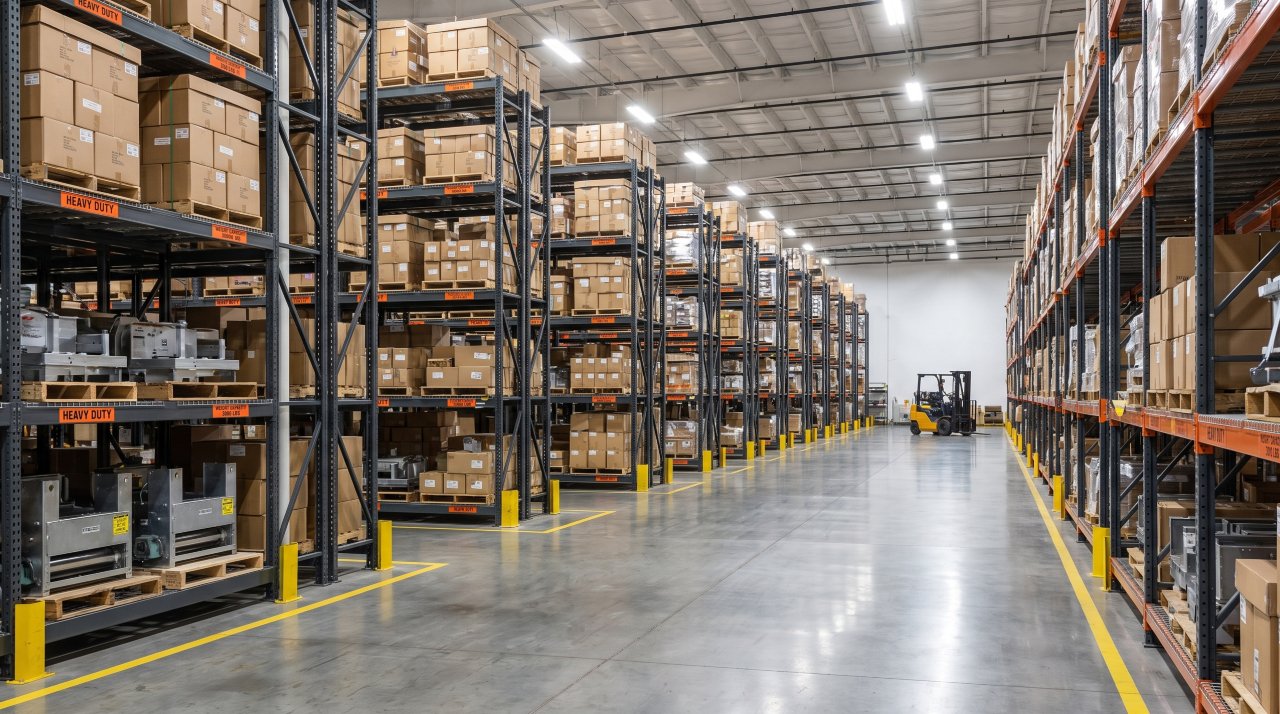
Industrial storage shelves are heavy-duty shelving units built for demanding work areas. They use steel frames, reinforced beams, braces, shelf panels, or wire decks to store boxes, parts, tools, containers,. And other goods.
Many systems support several thousand pounds per level when they’re installed and loaded correctly.
These shelves differ from light-duty garage units in several key ways. They use thicker steel, stronger connections, better bracing, and higher load ratings. Commercial systems also offer replacement parts, adjustable shelf levels, floor anchoring,.
And accessories such as dividers, back stops, bin fronts, and safety panels.
Most industrial shelves are rated by uniform distributed load, or UDL. This means the stated weight is spread evenly across the full shelf surface. A shelf rated for 4,000 pounds per level may not safely hold one 4,000-pound item placed in a small area.
Point loads can stress beams and decking, so always check the manufacturer’s rating for concentrated weights.
Common Types of Industrial Storage Shelves
Roll-Formed Steel Shelving
Roll-formed steel shelving is common in warehouses, stockrooms, and distribution areas. The upright frames. And beams are formed from steel coils, which keeps the parts consistent and makes the system easier to adjust.
Teardrop-style connections let beams lock into upright columns without many loose bolts.
This shelving works well for cartons, packaged goods, tools, and medium to heavy inventory. It’s available in several beam lengths and depths, so you can build rows around doors, workstations, columns, and loading areas. Many units use particleboard, steel, or wire decking.
Check the connector design before buying. The beam should seat fully into the upright frame,. And locking pins should be fitted where the manufacturer calls for them.
A loose connector can let a beam lift or shift during loading.
Structural Steel Channel Shelving
Structural steel channel shelving uses heavier steel sections and bolted connections. It’s built for high loads, long spans, and tough working conditions. These systems often support large machinery parts, metal stock, drums, molds, and dense containers.
Structural shelves take more time to assemble than boltless systems. The extra work can pay off when the storage load is high or the building has frequent forklift traffic. Floor anchors and seismic-rated anchor bolts may be required, based on the building location, local rules, and system design.
Ask for stamped load data, beam tables, upright ratings, and anchoring details before purchase. A supplier should be able to explain the rated load for each beam length and shelf depth.
Industrial Wire Deck Shelving
Industrial wire deck shelving uses steel mesh panels that drop into rack beams or shelf frames. The open design allows light and air to pass through each level. It also makes it easier to see stored goods from the aisle.
Wire decks are useful in areas with sprinklers because they allow water to pass through the shelf levels. They’re also easier to clean than solid wood or metal panels. The grid shape reduces dust buildup and gives workers a clear view of the load.
Wire decks must fit the supporting beams correctly. Look for panels with the right width, depth, bearing points, and load rating. A panel that rests on only part of the beam can shift when a load is placed on it.
Industrial Shelving Comparison Table
The table below shows common differences among three industrial storage shelf designs. Load values are typical ranges, not a substitute for the supplier’s stamped rating. The final capacity depends on shelf size, beam type, upright spacing, decking, bracing, and installation.
| Shelving Material | Assembly Type | UDL Load Capacity | Frame Anchoring |
|---|---|---|---|
| Roll-Formed Steel | Teardrop boltless | 2,000 to 5,000 lb per level | Required (floor anchors) |
| Structural Steel Channel | Heavy bolted | 5,000 to 10,000 lb per level | Required (seismic anchor bolts) |
| Industrial Wire Deck | Drop-in grid | 2,000 to 4,000 lb per level | Standard (fits on step beams) |
How to Choose the Right Shelving
Start With the Load
Make a list of the goods you plan to store. Record the weight of the heaviest item, the average weight per shelf,. And the number of items that will sit on each level.
Add a safety margin so the shelves aren’t used at their maximum rating every day.
Use the total load across the shelf, not just the weight of one box. For example, 20 containers weighing 150 pounds each create a 3,000-pound load. If the containers are grouped in the center, confirm that the shelf can handle that placement.
Keep the heaviest goods on the lower levels. This lowers the center of gravity and reduces the chance of a tip. It also makes loading and picking safer.
Measure the Available Space
Measure the length, width, and clear height of the storage area. Record doors, columns, sprinkler lines, lights, drains, electrical panels, and exit routes. Leave enough room for people, carts, pallet jacks, and forklifts.
Check the ceiling height before ordering tall units. Shelves need clearance above the top load, and some buildings have height limits for fire protection. A tall unit may provide more storage,.
But it can create a problem if it blocks sprinklers or sits too close to overhead equipment.
Mark the proposed shelf rows on the floor with tape. Walk the route with the largest cart or pallet jack you use. This simple test can reveal tight corners and blocked access before the system arrives.
Match the Shelf to the Stock
Cartons and small parts often work well on solid panels or adjustable steel shelves. Long materials need wide bays with proper supports. Open bins may need dividers to stop parts from sliding into the aisle.
Drums and liquid containers may need spill control and special support.
For loose items, add front lips or back stops. For long items, use arms, cradles, or a suitable cantilever system instead of forcing them onto standard shelves. For fragile goods, add padding or separate bins so parts don’t strike one another.
Use the stock’s size as a guide for shelf spacing. Leave a small handling gap above each load. Workers should be able to remove goods without dragging them across the shelf or lifting them at an awkward angle.
Safety Features to Specify
Floor Anchors
Anchoring stops frames from sliding, shifting, or tipping. The anchor type depends on the floor slab, building design, seismic risk, and shelf height. Concrete anchors must be installed at the correct depth and spacing.
Don’t drill into areas with embedded utilities. Check the slab and site drawings before drilling. If you’re unsure about the floor condition, ask a qualified installer or structural professional to review it.
Back Stops and Row Spacers
Back stops help keep cartons and containers from being pushed through the rear of a shelf. Row spacers connect back-to-back units and maintain the planned distance between rows. These parts also help keep a multi-row system aligned.
Back stops don’t replace proper loading. Goods should still sit fully on the deck, with no large portion hanging over the front or rear edge.
Column Guards
Forklifts, carts, and pallet jacks can damage upright frames. Column guards absorb or deflect some impact and help protect the frame base. Install them at traffic points, aisle ends, and corners where equipment turns.
Inspect the frame after any collision. A bent upright, cracked weld, loose anchor, or twisted beam can reduce the system’s capacity. Remove damaged parts from service until a qualified person checks them.
Wire Decks and Safety Panels
Wire decks reduce the chance of goods falling through an open rack frame. Safety panels can add protection at the rear or sides of a unit. Choose mesh size based on the stored goods and the risk of small items falling into work areas.
Make sure every deck sits flat and has full bearing on its supports. Replace panels with bent wires, broken welds, or missing support pieces.
Installation Tips for Industrial Shelves
Read the installation manual before opening the cartons. Sort uprights, beams, braces, connectors, anchors, and decking. Confirm that the parts match the order and that the shelf lengths and depths are correct.
Build the first bay on a flat surface and check it for square. Measure the diagonals or use a framing square. A frame that starts out of square can make the rest of the row difficult to align.
Install braces and beam locks as shown in the instructions. Don’t remove a brace to make room for a pipe or cable. If site conditions conflict with the design, ask the supplier for an approved change.
Level the frames before anchoring them. Use suitable shims where permitted by the manufacturer. After anchoring, check that the frame is still plumb and that each beam is fully seated.
Load the shelves after the complete system has been inspected. Place goods gently, keep loads within the marked limits,. And add capacity labels where workers can see them from the aisle.
Rules for Loading and Daily Use
Post the maximum load for each shelf level. Workers should know the limit before they place stock on the unit. If shelf levels have different ratings, label each one separately.
Keep loads centered from left to right. Spread cartons across the full depth when the shelf is rated for a uniform load. Don’t place heavy goods on one corner or stack them where they can roll forward.
Keep aisles clear at all times. Empty pallets, packing material, tools, and loose cartons can create trip hazards and block emergency access. Use marked staging areas for goods waiting to be put away.
Train workers to report impacts and damage. A fast report can prevent a small defect from becoming a frame failure. Keep a simple inspection log with the date, location, defect, and repair action.
For guidance on material handling practices, review the Material Handling Institute standards. You can also check the OSHA storage regulations for workplace storage and handling requirements.
Maintenance and Inspection Schedule
Daily Checks
Look for leaning frames, missing pins, loose bolts, damaged decking, fallen goods, and blocked aisles. Check areas near forklift routes first because they face the greatest impact risk.
Monthly Checks
Inspect uprights, beams, braces, anchors, row spacers, decks, labels, and guards. Look for rust, cracks, bent steel, stretched holes, loose connections, and worn floor anchors. Compare the installed layout with the approved plan if the shelving has been changed.
After an Impact
Stop using the affected bay if a vehicle strikes it. Move goods only if doing so can be done safely. Mark the area and have a qualified person assess the damage.
Don’t straighten a bent upright with a forklift, torch, or hammer. That can hide damage and weaken the steel.
Replace damaged parts with approved components from the system maker. Mixing parts from different systems can change the load rating and connection strength.
Industrial Storage Shelves vs. Pallet Racks
Industrial storage shelves usually suit hand-loaded goods, cartons, parts, and small containers. Workers can reach the stock from the aisle without using a forklift. Shelf levels are often closer together, which makes the system useful for picking operations.
Pallet racks are built for palletized goods handled by forklifts or other powered equipment. They generally use deeper frames, wider aisles, heavier beams, and pallet support decks. If your goods arrive.
And leave on pallets, compare industrial storage shelves with industrial storage racks before placing an order.
Some sites use both systems. Pallet racks can hold reserve stock, while hand-loaded shelves can hold fast-moving parts and order-picking goods. The best mix depends on item size, handling equipment, stock volume, and picking frequency.
Cost Factors to Review
The shelf price is just one part of the project cost. Include decking, anchors, guards, dividers, back stops, labels, delivery, installation, permits, and future replacement parts.
Longer beams may increase capacity, but they can also need stronger steel and extra bracing. Taller frames can hold more stock, but they may require special installation equipment and added protection. Wire decking may cost more than wood panels at purchase, but it can last longer in damp or high-traffic areas.
Ask suppliers for a written quote that lists every component. Confirm the load rating, shelf dimensions, finish, anchor requirements, delivery terms, and installation scope. For a closer look at load ratings and project pricing, review this guide to heavy duty industrial shelving.
Frequently Asked Questions
How much weight can industrial storage shelves hold?
Capacity varies by frame size, beam length, shelf depth, steel thickness, decking, and assembly. Many systems hold between 2,000 and 10,000 pounds per level, but the supplier’s rating controls. The stated rating usually assumes a uniform load spread across the shelf.
Do industrial storage shelves need floor anchors?
Most heavy-duty systems need floor anchors, especially tall frames, high-load units, and shelves placed in forklift traffic areas. Anchor requirements depend on the frame design, floor slab, local rules, and seismic conditions. Follow the manufacturer’s instructions and use approved anchor hardware.
Are wire decks better than solid shelf panels?
Wire decks offer airflow, light, visibility, and easy cleaning. They can also support sprinkler water flow through the rack. Solid panels may work better for very small parts or goods that could fall through a grid.
Pick the deck based on the item size, environment, load, and fire protection plan.
How often should industrial shelving be inspected?
Workers should perform quick visual checks during daily operations, with a more detailed inspection at a set monthly interval. Or based on site policy. Inspect the system after any impact, relocation, overload, or major building change.
Record defects and remove unsafe bays from use until repairs are complete.
Final Buying Checklist
- List the weight, size, and handling method for each stored item.
- Confirm the UDL rating for every beam and shelf level.
- Measure the room, aisles, doors, columns, lights, and sprinkler clearance.
- Choose decking that suits the stock and working environment.
- Specify anchors, guards, back stops, row spacers, and safety panels.
- Request installation instructions and stamped capacity data.
- Plan labels and inspection records before the shelves are loaded.
- Train workers on load limits, aisle control, and damage reporting.
Good industrial storage shelves should fit the load, the building, and the way your team works. Start with accurate measurements and real load data. Then choose a system with clear ratings, proper anchoring, suitable decking, and parts that can be replaced.
That approach gives you safer storage and better use of valuable floor space.

Callum Langham
Founder & Technical Storage Editor
Callum Langham is the founder and technical editor of Rack System. With over 12 years of hands-on field experience in warehouse logistics, garage organization, and industrial storage installations, Callum specializes in engineering safety standards, beam load calculations, and OSHA/RMI compliance. Every guide on Rack System is audited against verified steel gauge tolerances and municipal building codes.