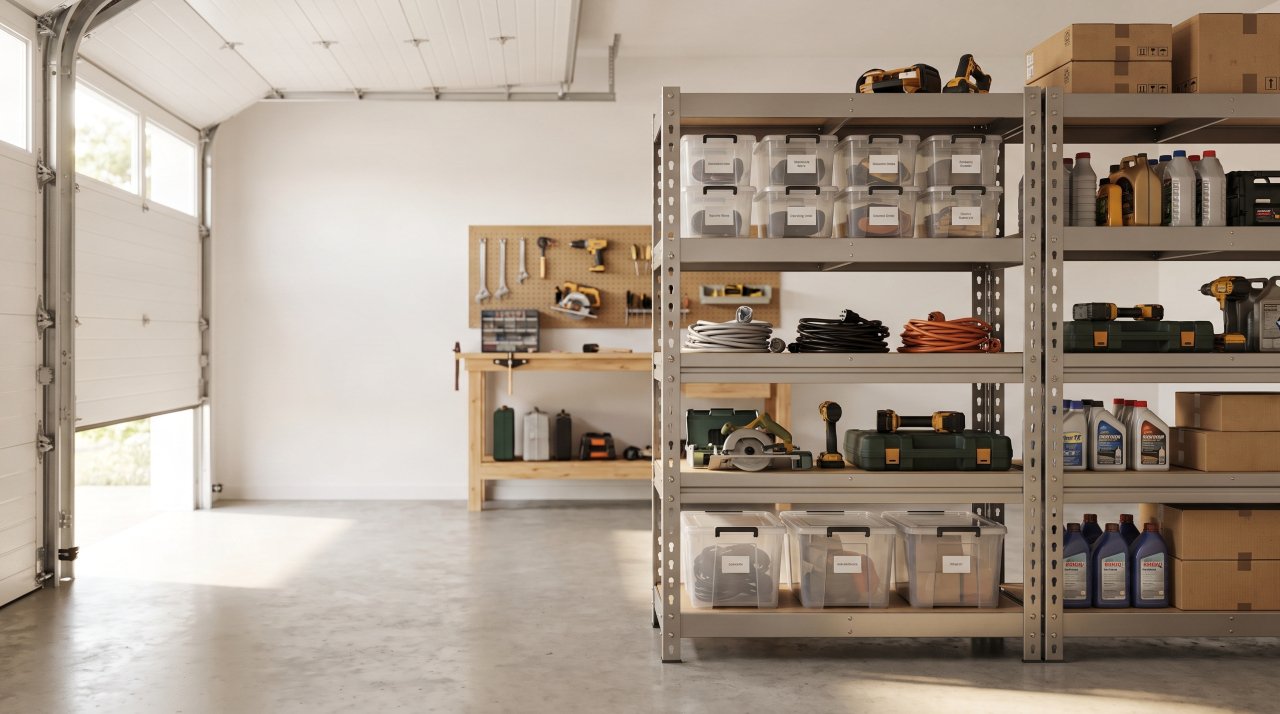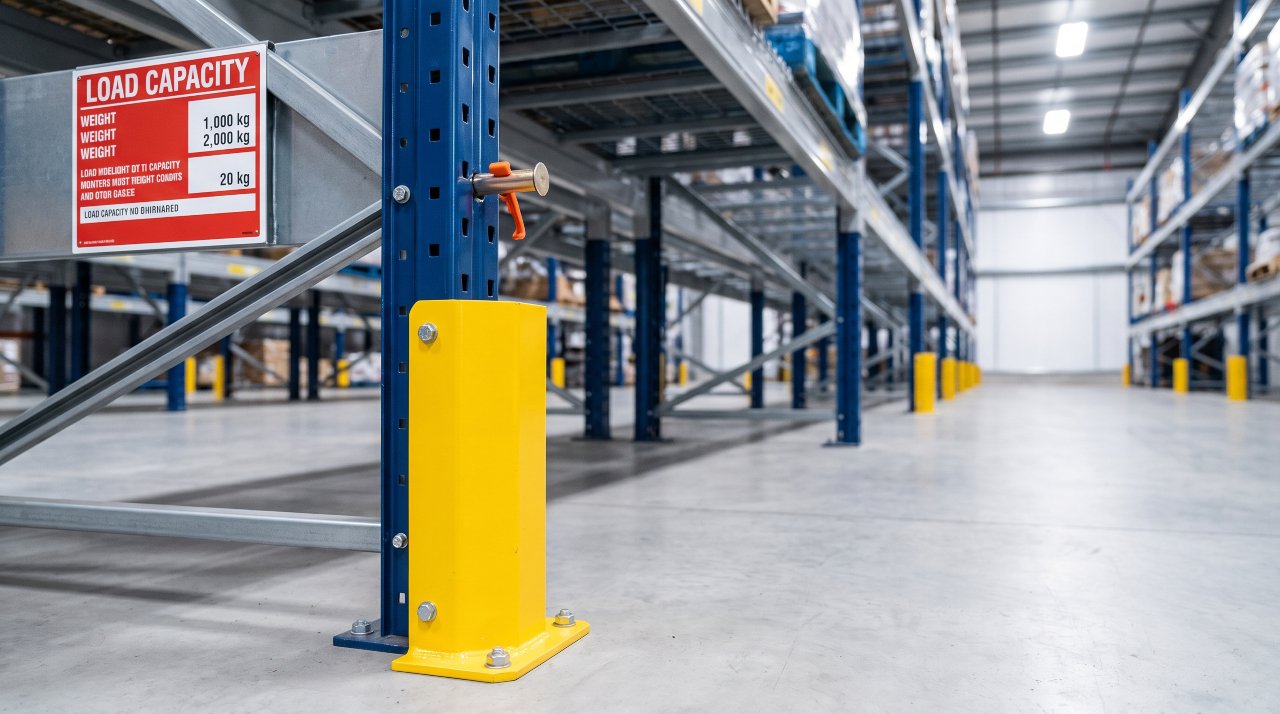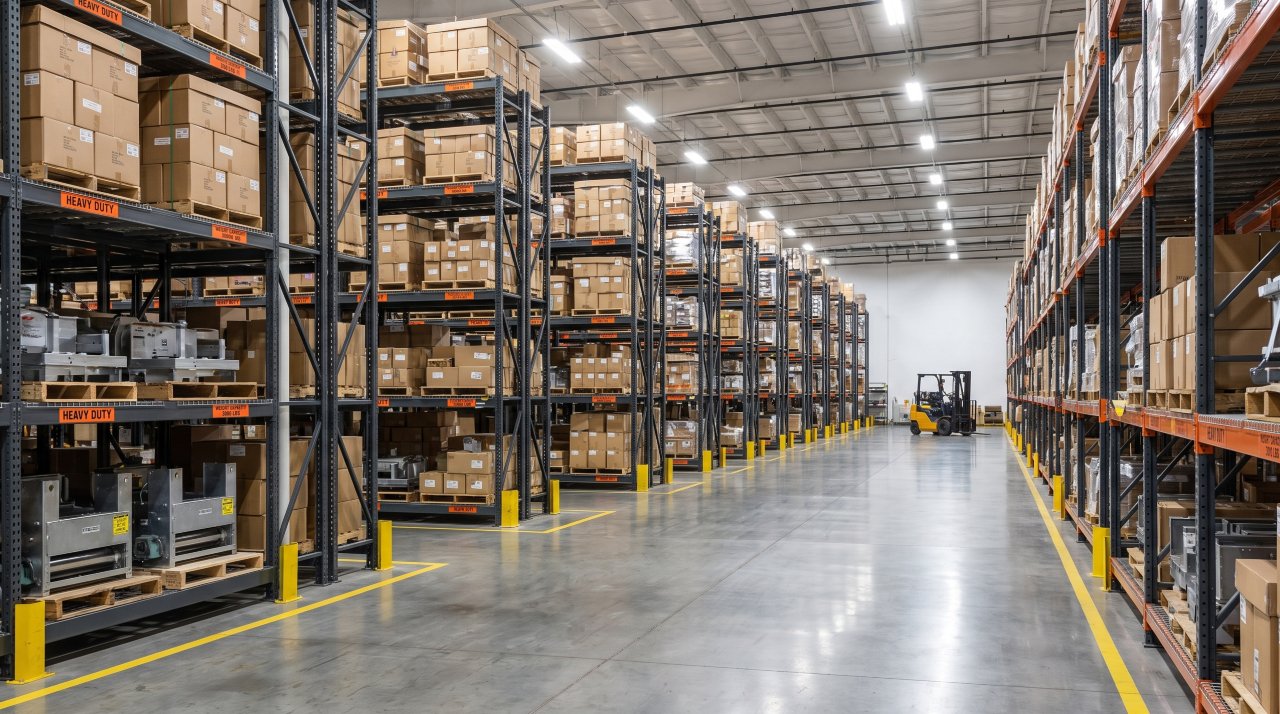
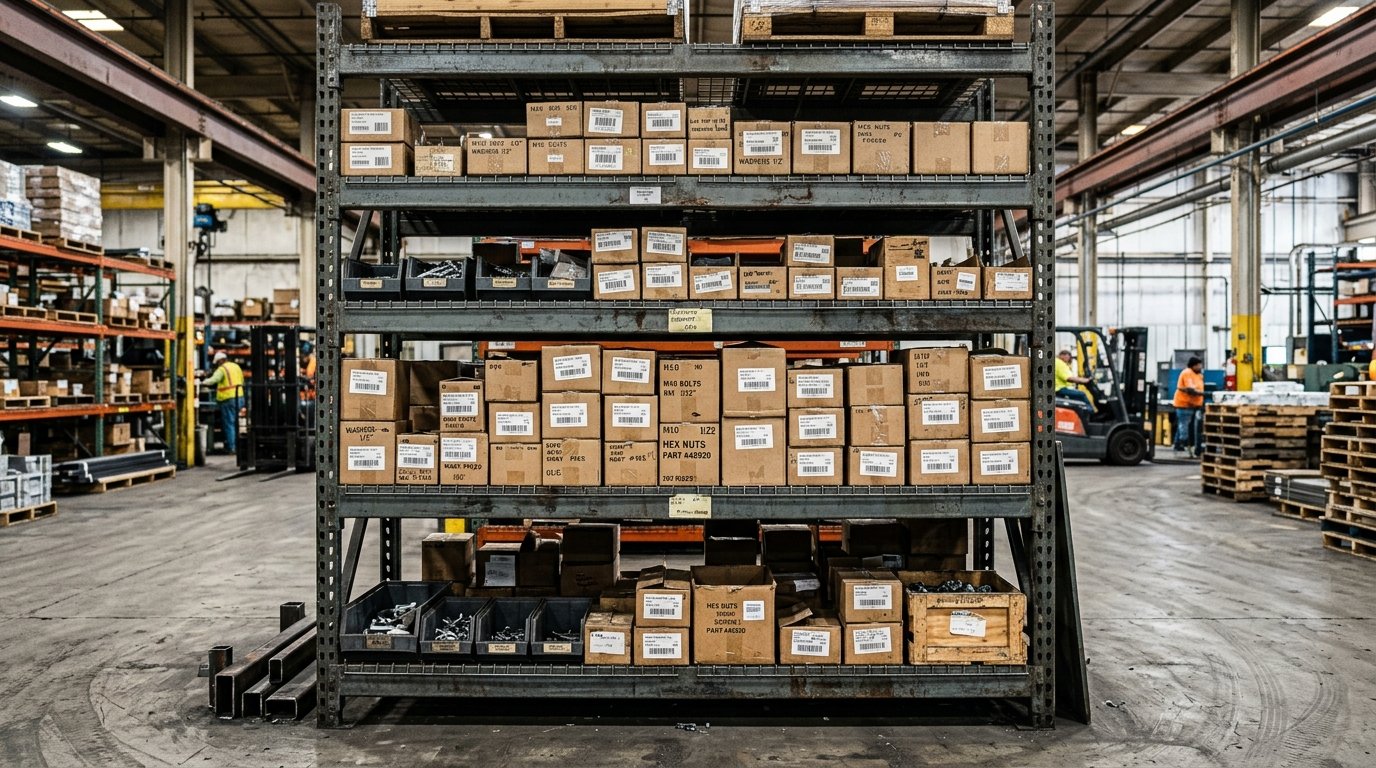
Metal storage shelving gives you a strong, long-lasting way to organize stockrooms, workshops, warehouses, garages, offices, and retail areas. The right system can hold heavy cartons, tools, spare parts, containers,. And equipment without taking up more floor space than needed.
The wrong system can bend, wobble, waste room, or create a safety risk.
This guide covers the main points you’ll need to choose, plan, install, and maintain metal storage shelving. You’ll learn how steel gauge affects strength, how to calculate shelf capacity, which shelf style fits your work,. And how to keep your storage area safe.
For more guidance on high-capacity systems, see this guide to heavy duty metal shelving.
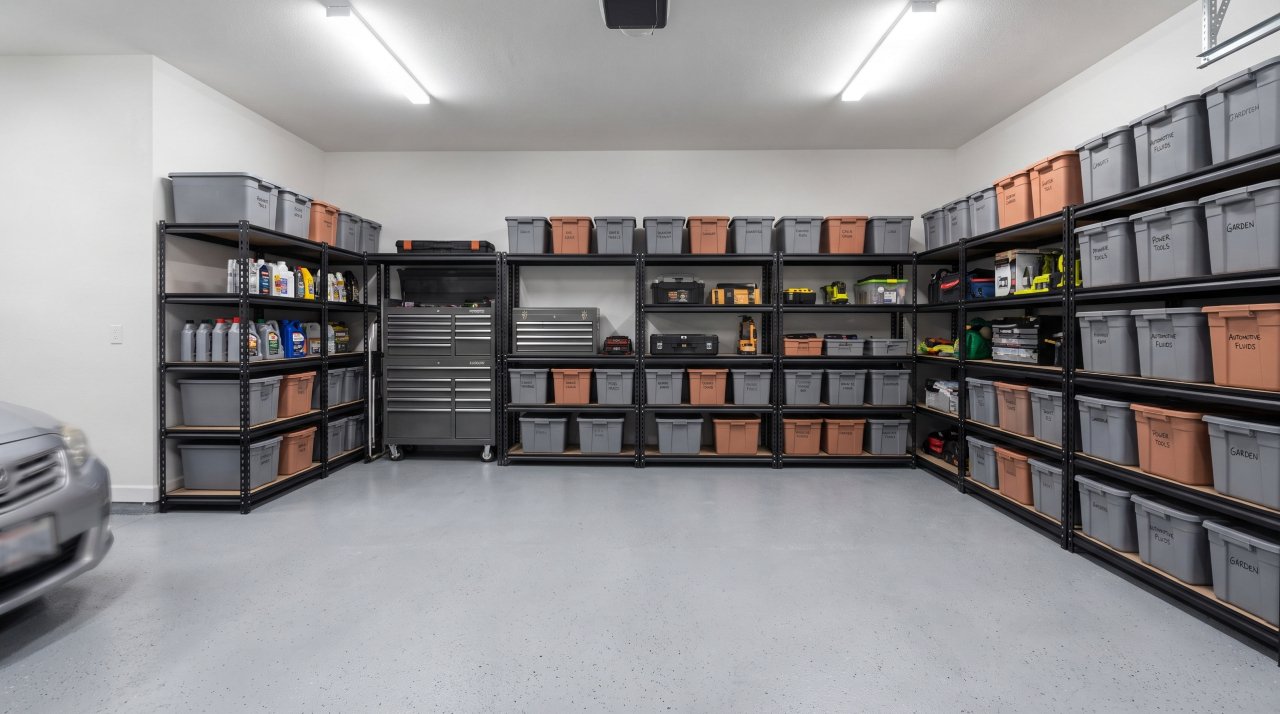
What Is Metal Storage Shelving?
Metal storage shelving is a freestanding or wall-supported storage system made from steel or another metal alloy. Most systems include upright posts, horizontal beams, shelf panels, braces, and fasteners. Some units use clips or rivets for quick assembly, while others use bolts for a tighter connection.
Steel shelving is common because it handles repeated use and heavier loads than many plastic, wood, or wire products. It also resists dents, pests, and moisture better than untreated wood. A painted or powder-coated finish can protect the steel from scratches and surface rust.
Most shelving is rated by the load each shelf can support. This rating usually assumes that the weight is spread evenly across the shelf. This is called a uniformly distributed load, or UDL.
A shelf rated for 1,000 pounds may not safely hold one 1,000-pound machine placed in the middle. Point loads can cause bending, panel failure, or damage to the frame.
Why Businesses Use Steel Shelving
Metal storage shelving works well when you need dependable storage in a busy area. It offers several practical benefits:
- High load capacity: Steel shelves can support cartons, tools, parts, and equipment that would damage lighter furniture.
- Long service life: Good steel shelving can last for many years when it’s loaded correctly and kept dry.
- Adjustable levels: Many units let you move shelves up or down to suit the items being stored.
- Efficient use of space: Tall shelving uses vertical room and can reduce clutter across the floor.
- Easy cleaning: Smooth painted steel can be wiped down quickly in stockrooms and workshops.
- Flexible layouts: Units can often be arranged in rows, back-to-back runs, or corner layouts.
Steel shelving also makes stock control easier. When items have fixed locations, staff can find products faster and spot low inventory sooner. Labels, bin dividers, and shelf numbering can turn a basic rack into a clear storage system.
Choose the Right Shelf Capacity
Start by listing the items you’ll store on each shelf. Record the weight, size, shape, and quantity. Add the weights together, then leave a safety margin.
Don’t select a shelf rating that matches your expected load exactly.
For example, if a shelf will hold 650 pounds of boxed parts,. A 1,000-pound shelf rating gives you more room for changes in stock. It also reduces the risk of damage from uneven loading.
If a shelf will hold a compact machine, check the manufacturer’s point-load rules instead of relying on the UDL figure.
Steel Gauge and Shelf Strength
Steel gauge describes the thickness of the steel. A lower gauge number usually means thicker steel. Thicker steel can provide greater rigidity and load support, but the shelf design also matters.
The shape of the beams, shelf depth, braces, welds, clips, and frame design all affect performance.
| Steel Gauge | Thickness (in) | UDL Load Limit | Structural Rigidity |
|---|---|---|---|
| 14-Gauge Steel | 0.0747 in | 1,500 to 3,000 lb per shelf | Heavy industrial use |
| 16-Gauge Steel | 0.0598 in | 800 to 1,200 lb per shelf | Commercial and workshop use |
| 18-Gauge Steel | 0.0478 in | 400 to 600 lb per shelf | Light duty office or shop use |
Use the table as a starting point, not as a replacement for the supplier’s data sheet. Load ratings vary between brands and models. A 16-gauge shelf with reinforced edges may carry more than a poorly supported shelf made from thicker steel.
Check the published rating for the complete unit, shelf spacing, beam arrangement, and installation method.
Measure Your Storage Area First
Measure the room before you order metal storage shelving. Record the wall length, ceiling height, doorway width, aisle space, and location of lights, sprinklers, electrical panels, heaters, and doors. Also check for pipes or other items that may limit shelf height.
Measure the items you’ll store, including their height with packaging. Leave enough clearance to remove them without striking the shelf above. A shelf that fits the room but makes every box hard to reach won’t help your team work faster.
Set a Safe Aisle Width
Aisle width depends on how people move through the area and what equipment they use. A hand truck needs more room than a person carrying a small carton. Forklifts need much wider aisles and clear turning space.
Follow your site rules, equipment instructions, and local fire requirements.
Keep exits, fire equipment, electrical panels, and emergency routes clear. OSHA provides OSHA general storage standards that cover safe storage and material handling in workplaces.
Common Types of Metal Shelving
Clip-In Steel Shelving
Clip-in shelving uses small clips or tabs to connect shelves to upright posts. It’s quick to assemble and makes shelf height changes simple. This style suits offices, stockrooms, parts areas, and light workshops.
Check each clip before loading the shelf. The clip must sit fully inside the upright slot. A partly engaged clip can let the shelf shift or drop when weight is added.
Rivet Shelving
Rivet shelving uses beams that lock into upright frames with rivets or pins. It can carry heavier loads than many basic clip systems and often assembles without nuts and bolts. Rivet units work well for cartons, bins, tools, and warehouse supplies.
Many rivet systems use particleboard or steel shelf decks. Steel decks suit areas where spills, heat, or moisture may damage wood-based panels. Particleboard can offer a smooth surface for boxes, but it needs protection from water.
Boltless Shelving
Boltless shelving uses a slot-and-tab connection. You’ll usually need a rubber mallet to seat the beams. It’s a good choice when you want quick assembly and adjustable shelf levels.
Inspect the tabs and slots during assembly. Bent tabs, damaged uprights, or loose connections can reduce the stability of the unit.
Wire Metal Shelving
Wire shelving uses open metal panels instead of solid shelf decks. The open design allows air and light to pass through. It also helps prevent dust from collecting on the shelf surface.
Wire units are useful in kitchens, clean storage rooms, medical supply areas, and damp locations. Small parts may fall through the openings, so you may need shelf liners or plastic bins.
Mobile Metal Shelving
Mobile shelving sits on tracks or locking casters. Units can move to create a temporary aisle, which saves floor space in compact rooms. This setup needs a level floor, careful loading, and a clear movement plan.
Lock the casters or track system before removing items. Don’t move a heavily loaded unit at speed. Follow the supplier’s weight and movement limits.
Pick the Right Shelf Depth
Shelf depth should match the items you store. A shelf that’s too shallow can leave boxes hanging over the edge. A shelf that’s too deep can hide stock and make reaching difficult.
- 12 to 18 inches: Good for small parts, files, tools, and narrow cartons.
- 18 to 24 inches: A common choice for general stockroom storage.
- 24 to 36 inches: Useful for large cartons, containers, and bulky equipment.
- More than 36 inches: Best for large loads when staff can access both sides or use handling equipment.
Place the most frequently used items between knee and shoulder height. Put lighter, less-used items higher up. Store heavy items on lower shelves to reduce the chance of tipping and make lifting safer.
Plan the Shelf Layout
Make a simple floor plan before assembly. Mark each shelving unit, aisle, workbench, door, and emergency route. Leave room to open cartons, inspect goods, and move a trolley.
Back-to-back rows can save space, but they may need special bracing or a shared support system. Don’t place units back-to-back without checking the manufacturer’s instructions. Wall anchoring may be needed near seismic zones, busy work areas,.
Or places where children or visitors may access the shelving.
Use labels on the front edge of every shelf. A clear code can show the aisle, bay, shelf level, and item group. Keep the label position consistent across the room.
This helps new staff find stock without asking for help each time.
Assembly and Installation Tips
Read the installation guide before opening the boxes. Count the posts, beams, clips, braces, shelf panels, and fasteners. Don’t start loading until every connection is fitted correctly.
- Clear and sweep the installation area.
- Check that the floor is level and strong enough for the planned load.
- Build the first frame on a flat surface when possible.
- Install braces and beams in the correct order.
- Seat every clip, rivet, tab, or bolt fully.
- Use a level to check the completed frame.
- Anchor the unit if the instructions or site conditions require it.
- Apply shelf labels and load signs before stocking.
Two people should assemble tall or heavy units. Wear gloves when handling sharp steel edges, and use eye protection if you’re cutting packaging or working with fasteners. Keep children and untrained staff away from the work area.
For fastener sizes, connector types, and related storage hardware, review the McMaster-Carr storage hardware specs. Use the shelving manufacturer’s instructions as the main source for its own components.
Load Metal Shelving Safely
Load shelves from the bottom up. Put dense, heavy items on the lower levels and lighter items above. Keep the weight spread across the shelf instead of placing it in one small area.
Don’t exceed the posted shelf rating or the full-unit rating. The weakest component sets the safe limit. For example, strong beams won’t make a weak shelf panel safe for a heavier load.
Keep loads inside the shelf frame. Items that project into the aisle can hit people or equipment. Use bins for small parts, and keep loose items away from the front edge.
Large containers should sit flat and remain stable when staff remove nearby items.
Watch for Overloading
Warning signs include bowed shelf panels, bent beams, leaning uprights, loose clips, cracked welds,. And posts that no longer sit straight. Remove the load from a damaged shelf and block access until it’s repaired or replaced.
Don’t try to straighten a bent beam while it’s loaded. A damaged part may have lost strength even if it looks close to its original shape. Contact the supplier for a replacement part that matches the unit.
Prevent Rust and Damage
Keep steel shelving dry and clean. Wipe up spills quickly, especially when the liquid contains salt, chemicals, or cleaning agents. Don’t store wet boxes directly on painted steel for long periods.
Inspect areas near doors, sinks, loading bays, and exterior walls more often. These locations may collect moisture. Touch up small coating scratches with an approved product after cleaning and drying the metal.
Avoid dragging heavy boxes across shelf panels. Use lifting methods that protect both the worker and the shelf. If equipment may strike the shelving, install guard rails, bollards, or other impact protection.
Metal Shelving vs Wood Shelving
Metal shelving usually provides better resistance to insects, fire exposure, moisture, and repeated handling. It’s also easier to clean and adjust. Wood shelving may cost less for light storage and can offer a warmer appearance in offices or retail areas.
Choose steel for heavy loads, busy stockrooms, workshops, garages, and areas where spills are common. Choose wood-based panels when the load is light, the room is dry,. And appearance or low initial cost matters more than maximum service life.
Metal Shelving vs Pallet Racking
Metal shelving is designed for hand loading. Pallet racking is designed for palletized goods handled with forklifts or similar equipment. Shelving usually has smaller shelf levels and lower vertical clearance.
Pallet racking uses larger frames and beams, with strict rules for forklift operation and impact protection.
Don’t use standard shelving for pallets unless the supplier has rated it for that purpose. Select pallet racking when your stock arrives. And leaves on pallets, or when you need high-bay storage with mechanical handling equipment.
Frequently Asked Questions
How much weight can metal storage shelving hold?
The capacity depends on steel gauge, shelf size, beam design, shelf spacing, frame height,. And the way the load is spread. Light office units may hold a few hundred pounds per shelf, while industrial systems may hold several thousand pounds.
Check the manufacturer’s UDL rating and keep the load inside that limit.
Is metal storage shelving better than plastic shelving?
Metal shelving is usually better for heavy loads, long service, and busy work areas. Plastic shelving can work well for light items, damp locations, or temporary storage. Steel provides greater rigidity, but plastic may resist some chemicals better.
Match the material to the load, environment, and handling method.
Do metal shelves need to be anchored?
Some short units may stand safely without anchors when loaded correctly. Tall, narrow, heavily loaded, or high-traffic units may need wall or floor anchoring. Follow the manufacturer’s instructions and local safety rules.
Anchoring is also a wise choice in areas with vibration, vehicle traffic, or earthquake risk.
How often should steel shelving be inspected?
Inspect shelving during routine workplace checks and after any impact, relocation, or major load change. Look for bent posts, loose connections, rust, damaged shelf panels, and leaning frames. Busy warehouses may need weekly visual checks, while lighter-use areas may use a monthly schedule.
Record repairs and remove unsafe units from service.
Final Buying Checklist
Before you order metal storage shelving, confirm these points:
- The shelf load rating exceeds the planned weight.
- The rating applies to the complete unit, not just one beam or panel.
- The shelf depth and width fit your products.
- The unit fits through doors and into the planned room.
- Aisles remain clear for people and handling equipment.
- The floor can support the loaded unit.
- Anchors or braces are available when needed.
- Shelf levels can be adjusted for your stock.
- The finish suits the moisture and chemical conditions.
- Replacement parts and load labels are available.
Good metal storage shelving starts with accurate measurements, realistic load figures, and a layout that supports daily work. Pick a system that matches your stock. And building, assemble it correctly, spread loads evenly, and inspect it on a regular schedule.
Those steps will help your shelving stay stable, useful, and safe for years.

Callum Langham
Founder & Technical Storage Editor
Callum Langham is the founder and technical editor of Rack System. With over 12 years of hands-on field experience in warehouse logistics, garage organization, and industrial storage installations, Callum specializes in engineering safety standards, beam load calculations, and OSHA/RMI compliance. Every guide on Rack System is audited against verified steel gauge tolerances and municipal building codes.