Did you know that improperly installed or overloaded industrial shelving causes over 7,000 warehouse injuries annually in the U.S., according to 2025 OSHA incident reports? Many of these accidents happen because business owners don’t understand the critical differences between standard and heavy duty industrial shelving.
You’re about to learn everything you need to make an informed decision about heavy duty industrial shelving for your facility. This guide covers the 2026 safety compliance updates, weight capacity calculations, material comparisons, and ROI analysis that’ll help you choose the right system. Whether you’re setting up a new warehouse or upgrading your garage storage, you’ll walk away knowing exactly what to buy and why.
What Heavy Duty Industrial Shelving Actually Means
Heavy duty industrial shelving isn’t just “strong shelves”—it’s a specific category of storage systems engineered to hold between 2,000 and 12,000 pounds per shelf level. You’ll find these systems in warehouses, manufacturing facilities, distribution centers, and even high-capacity garage storage setups.
The key difference between regular shelving and heavy duty industrial units comes down to three factors: load capacity, construction materials, and compliance with industrial safety standards. Regular shelving typically maxes out at 200-800 pounds per shelf. Industrial shelving starts where regular shelving ends.
Here’s what makes a shelving system “heavy duty”: reinforced steel construction, thicker gauge materials (14-gauge or heavier), cross-bracing for lateral stability, and certified load ratings. If the manufacturer can’t provide load testing certification, you’re not looking at true industrial shelving.
Types of Heavy Duty Industrial Shelving Systems
You’ll encounter five main types when shopping for industrial shelving. Each serves different needs, and choosing wrong can cost you thousands in wasted space or safety violations.
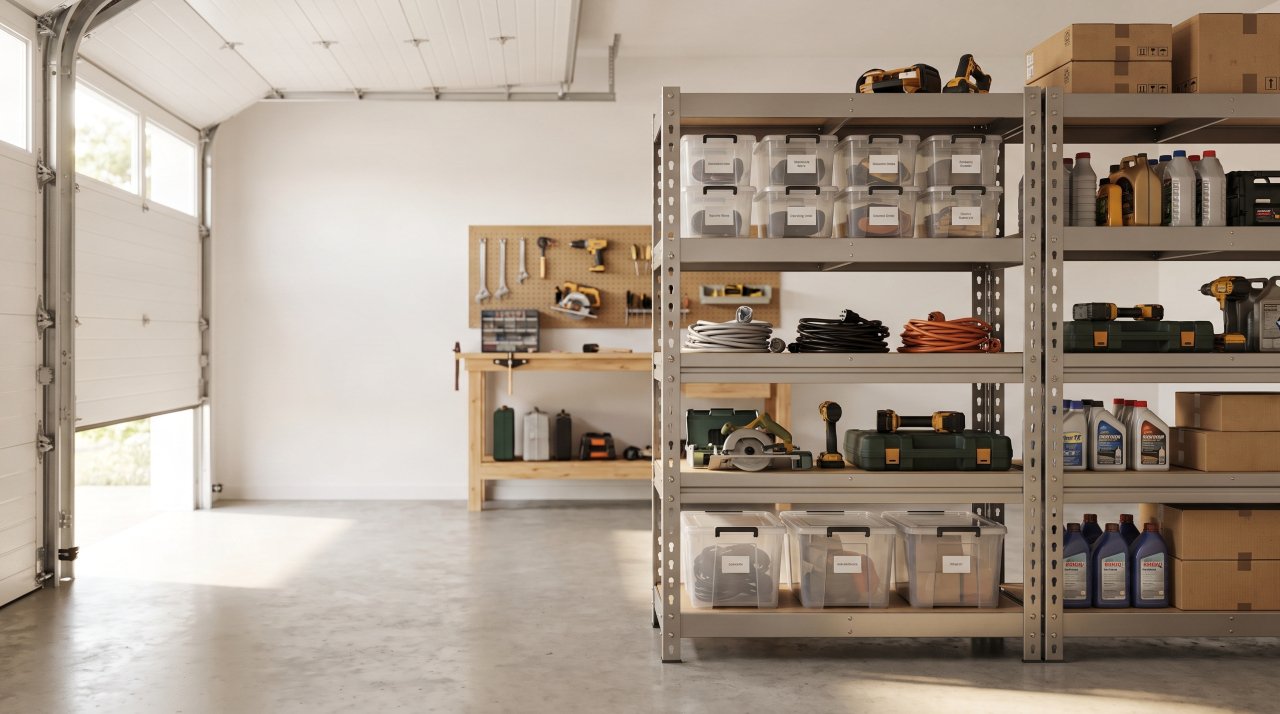
Rivet shelving uses a boltless design that snaps together with rubber mallets. You can assemble these units in 15-20 minutes without tools. They handle 2,000-4,000 pounds per shelf and work well for mid-sized operations. The downside? They’re less stable than bolted systems if you’re storing long, heavy items.
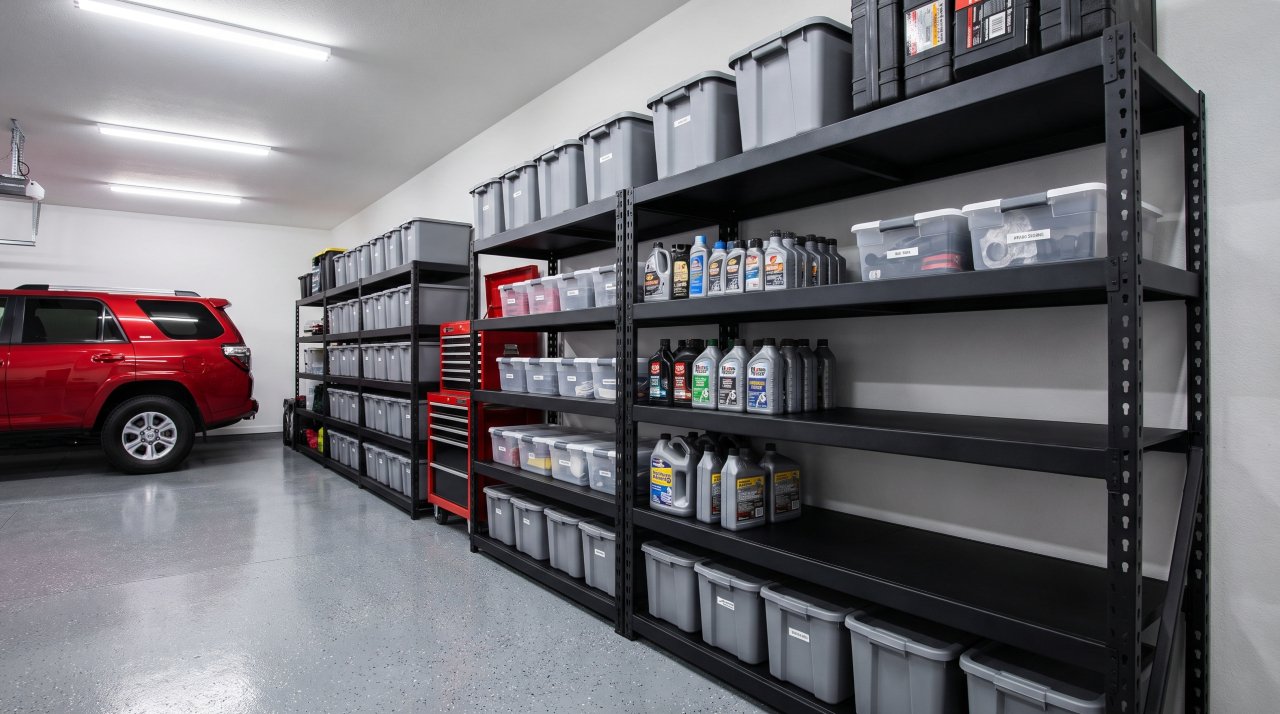
Bolted shelving requires assembly with nuts and bolts, taking 45-60 minutes per unit. These systems support 3,000-6,000 pounds per shelf and provide superior stability. You’ll want bolted shelving if you’re storing automotive parts, manufacturing components, or anything that creates uneven weight distribution.
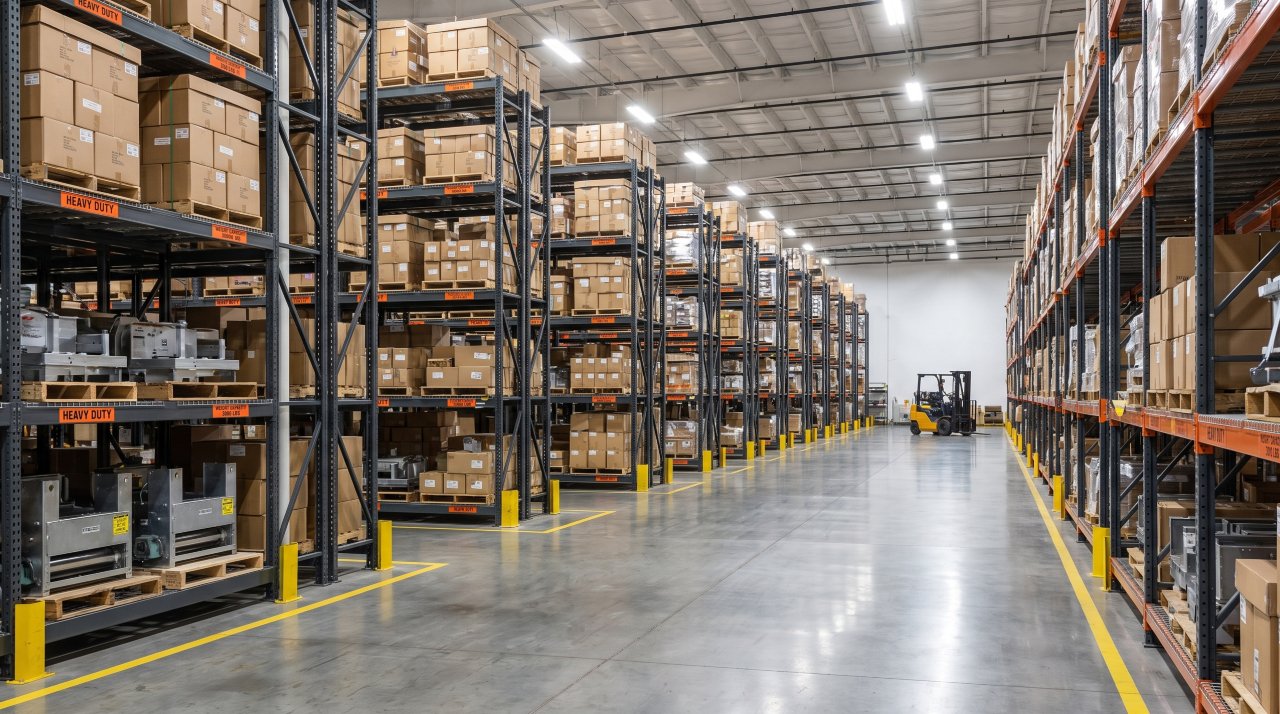
Pallet racking is designed for forklift access and handles 3,000-12,000 pounds per level. This is what you see in major distribution centers. Installation requires professional help due to complex safety requirements, but the storage density can’t be beaten for large operations.
Wire shelving offers visibility and air circulation, crucial for food service or pharmaceutical storage. It supports 800-2,500 pounds per shelf—lower than solid steel but necessary for certain compliance requirements. The open design also resists dust accumulation.
Cantilever shelving extends arms from a central column, perfect for long items like lumber, pipes, or sheet materials. Each arm handles 1,000-3,000 pounds. You won’t need this unless you’re storing items over 6 feet long regularly.
2026 OSHA Compliance Requirements You Must Know
The 2026 OSHA guidelines introduced stricter requirements for industrial shelving installations. Ignoring these can result in fines between $7,000 and $70,000 per violation.
First, you must now post load capacity placards on every shelving bay showing maximum weight per shelf and total unit capacity. These aren’t suggestions—they’re required signage. The placards must remain legible and visible from floor level.
Second, any shelving system over 12 feet tall requires professional seismic evaluation and anchoring in California, Oregon, Washington, Alaska, and parts of Nevada. Even if you’re outside these states, OSHA recommends anchoring all units over 8 feet to floor or wall.
Third, annual inspections became mandatory in 2026 for facilities with more than 50 shelving units. You’ll need documentation showing inspection dates, findings, and repairs. Keep these records for five years minimum.
The National Institute for Storage and Handling recommends spacing shelving aisles at least 3 feet wider than your widest load. This changed from the previous 2-foot guideline after several reported forklift accidents.
The Science Behind Weight Capacity Ratings
Understanding weight capacity keeps you safe and prevents expensive product damage. Here’s how the ratings actually work.
Manufacturers test shelving by loading it to 150% of rated capacity for 24 hours. If it shows no deformation or failure, it receives certification. When you see “3,000 lbs per shelf,” that means the shelf withstood 4,500 pounds during testing.
But here’s the catch: that rating assumes evenly distributed weight. If you place all 3,000 pounds in the center of a 48-inch shelf, you’ll likely see failure. The engineering principle is simple—concentrated loads create more stress than distributed ones.
You should also know about total unit capacity versus per-shelf capacity. A 5-shelf unit rated at 12,000 pounds total doesn’t mean each shelf holds 2,400 pounds. The bottom shelves carry the cumulative weight from above. Always place your heaviest items on the lowest shelves.
Temperature affects capacity too. Steel shelving loses approximately 15% of load capacity when temperatures exceed 120°F. If your facility lacks climate control, factor this into your calculations.
ROI Analysis: What Industrial Shelving Actually Costs
You’re probably wondering if heavy duty industrial shelving justifies the investment. Let’s break down real numbers based on 2026 market prices.
Basic rivet shelving runs $200-$400 per 5-shelf unit (36″W x 72″H x 18″D). For a 1,000 square foot space, expect to invest $2,000-$4,000. These systems last 15-20 years with proper maintenance, putting your annual cost at $130-$265.
Bolted industrial systems cost $350-$700 per unit for similar dimensions. A full warehouse setup runs $5,000-$12,000 but provides 40-60% more storage density. The payback period averages 2.3 years when you factor in avoided rental of additional space.
Pallet racking represents the biggest upfront cost at $1,500-$4,000 per bay, plus $800-$1,500 for professional installation. However, vertical storage density can triple your capacity. If you’re paying $8-$15 per square foot annually for warehouse space, proper pallet racking can eliminate the need for expansion.
Here’s a real example: A mid-sized distributor in Ohio spent $18,000 on pallet racking in 2024. They avoided leasing an additional 2,000 square feet at $1,200 monthly. The system paid for itself in 15 months.
Don’t forget ongoing costs. Annual inspections run $300-$800 for facilities under 10,000 square feet. Budget $200-$500 yearly for replacement clips, posts, or beam repairs.
Material Comparison: Steel, Wire, and Composite Options
The material you choose affects durability, cost, and what you can actually store. Let’s compare your main options.
Cold-rolled steel dominates the industrial shelving market. It’s formed at room temperature, creating a smooth, hard surface that resists wear. You’ll pay 20-30% more than hot-rolled steel, but you get tighter tolerances and better paint adhesion. Cold-rolled shelving lasts 20-25 years in climate-controlled environments.
Hot-rolled steel costs less but shows slight surface irregularities. For applications where appearance doesn’t matter—back-of-house storage, manufacturing floors—this makes perfect sense. The load capacity matches cold-rolled steel at identical gauges.
Wire shelving uses welded steel wire with zinc or chrome coating. The open design prevents dust accumulation and allows sprinkler system water to pass through—critical for fire code compliance in many jurisdictions. The downside is lower weight capacity and the inability to store small items without additional shelf liners.
Stainless steel runs 3-4 times the cost of standard steel but becomes necessary in food service, pharmaceutical, or chemical storage. It won’t corrode from moisture or chemical exposure. A stainless steel unit that costs $1,200 today will likely still function in 30 years.
Powder-coated finishes add $30-$80 per unit but extend lifespan by 40-60%. The coating bonds molecularly to steel, preventing rust and corrosion. In humid environments, this isn’t optional—it’s essential.
You should verify the gauge thickness before buying. Many budget brands advertise “heavy duty” shelving using 18-gauge steel, which is actually light-duty. True industrial shelving uses 14-gauge (0.075″) or 12-gauge (0.105″) steel for uprights.
Critical Installation Mistakes That Cost Thousands
Even expensive shelving fails if installed incorrectly. These mistakes show up repeatedly in OSHA incident reports.
Mistake #1: Skipping floor analysis. Concrete floors must be at least 4 inches thick and rated for 3,000 PSI minimum to support loaded industrial shelving. Older buildings often have 2,500 PSI floors that crack under concentrated loads. A structural engineer evaluation costs $300-$600 but prevents catastrophic failure.
Mistake #2: Ignoring level requirements. Shelving must sit level within 1/8 inch over 4 feet. Unlevel shelving transfers load unevenly, stressing certain connection points beyond design limits. Always use a precision level during installation, not your eyeball.
Mistake #3: Improper anchoring. Floor anchors aren’t always required, but they’re always smart. In facilities with forklift traffic, unanchored shelving can “walk” over time from repeated impacts. Concrete anchors cost $2-$5 each and take 10 minutes to install—cheap insurance against tipping.
Mistake #4: Missing or incorrect cross-bracing. Back bracing prevents rack sway and distributes impact loads. Some installers skip bracing to save 15 minutes. That decision has resulted in complete rack collapse when forklifts bumped uprights.
Mistake #5: Overloading during installation. Just because the shelving is assembled doesn’t mean it’s ready for full capacity. Bolted connections need 24 hours to fully seat and distribute stress. Loading immediately can cause gradual loosening.
Professional installation costs $150-$300 per bay but includes liability insurance. If you’re installing yourself, follow manufacturer instructions exactly and don’t take shortcuts.
Climate and Environment Considerations
Your facility’s environment dramatically affects which shelving system you should choose. Temperature, humidity, and chemical exposure all matter.
In high-humidity environments (over 60% relative humidity), standard painted steel will rust within 3-5 years. You’ll need either powder-coated, galvanized, or stainless steel shelving. Galvanized steel adds 40-50% to costs but prevents rust for 15-20 years in humid conditions.
Temperature extremes require special attention. If your facility experiences temperatures below 32°F, steel becomes more brittle. You’ll need shelving rated for cold storage, which uses specific steel alloys. Regular industrial shelving can crack under impact in freezing conditions.
Chemical exposure demands material-specific solutions. Acids require stainless steel or specialized coatings. Many powder coatings break down when exposed to petroleum products. Always tell the manufacturer what you’re storing—they can recommend appropriate materials.
Outdoor storage requires hot-dip galvanized shelving, which costs 60-80% more than indoor-rated systems. Standard indoor shelving will rust completely within 18-24 months outdoors, making it a false economy.
Food service and pharmaceutical applications must meet NSF certification standards. Only specific materials and finishes qualify. Wire shelving dominates these sectors because it meets both sanitation and air circulation requirements.
Maintenance Requirements and Long-Term Costs
Industrial shelving isn’t install-and-forget. Regular maintenance extends lifespan and prevents accidents.
Monthly inspections should check for bent beams, loose connections, visible rust, and cracked welds. This takes 15-20 minutes per 10 bays. Create a simple checklist: beam condition, connection tightness, upright plumbness, floor anchor integrity.
Annual professional inspections became OSHA-recommended (mandatory for large facilities) in 2026. Expect to pay $50-$80 per hour for qualified inspectors. A 5,000 square foot facility takes 4-6 hours to inspect thoroughly.
Preventive maintenance costs run $200-$500 annually for typical installations. This covers replacement hardware, touch-up paint for scratches, and tightening connections. Budget higher if you operate forklifts—impact damage increases maintenance needs.
Rust represents your biggest long-term threat. Small rust spots must be wire-brushed and treated immediately, or they’ll spread. A $12 can of rust-inhibiting primer prevents a $400 shelf replacement.
Repainting becomes necessary every 8-12 years in normal conditions, sooner in harsh environments. Professional powder coating services charge $80-$150 per upright frame. This beats replacing entire systems at 10x the cost.
Keep maintenance records meticulously. If an accident occurs, OSHA will request maintenance documentation. Missing records can convert a simple incident into a negligence citation.
Maximizing Space with Proper Configuration
You can increase storage capacity 30-50% through smart configuration decisions. Here’s how professionals optimize space.
Vertical space is your most underutilized asset. Ceiling height minus 36 inches (for safety clearance) equals your maximum shelving height. If you have 14-foot ceilings, you can install 10.5-foot shelving. Most facilities use only 60-70% of available vertical space.
Aisle width requires calculation based on equipment. Forklift aisles need equipment width plus 6 feet minimum. Pallet jack aisles need 5 feet. Hand-loaded aisles need 3 feet. Reducing aisle width by 12 inches across a 5,000 square foot warehouse adds approximately 400 square feet of storage.
Load organization matters more than most realize. Place fast-moving items at waist height (24-60 inches). Slow-moving items go high or low. This reduces picking time by 25-40% according to warehouse efficiency studies.
Shelf spacing should match your actual inventory, not standard configurations. Adjusting shelves to exact product heights eliminates wasted vertical space. An extra shelf level can increase capacity 15-20% without adding floor space.
The formula for optimal storage density: (Total Cubic Feet Available) x 0.85 = Target Storage Capacity. The 0.85 factor accounts for aisles and safety clearances. If you’re achieving less than 75%, reconfiguration will boost capacity.
Comparing Costs: New vs. Used Industrial Shelving
Used industrial shelving can save 50-70% on upfront costs, but you need to know the risks.
New shelving advantages: Full warranty (typically 5-10 years), known load history, current safety certifications, and customizable configurations. You’ll pay $300-$700 per new bay for quality systems.
Used shelving advantages: Immediate availability, lower costs ($100-$300 per bay), and environmental benefits. The used market has expanded significantly—you can find nearly any configuration.
Used shelving risks: Unknown load history (previous overloading reduces capacity), missing components, outdated designs that don’t meet current codes, and no warranty. Bent or damaged components might not be visible to untrained eyes.
If buying used, insist on professional inspection before purchase. This costs $150-$300 but can identify structural damage that makes shelving unsafe. Never buy used shelving without load capacity documentation.
Reputable used dealers like Material Handling Exchange provide inspection reports and limited warranties. Random sellers on auction sites don’t. The $200 you save can cost you $20,000 in liability if shelving fails.
One smart compromise: Buy new uprights and beams with used accessories like dividers and backstops. This gets you certified structural components while reducing costs on non-critical parts.
Frequently Asked Questions
What is the difference between heavy duty and industrial shelving?
Heavy duty shelving is a broader category that includes residential and light commercial units rated for 800-2,000 pounds per shelf. Industrial shelving specifically refers to commercial-grade systems rated for 2,000-12,000 pounds per shelf with certified load testing and OSHA compliance features. Industrial shelving uses heavier gauge steel and includes safety features like load placards and seismic anchoring capability.
How much weight can heavy duty industrial shelving hold?
Most heavy duty industrial shelving holds between 2,000 and 6,000 pounds per shelf level when weight is evenly distributed. Pallet racking systems can support 3,000-12,000 pounds per level. Total unit capacity depends on configuration but typically ranges from 10,000 to 60,000 pounds for a 5-shelf bay. Always check manufacturer certifications rather than relying on general estimates.
What is the strongest material for industrial shelving?
Cold-rolled steel at 12-14 gauge thickness provides the best strength-to-cost ratio for most applications. Stainless steel offers superior corrosion resistance but costs 3-4 times more with similar load capacity. The finish matters as much as the base material—powder-coated steel lasts 40-60% longer than painted steel in most environments. For specialized applications like food service, NSF-certified stainless steel becomes the only compliant option.
Do you need permits for industrial shelving installation?
Most jurisdictions don’t require permits for industrial shelving under 12 feet tall that doesn’t attach to building structure. However, systems over 12 feet, installations in seismic zones, or shelving that connects to walls or ceilings typically require building permits and inspections. Permits cost $50-$300 depending on location. Always check local building codes before installation to avoid fines or mandatory removal.
How long does heavy duty industrial shelving last?
Quality industrial shelving lasts 20-30 years with proper maintenance in climate-controlled environments. Powder-coated systems extend this to 25-35 years. Harsh environments (extreme temperatures, high humidity, chemical exposure) reduce lifespan to 10-15 years without premium materials. The primary failure points are rust development and connection wear rather than structural failure. Regular inspections and preventive maintenance can maximize the lifespan.
What is the cost per square foot for industrial shelving?
Industrial shelving costs average $40-$80 per square foot of storage surface area for mid-grade bolted systems. Basic rivet shelving runs $25-$45 per square foot. Premium pallet racking systems cost $60-$120 per square foot including installation. These figures include the shelving unit cost but not professional installation (add $15-$30 per square foot for that). Volume purchases and used equipment can reduce costs by 30-50%.
Making Your Heavy Duty Industrial Shelving Decision
You now understand what separates true heavy duty industrial shelving from marketing hype. The most important takeaway is this: match your shelving system to your actual needs using weight capacity, environment, and compliance requirements as your guide.
Start by calculating your current and projected storage needs. Measure your heaviest items, your available space, and your budget. Then contact three suppliers with these specific numbers and request quotes for systems that meet 2026 OSHA guidelines.
Don’t make this decision based on price alone—factor in the 20-year lifespan and potential liability. A properly specified system costs more upfront but saves thousands in prevented accidents, avoided violations, and eliminated need for additional space.
Get your shelving configuration right the first time, and you’ll solve your storage challenges for the next two decades.

Callum Langham
Founder & Technical Storage Editor
Callum Langham is the founder and technical editor of Rack System. With over 12 years of hands-on field experience in warehouse logistics, garage organization, and industrial storage installations, Callum specializes in engineering safety standards, beam load calculations, and OSHA/RMI compliance. Every guide on Rack System is audited against verified steel gauge tolerances and municipal building codes.