Did you know the average American garage holds over $1,000 worth of stored items — yet 25% of homeowners with a two-car garage say they can’t fit a single car inside? Most of that clutter comes down to one fixable problem: the wrong storage system.
If you’ve been searching for a real solution, adjustable heavy duty shelving might be exactly what you need. This guide breaks down what it is, how it works, what specs actually matter, and how you pick the right system without wasting money. You don’t need to be a home improvement expert to get this right.
By the time you finish reading, you’ll know exactly what to look for — and what to avoid. You can also explore garage wall storage systems to see how shelving fits into a bigger garage organization plan.
What Is Adjustable Heavy Duty Shelving?
Adjustable heavy duty shelving is a storage system built from thick steel uprights and removable shelves you can move up or down to fit your stuff. Unlike fixed shelving, you don’t need tools to reposition most shelf levels. You simply lift the shelf, move the bracket pins, and reset at a new height.
The “heavy duty” part means the frame and shelves handle serious weight — typically anywhere from 800 lbs to over 4,000 lbs total capacity depending on the unit. That’s a massive range, and knowing what you actually need is where most beginners go wrong.
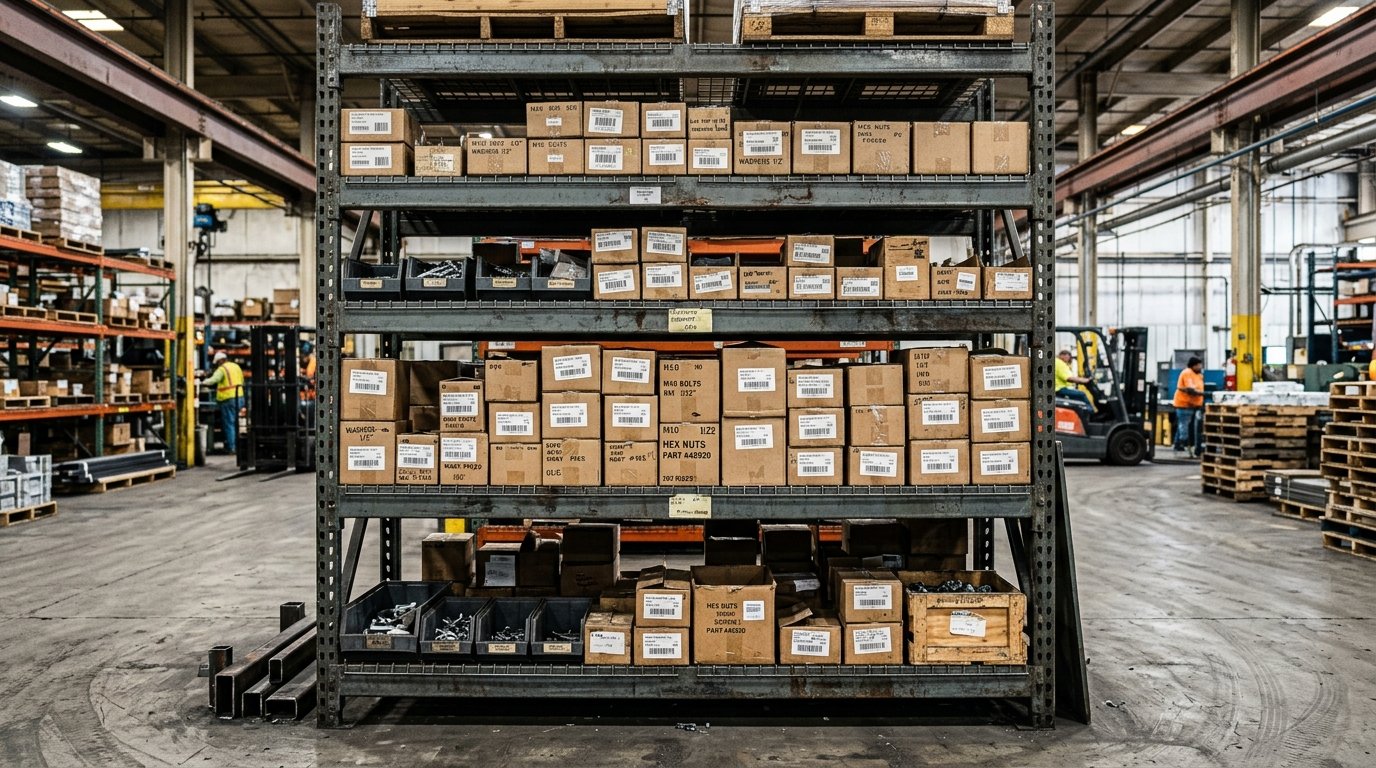
This type of shelving appears in garages, workshops, warehouses, and basements all across the US. It’s one of the most flexible, long-lasting storage solutions you can buy for your home.
How Does the Adjustment System Actually Work?
Most adjustable systems use one of two slot types in the steel uprights: teardrop slots or square/rectangle slots.
Teardrop slots are the most common in residential and light commercial shelving. You hook a bracket into the wide part of the slot and slide it down — the weight locks it in place automatically. Square hole systems (common in boltless shelving) use plastic clips or metal locking pins. Both work well, but teardrop systems tend to hold heavier loads more securely.
The shelf height adjustment typically comes in 1-inch or 1.5-inch increments. This gives you real flexibility for storing everything from flat toolboxes to tall five-gallon buckets side by side on the same unit.
The 4 Main Types You’ll See
Not all adjustable heavy duty shelving is the same. Here’s a quick breakdown of the four most common types you’ll encounter:
| Type | Best For | Typical Capacity | Adjustable? |
|---|---|---|---|
| Boltless Steel Shelving | Garages, workshops | 800–2,000 lbs | Yes (pin clips) |
| Welded Steel Shelving | Warehouses, heavy loads | 2,000–4,000 lbs | Limited |
| Wire Grid Shelving | Visibility, airflow, pantries | 500–1,500 lbs | Yes (clips) |
| Poly/Resin Shelving | Light garage, basement | 200–600 lbs | Yes (pins) |
For most garage storage needs, boltless steel shelving hits the sweet spot. It’s easy to assemble without power tools, fully adjustable, and tough enough for the heaviest gear you’re likely to store at home.
If you’re comparing mounting options, check out this guide on freestanding vs wall-mounted shelving to figure out which setup suits your garage layout.
Weight Capacity: The Number That Matters Most
Here’s where beginners make the most expensive mistakes. You see a shelf rated at 2,000 lbs and assume you can pile 2,000 lbs on one shelf. You can’t.
Most manufacturers list total unit capacity, not per-shelf capacity. A unit rated at 2,000 lbs might only handle 350–500 lbs per individual shelf. Always check both numbers before you buy.
The ANSI shelf load rating standards from OSHA provide guidelines for safe storage load limits in both commercial and residential settings. Following these guidelines keeps your shelves — and your family — safe.
A good rule of thumb: estimate the weight of everything you plan to store, then buy a shelf system rated for at least 20–30% more. Overloading shelves is the number one cause of collapse, and it happens faster than you’d think.
What Steel Gauge Actually Means
You’ll see “18-gauge steel” or “14-gauge steel” on product listings and wonder which is better. Here’s the counterintuitive truth: lower gauge numbers mean thicker, stronger steel.
14-gauge steel is significantly thicker than 18-gauge. For heavy duty storage, look for uprights in the 12–16 gauge range and shelving decks in the 14–18 gauge range. Anything thinner than 18 gauge in the deck is going to flex and potentially warp under real loads.
The steel gauge thickness guide from the American Iron and Steel Institute gives exact millimeter measurements for each gauge so you can compare specs across brands accurately. It’s a five-second reference that saves you from buying undersized shelving.
How to Choose the Right System for Your Garage
You don’t need to overthink this. Ask yourself these four questions before you spend a single dollar:
1. What’s the heaviest thing you’ll store?
Weight drives every other decision. Heavy automotive parts or stacked tile? Go steel boltless. Light seasonal decorations? Wire or resin works fine.
2. How tall is your ceiling?
Standard adjustable shelving comes in 72-inch, 84-inch, and 96-inch heights. Measure your ceiling clearance and leave at least 18 inches between the top shelf and any fire suppression systems (required by most building codes).
3. How often will you reconfigure it?
If you’re storing the same things long-term, a fixed or semi-fixed welded unit saves money. If your storage needs change seasonally — holiday decorations, sports gear, camping equipment — pay extra for a fully adjustable system. You’ll use that flexibility constantly.
4. Does it need to be freestanding or wall-anchored?
Freestanding units work anywhere and move easily. Wall-anchored systems are more stable under very heavy loads but need proper stud attachment. Learn how to anchor shelving to walls safely before you commit to a wall-mounted setup.
Real Garage Use Case: Before and After Logic
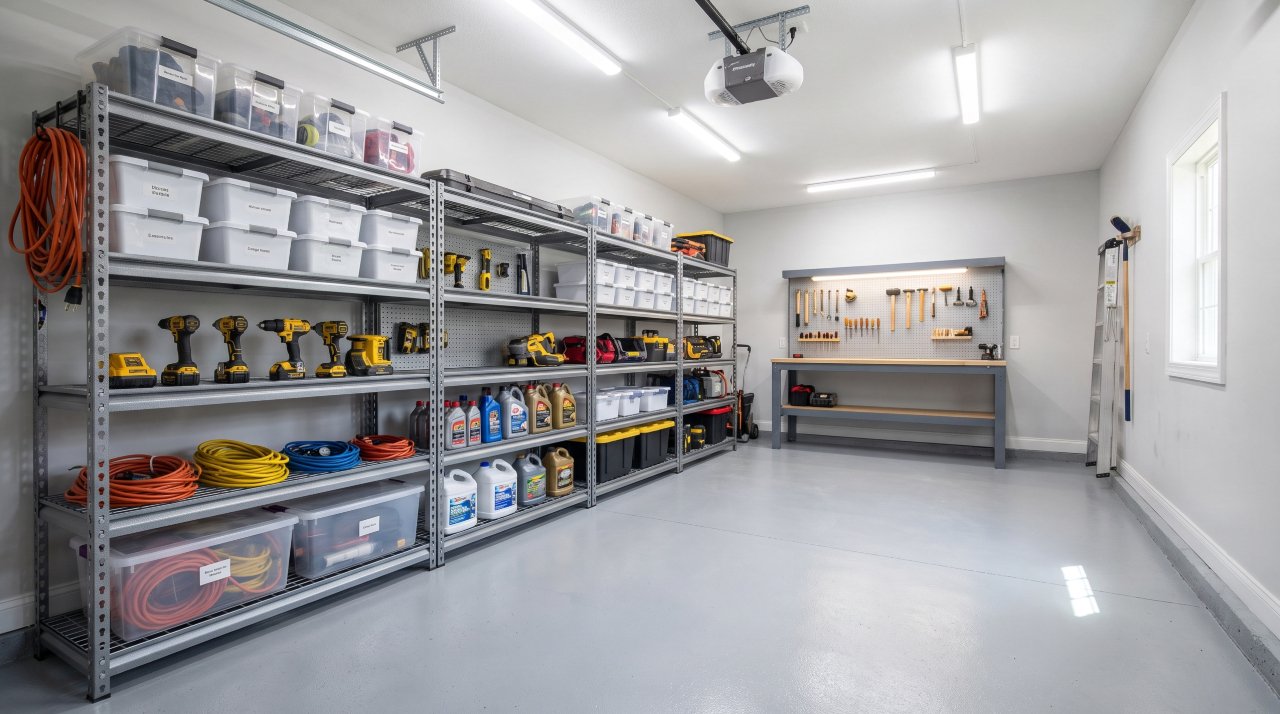
Picture a typical two-car garage with bikes, seasonal bins, automotive supplies, and power tools all piled on the floor and crammed onto one flimsy wire shelf. Sound familiar?
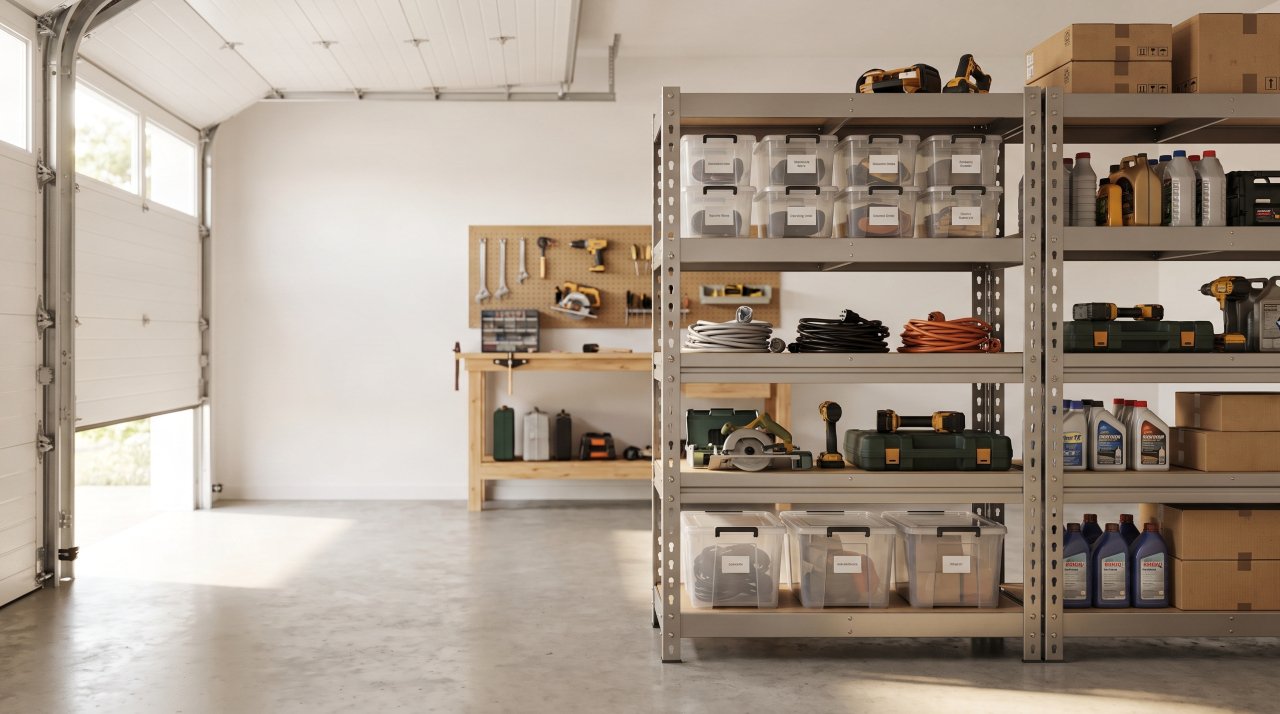
A standard 5-shelf boltless steel unit (72″H x 48″W x 18″D) with a 2,000 lb total capacity can completely transform that situation. Set the bottom two shelves 18 inches apart for tall bins and five-gallon buckets. Use the middle shelf at 12-inch spacing for tool boxes and flat items. Top shelves at 10-inch spacing handle lighter boxed items perfectly.
That single unit — costing $150–$350 depending on brand — can clear 60–80 square feet of floor space if you load it efficiently. That’s the kind of before-and-after result that makes adjustable shelving one of the best dollar-for-dollar home improvements you can make.
Honest Limitations You Should Know
Adjustable heavy duty shelving isn’t perfect, and you deserve to know the downsides before you buy. According to garage storage product safety tips from Consumer Reports, improper assembly is the leading cause of shelving failures in home settings.
Here are the real limitations you’ll face:
- Assembly takes time. A large 5–6 shelf unit takes 45–90 minutes for one person. Two people makes it much easier.
- They’re not pretty. Industrial steel shelving looks functional, not decorative. If aesthetics matter in your space, factor in cover panels or cabinet doors — which cost extra.
- Floor levelness matters. Uneven concrete floors cause wobble and stress on the frame. You’ll need adjustable leveling feet or shims.
- Moving them is a pain. Once loaded, freestanding shelving units are extremely difficult to reposition without fully unloading them first.
Knowing these limitations upfront means you won’t be surprised on assembly day.
5 Mistakes Beginners Make (And How to Avoid Them)
Most first-time buyers make at least one of these errors. You don’t have to.
Mistake 1: Buying by price alone. The cheapest option usually has thinner steel and lower per-shelf ratings. You’ll regret it when a shelf sags under moderate weight.
Mistake 2: Ignoring depth. Standard depths are 12″, 18″, and 24″. Match depth to your largest items — buying too shallow means wasted space and unstable stacking.
Mistake 3: Not measuring the space first. Sounds obvious, but loads of people buy a 48-inch-wide unit for a 44-inch wall space. Measure twice, order once.
Mistake 4: Skipping the anchor. Any shelf over 60 inches tall should be wall-anchored. An unanchored 7-foot unit can tip under uneven loading — a genuine safety risk.
Mistake 5: Overloading individual shelves. You already know total capacity ≠ per-shelf capacity. Don’t forget it when you’re loading the unit for the first time.
FAQ: People Also Ask
What is the weight capacity of heavy duty shelving?
Heavy duty shelving typically handles between 800 lbs and 4,000 lbs total per unit. Per-shelf capacity usually ranges from 250 lbs to 800 lbs depending on the gauge steel and shelf construction. Always check both the total unit rating and the individual shelf rating before purchasing.
What is the strongest type of shelving?
Welded steel shelving is the strongest type available for home and commercial use. It can handle 2,000–4,000+ lbs total and doesn’t rely on removable brackets that could shift. For most homeowners, though, boltless steel shelving provides more than enough strength with the added benefit of height adjustability.
What gauge steel is best for heavy duty shelving?
For heavy duty applications, look for 14–16 gauge steel uprights and 14–18 gauge shelf decks. The lower the gauge number, the thicker and stronger the steel. Anything above 18 gauge in the decking may flex or deform under sustained heavy loads.
Are wire or solid shelves better for a garage?
Solid steel shelves handle heavier concentrated loads and work better for small items that would fall through wire gaps. Wire shelves allow better airflow, let you see contents from below, and weigh less. For a garage with mixed storage, solid shelves win for the lower levels (heavy items) and wire works fine for upper levels (lighter boxes and bins).
How do I anchor heavy shelving to the wall?
Use lag bolts or heavy-duty wall anchors driven into wall studs — not just drywall. Find your studs with a stud finder, pre-drill pilot holes, and use bolts rated for at least twice the expected lateral force. Most shelving units include an anti-tip strap or bracket for this purpose; use it every time.
How do I choose the right shelf depth for my garage?
Match depth to your deepest item with a few inches to spare. A 12-inch depth suits smaller tools and hand equipment. An 18-inch depth is the most versatile for mixed garage storage. A 24-inch depth works best for large totes, automotive supplies, and bulky equipment.
Your Next Step Starts Here
The most important takeaway from everything you’ve read: weight capacity per shelf — not total unit capacity — is the number that actually keeps your stuff (and your family) safe. Get that right, and the rest of the decision falls into place.
Here’s your specific next step: measure your garage wall space right now (height, width, and depth clearance). Write down the three heaviest items you plan to store. Then use those two pieces of information to filter every shelving unit you consider. You’ll cut through the noise fast and find the right system in under an hour.
Adjustable heavy duty shelving isn’t complicated once you know what you’re looking at. You’ve got everything you need to make a smart, confident choice — no guesswork required.

Callum Langham
Founder & Technical Storage Editor
Callum Langham is the founder and technical editor of Rack System. With over 12 years of hands-on field experience in warehouse logistics, garage organization, and industrial storage installations, Callum specializes in engineering safety standards, beam load calculations, and OSHA/RMI compliance. Every guide on Rack System is audited against verified steel gauge tolerances and municipal building codes.