
Wire Shelving Racks: A Practical Buying Guide
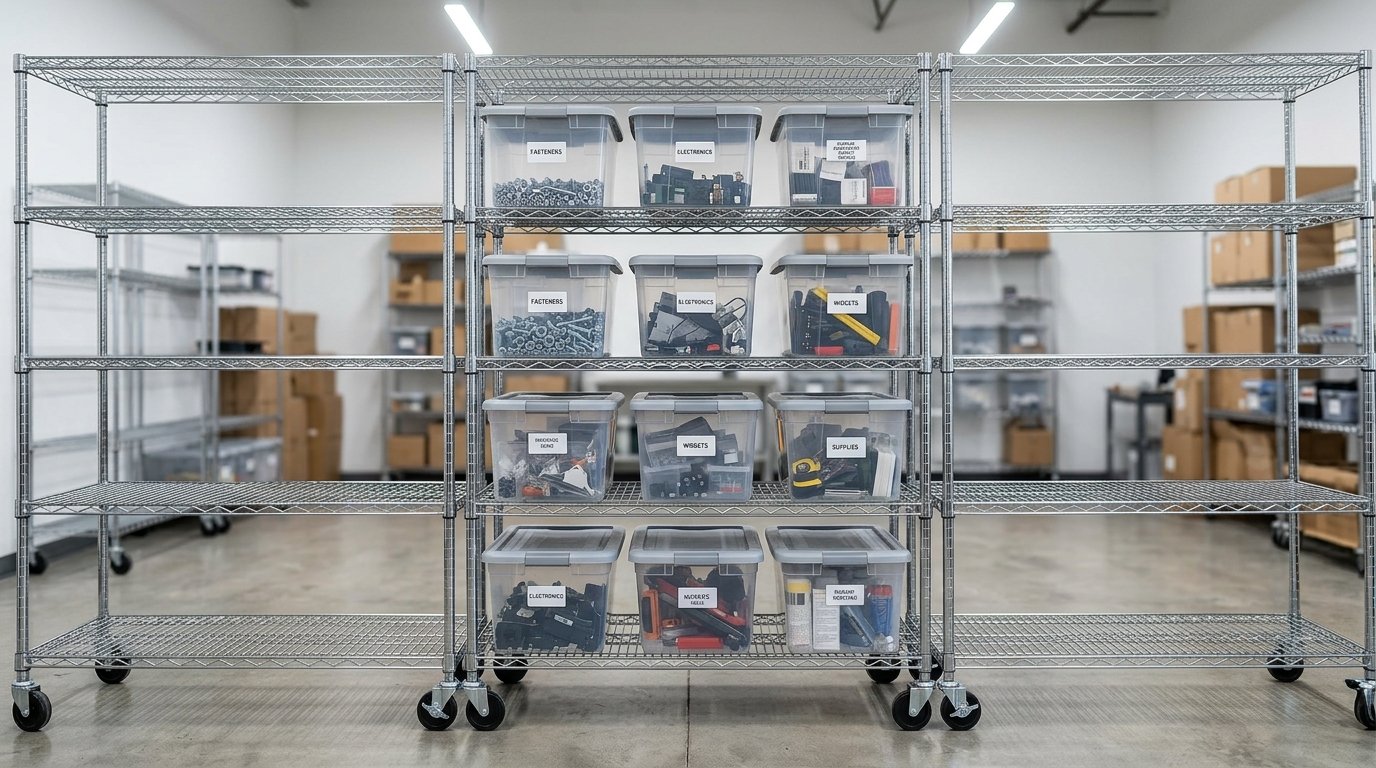
Wire shelving racks give you a simple way to store boxes, tools, food supplies, medical items,. And household goods off the floor. Their open design lets air move around stored items, makes leaks easier to spot,.
And helps staff see stock from several angles. They’re also easy to clean, adjust, and expand as your storage needs change.
The right rack still depends on shelf size, load rating, finish, location, and how often you’ll move stored goods. A light rack may work well in a home pantry, while a warehouse, cooler,. Or medical room may need a stronger frame and a finish that resists moisture.
This guide explains what to check before you buy and how to set up wire shelving racks safely.
What Are Wire Shelving Racks?
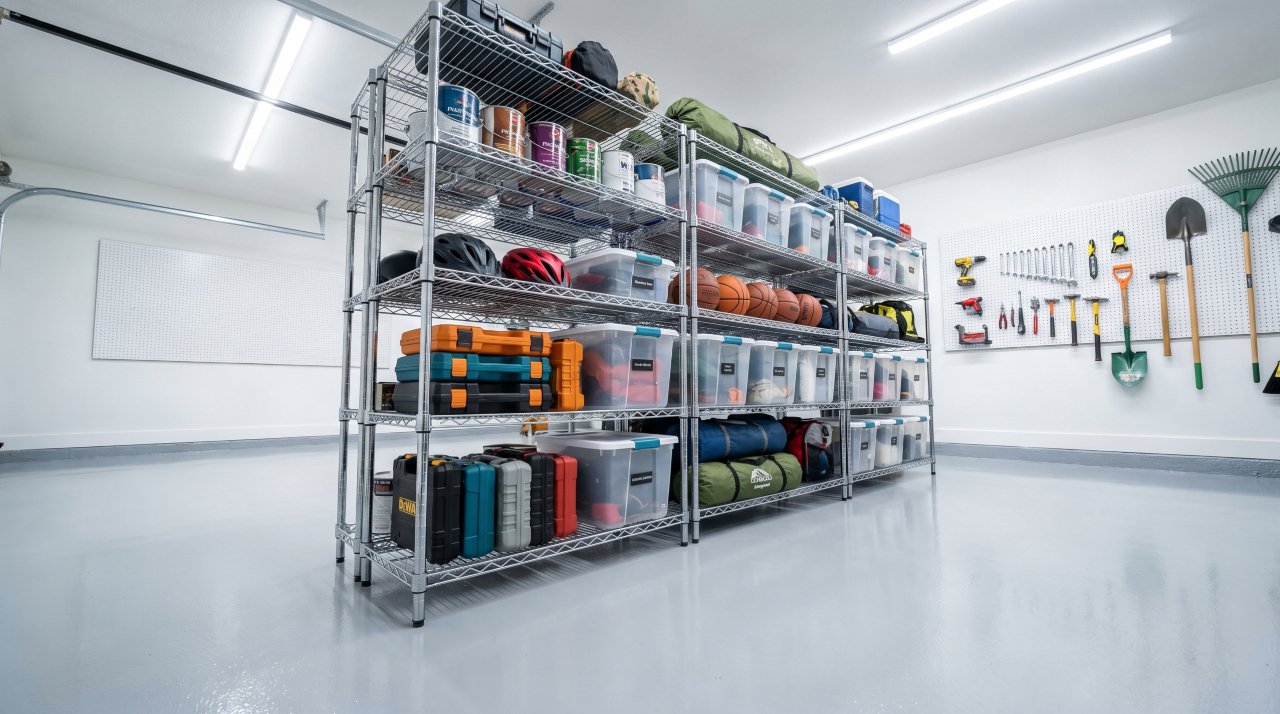
Wire shelving racks are storage systems made from vertical posts, horizontal wire shelves, and adjustable clips or sleeves. The posts support the shelves, while the clips lock each shelf at a selected height. Most systems use a boltless design, so you can assemble them with little or no special equipment.
The shelves usually have a grid pattern made from steel wires. This pattern keeps the rack lighter than a solid steel shelf and permits air circulation. It also lets sprinkler water pass through more easily in some commercial settings.
Check local building and fire requirements before installing racks in a regulated workplace.
Wire shelving racks come in several sizes. Common widths include 24, 36, 48, and 60 inches, while depths often range from 14 to 24 inches. Shelf heights vary by model, with many posts available in 54, 72, 74, or 84-inch lengths.
Why Use Wire Shelving Racks?
Better Air Movement
Open wire shelves allow air to move around cartons, bins, linens, and stored equipment. This feature helps reduce trapped heat and moisture. It’s useful in food storage rooms, laundry areas, janitorial closets, and some medical supply rooms.
Air movement doesn’t remove the need for temperature control or sanitation. It simply prevents the shelf itself from blocking circulation as much as a solid panel would.
Fast Visual Stock Checks
You can see labels and containers without pulling every item from the rack. This saves time during restocking and makes it easier to spot empty spaces, damaged packages, or spills.
Easy Cleaning
Dust and small debris can fall through the grid instead of collecting on a solid surface. Most wire shelves can be wiped with mild soap and water. For food, medical, or chemical areas, use a cleaning product that matches the rack finish and your site’s sanitation rules.
Flexible Shelf Heights
Adjustable shelves let you make room for tall cartons, short bins, and bulky equipment. Move the shelves before loading the rack, then check that every shelf sits evenly on all four clips.
Good Use of Vertical Space
A tall rack can store more items in the same floor area. Leave enough room above the top shelf for safe loading and keep aisles wide enough for people, carts, and equipment.
Key Parts of a Wire Rack
Posts
Posts carry the weight from the shelves down to the floor. Look for posts with frequent height markings. These marks make shelf adjustment faster and help you keep each rack level.
Wire Shelves
Shelf dimensions affect both storage space and load performance. A wider or deeper shelf may hold more items, but it can also require a stronger frame. Confirm the shelf rating instead of guessing from its size.
Clips and Sleeves
Clips attach the shelves to the posts. Some racks use split plastic clips, while others use metal or molded sleeves. The clip type must match the post groove and the manufacturer’s instructions.
Foot Levelers and Casters
Leveling feet help the rack sit firmly on uneven floors. Casters make a rack mobile, but they can reduce its safe load rating. A rolling rack also needs wheel locks, a clear travel path, and a stable load placed low on the frame.
Wall and Floor Supports
Tall racks may need an anchor or a stabilizer bar. This is especially important in areas with carts, forklifts, vibration, or heavy traffic. Follow the rack maker’s instructions and local safety rules before anchoring a unit.
Common Wire Shelving Finishes
The finish affects where you can use the rack and how long it may last. Pick the finish based on moisture, cleaning chemicals, temperature, and contact with food or medical supplies.
| Shelving Finish | NSF Certified | UDL Load Limit | Common Applications |
|---|---|---|---|
| Chrome-Plated Wire | Yes | 600 to 800 lb per shelf | Dry storage, pantries, cleanrooms |
| Epoxy-Coated Wire | Yes | 600 to 800 lb per shelf | Walk-in coolers, humid environments |
| Stainless Steel Wire | Yes | 800 to 1,000 lb per shelf | Medical storage, harsh chemicals |
UDL means uniformly distributed load. It describes weight spread across the full shelf, rather than concentrated in one small area. A shelf rated for 800 pounds under a UDL rating may.
Not safely carry 800 pounds in one box placed at the center.
Chrome-Plated Wire
Chrome is a common choice for dry rooms, retail backrooms, pantries, and general storage. It gives the rack a clean appearance and can resist light corrosion. Keep chrome racks away from standing water, strong cleaning chemicals, and constant humidity.
Epoxy-Coated Wire
Epoxy-coated wire works well in humid rooms and walk-in coolers. The coating adds a protective layer over the steel. Inspect it often for chips or deep scratches, since damaged areas can allow corrosion to start.
Stainless Steel Wire
Stainless steel costs more, but it’s a strong choice for medical areas, food production, laboratories,. And locations that use harsh cleaners. Check the steel grade and cleaning instructions before purchase.
Stainless steel still needs routine care, especially around salt, chlorine, and acidic materials.
How to Choose the Right Rack Size
Measure the Floor Area
Measure the wall length, available depth, ceiling height, doorway, and route to the installation area. Include room for doors, vents, lights, pipes, and electrical panels. A rack that fits the wall may still be too large to move through the building.
Check the Stored Items
List the largest, heaviest, and most frequently used items. Measure bins and boxes, then add clearance for your hands. If workers need to read labels, leave enough space between shelves to pull containers out without twisting.
Or lifting at an awkward angle.
Plan for Future Stock
Don’t size a rack for today’s exact inventory. Leave some open shelf space for seasonal goods, replacement stock, or changes in packaging. Still, avoid buying a much taller rack than the room can safely support.
Review Door and Aisle Clearance
Workers need safe access to every shelf. Keep the rack out of door swings and maintain clear aisles. OSHA provides useful guidance in its OSHA material storage rules.
How Much Weight Can Wire Racks Hold?
Load limits vary by shelf size, wire thickness, post design, clip type, and shelf spacing. Always use the rating from the manufacturer for the exact model. Product listings may show a high limit that applies only when the load is spread evenly.
And the rack is assembled correctly.
Place heavy items on lower shelves. This lowers the center of gravity and reduces the chance of tipping. Keep lighter goods higher up, and avoid placing dense boxes near the front edge.
If a shelf bends, clips shift, or posts lean, remove the load and inspect the rack before using it again.
Never exceed the rating for a single shelf or for the full rack. The total rack rating may be lower than the combined rating of all shelves. Casters, uneven floors, damaged clips, and poor assembly can also reduce safe capacity.
For more details on load ratings, shelf types, and setup, see this guide to heavy duty wire shelving.
Wire Shelving for Food Storage
Food storage areas need a finish and layout that support regular cleaning. Keep shelves raised off the floor, leave space between the rack. And the wall when required, and store food in clean, closed containers.
Don’t place food directly on a dirty or damaged shelf.
Chrome may work in dry storage, while epoxy is often better for coolers and damp rooms. Stainless steel suits locations with frequent washdowns or aggressive cleaning products. Confirm that the product meets your facility’s requirements before ordering.
You can review the NSF food equipment standards for food equipment guidance.
Use shelf liners only when they’re approved for your setting. A solid liner can block airflow and trap moisture. Clean spills right away, and inspect corners, welds, and coated areas during routine checks.
Wire Shelving for Medical Storage
Medical supply areas need clear labels, clean surfaces, and sensible stock rotation. Use racks that can handle the required cleaning process and keep supplies away from floor-level dust and water. Store heavier boxes low and separate sterile items from general supplies.
Stainless steel can be useful in rooms exposed to disinfectants or chemical cleaners. Still, the rack’s finish isn’t a substitute for cleaning procedures. Follow the product instructions for disinfectant contact time and rinse requirements.
Many facilities use wire shelving units with labeled bins. This setup makes stock counts faster and helps staff identify expired or damaged supplies.
How to Assemble Wire Shelving Racks
1. Prepare the Area
Clear the floor and check for uneven spots. Gather a rubber mallet, level, tape measure, and work gloves. Read the assembly sheet before fitting any parts together.
2. Build the First Frame
Place the leveling feet on the bottom of the posts. Fit the first shelf clips at the same height on every post. Tap the shelf down evenly until it sits firmly on the clips.
3. Add the Remaining Shelves
Install each shelf at the planned height. Check that the shelf is level before moving on. If one corner sits high, remove the shelf and refit the clip instead of forcing it into place.
4. Level the Rack
Use the foot levelers to remove rocking. A rack should sit firmly on the floor before you load it. Don’t use cardboard, loose wood, or other temporary shims under the feet.
5. Add Safety Accessories
Install wall anchors, back supports, shelf liners, or retaining bars if the product calls for them. Add labels after the rack is stable and fully assembled.
Loading and Safety Tips
- Put the heaviest items on the lowest shelves.
- Spread weight across the shelf instead of creating one heavy point.
- Keep boxes inside the shelf edge so they can’t fall into an aisle.
- Don’t climb on shelves or use them as ladders.
- Lock casters before loading or unloading a mobile rack.
- Keep exits, fire equipment, electrical panels, and sprinklers clear.
- Replace bent shelves, cracked clips, damaged posts, and loose wheels.
- Use labels that show contents, weight, date, or department when needed.
- Keep frequently used items between knee and shoulder height.
Cleaning and Maintenance
Dust the rack regularly with a soft cloth or vacuum attachment. Wash the shelves with mild detergent when needed, then dry them fully. Standing water can damage some finishes and may cause rust on exposed steel.
Inspect the rack at least monthly in busy workplaces. Look for bent wires, chipped coatings, loose clips, leaning posts, and overloaded shelves. Check mobile racks for worn casters and working wheel locks.
Keep a simple inspection record for commercial storage areas. Note the date, condition, repairs, and any load changes. This record helps staff spot repeated problems before they lead to product damage or injury.
Common Buying Mistakes
Choosing by Price Alone
A low-cost rack may have thin wire, weak clips, or a lower load rating. Compare the full specification, finish, warranty, and replacement part options.
Ignoring the Environment
Chrome may corrode in a damp cooler, while a basic coated rack may fail in a chemical room. Match the finish to the room before you compare prices.
Overlooking Shelf Depth
A deep shelf offers more capacity, but it can make rear items hard to reach. A shallow shelf may work better for small containers and fast-moving stock.
Skipping the Level Check
An uneven rack can rock, shift, and place uneven pressure on clips. Take a few minutes to level each unit before loading it.
Frequently Asked Questions
Are wire shelving racks strong enough for warehouses?
Some are. Choose a model with a load rating that suits your cartons, bins, and equipment. Check the rating for each shelf and the complete rack, then spread the weight evenly.
Heavy warehouse loads may call for a pallet rack or another storage system made for very high loads.
Can wire shelving racks be used in a walk-in cooler?
Yes, epoxy-coated or stainless steel racks are common choices for coolers. The finish should resist moisture and the cleaning products used in the room. Use leveling feet or approved casters, and leave enough space for air movement and cleaning.
How do you stop a wire shelving rack from tipping?
Keep heavy items low, avoid uneven loading, level the feet,. And use a wall anchor or stabilizer when the manufacturer recommends one. Don’t place a tall rack where carts can strike it, and don’t use it on a sloped or damaged floor.
How often should wire shelving racks be cleaned?
Clean them based on the room, stored goods, and site procedures. Food and medical areas may need daily or scheduled cleaning, while a dry home closet may need less frequent care. Remove spills quickly and dry the shelves after washing.
Final Buying Checklist
Before you order wire shelving racks, confirm the rack width, depth, and height. Check the shelf and total rack load limits. Pick chrome, epoxy, or stainless steel based on moisture and chemical exposure.
Confirm that the clips, posts, feet, and casters are included and compatible.
Measure the installation route and leave safe aisle space. Plan where heavy items will go, then choose shelf spacing that matches your containers. If the rack will hold food, medical supplies, or chemicals, review the applicable facility rules and product certifications.
A well-sized rack with the right finish can make storage cleaner, safer, and easier to manage. Assemble it on a level floor, load it within its rating, and inspect it on a regular schedule.

Callum Langham
Founder & Technical Storage Editor
Callum Langham is the founder and technical editor of Rack System. With over 12 years of hands-on field experience in warehouse logistics, garage organization, and industrial storage installations, Callum specializes in engineering safety standards, beam load calculations, and OSHA/RMI compliance. Every guide on Rack System is audited against verified steel gauge tolerances and municipal building codes.