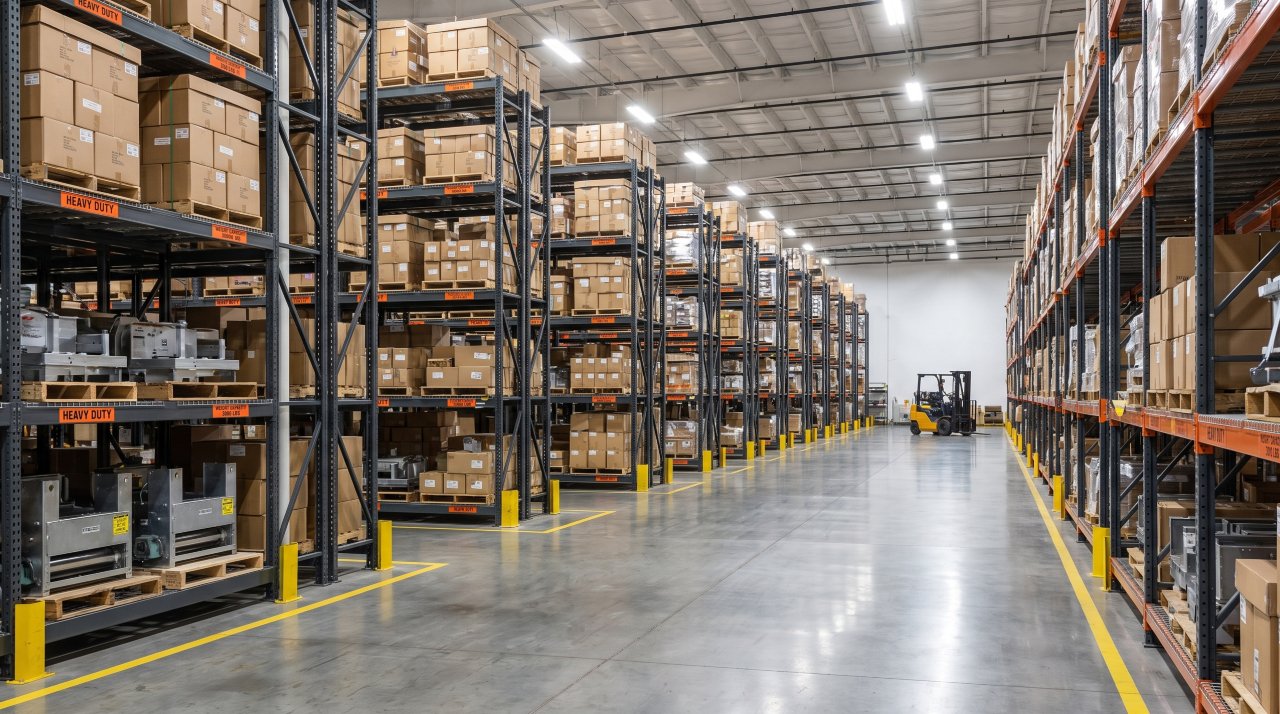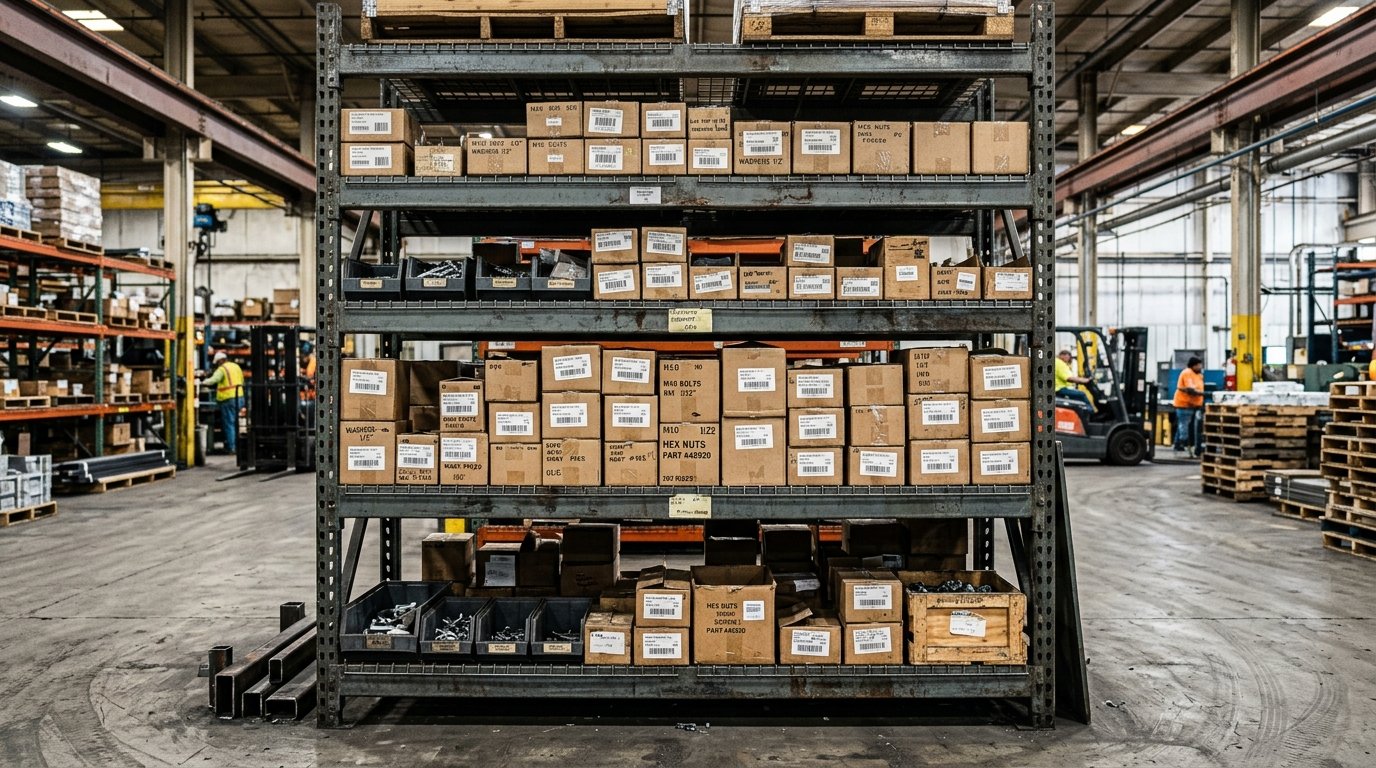
Storing heavy inventory on flimsy warehouse racking is a recipe for disaster. When your warehouse handles thousands of pounds of inventory, selecting the right industrial storage setup is a safety requirement. Investing in quality heavy duty pallet shelving ensures your team stays safe and your facility runs efficiently.
In this guide, we will analyze the key specifications, beam styles, and capacity limits you must verify before purchasing a system. Choosing the wrong configuration can lead to bent steel and bay failure. We will show you how to read manufacturer load tables and choose the correct components.
Before selecting your components, you can read our heavy duty racking systems guide to understand the basic engineering principles. This baseline knowledge helps prevent expensive purchasing mistakes.
1. Selective Pallet Racking
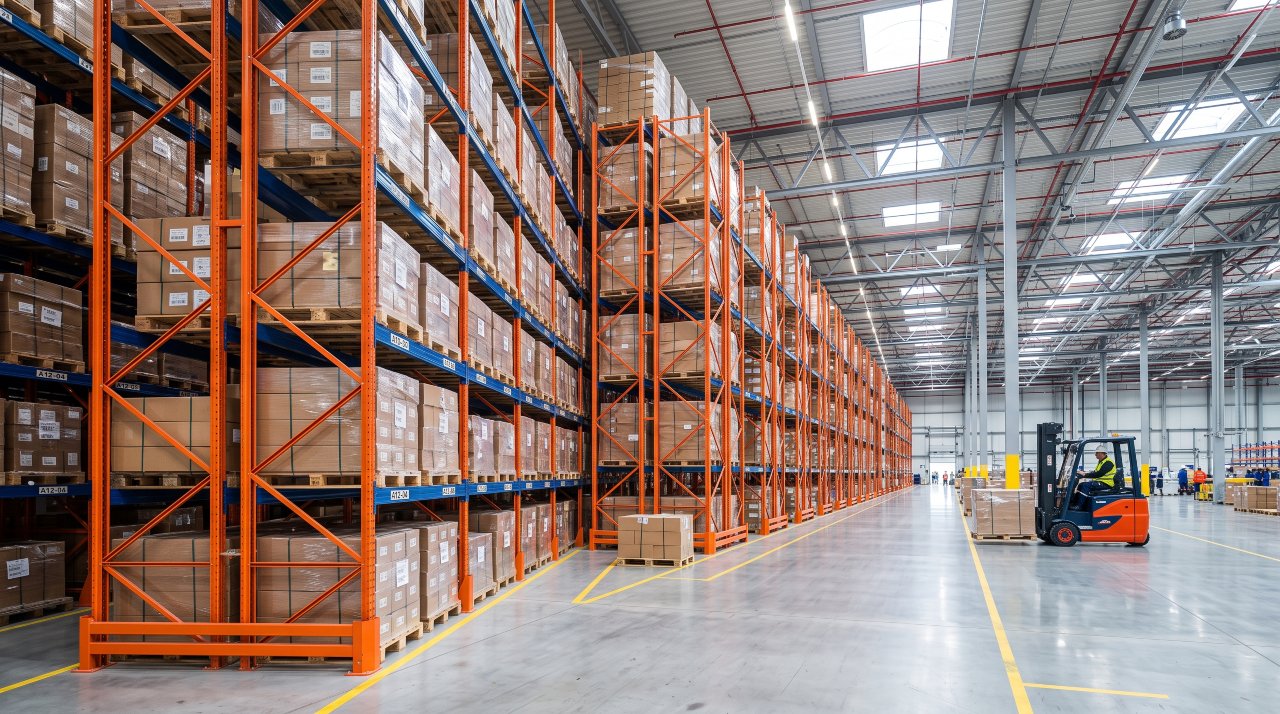
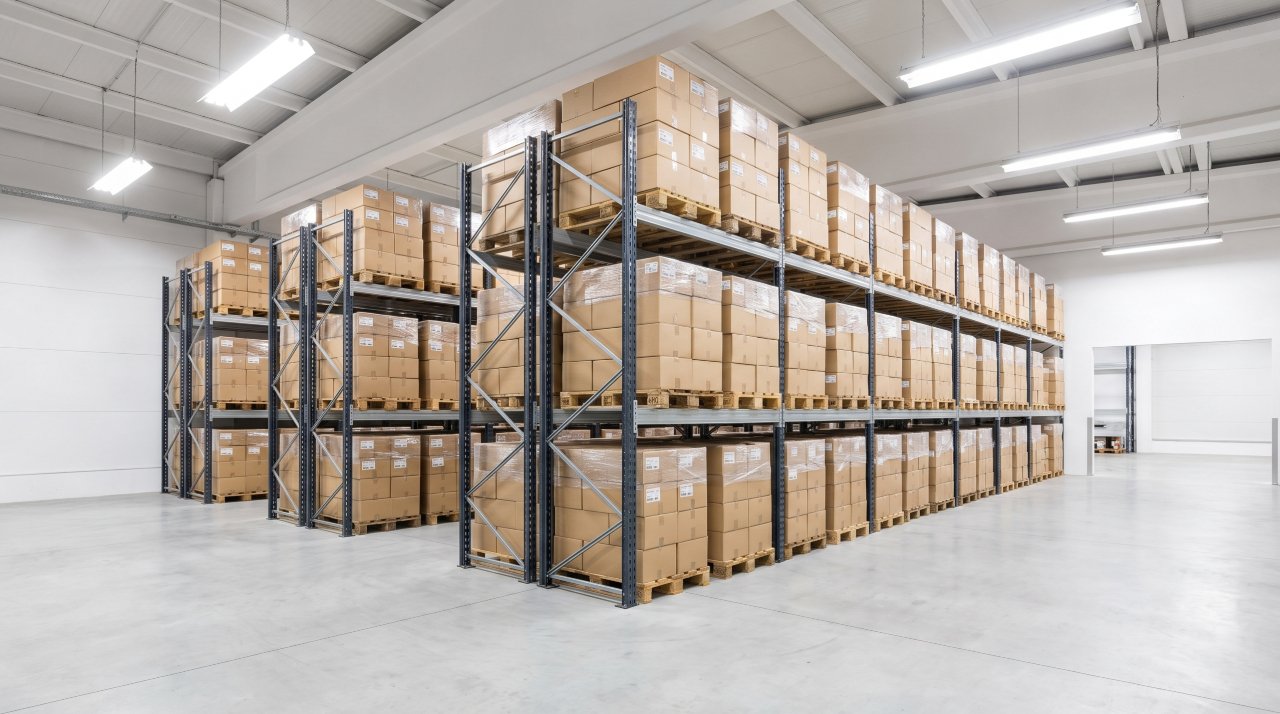
Selective pallet racking is the most common system in warehouses. It provides direct, individual access to every pallet in your inventory. This accessibility makes it a standard choice for facilities with high SKU diversity.
The structure consists of upright frames and horizontal load beams that form single-deep rows. The standard dimensions for selective racking uprights are 36 to 48 inches deep and up to 24 feet high. Most uprights use 12-gauge or 14-gauge roll-formed steel with 3-inch by 3-inch columns.
Beam lengths typically span 96 inches or 120 inches to hold two standard pallets. The load capacity for a pair of standard beams ranges from 2,500 to 7,500 pounds. This rating depends on the beam profile height and steel thickness.
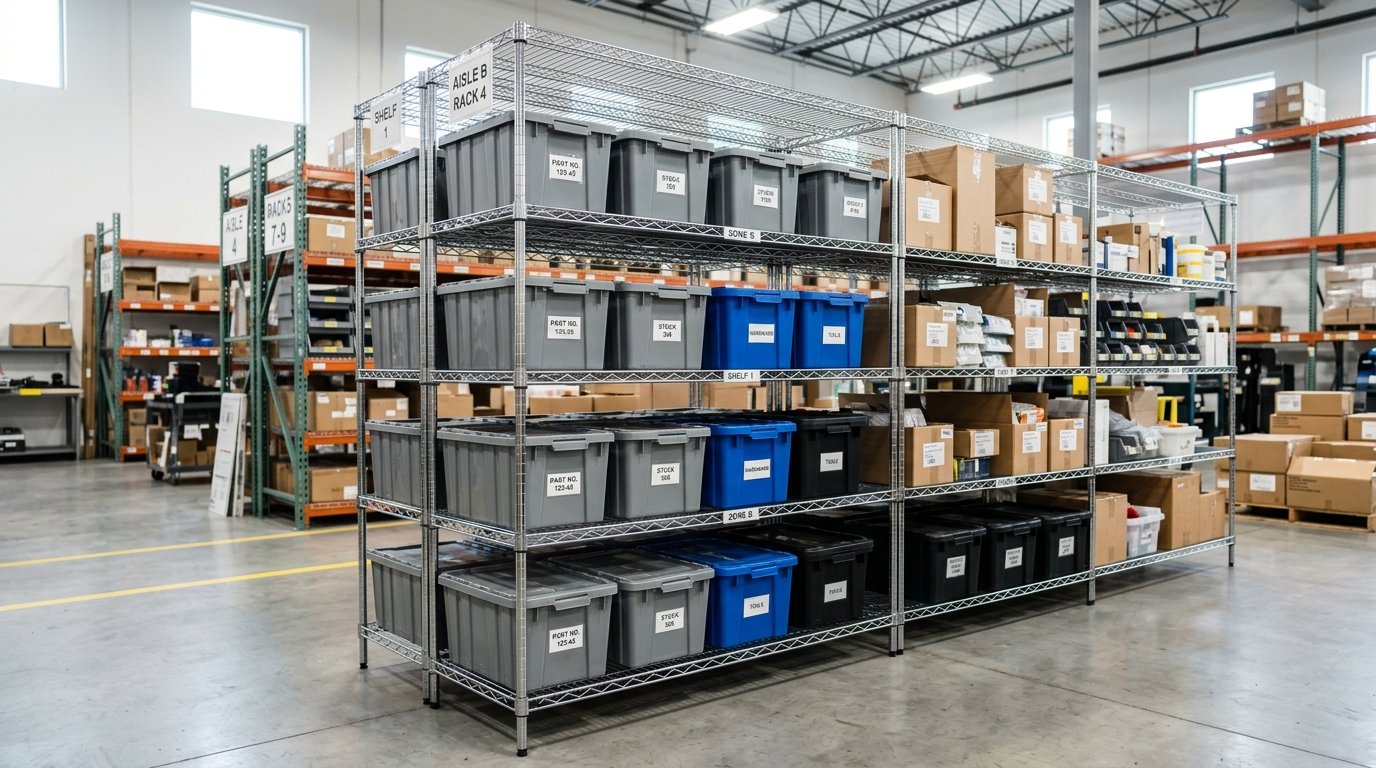
For lighter, hand-loaded applications, you can compare these systems against a standard industrial shelving comparison. This comparison outlines the differences between hand-loaded shelving and pallet racks.
Many buyers make the mistake of using standard wire decking to support heavy point loads. Wire decking supports uniformly distributed weight, not concentrated point loads from broken pallets. If you store heavy concentrated loads, you must install heavy duty pallet support bars instead.
2. Drive-In and Drive-Thru Racking
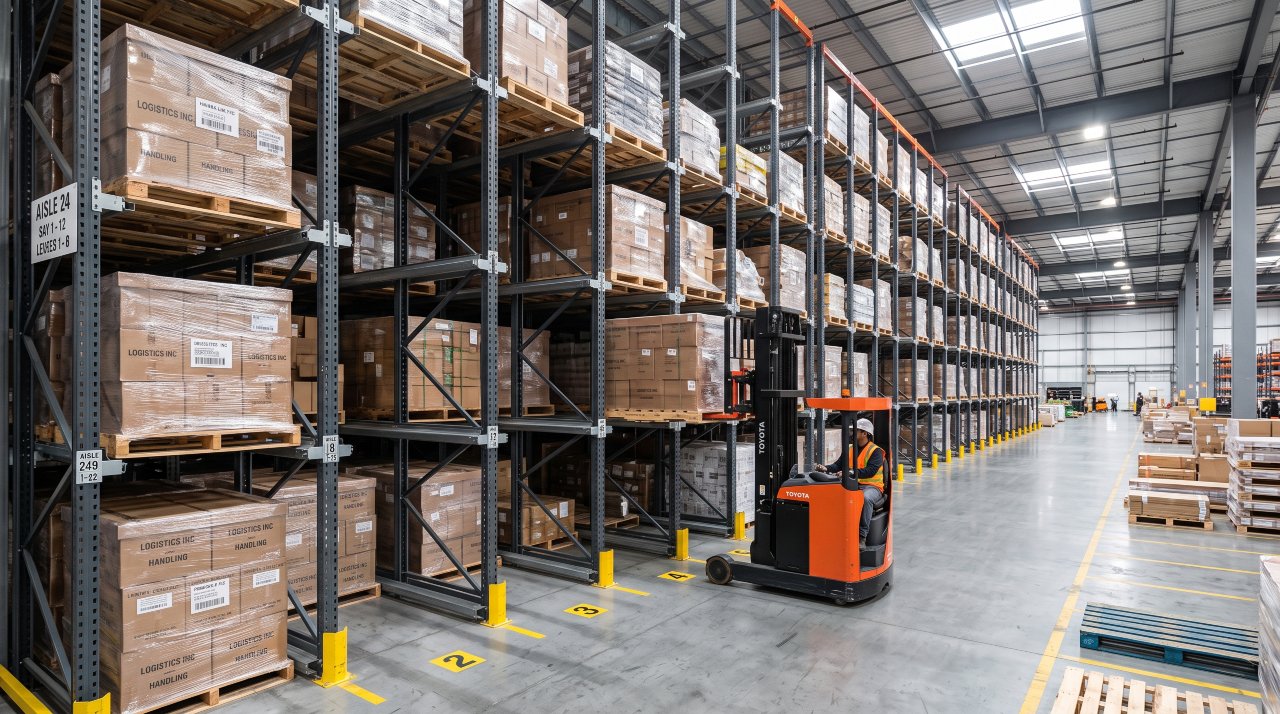
Drive-in racking is a high-density system that maximizes floor space. This configuration reduces the number of forklift aisles in your warehouse. It uses a Last-In, First-Out (LIFO) inventory system where the last pallet you load becomes the first one you retrieve.
Top ties and overhead bracing connect the upright frames to maintain stability. Columns feature heavy 12-gauge steel or structural steel channels to resist forklift impacts. Pallets rest on continuous steel rails that run the depth of the bay rather than traditional horizontal beams.
Standard rail depths can store between two and ten pallets deep per bay. This setup works for warehouses storing large quantities of identical items. It is highly effective for low SKU diversity and slow inventory rotation.
A common buying error is neglecting to check forklift clearances. Forklifts must fit within the upright frame width, which is typically 50 to 54 inches wide. If your forklift has wide outriggers, it will strike the columns and cause structural damage.
3. Push-Back Pallet Racking
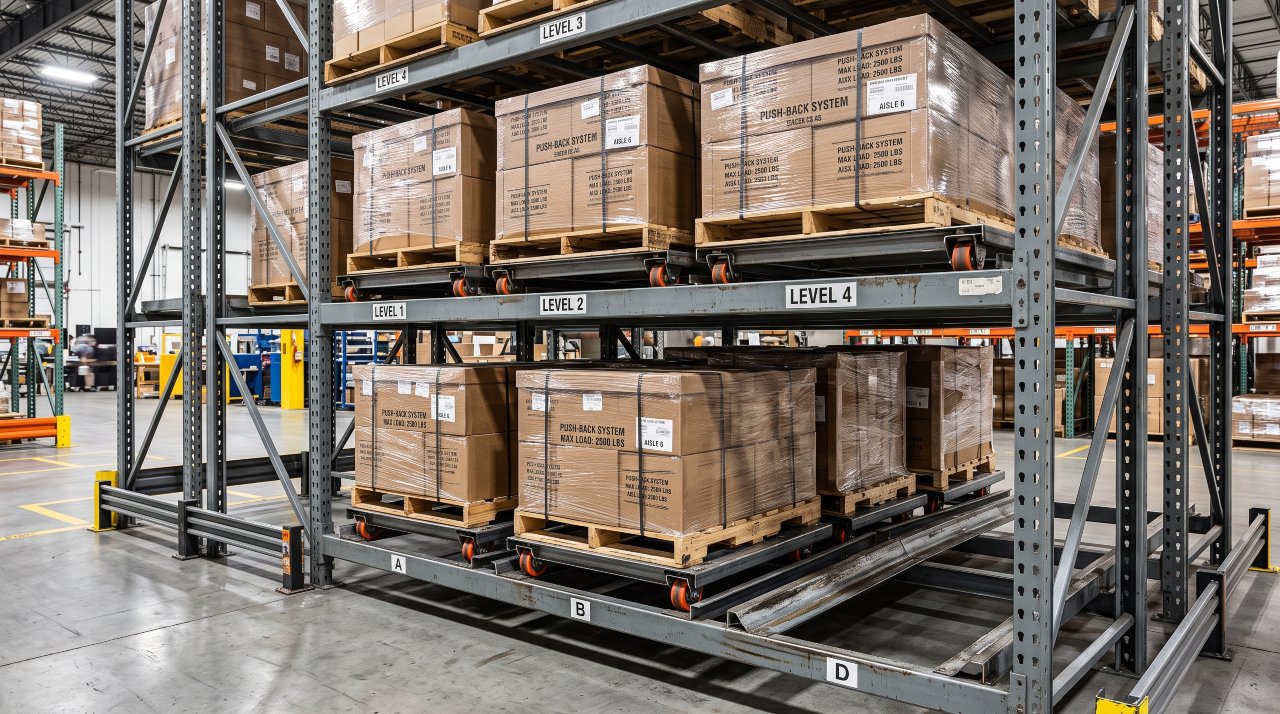
Push-back pallet racking uses nested, wheeled carts on sloped steel rails. When configuring heavy duty pallet shelving, push-back racking offers a space-saving alternative.
When a forklift loads a pallet, it pushes the existing pallets back along the rail system & when you retrieve a pallet, the remaining pallets roll forward to the aisle face.
This system provides high-density storage while maintaining a Last-In, First-Out (LIFO) flow. Standard configurations allow storage depths of two to six pallets deep per lane.
The rails slope at a slight grade, typically one to two degrees. This slope allows gravity to glide the carts forward smoothly. The carts feature heavy steel plates and run on steel wheels with sealed bearings.
This sturdy construction helps prevent jamming under heavy loads. Upright frames are typically 42 inches to 48 inches deep. This system is suitable when you want to increase storage density compared to selective racking. It also provides quick access to different SKUs across multiple lanes.
Many facility managers buy push-back systems without checking pallet quality. If your pallets have broken bottom boards or loose nails, they will catch on the wheeled carts. This friction causes the carts to jam at dangerous heights.
4. Pallet Flow Racking
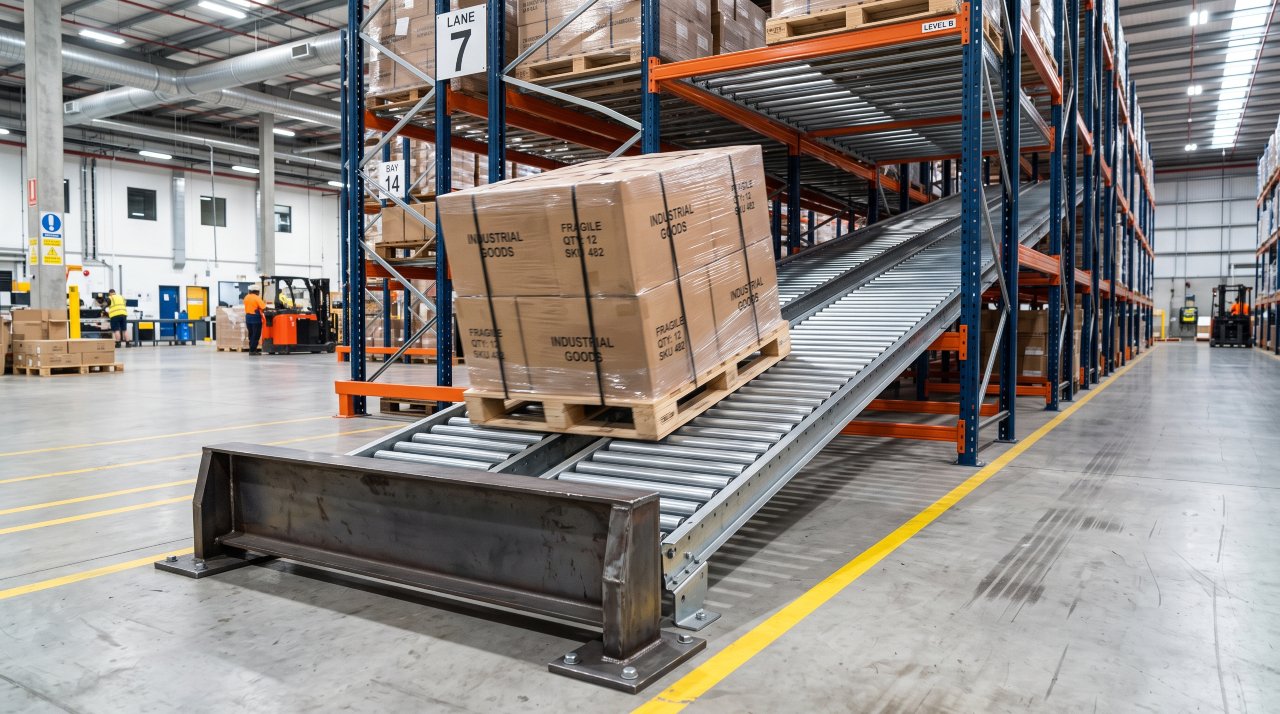
Pallet flow racking, also known as gravity flow racking, uses sloped lanes equipped with metal rollers. For high-volume operations, incorporating gravity flow into your heavy duty pallet shelving layout increases throughput. Operators load pallets from the rear of the rack, and the pallets slide forward to the front aisle.
This system operates on a First-In, First-Out (FIFO) basis. A FIFO system ensures that you use older inventory first. The lanes slope at a three-eighths-inch per foot grade.
The system uses mechanical speed controllers installed along the rollers to prevent pallets from traveling too fast. The front of the lane features a heavy steel ramp stop to halt the pallet safely. Upright frames feature high-tensile steel, often using 12-gauge columns for heavy warehouse loads.
This configuration is standard for date-sensitive goods, food distribution, and high-volume manufacturing environments. The biggest mistake buyers make is ignoring pallet weight variance. If your pallets vary in weight from 500 pounds to 3,000 pounds, a single slope angle will not work. Light pallets will stall mid-lane, while heavy pallets will crash into the front stop.
5. Double-Deep Pallet Racking
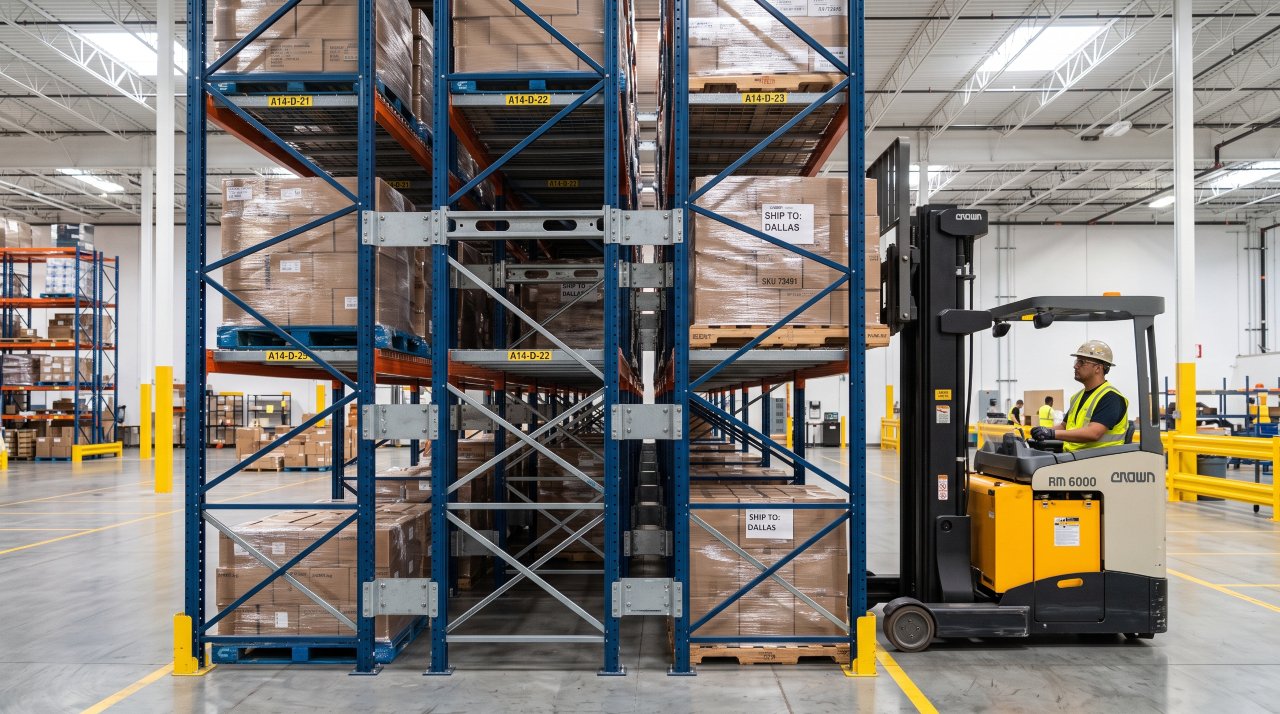
Double-deep pallet racking is a variation of selective racking that stores pallets two bays deep. This setup eliminates every second forklift aisle, which increases storage capacity by up to thirty percent. It operates on a Last-In, First-Out (LIFO) model for each double-deep slot.
This configuration requires a specialized deep-reach forklift with pantograph extenders to reach the rear pallet. Installers space the upright frames with 8-inch to 12-inch row spacers to create a stable back-to-back structure. Upright columns feature 13-gauge or 14-gauge steel.
Beams typically carry ratings of 5,000 to 7,500 pounds per pair, matching standard selective systems. This setup is best for facilities with medium SKU diversity that want to increase capacity. It achieves this without requiring complex cart or roller systems.
A frequent oversight is failing to install heavy duty pallet guide rails in the upper levels. Because operators cannot easily see the rear beam at heights above fifteen feet, placing the rear pallet is difficult. Without guide rails, operators often push the pallet too far, striking the back-to-back rack.
Heavy Duty Pallet Shelving Spec Comparison
When selecting your industrial racking, comparing configurations side-by-side helps clarify the structural trade-offs. The table below outlines the core specifications, storage density, and forklift requirements for each system.
| Racking Type | Storage Density | Inventory Flow | Max Depth (Pallets) | Requires Special Forklift? |
|---|---|---|---|---|
| Selective Racking | Low | FIFO | 1 | No |
| Drive-In Racking | Very High | LIFO | 10 | No (requires narrow width) |
| Push-Back Racking | High | LIFO | 6 | No |
| Pallet Flow Racking | High | FIFO | 20+ | No |
| Double-Deep Racking | Medium-High | LIFO | 2 | Yes (Deep-Reach truck) |
Each setup has distinct capacity limits and operational costs. You should evaluate your warehouse throughput and floor area before making a purchase.
Key Installation and Safety Standards
Installing warehouse racks requires strict adherence to engineering codes to prevent workplace accidents. All designs must meet the RMI pallet rack safety standards to ensure structural compliance. These standards require visible capacity placards and professional floor anchoring.
To comply with safety standards, check the OSHA material storage regulations regarding secure piling and height limits. Installers must anchor every upright frame using steel base plates and expansion bolts. These anchors prevent the frames from twisting or shifting when struck by loading equipment.
For smaller operations, looking at Home Depot industrial storage options can provide baseline pricing for pre-packaged units. However, custom engineered layouts are necessary for large-scale operations. Always consult a structural engineer before finalizing your layout.Frequently Asked Questions
How do you determine the capacity of heavy duty pallet storage racks?
The weakest component in your system determines the load capacity, not just the upright steel gauge. You must verify the beam pair rating and the total upright frame capacity. Beam spacing also affects capacity, as wider vertical spaces between beams reduce the total weight the frame can support.
What steel gauge is used for a heavy duty industrial rack?
Heavy duty racking systems typically use 12-gauge to 14-gauge steel for upright frames and 14-gauge to 16-gauge steel for horizontal beams. Structural steel systems are thicker and offer higher impact resistance than roll-formed steel. However, engineering calculations and compliance with standards determine load capacities, not steel gauge alone.
How much space is required space between rows of heavy duty pallet shelving?
Back-to-back pallet shelving rows typically require 8 to 12 inches of clearance. Installers bolt steel row spacers to the upright frames to maintain this gap. You must size the main forklift aisles based on your forklift turning radius, which ranges from 8 to 12 feet depending on truck type.
Do you need to anchor heavy duty pallet shelving to the floor?
Yes. Standards require installers to anchor all pallet rack uprights to the floor slab using steel base plates and wedge anchors. This anchoring prevents the racking from tipping or shifting when struck by forklifts. Standard installations require drilling 1/2-inch diameter wedge anchors at least 3 inches deep into concrete.
Safety First: Selecting Your Racking
Selecting the right racking system is a critical decision that affects your warehouse efficiency and worker safety. By comparing selective, drive-in, push-back, pallet flow, and double-deep configurations, you can choose the system that matches your pallet throughput and facility dimensions.
Designing safe layouts is critical when planning industrial storage at scale. Taking the time to verify weight limits, forklift clearance, and anchoring specifications prevents costly warehouse accidents.
Please bookmark this guide and share it with your warehouse management team. You can also read our other storage guides to help organize your facility.

Callum Langham
Founder & Technical Storage Editor
Callum Langham is the founder and technical editor of Rack System. With over 12 years of hands-on field experience in warehouse logistics, garage organization, and industrial storage installations, Callum specializes in engineering safety standards, beam load calculations, and OSHA/RMI compliance. Every guide on Rack System is audited against verified steel gauge tolerances and municipal building codes.