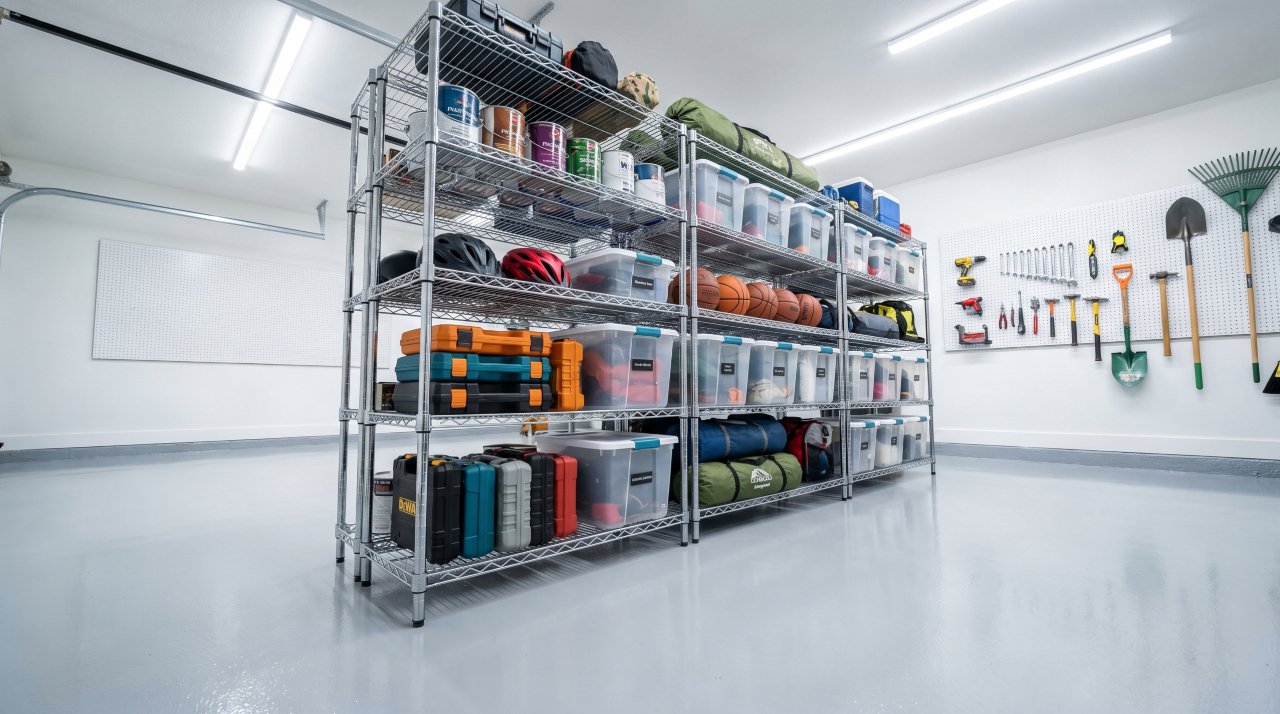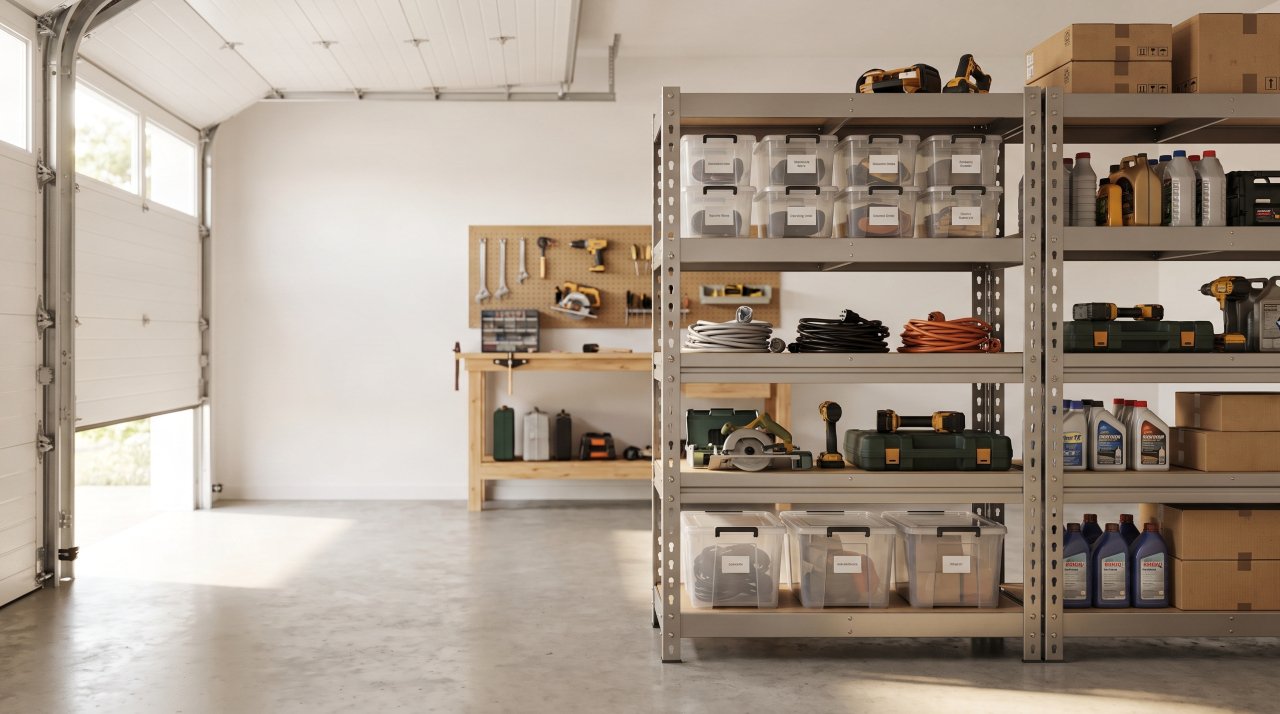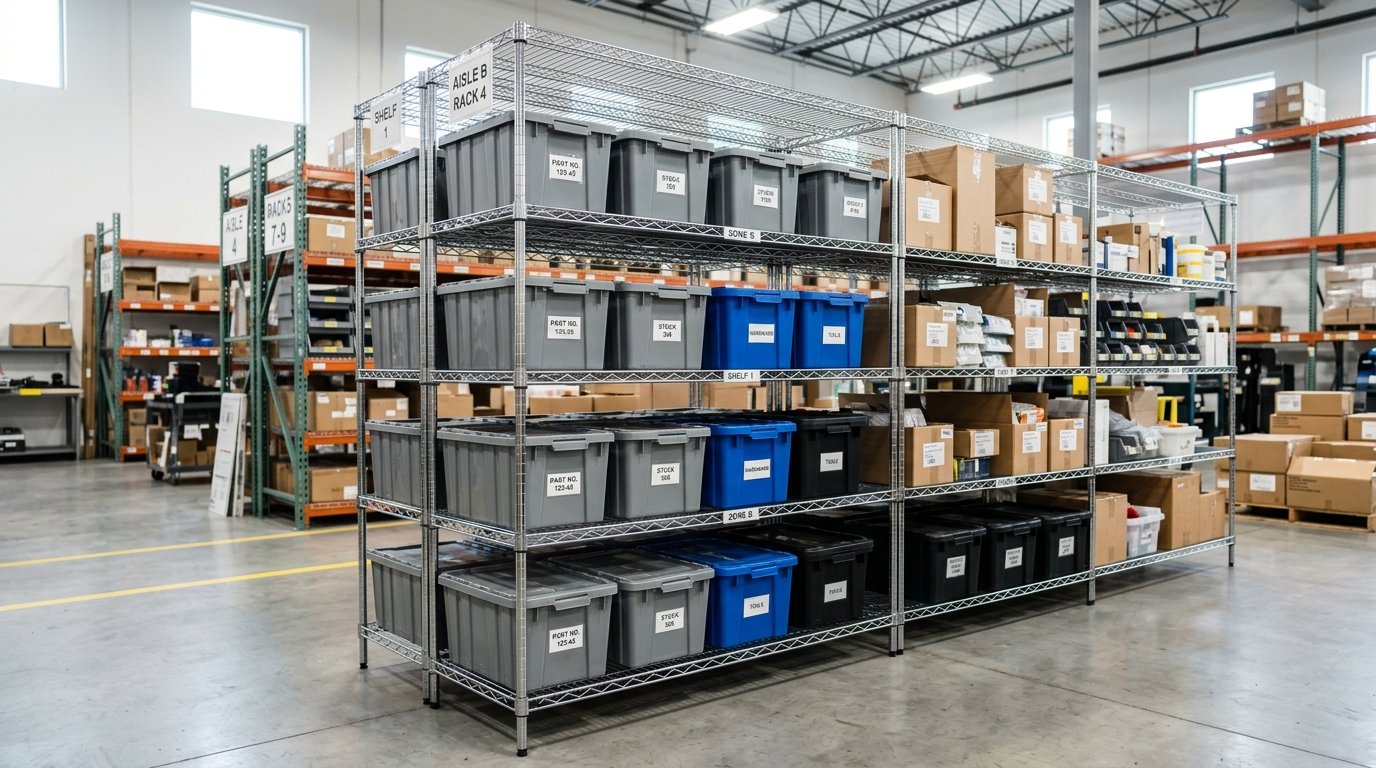
Steel shelving gives warehouses, workshops, stockrooms, garages, and archives a dependable way to store heavy or awkward items. The right system can hold far more than light-duty wire racks. While still allowing you to adjust shelf heights as your stock changes.
Buying the right unit takes more than checking a shelf’s advertised weight rating. You’ll need to match the steel gauge, shelf span, post design, bracing, finish, and installation method to the work area. You’ll also need to know how the manufacturer calculated its load rating.
This guide explains the main types of steel shelving, how gauge affects capacity,. And how open-back, closed-back, clip, and boltless systems differ. Use it to narrow your options before you request a quote or place an order.
Quick Answer: Industrial Steel Shelving Types & Steel Gauges
Industrial steel shelving uses 12-to-18 gauge cold-rolled steel with a 45,000 PSI tensile yield strength, delivering 800 to 2,500 lb UDL (Uniformly Distributed Load) per shelf level. Compression clip systems allow tool-free shelf adjustments in 1-inch increments while box-post uprights eliminate lateral sway. Choose open-back units with X-bracing for airflow or closed-back units with solid steel side panels for dust containment.
Key Takeaways
- Steel Gauge Ratings: 12-to-14 gauge steel handles 1,800 to 2,500 lb per shelf; commercial 18-gauge supports 800 to 1,200 lb.
- Deflection Limit Standards: Commercial steel shelves must stay within 1/140th of total span under maximum rated UDL.
- Clip vs Boltless Rivet: Compression clips wedge under load for rigid vibration resistance; rivet racks install with a rubber mallet.
- Open vs Closed Configurations: Open steel units maximize warehouse lighting and ventilation; closed units block shop dust.
What Is Steel Shelving?
Steel shelving is a storage system made from formed steel uprights, shelf panels, braces, clips, rivets, or bolts. Shelves can use flat steel, reinforced steel pans, wire decking, or drop-in panels. Most systems are modular, so you can add shelves, change their position, or connect several bays in a row.
Industrial models commonly use cold-rolled steel. This material has a smooth finish, consistent dimensions,. And a tensile yield strength of about 45,000 PSI in the specifications covered by this guide.
Steel gauge numbers work in reverse: a lower gauge number means thicker steel. A 12-gauge component is thicker than an 18-gauge component.
Load ratings usually describe UDL, or uniformly distributed load. This means the weight is spread across the shelf surface. A shelf rated for 2,000 lb UDL may not safely support a 2,000 lb point load placed in its center.
Ask the supplier for point-load limits if you’ll store engines, dies, drums, or other dense objects.
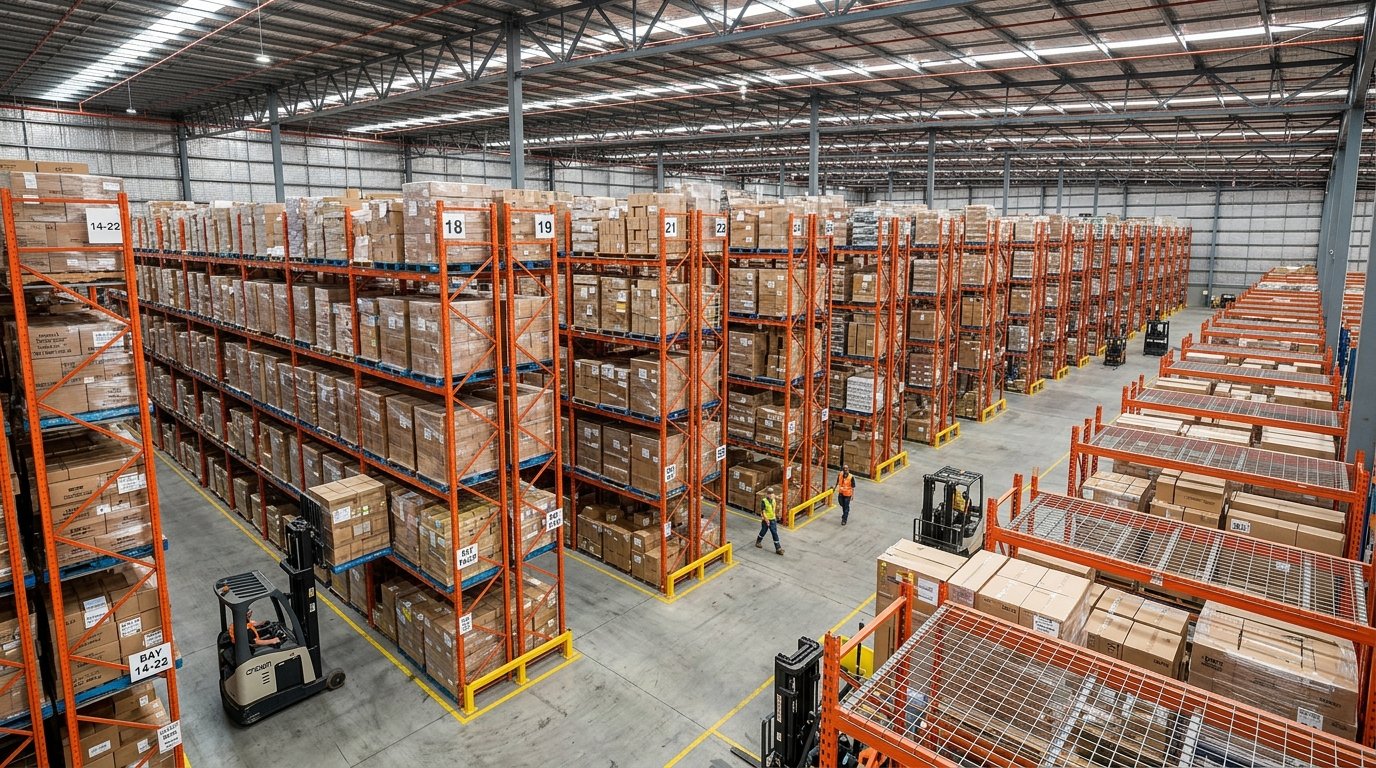
Steel Shelving Types
Compression Clip Shelving
Compression clip shelving uses clips that fit into slots in the upright posts. Shelf beams or panels lock over the clips. As weight presses down, the clips wedge tighter into the posts, creating a rigid connection.
Many systems adjust in 1-inch increments and can be assembled without power tools.
Box-post uprights add strength and help control lateral sway. This makes compression clip shelving a good fit for hand-loaded stock, automotive parts, maintenance supplies, and tool cribs. You’ll still need to install the correct back bracing and level the unit before loading it.
Boltless Rivet Shelving
Boltless rivet shelving uses rivets on horizontal beams and slots in angle or T-posts. A rubber mallet normally provides all the force needed for assembly. There are no nuts.
Or bolts to tighten, which can reduce setup time when a storage area must be put into service quickly.
Many rivet systems use drop-in steel decks or particleboard panels. Steel decks suit heavy cartons, machine parts, and raw inventory. The posts and beams must be rated as a complete system.
So don’t mix components from different manufacturers unless the supplier approves the combination.
Closed-Back Utility Shelving
Closed-back shelving has solid steel panels on the rear and often on both sides. These panels help contain dust, keep small items from falling behind the unit, and provide extra resistance against side movement. They also give stored materials a cleaner appearance in stockrooms, retail areas, and office archives.
The tradeoff is reduced airflow and visibility. Closed panels can trap heat around equipment or supplies that need ventilation. Leave suitable clearance from heaters, electrical panels, and sprinkler equipment, and follow local fire code requirements.
Wide-Span Steel Shelving
Wide-span systems use longer shelves, often 60 or 72 inches wide. They reduce the number of upright posts in a row. And work well for bulky cartons, furniture parts, long containers, and large bins.
Longer shelves can deflect more under load, so the beam depth, shelf reinforcement, and rated capacity matter.
Steel Gauge and Load Capacity
Gauge is a useful starting point, but it doesn’t tell the whole story. Shelf depth, span, reinforcement, post shape, connection type, and load placement all affect performance. Review the complete product specification instead of comparing gauge numbers alone.
| Steel Shelving Type | Steel Gauge & Construction | UDL Shelf Rating | Best Industrial Application |
|---|---|---|---|
| Industrial Compression Clip Shelving | 14 to 16-gauge cold-rolled steel / Box posts | 1,200 to 2,200 lb per shelf | Warehouse small-parts storage, automotive parts, tool cribs |
| Heavy-Duty Boltless Rivet Shelving | 14-gauge angle & T-posts / Drop-in steel deck | 1,500 to 2,500 lb per shelf | Bulk cartons, heavy machinery components, raw inventory |
| Commercial Closed-Back Utility Shelving | 18 to 20-gauge steel / Solid back & side panels | 600 to 1,000 lb per shelf | Dust-protected tool storage, office archive boxes, retail stock |
Heavy Industrial Gauge
12-to-14 gauge steel is used for high-load industrial shelving. Depending on the design, it can support about 1,800 to 2,500 lb per shelf under a properly distributed load. This range suits dense parts, metal components, tooling, and bulk stock.
Heavy shelves often include formed edges, welded stiffeners, or under-shelf reinforcement. These features increase stiffness and reduce bending. They also add weight, so check the floor loading and make sure the installation crew can move each component safely.
Medium Commercial Gauge
16-to-18 gauge steel generally supports about 800 to 1,200 lb per shelf. It works for cartons, hand tools, archive boxes, boxed maintenance items, and general stockroom use. Medium-duty shelving can offer a good balance of capacity, cost, and ease of handling.
Light Utility Gauge
20-to-22 gauge steel is commonly used for light utility storage, with typical ratings from 300 to 600 lb per shelf. This range fits small bins, household supplies, paperwork, and light packaged products. Don’t use light-gauge units for dense machinery parts just because the shelf appears stable when empty.
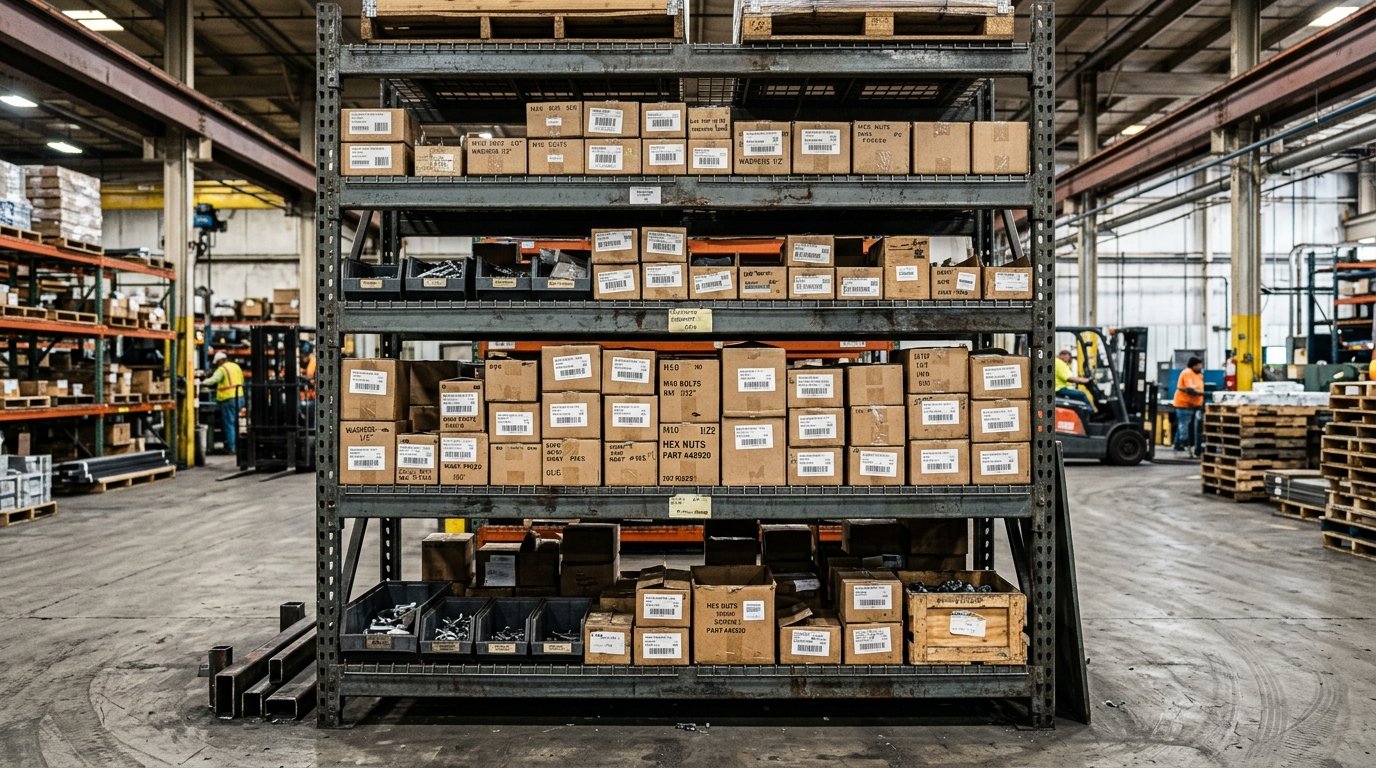
Shelf Span, Depth, and Deflection
Common shelf widths include 36, 48, 60, and 72 inches. Common depths include 12, 18, 24, and 36 inches. A deeper shelf gives you more storage space, but it can also increase the load on the front.
And rear beams.
Deflection is the amount a shelf bends under load. A commercial design target is often 1/140th of the total span under maximum rated UDL. For a 48-inch span, that works out to about 0.34 inches.
A shelf that bends more than its stated limit may still hold weight for a short period,. But repeated bending can damage the shelf or stored goods.
Store heavy items across the full shelf depth and near the posts when practical. Keep lighter items on upper levels. If you need long shelves for dense loads, ask about center supports, reinforced beams, or a shorter bay width.
Open Back or Closed Back?
Benefits of Open Shelving
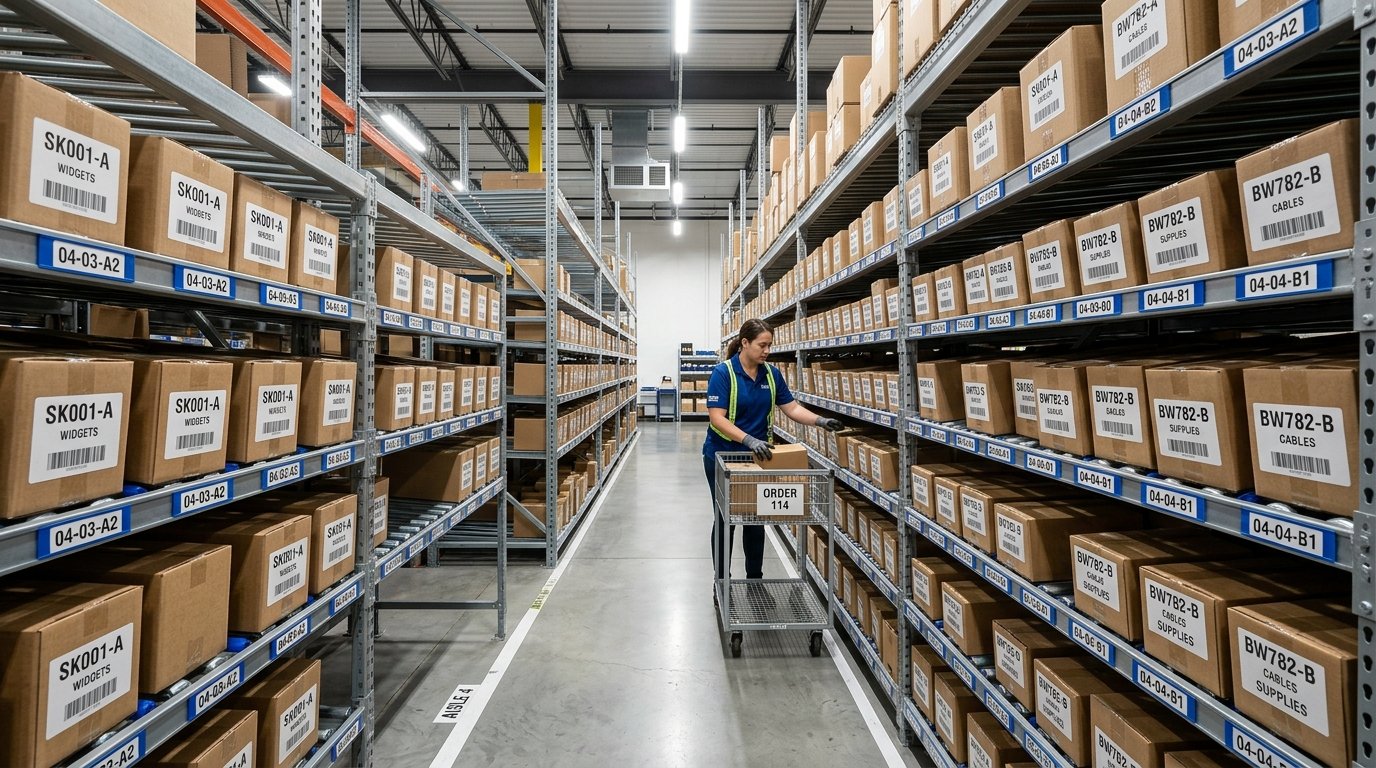
Open-back steel shelving allows air to move through the unit. It also improves visibility from both sides and lets warehouse lighting reach the stored goods. Open bays suit parts rooms, picking areas, workshops, and spaces where staff need access from more than one direction.
Open units need a method to control sway. X-bracing across the rear is common. Bracing keeps the posts aligned and helps the unit resist movement when people load, unload, or bump the shelves.
Anchor tall units if the supplier recommends it or local rules require it.
Benefits of Closed Shelving
Closed-back shelving helps shield stock from shop dust, airborne debris, and accidental contact from behind. Side panels stop small boxes from sliding off the edges. This setup works well for office archives, clean stockrooms, retail back rooms, and tool storage.
Solid panels can add structural stability, but they don’t remove the need for a level floor and correct assembly. Closed units also need adequate ventilation if they hold heat-sensitive products, batteries, chemicals, or powered equipment.
Steel Shelving Finishes
Powder-Coated Baked Enamel
Powder coating applies a dry finish that’s cured with heat. It creates a smooth surface that resists everyday scuffs, chips, and light moisture. It’s common in warehouses, workshops, offices, and retail stockrooms.
Repair deep scratches quickly so moisture doesn’t reach the bare steel.
Hot-Dip Galvanized Steel
Hot-dip galvanizing coats steel with a protective zinc layer. It performs well in damp locations, loading areas, unheated buildings, and some outdoor storage settings. Galvanized steel can show a textured or mottled appearance, which is normal for the process.
304 Stainless Steel
304 stainless steel resists corrosion in food processing, commercial kitchens, laboratories, and washdown areas. It costs more than painted steel, but its cleanable surface. And corrosion resistance can justify the price in wet or sanitary spaces.
Confirm that the full unit, including fasteners and accessories, suits the cleaning chemicals used at your site.
Compression Clips vs Bolts and Rivets
Compression clips are useful when shelf positions change often. They install quickly, adjust in small increments, and wedge tighter under load. Their friction-based connection can resist vibration when the shelves, posts, and braces are correctly fitted.
Bolted shelving creates a strong mechanical joint, but assembly takes longer and requires tools. It can be a good choice for fixed layouts, custom configurations, or installations that need a specified fastener connection.
Boltless rivet shelving is faster to assemble than most bolted systems. A rubber mallet seats the beams, and shelves can often be repositioned with basic hand tools. Check every rivet connection before loading.
A partially seated beam can reduce the unit’s rated capacity and create a serious hazard.
For more product selection help, read our metal shelving units guide. And our heavy duty metal shelving guide.
Posts, Bracing, and Floor Anchors
Steel shelving commonly uses box posts, T-posts, or angle posts. Box posts offer a closed profile with good resistance to twisting and side movement. T-posts and angle posts can reduce material use and work well with boltless beam connections.
Vertical shelf adjustments are usually set at 1-inch or 1.5-inch intervals. Before assembly, measure your largest container and the space needed to remove it safely. Leave enough room above each item for hand access.
Open units often use X-braces at the rear. Closed units use back and side panels for sway control. Tall shelving may also need seismic floor anchor footplates, especially in earthquake-prone areas.
Anchors connect the unit to the floor and help stop tipping or sliding during movement.
For industry reference material, review the Material Handling Institute technical standards. For workplace storage requirements, check the OSHA material storage safety standards.
How to Choose Steel Shelving
1. Weigh the Stored Items
List the heaviest items that will sit on each shelf. Add a sensible safety margin instead of buying a unit that runs at its maximum rating every day. Spread the load across the shelf and keep dense items low when possible.
2. Measure the Storage Area
Record the clear wall height, aisle width, floor condition, doorway size, and available depth. Check for sprinklers, lighting, pipes, vents, electrical panels, and doors. A unit that fits on paper may still be hard to assemble if it can’t pass through the doorway.
3. Pick the Access Pattern
Choose open shelving when you need airflow, two-sided access, or fast visual checks. Choose closed-back shelving when dust control, side containment, or a cleaner appearance matters more.
4. Match the Finish to the Site
Use powder-coated steel for normal indoor storage. Choose galvanized steel for damp or humid areas. Choose 304 stainless steel for food, washdown, and corrosion-sensitive applications.
Ask about chemical exposure before selecting a finish.
5. Confirm the Complete Rating
Check the shelf rating, bay rating, post rating, beam rating, and floor capacity. Confirm that the stated rating applies to the exact width and depth you’re buying. Ask if the rating assumes evenly distributed weight and if a center support is required.
Installation and Safety Checks
Inspect every post, clip, rivet, shelf, brace, and footplate before assembly. Don’t install damaged components. Build the unit on a level surface, fit all braces, and make sure every clip or rivet is fully seated.
Place the heaviest stock on the lowest shelves. Keep loads inside the shelf edges and avoid unstable stacks. Don’t climb on shelving or use it as a ladder.
Anchor tall units when required, and keep aisles, exits, fire equipment, and electrical access clear.
After loading, inspect the shelves for bending, loose connections, corrosion, and impact damage. Remove damaged parts from service and replace them with approved components. Record the shelf ratings and post them where workers can see them.
Frequently Asked Questions
What is the difference between open and closed back steel shelving?
Open-back shelving uses rear bracing, such as X-braces, to control sway while allowing airflow, light, and access through the back. Closed-back shelving uses solid rear panels and often side panels. It offers better dust protection and keeps small items contained, but it allows less airflow.
How much weight can industrial steel shelving hold per shelf?
Capacity depends on the gauge, shelf size, post design, reinforcement, and load placement. A typical 12-to-14 gauge unit supports about 1,800 to 2,500 lb UDL. A 16-to-18 gauge unit commonly supports 800 to 1,200 lb,.
While 20-to-22 gauge utility shelving often supports 300 to 600 lb. Use the manufacturer’s rating for the exact model.
What are the advantages of compression clip steel shelving?
Compression clip shelving adjusts in small increments and often needs no tools for assembly. The clips wedge into the posts under load, creating a firm connection that can resist vibration. Box-post versions also help reduce lateral sway.
It’s a practical choice for parts rooms, tool cribs, and stock areas that change often.
Which steel finish is best for harsh or humid storage environments?
Hot-dip galvanized steel is a strong choice for humid, damp, or semi-exposed areas. 304 stainless steel suits washdown, food, laboratory, and corrosion-sensitive applications. Powder-coated steel works for normal indoor spaces, but damaged coating should be repaired before rust can spread.
Final Buying Checklist
- Confirm the maximum UDL per shelf and the full bay capacity.
- Match the gauge to the weight and density of your stored goods.
- Check the shelf width, depth, span, and deflection limit.
- Choose open backs for airflow and visibility.
- Choose closed backs for dust control and item containment.
- Confirm the post, brace, clip, rivet, and anchor design.
- Select powder coating, galvanized steel, or stainless steel based on site conditions.
- Install on a level floor and anchor tall units when required.
- Keep heavy items low and inspect the system after loading.
When the gauge, layout, finish, and connection system match the job, steel shelving can provide years of safe, efficient storage. Start with accurate measurements and real load data, then select a complete system with a documented rating.

Callum Langham
Founder & Technical Storage Editor
Callum Langham is the founder and technical editor of Rack System. With over 12 years of hands-on field experience in warehouse logistics, garage organization, and industrial storage installations, Callum specializes in engineering safety standards, beam load calculations, and OSHA/RMI compliance. Every guide on Rack System is audited against verified steel gauge tolerances and municipal building codes.