Racking System Safety Tips: OSHA Rules & Inspection Audit
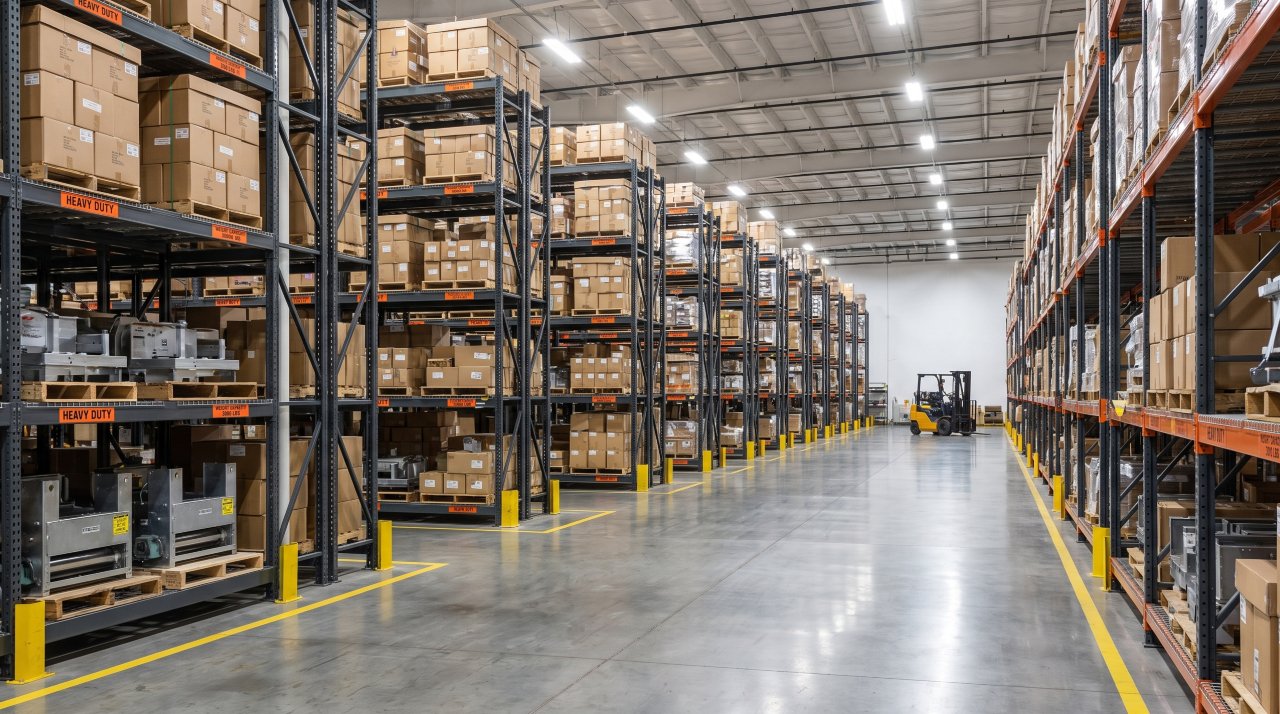
Maintaining rigorous racking system safety protocols is the single most critical operational responsibility for warehouse managers, safety directors, and logistics supervisors. Structural storage racks carry tens of thousands of pounds of overhead inventory. A minor forklift column impact or unanchored frame can trigger catastrophic cascade collapses that destroy inventory, paralyze operations, and cause severe workplace injuries.
Failing to establish routine racking inspection schedules or ignoring column deformation leads to immediate OSHA citations and severe structural liability. Establishing proactive safety guidelines ensures early detection of frame fatigue before failure occurs.
This comprehensive guide details daily safety checklists, column damage replacement thresholds, post protection hardware, and OSHA regulatory compliance rules.
1. The Top 5 Racking System Hazards in Modern Warehouses
Identifying common risk factors allows safety officers to implement targeted prevention controls:
- Forklift Column Impacts: Turning forklifts striking exposed aisle entry columns, causing lower leg deformation.
- Overloading & Concentrated Point Loading: Exceeding rated beam Uniformly Distributed Load (UDL) limits or placing heavy items off-center.
- Missing Safety Locking Pins: Dislodged beam connector pins allowing step beams to pop out during forklift unloading.
- Unanchored Baseplates: Missing concrete wedge anchors, causing frames to shift under dynamic vibration.
- Un-Plumb Frame Alignment: Upright columns leaning out of vertical plumb, multiplying column buckling stress.
Review complete anchor rules in our racking system installation guide.
2. Column Damage Thresholds: Inspect vs. Replace Rules
Not all rack dents require immediate frame teardown, but safety managers must enforce strict engineering measurement rules: front column corner bends exceeding 0.5 inches depth or flat face dents exceeding 0.75 inches depth require unloading the bay immediately and replacing the damaged section.
For load limit math, read our detailed guide on storage rack weight capacity.
3. Essential Racking System Safety Accessories
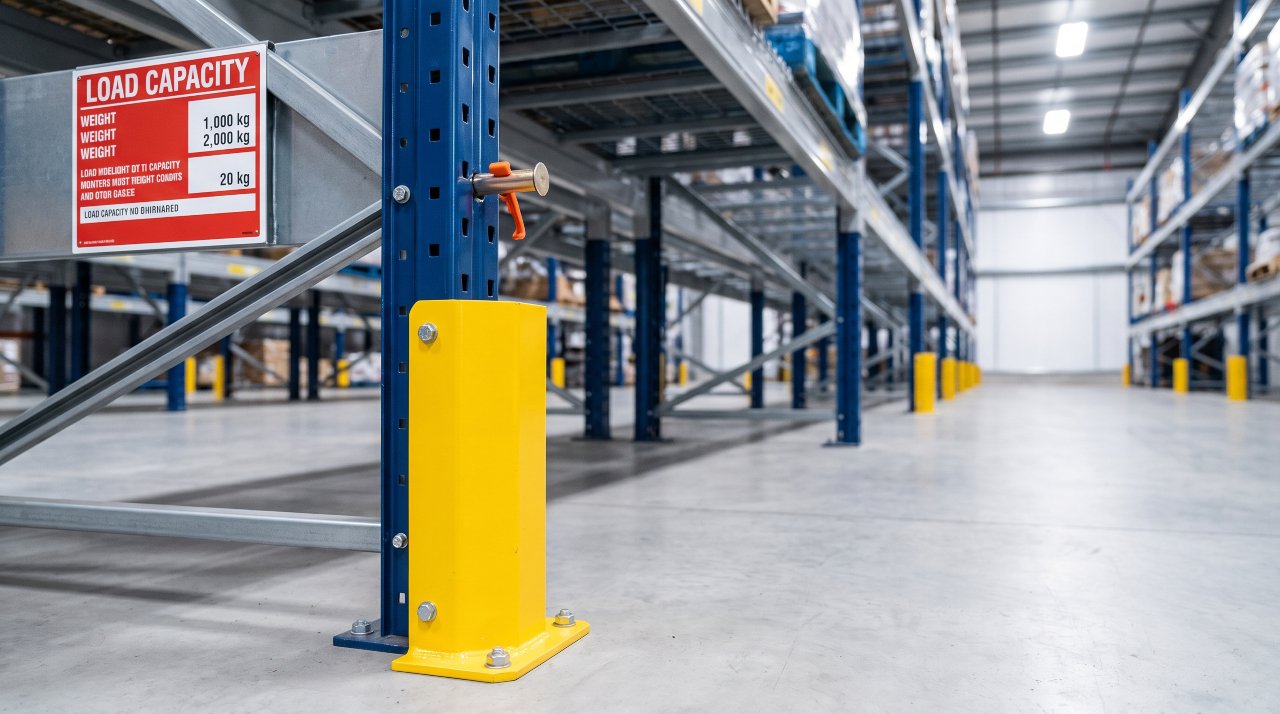
Outfitting frames with protective accessories dramatically reduces forklift impact damage: heavy steel post boots, structural end-of-row guard rails, and flanged wire mesh decking. Learn more in our warehouse racking supplies review.
4. Regulatory Compliance and Load Plaque Rules
Under OSHA General Industry Standard 1910.176(b) and RMI Warehouse Safety Guidelines, all storage racks must display visible aluminum load plaque labels detailing maximum rated beam and frame capacities.
Frequently Asked Questions
How often should warehouse racking safety inspections be conducted?
Visual inspections should occur daily by forklift operators. Formal documented structural audits by certified rack inspectors should be performed at least annually.
Can damaged upright column legs be repaired without dismantling the whole bay?
Yes. Certified engineering contractors can jack up the upper load levels, cut away the damaged lower column section, and bolt in an engineered structural replacement boot sleeve.
Prioritizing Warehouse Safety Culture
Implementing routine racking system safety inspections, installing heavy column guards, and training forklift drivers creates a safe, productive warehouse culture that prevents accidents and protects inventory.

Callum Langham
Founder & Technical Storage Editor
Callum Langham is the founder and technical editor of Rack System. With over 12 years of hands-on field experience in warehouse logistics, garage organization, and industrial storage installations, Callum specializes in engineering safety standards, beam load calculations, and OSHA/RMI compliance. Every guide on Rack System is audited against verified steel gauge tolerances and municipal building codes.