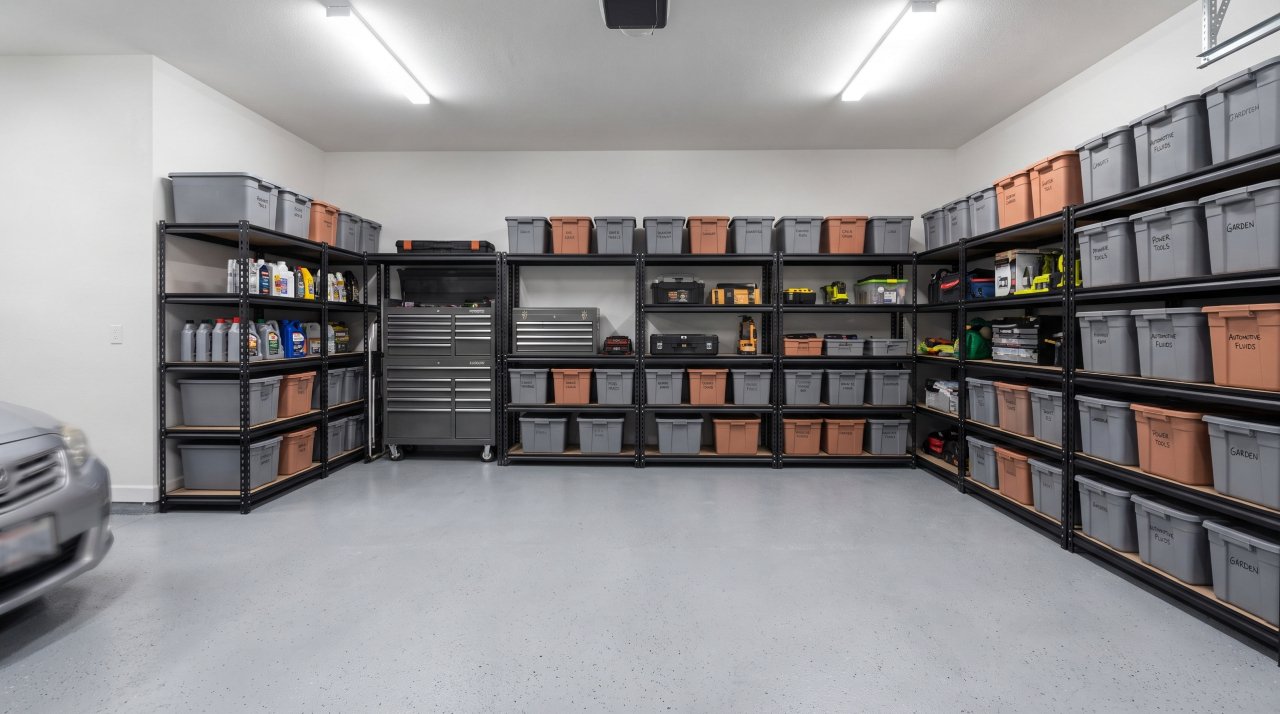
Racking System Specifications: Steel Gauges & Load Calculations
Engineering precise racking system specifications is the foundational requirement for designing safe, compliant, and cost-effective warehouse storage architecture. Racking specifications define structural steel alloy grades, sheet metal gauge thickness, section modulus, column slenderness ratios, and allowable vertical deflection limits under maximum rated payload.
Accepting vague supplier quotes or purchasing uncertified racking leads to unexpected structural beam sagging, connector claw shear failure, and dangerous upright buckling under heavy forklift impact forces. Facility engineering teams must establish strict technical specifications before requesting vendor bids.
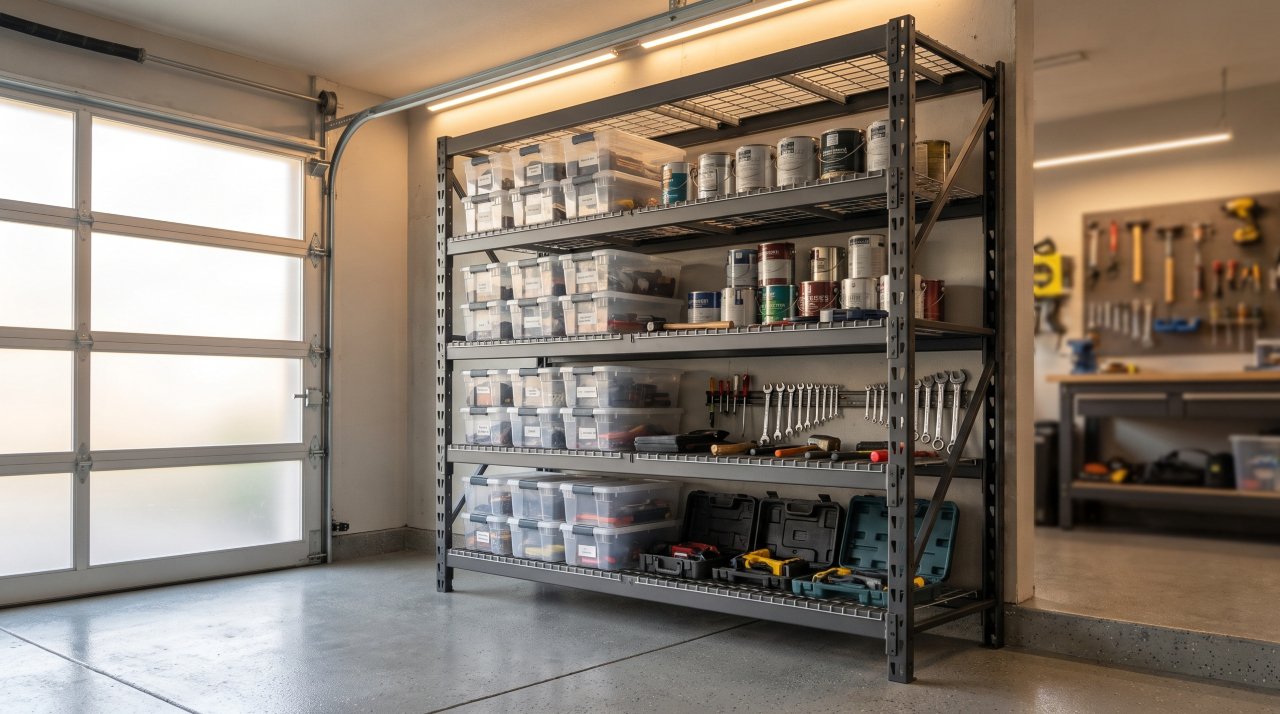
1. Roll-Formed Steel vs. Structural C-Channel Racking Specs
Structural specification begins with selecting the manufacturing process of upright column profiles and step beams.
Roll-Formed Steel Racking Specifications
Roll-formed racking uses 14-gauge, 12-gauge, or 10-gauge cold-rolled sheet steel formed into teardrop profiles. Roll-formed systems offer low tare weight and tool-free beam adjustment. For full frame safety math, review our guide to storage rack weight capacity.
Structural C-Channel Racking Specifications
Structural racking is manufactured from hot-rolled structural steel C-channels conforming to ASTM A36 Grade 50 standards with 3/16-inch to 1/4-inch solid web thickness. Heavy bolted connections resist severe forklift mast impacts. Learn more about heavy manufacturing applications in our industrial storage racks guide.
2. Section Modulus Math and Beam Deflection Limits
According to ANSI MH16.1 RMI Specifications, allowable vertical beam deflection under full rated Uniformly Distributed Load (UDL) cannot exceed beam length divided by 180 (L/180). On an 8-foot (96-inch) beam pair, maximum vertical deflection cannot exceed 0.53 inches. Compare beam specs in our selective pallet racking guide.
3. Upright Column Capacity and Unbraced Length
Upright frame capacity drops as vertical beam elevation spacing (unbraced length) increases. Expanding beam elevation spacing from 48 inches to 72 inches reduces column frame load rating from 26,000 lbs to 18,500 lbs (a 28 percent loss in capacity).
4. Regulatory Compliance Standards
All structural racking specifications must satisfy OSHA General Industry Regulations 1910.176 and local building code seismic requirements.
Frequently Asked Questions
Why is teardrop racking specified in most commercial warehouses?
Teardrop racking features universal pin-and-hole geometry, allowing components from different manufacturers to intermember, lowering replacement part costs.
How do baseplate footings affect racking system specifications?
Heavy-duty footplates distribute vertical column loads across concrete slabs, preventing concrete punch-through under high stack weights.
Mastering Technical Racking Specifications
Developing thorough racking system specifications ensures your warehouse investment meets structural building codes, maximizes vertical cube density, and maintains long-term workplace safety.

Callum Langham
Founder & Technical Storage Editor
Callum Langham is the founder and technical editor of Rack System. With over 12 years of hands-on field experience in warehouse logistics, garage organization, and industrial storage installations, Callum specializes in engineering safety standards, beam load calculations, and OSHA/RMI compliance. Every guide on Rack System is audited against verified steel gauge tolerances and municipal building codes.