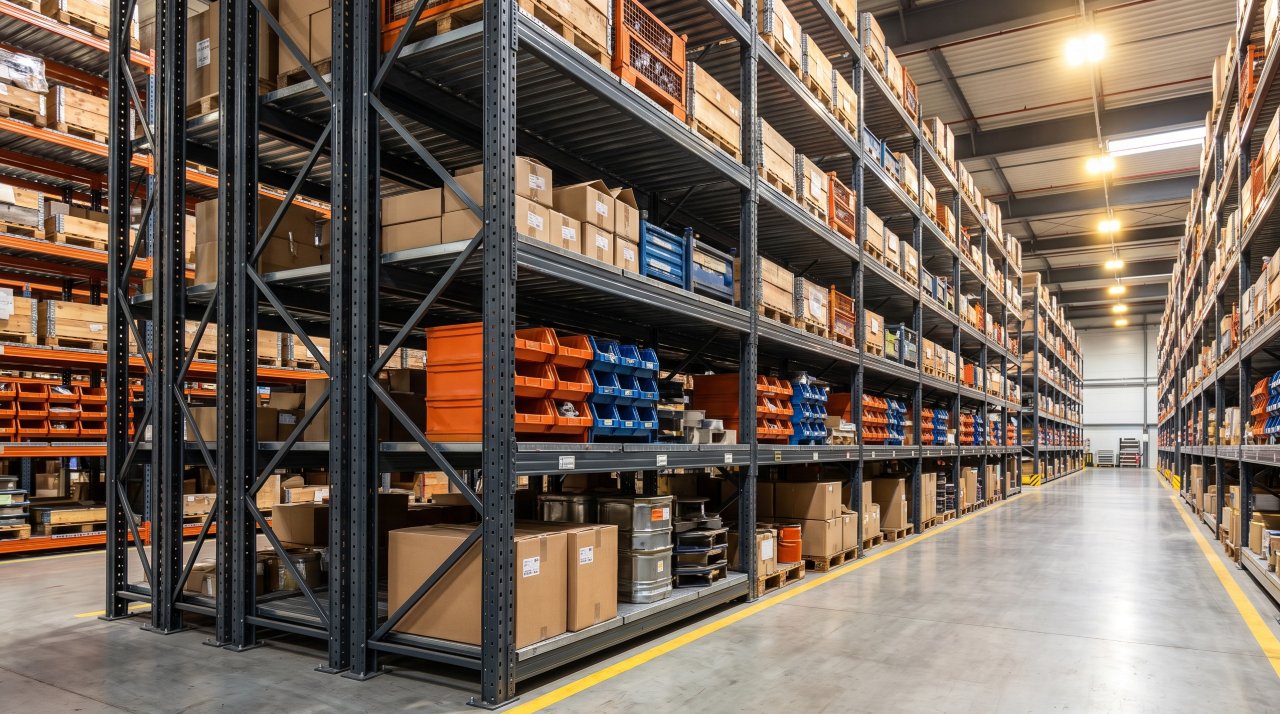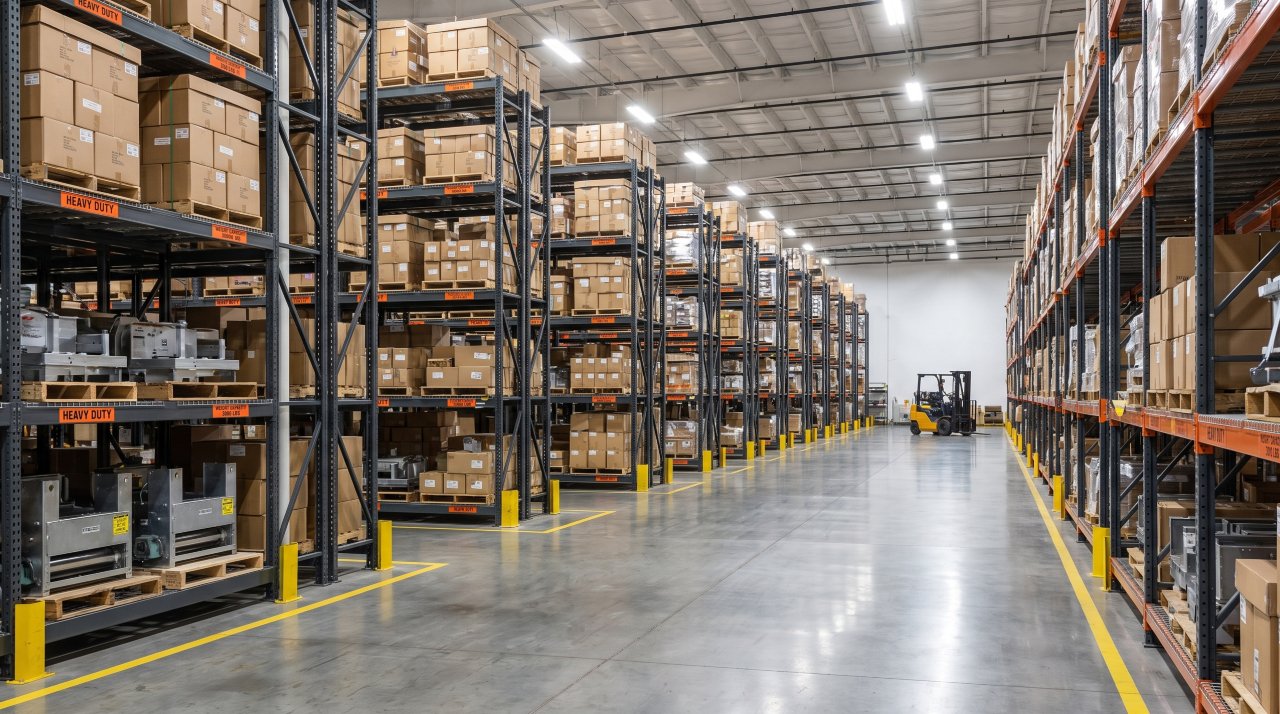
Selective pallet racking is the standard configuration found in over 80 percent of commercial warehouses worldwide. It allows direct, unobstructed access to every single pallet position without moving adjacent inventory. To understand how selective bays fit into overall facility planning, see our complete guide to the pallet racking system.
While selective pallet racking provides unmatched flexibility, designing a system requires precise calculation of frame depths, beam heights, aisle widths, and slab load limits. Skimping on aisle measurements or miscalculating beam deflection leads to costly retrofits or hazardous working conditions.
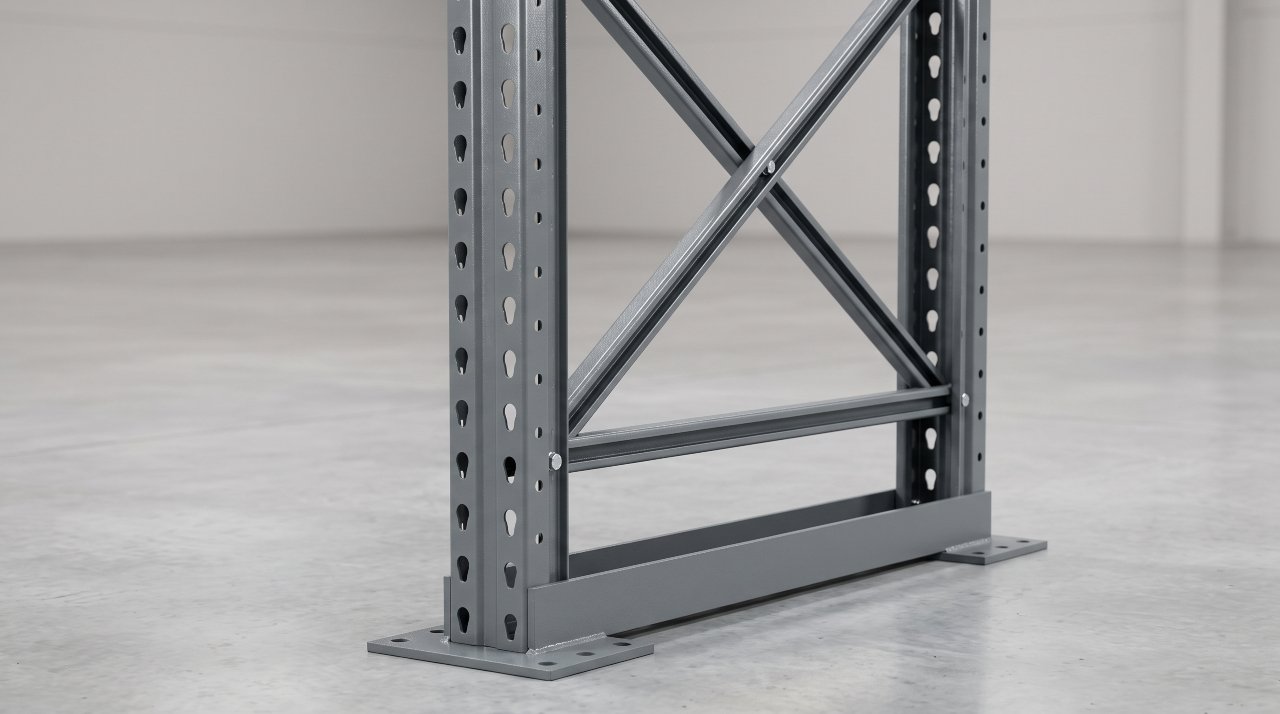
Core Components and Structural Specifications
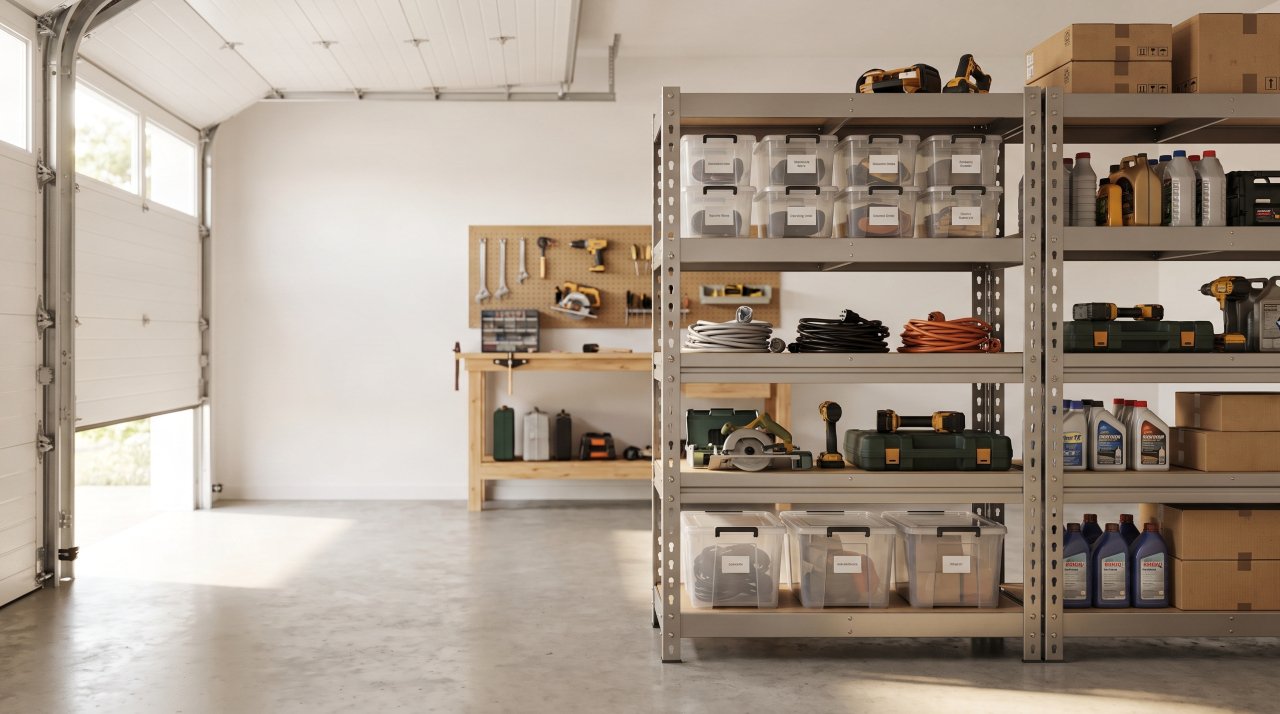
A selective pallet racking bay consists of two primary structural components: vertical upright frames and horizontal load beams. For heavier hand-loaded inventory, managers often pair selective bays with industrial shelving racks.
Safety Regulations and Clearances
Always maintain a minimum 6 inch longitudinal flue space between back-to-back rows to comply with NFPA 13 Sprinkler Clearance Rules and ANSI MH16.1 Storage Rack Standards. For essential safety accessories and post guards, read our review of warehouse racking supplies.
Frequently Asked Questions
What is the standard beam length for selective pallet racking?
The standard beam length is 96 inches (8 feet), designed to hold two standard 40×48 inch pallets side by side with proper side clearance.

Callum Langham
Founder & Technical Storage Editor
Callum Langham is the founder and technical editor of Rack System. With over 12 years of hands-on field experience in warehouse logistics, garage organization, and industrial storage installations, Callum specializes in engineering safety standards, beam load calculations, and OSHA/RMI compliance. Every guide on Rack System is audited against verified steel gauge tolerances and municipal building codes.