Did you know that inefficient warehouse storage costs US businesses an estimated $390 billion per year in lost productivity and wasted space? That’s a staggering number — and a big chunk of that problem comes down to one thing: the wrong racking system, or no racking system at all.
If you’ve ever walked into a warehouse or large garage and felt overwhelmed by rows of metal shelving loaded with boxes, pallets, and equipment, you’re not alone. A warehouse racking system can look complicated from the outside. But once you break it down, it’s actually a pretty logical solution to a very simple problem: how do you store a lot of stuff efficiently, safely, and in a way that lets you find things fast?
This guide is written specifically for beginners. You don’t need any warehouse experience to follow along. By the end, you’ll know what a warehouse racking system is, which types exist, how much they cost, and how to pick the right one for your needs.
What Is a Warehouse Racking System?
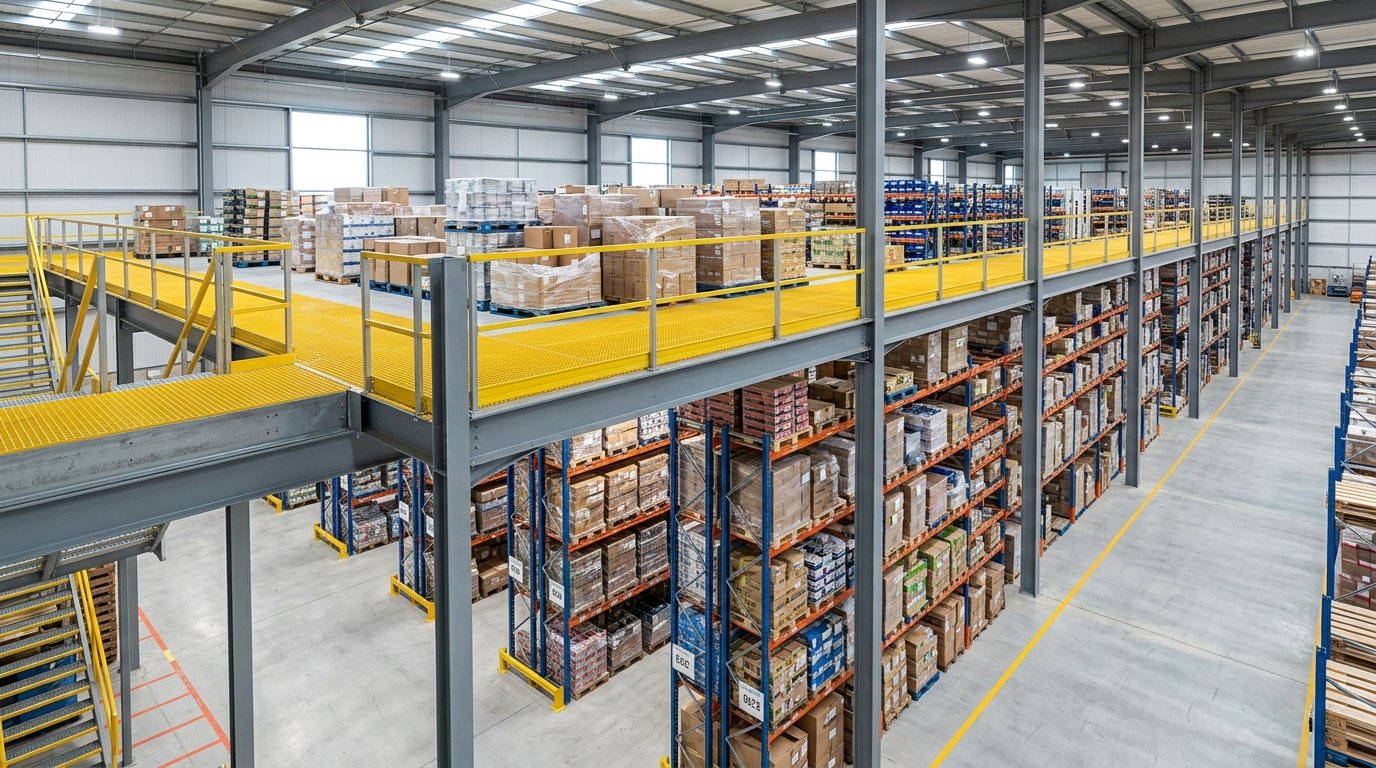
A warehouse racking system is a metal storage structure designed to hold goods on multiple levels above the floor. Think of it like a very heavy-duty bookshelf — but built for warehouses, distribution centers, and industrial garages.
The basic goal is simple: use vertical space. Instead of spreading inventory across a huge floor area, racking lets you stack products upward. This means you fit more into less floor space, which saves money.
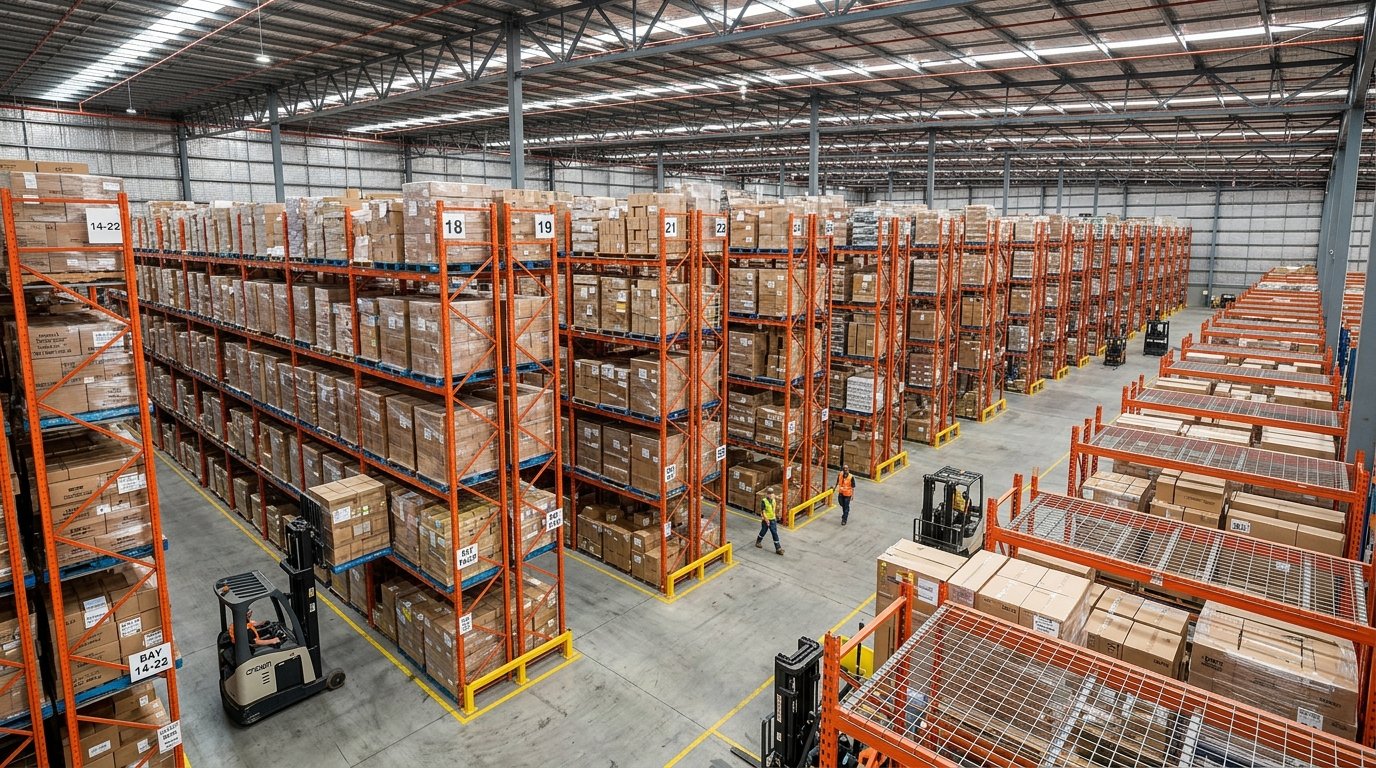
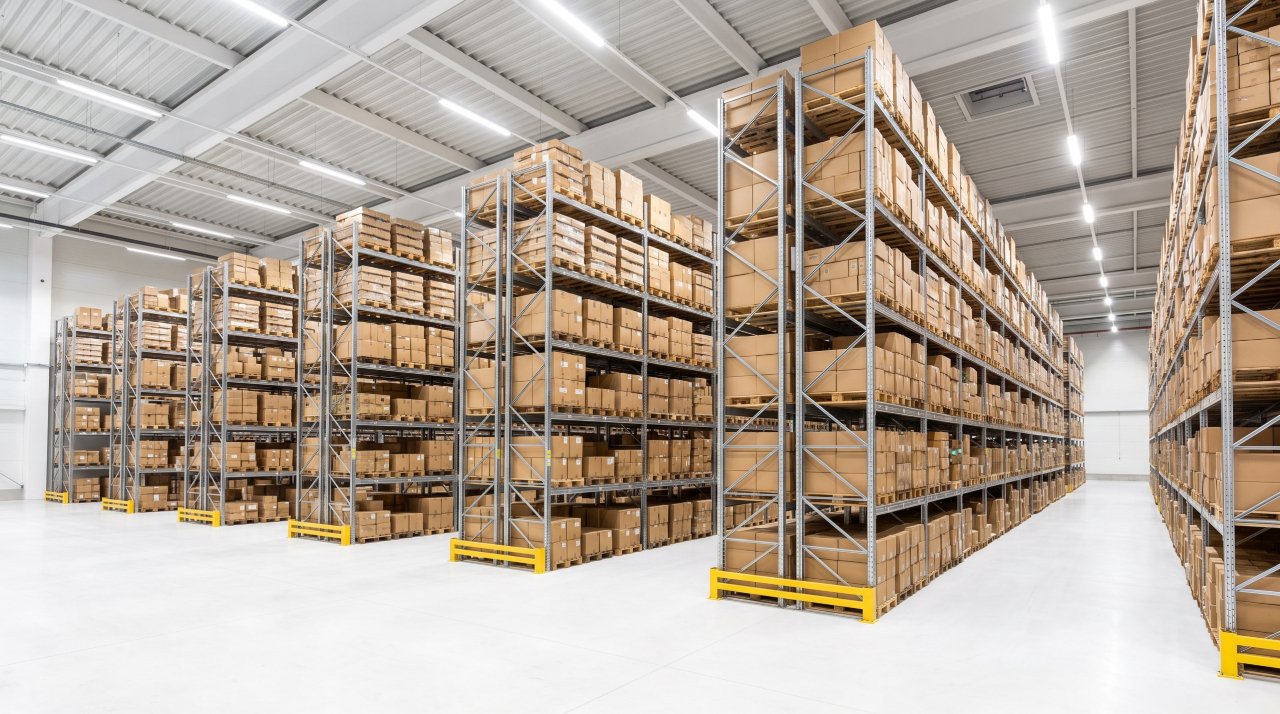
Most racking systems use upright frames (the vertical columns) and horizontal beams (the cross-bars that hold the load). Pallets, bins, or boxes sit on the beams. Forklifts or workers then access the stored goods from the front aisle.
Why Racking Systems Matter More Than Ever
Warehouse space in the US isn’t cheap. According to CBRE’s 2025 US Industrial Market Report, the average industrial lease rate hit $10.09 per square foot in 2025 — up significantly from just a few years ago. Every square foot you waste is money leaving your operation.
A good warehouse racking system helps you:
- Store more product in the same footprint
- Reduce the time workers spend searching for items
- Improve safety by keeping goods organized and off the floor
- Meet OSHA storage compliance standards
You don’t have to run a massive distribution center to benefit from racking. Many small business owners and serious home garage users install scaled-down racking systems too. If you’re interested in how these principles apply at home, check out our guide on heavy duty garage shelving options to see how the same logic works in a smaller space.
The 7 Main Types of Warehouse Racking Systems
This is where most beginners get confused. There are several types of racking systems, and each one works differently. Here’s a plain-English breakdown:
1. Selective Pallet Racking
This is the most common type in the US — and probably what you picture when you think of a warehouse. Each pallet sits in its own slot, and you can access every single pallet directly without moving others. It’s flexible, affordable, and works well when you carry many different SKUs (product types).
Best for: Businesses with high product variety and regular stock rotation.
2. Drive-In Racking
Drive-in racking lets a forklift drive into the rack structure to place or retrieve pallets. You can store many pallets deep, which is great for space saving. The catch is that you can only access one pallet at a time — the last one loaded is the first one out (LIFO system).
Best for: Businesses storing large quantities of the same product that don’t need frequent access.
3. Push-Back Racking
Push-back racking uses a cart-and-rail system. You load pallets from the front, and each new pallet pushes the previous one back. When you remove the front pallet, the others roll forward automatically. It holds 2–6 pallets deep.
Best for: Medium-density storage with multiple SKUs but limited aisle space.
4. Pallet Flow Racking (Gravity Flow)
Pallets load from the back and gravity-fed rollers move them to the front — first in, first out (FIFO). This is ideal for products with expiration dates or strict rotation requirements.
Best for: Food, beverage, pharmaceutical, or perishable goods storage.
5. Cantilever Racking
Cantilever racks have no front column, which means they hold long, awkward items that won’t fit on standard pallet beams — things like lumber, pipes, carpet rolls, or furniture.
Best for: Hardware stores, lumber yards, building supply warehouses.
6. Double-Deep Racking
Double-deep racking stores pallets two rows deep instead of one. You need a special deep-reach forklift to access the back pallets. It doubles your storage density but reduces direct access to about half your inventory.
Best for: Operations with moderate SKU variety and a deep-reach forklift on hand.
7. Mobile Racking (Movable Aisle System)
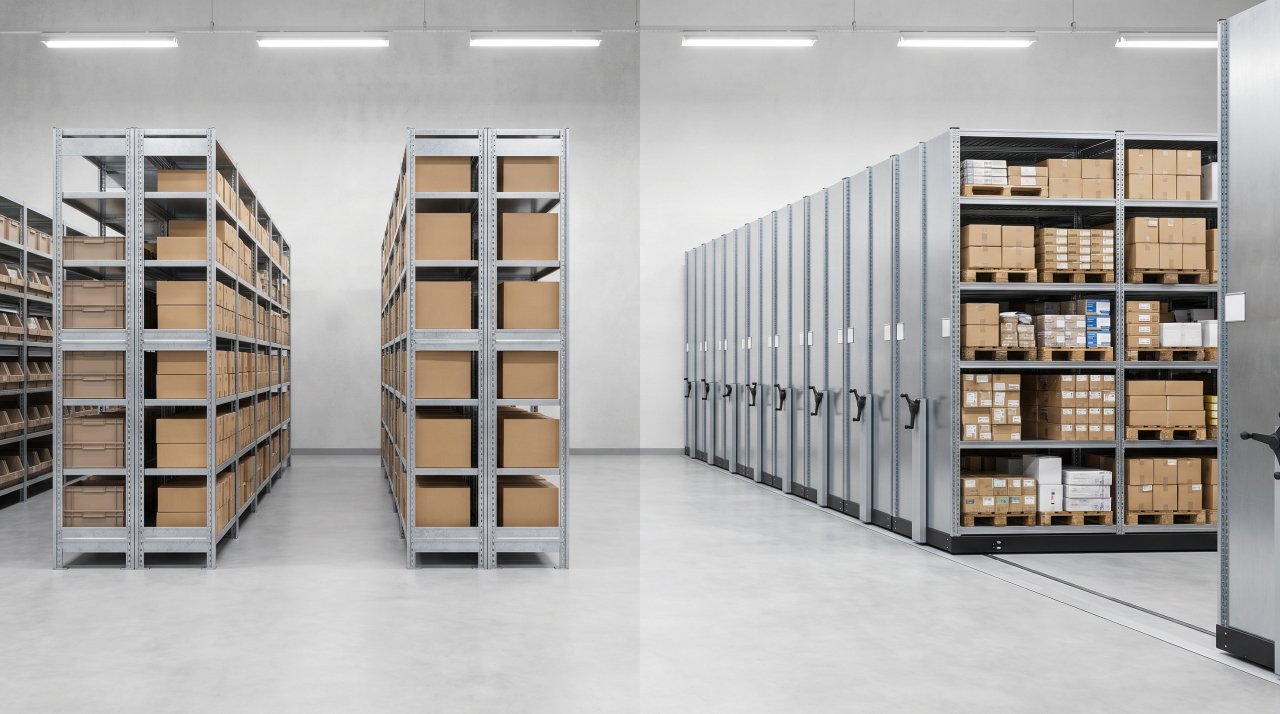
Mobile racking mounts on motorized bases that move along floor rails. Aisles open only when needed, so the system fits far more racking into the same footprint. It’s the most space-efficient option but also the most expensive.
Best for: Cold storage facilities, pharmaceutical warehouses, or high-value compact storage.
How Much Does a Warehouse Racking System Cost?
Cost is one of the most searched questions — and competitors almost never answer it directly. Here’s an honest breakdown.
| Racking Type | Approx. Cost Per Pallet Position | Notes |
|---|---|---|
| Selective Pallet Racking | $60 – $150 | Most affordable, easiest to install |
| Drive-In Racking | $150 – $300 | Higher density, less flexibility |
| Push-Back Racking | $300 – $600 | More mechanical complexity |
| Pallet Flow Racking | $400 – $800 | Roller systems add cost |
| Cantilever Racking | $100 – $400 per arm | Depends on arm length and load |
| Mobile Racking | $500 – $1,200+ | Installation and electrical costs extra |
Figures sourced from industry averages reported by the Material Handling Industry (MHI), the US trade association for supply chain and logistics equipment.
Keep in mind that installation, freight, and any floor anchoring add to these figures. A basic selective pallet racking system for a small warehouse might run $5,000–$15,000 total. Large-scale systems can easily reach six figures.
Weight Capacity: What You Need to Know
One thing that trips up beginners is weight capacity. Racking systems aren’t one-size-fits-all when it comes to load limits.
Most standard selective pallet racks hold 2,000 to 5,000 lbs per beam level, depending on beam size and upright frame strength. The total column load (what the whole upright frame can hold) often ranges from 10,000 to 30,000 lbs.
Always check the capacity label on your rack. According to OSHA Standard 1910.159, rack systems must display load capacity ratings at the end of each aisle. If you’re buying used racking, make sure those labels are present and legible.
Never guess on weight limits. Overloading a rack is one of the most common causes of warehouse accidents in the US.
Racking Safety: What Beginners Often Skip
Here’s the honest truth — racking safety is the section most suppliers don’t emphasize enough, because it’s not as exciting as selling you a system. But you need to know this.
The Rack Manufacturers Institute (RMI) publishes guidelines under ANSI/RMI MH16.1, which sets the national standard for rack design in the US. OSHA also requires that damaged racking be taken out of service immediately.
Here are the safety basics you should follow:
- Inspect racks monthly for dents, bent beams, or loose connectors
- Install column guards or protectors at floor level to protect uprights from forklift damage
- Never modify or weld your rack without consulting the manufacturer
- Train all warehouse staff on load limits and proper forklift use near racks
- Use row spacers between back-to-back rows for added stability
A collapsed rack isn’t just a financial disaster — it’s a life-safety emergency. Take this part seriously.
Common Beginner Mistakes (And How to Avoid Them)
You’ll save yourself a lot of headaches by knowing what goes wrong most often:
Buying the cheapest rack available. Low-cost offshore racking sometimes skips proper load testing. Stick with systems that meet ANSI/RMI standards.
Not measuring ceiling height. Racking height has to account for your ceiling clearance, sprinkler system clearance (typically 18 inches below the sprinkler head), and the height of your forklift’s raised mast.
Ignoring aisle width requirements. Different forklifts need different aisle widths. A standard counterbalanced forklift needs about 12 feet. A narrow-aisle forklift needs 8–9 feet. Plan your layout around your equipment.
Skipping the floor inspection. Racking systems anchor to the concrete floor. Cracked or uneven concrete can compromise the anchor points and make the whole system unstable.
If you’re setting up storage in a residential garage rather than a full warehouse, you’ll face slightly different constraints. Our article on [best garage storage systems for small spaces] covers the residential side in more detail.
Racking vs. Shelving: What’s the Difference?
A lot of people use these terms interchangeably — but they’re not the same thing.
Racking is designed for pallet loads and is accessed by forklifts or pallet jacks. It handles very heavy, bulk loads and works in large industrial spaces.
Shelving is designed for hand-picked items — boxes, bins, individual products. Workers access shelving on foot. It handles lighter loads and works in smaller spaces like retail stockrooms, garages, or small fulfillment areas.
You might actually need both in the same facility. Many warehouses use pallet racking in bulk storage areas and metal shelving in their pick-and-pack zones.
FAQ: Warehouse Racking System Questions Answered
What is a warehouse racking system?
A warehouse racking system is a metal storage structure with upright frames and horizontal beams used to store goods on multiple vertical levels. It’s designed to maximize storage density, improve organization, and allow forklift or manual access to stored inventory.
How much does a warehouse racking system cost?
Costs vary by type. Selective pallet racking — the most common type — costs roughly $60–$150 per pallet position. Drive-in and flow racking cost more due to their complexity. A complete small-warehouse system typically starts around $5,000–$15,000 installed.
What is the weight capacity of pallet racking?
Most standard pallet racks hold 2,000–5,000 lbs per beam level, with total upright capacities ranging from 10,000–30,000 lbs. Always check the manufacturer’s capacity label, which OSHA requires to be displayed on every rack row.
What’s the difference between shelving and racking?
Racking holds palletized loads and is accessed by forklifts. Shelving holds lighter, hand-picked items and is accessed on foot. Racking handles much heavier loads and is used in industrial-scale warehouses, while shelving suits smaller storage areas.
Is warehouse racking safe?
Yes — when installed correctly, loaded within rated limits, and inspected regularly. OSHA and RMI guidelines exist specifically to keep workers safe around racking. The biggest risks come from overloading, forklift impact damage, and skipping routine inspections.
Can I use warehouse racking in my garage?
Absolutely. Scaled-down pallet racking and heavy-duty shelving systems work well in home garages. You won’t need forklift-grade equipment, but the principles of vertical storage, weight limits, and proper anchoring still apply.
How to Pick the Right Racking System
Use these four questions to narrow down your choice:
1. How many different products do you store?
High variety = selective racking. Low variety, high volume = drive-in or push-back.
2. Do you need FIFO or LIFO stock rotation?
FIFO (first in, first out) = pallet flow racking. LIFO = drive-in racking.
3. What equipment do you have?
Standard forklift = standard aisle widths. Narrow-aisle equipment = more dense options possible.
4. What’s your budget?
Be honest. Selective racking is the safest starting point if you’re unsure. You can always add or reconfigure later — most systems are modular.
The One Thing You Should Take Away From This
A warehouse racking system isn’t just shelving — it’s a strategic decision that affects your safety, your efficiency, and your bottom line. The right system helps you use every inch of vertical space, keeps your team safe, and makes your operation run faster.
Start with your inventory type, your forklift equipment, and your budget. Then match those factors to the racking type that fits best. Don’t skip the safety research — read the ANSI/RMI guidelines and make sure every rack you install meets OSHA requirements.
Your next step: measure your available floor space and ceiling height today. Write down your top 3 most-stored product types. Then use that information to request quotes from at least two certified racking suppliers. You’ll have everything you need to make a confident decision.

Callum Langham
Founder & Technical Storage Editor
Callum Langham is the founder and technical editor of Rack System. With over 12 years of hands-on field experience in warehouse logistics, garage organization, and industrial storage installations, Callum specializes in engineering safety standards, beam load calculations, and OSHA/RMI compliance. Every guide on Rack System is audited against verified steel gauge tolerances and municipal building codes.