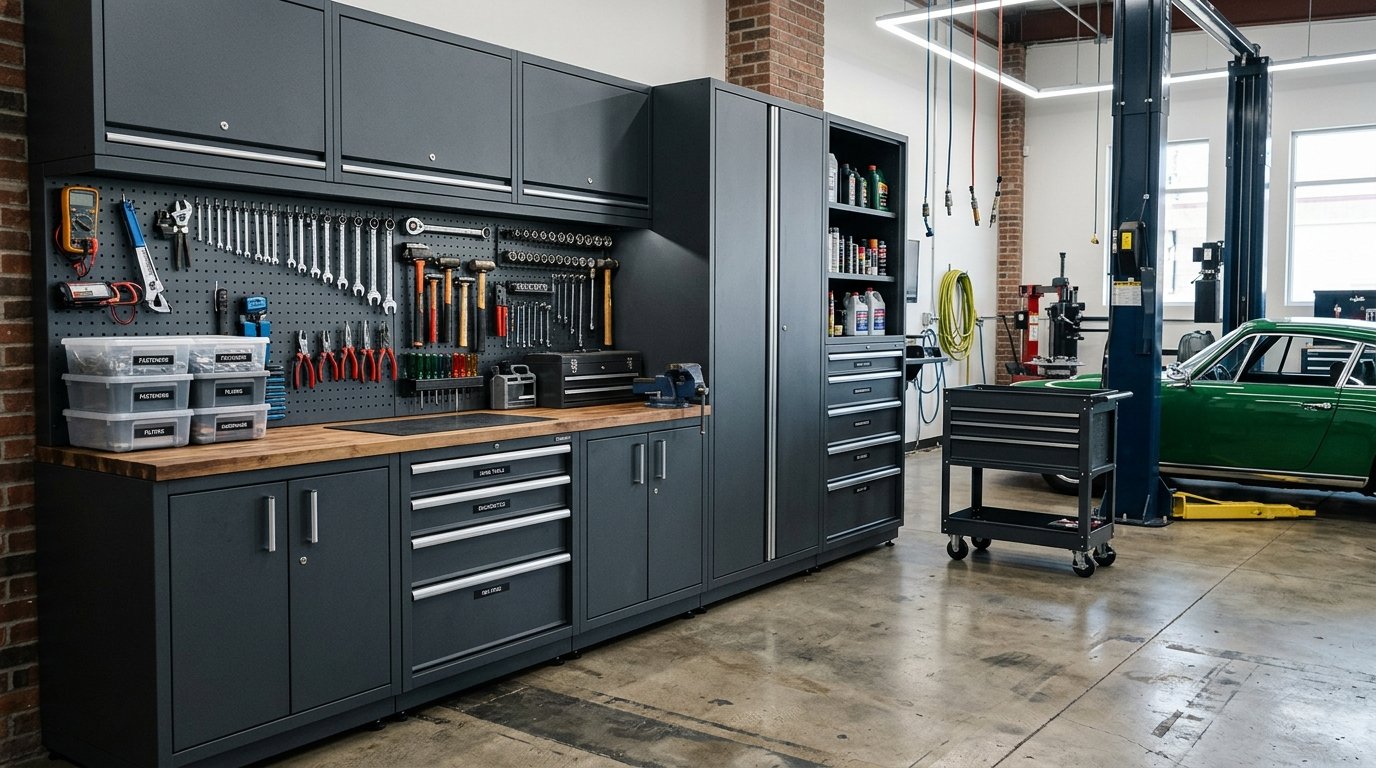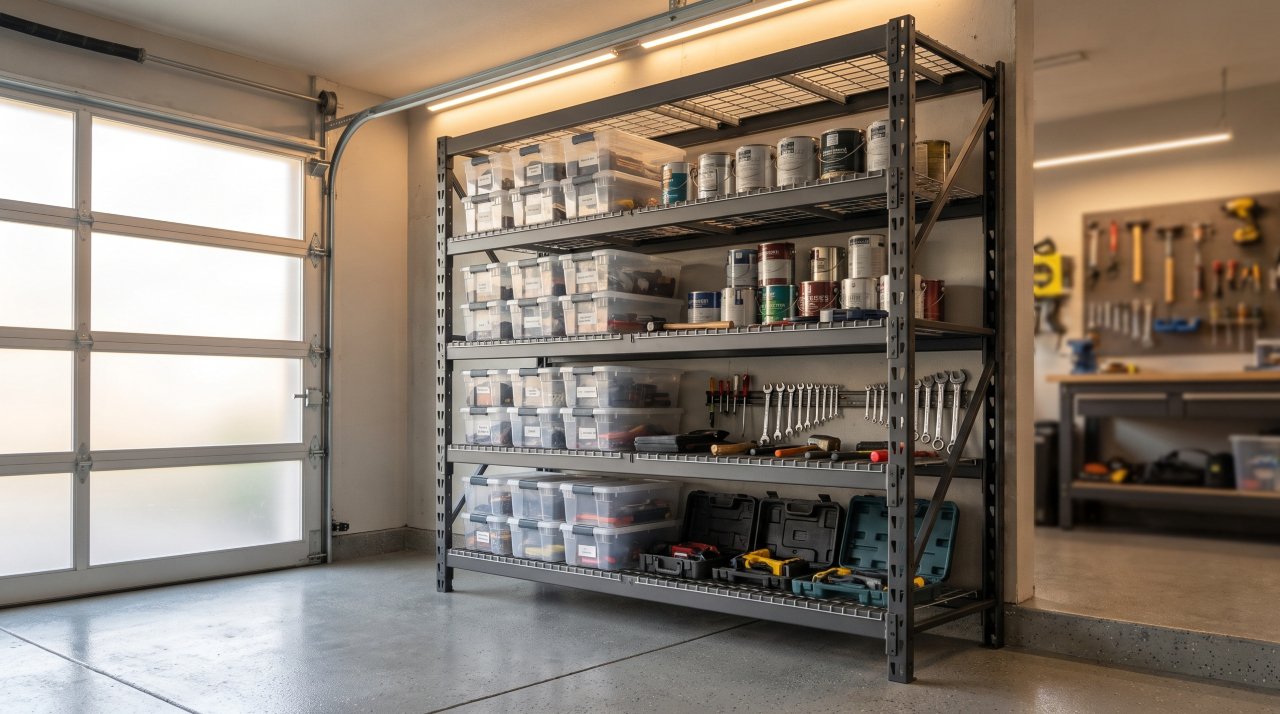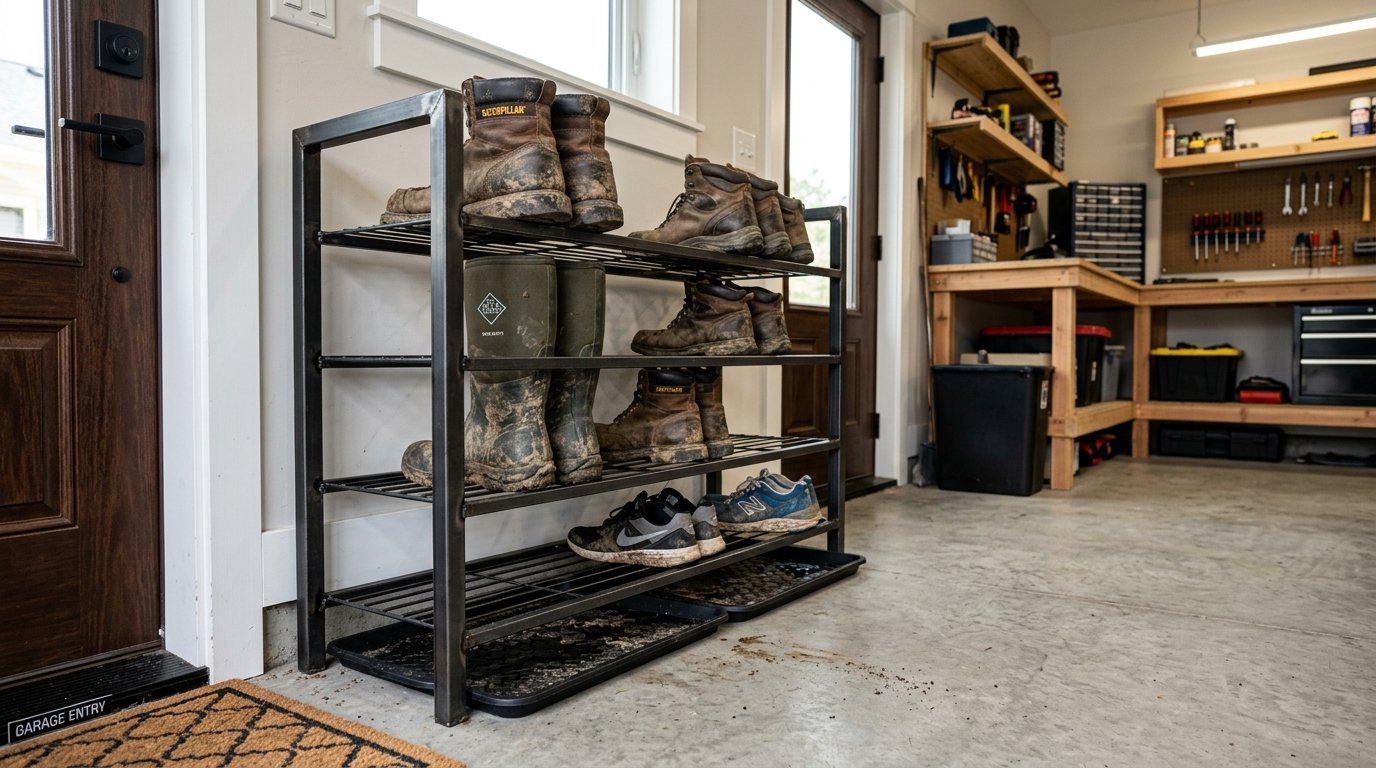
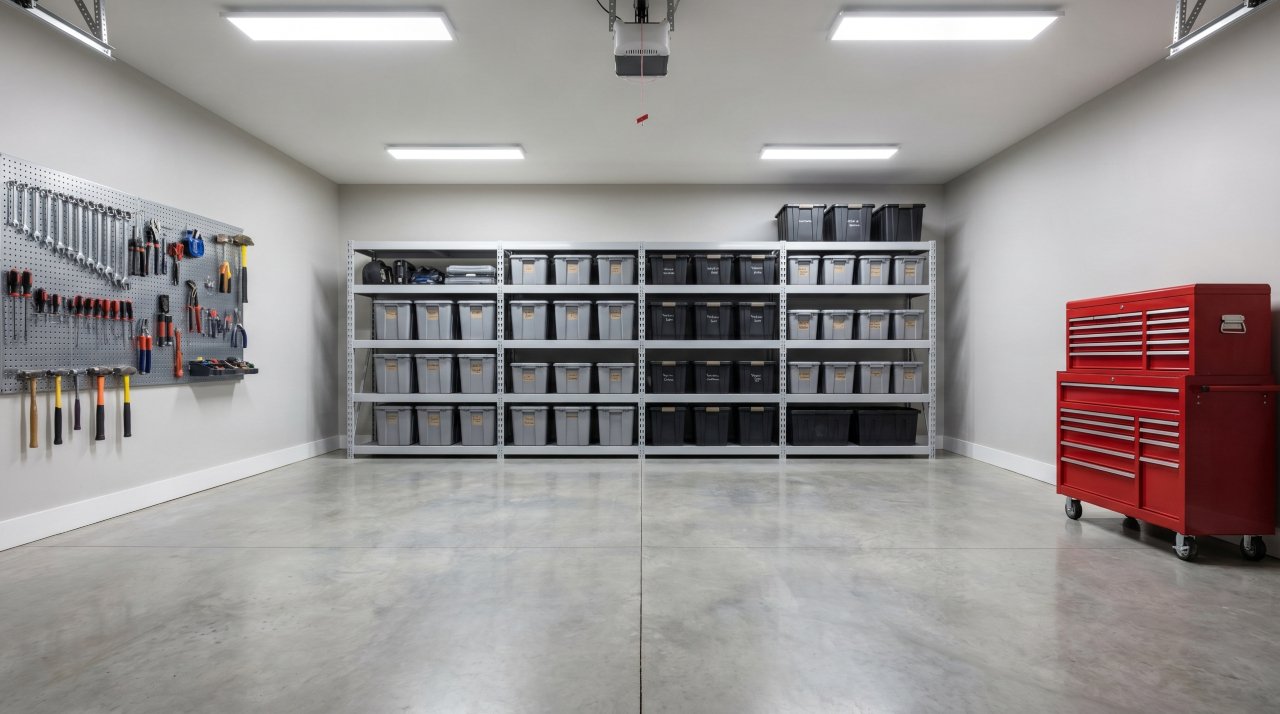
The average American garage holds 3,000+ pounds of stored items — yet 25% of homeowners with a two-car garage say they can’t even fit one car inside, according to data from the U.S. Department of Energy. The reason isn’t a lack of space. It’s a lack of the right storage system.
If you’ve heard the term “rack system” but aren’t sure exactly what it means or whether one belongs in your garage, you’re in the right place. A rack system is a structured, load-bearing storage framework designed to organize and support items off the floor — and it’s one of the most effective tools you can add to any garage.
By the time you finish reading, you’ll know what a rack system actually is, how the six main types work, what weight capacity means in real terms, and how to pick the right system for your specific space. You won’t need to guess anymore.
What Is a Rack System, Exactly?
A rack system is a free-standing or wall-anchored structure made from metal, wood, or heavy-duty resin, built specifically to store items on multiple levels off the ground. Think of it as a three-dimensional organization tool — one that uses vertical space you’re almost certainly wasting right now.
Unlike a basic shelf unit you’d find in a bedroom closet, a rack system is built for real loads. It uses a frame-and-beam construction that distributes weight across multiple contact points, making it far more durable than single-shelf furniture. You’ll find rack systems in warehouses, server rooms, retail stores, and garages — the principles behind all of them are essentially the same.
The core idea is simple: get things off the floor, put them at a usable height, and keep them organized in a way that holds up over time.
Why Rack Systems Matter in a Garage
Your garage floor is some of the most expensive real estate in your home — and parking a car on it is actually optional if you have a solid storage plan. A rack system gives you the structure to turn wall space, ceiling space, and corners into usable storage zones. That’s space most garages waste completely.
Beyond space savings, rack systems protect your belongings. Items stored on the floor are exposed to moisture, pests, and foot traffic. Elevating your gear even six inches off the ground dramatically reduces those risks.
A well-chosen rack system also makes your garage safer. Cluttered floors are one of the leading causes of home injury — the National Safety Council reports that falls are the #1 cause of preventable home injury deaths in the US. Clearing the floor with a rack system isn’t just tidiness — it’s a genuine safety upgrade.
The 6 Main Types of Rack Systems
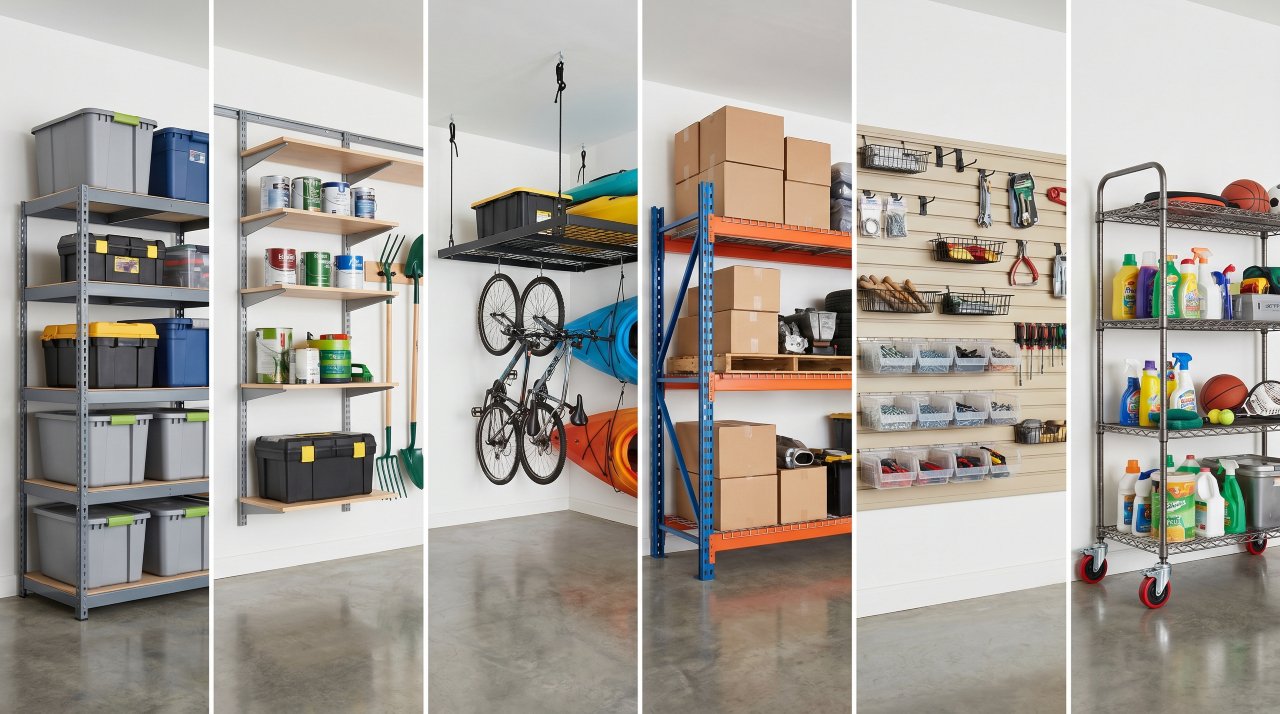
Not all rack systems work the same way. The type you choose depends on your ceiling height, wall condition, floor space, and what you’re storing. Here’s a clear breakdown of each type you’ll encounter.
1. Freestanding Rack Systems
Freestanding racks sit directly on the floor and don’t require any wall or ceiling anchoring. You simply assemble them and place them where you need them. They’re the most flexible option because you can reposition them without tools or damage.
Most freestanding units hold between 500 and 2,000 pounds across their shelves, depending on the gauge of steel used. They work well along garage walls where you want to keep floor access on at least one side. If your garage walls aren’t suitable for drilling — common in older homes or rental properties — a freestanding rack system is your best path forward.
2. Wall-Mounted Rack Systems
Wall-mounted rack systems and Wall mounted garage shelving attach directly to your garage studs, keeping shelves completely off the floor and leaving the area beneath them open. You gain storage space without sacrificing floor footprint at all.
These systems require studs or solid masonry to anchor correctly. A rack mounted only into drywall will fail under load — and a collapsed rack is both dangerous and expensive. When installed properly into studs, wall-mounted systems handle 300 to 800 pounds per shelf section, depending on bracket design and shelf span.
3. Overhead Rack Systems
Overhead rack systems mount to the ceiling joists and hang storage platforms above your head — typically 4 to 8 feet above the floor. This type of system is ideal for seasonal items you don’t access often, like holiday decorations, camping gear, or spare tires.
Most Garage Storage Racks hold between 250 and 600 pounds across a 4×8 foot platform. Before you buy, you need to know your ceiling joist spacing — typically 16 or 24 inches on center — because the rack’s mounting hardware must hit solid wood, not just drywall.
4. Pallet Rack Systems
Pallet rack systems come from the warehouse world, but scaled-down versions have found a place in larger residential garages and workshops. They use upright frames and horizontal load beams to create wide, high-capacity bays designed to hold pallets or large, heavy items like lumber, bulk supplies, or equipment.
Entry-level residential pallet racks handle 2,000 to 5,000 pounds per bay. If you’re storing heavy tools, auto parts, or contractor supplies, this is the rack system worth considering. The American Iron and Steel Institute publishes load-rating standards for structural steel framing, which applies directly to how these racks are engineered.
5. Slatwall and Panel Rack Systems
Slatwall systems mount flat panels to your wall, with horizontal grooves (slats) running across them. You then insert hooks, bins, baskets, and shelves directly into those slats — and you can reposition accessories without tools, just by sliding them along the grooves.
This type of system excels for tools, sports equipment, and garden supplies — anything you want visible and accessible at arm’s reach. The flexibility is unmatched. Slatwall panels typically support 50 to 150 pounds per linear foot, which sounds modest, but across an 8-foot wall section, that’s 400 to 1,200 pounds of accessible storage.
6. Mobile Rack Systems
Mobile rack systems are freestanding units mounted on wheels, giving you the ability to roll storage around your garage as your layout changes. They’re particularly popular in workshops where work zones shift depending on the project.
Quality mobile rack systems include locking casters so the unit stays fixed when you need it to. Load capacities range from 300 to 1,500 pounds. The trade-off is stability — a mobile unit on wheels will never be as rock-solid as an anchored wall rack, so they’re not the right choice for heavy, irregularly shaped loads.
Rack System Materials: What They’re Made From
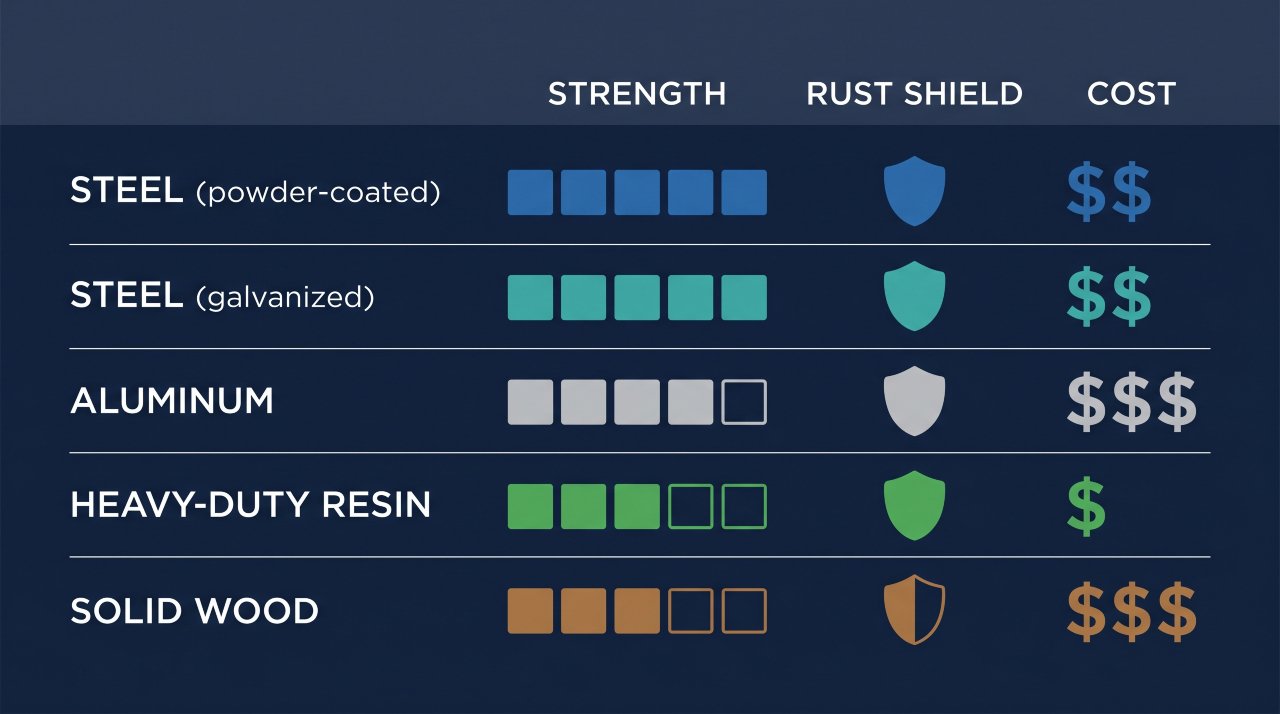
The material your rack system uses determines its strength, durability, cost, and how it handles your garage environment.
| Material | Strength | Rust Resistance | Cost Range | Best For |
|---|---|---|---|---|
| Steel (powder-coated) | Very High | Good | $80–$500+ | General garage storage |
| Steel (galvanized) | Very High | Excellent | $120–$600+ | High-humidity garages |
| Aluminum | Medium | Excellent | $100–$400 | Light to medium loads |
| Heavy-duty resin/plastic | Medium | Excellent | $60–$200 | Light items, moisture-prone areas |
| Solid wood | Medium | Poor | $50–$300 | Custom builds, light loads |
Steel is the dominant material in garage rack systems for good reason. Powder-coated steel resists corrosion and handles the temperature swings a garage experiences year-round. If your garage is particularly humid — common in coastal or Southern states — galvanized steel adds a layer of rust protection worth the small price increase.
How Weight Capacity Actually Works
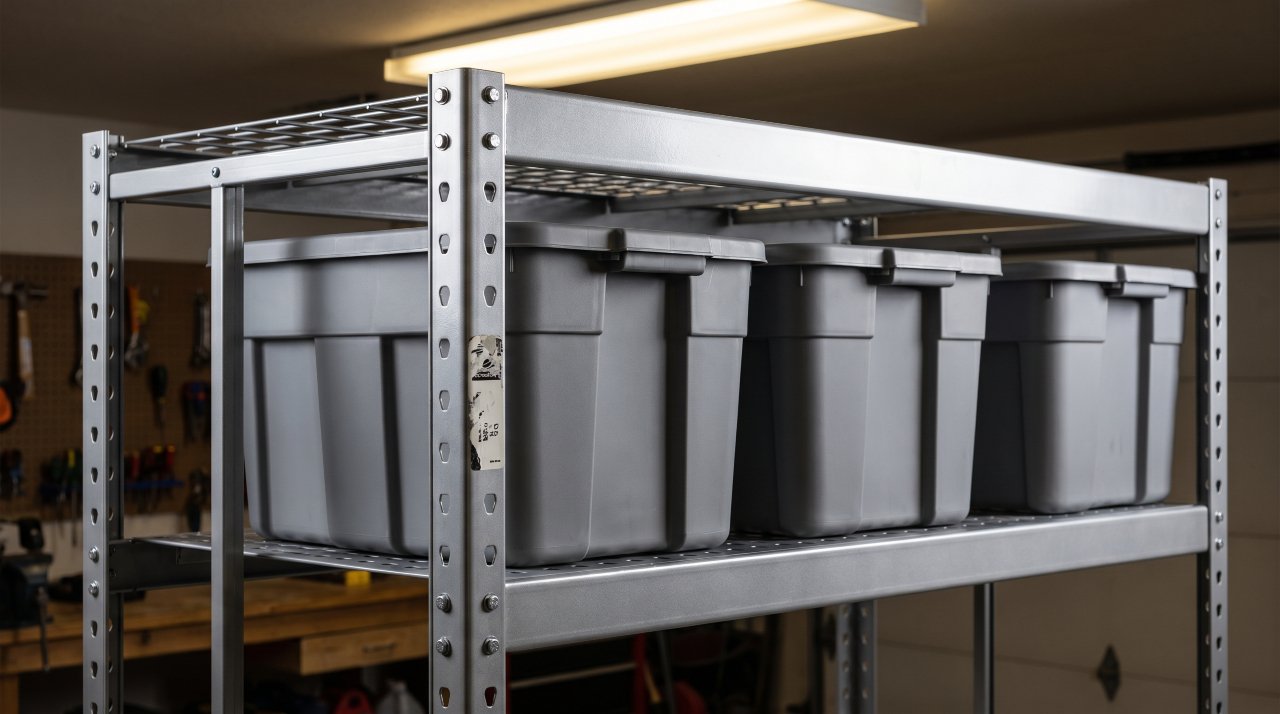
Weight capacity is the number most people misread on a rack system label. You’ll see a maximum capacity listed — say 1,500 pounds — and assume that means you can stack 1,500 pounds on any single shelf. That’s not how it works.
The total capacity is spread across all shelves, and each shelf has its own individual rating. If a 4-shelf unit lists a 1,500-pound total capacity, each shelf might be rated for 375 pounds. Exceeding one shelf’s individual limit causes that shelf to fail, even if the total rack is under its maximum weight.
You should also factor in dynamic load vs. static load. A static load is something sitting still — boxes of books, bins of holiday ornaments. A dynamic load involves movement — someone climbing a ladder next to a loaded rack and bumping it, or a garage door vibration over time. The OSHA storage safety guidelines recommend maintaining a 25% safety buffer below the stated load limit to account for dynamic conditions. That’s solid advice for any garage setup, not just commercial ones.
The Difference Between a Rack and a Shelf
People use these terms interchangeably, but there’s a meaningful structural difference. A shelf is a single horizontal surface — it’s a component. A rack system is a complete structure that includes the uprights, cross-bracing, and multiple shelves working together as one load-bearing unit.
Think of it this way: a shelf is one floor of a building; a rack system is the entire building. The frame does the real work. When you stress a rack system, the load travels down the uprights into the floor or wall anchors — not across a single horizontal surface. That’s why a properly engineered rack handles far more weight than a shelf bracket screwed into a wall.
Installation Considerations Before You Buy
Before you purchase any rack system, you need four measurements: floor space available, ceiling height, wall stud spacing, and the approximate weight of what you plan to store. Get these wrong and you’ll buy a system that either doesn’t fit or can’t do the job.
Your floor must be relatively level for freestanding units. A slope greater than ¼ inch per foot causes freestanding racks to lean, which stresses the frame unevenly over time. Most rack systems include adjustable feet to handle minor slope variations — check this before you buy if your garage floor drains toward the center or edges.
For ceiling-mounted units, identify your joist direction and spacing before ordering. Most overhead racks come with hardware for 16-inch and 24-inch joist spacing, but some don’t — and the wrong anchoring hardware is a serious structural risk.
Honest Limitations of Rack Systems
Rack systems are genuinely effective, but they’re not a perfect solution for every situation. Here’s what you should know before committing.
Cheap rack systems often use thin-gauge steel that bends under real-world loads. If a rack’s price seems too good to be true, check the steel gauge — lower numbers mean thicker steel. A 14-gauge steel rack is significantly stronger than an 18-gauge unit, even if the listed capacity looks similar.
Installation takes longer than most product pages suggest. A freestanding rack might take 1–2 hours to assemble. A wall-mounted or ceiling-mounted system, done properly with stud-finding, leveling, and secure anchoring, typically takes 3–5 hours for one person. Budget your time honestly.
You also need to reassess your rack annually. Garage environments are harsh — temperature swings, humidity, and vibration from the garage door motor all affect hardware over time. Check bolts and anchors once a year and retighten anything that’s worked loose.
How to Choose the Right Rack System for Your Garage
Choosing the right rack system comes down to five questions you need to answer about your own space.
- What are you storing? Heavy items need steel frames and high per-shelf ratings. Light, bulky items (sporting goods, holiday decor) work well on overhead or freestanding systems.
- How much floor space can you give up? Freestanding racks use floor space. Overhead and wall systems free it up.
- How often do you need access? Daily-use items belong at eye level on accessible wall systems. Seasonal items belong overhead.
- What is your ceiling height? Anything under 8 feet limits overhead rack options significantly.
- What is your budget? A quality freestanding steel rack starts around $80–$150. A full overhead or wall system with installation hardware runs $150–$500 for DIY, more for professional installation.
You can check our guides on Wall Mounted Garage Shelving and Garage Storage Racks to choose the best rack system.
You don’t need the most expensive system — you need the right system for your specific conditions. Take 20 minutes to answer these five questions and you’ll cut your research time in half.
FAQ
What is a rack system used for?
A rack system stores and organizes items in a structured, multi-level framework that keeps things off the floor. In a garage, you’ll use it to store tools, seasonal items, sporting equipment, bins, and boxes in a way that’s accessible, safe, and space-efficient. The goal is to use vertical space instead of letting items pile up on the floor.
What are the different types of rack systems?
The six main types are freestanding, wall-mounted, overhead (ceiling-mounted), pallet rack, slatwall panel, and mobile rack systems. Each type suits different loads, garage sizes, and storage needs. Freestanding systems offer flexibility; overhead systems free up floor and wall space; pallet racks handle heavy-duty loads.
How much weight can a rack system hold?
Weight capacity varies significantly by type and build quality. Light-duty freestanding racks handle 500–1,000 pounds total. Heavy-duty pallet rack systems manage 2,000–5,000 pounds per bay. Always check the per-shelf rating, not just the total capacity listed on the box — individual shelf limits are what matter for day-to-day loading.
What’s the difference between a shelf and a rack?
A shelf is a single horizontal surface. A rack system is a complete load-bearing structure that includes vertical uprights, cross-bracing, and multiple shelves working as one unit. Rack systems handle significantly more weight because the frame distributes load down to the floor or wall anchors, rather than relying on one horizontal surface.
Are rack systems hard to install?
Freestanding rack systems are straightforward — most people complete assembly in 1–2 hours with basic tools. Wall-mounted and ceiling-mounted systems require more precision, including stud location, leveling, and secure anchoring into structural wood. Budget 3–5 hours for a ceiling or wall system if you’re doing it yourself for the first time.
How do I choose the right rack system?
Start by identifying what you’re storing, how much floor space you can spare, how often you need access, your ceiling height, and your budget. Heavy items need high-capacity steel frames. Seasonal or rarely accessed items work best on overhead systems. Daily-use tools and gear belong on accessible wall-mounted or slatwall systems.
Closing
The most important thing to take away from this guide is simple: a rack system isn’t just a piece of storage furniture. It’s a load-bearing structure that, when matched correctly to your space and your storage needs, transforms a chaotic garage into a functional one.
Your specific next step is this — measure your garage’s floor space, ceiling height, and available wall studs before you buy anything. That 10-minute task will tell you which type of rack system actually fits your space, which eliminates guesswork and wasted money. Once you have those numbers, use the five-question framework in this guide to narrow your choice to one or two options. From there, you’re choosing a product, not solving a puzzle.
You now have everything you need to make that decision confidently.

Callum Langham
Founder & Technical Storage Editor
Callum Langham is the founder and technical editor of Rack System. With over 12 years of hands-on field experience in warehouse logistics, garage organization, and industrial storage installations, Callum specializes in engineering safety standards, beam load calculations, and OSHA/RMI compliance. Every guide on Rack System is audited against verified steel gauge tolerances and municipal building codes.