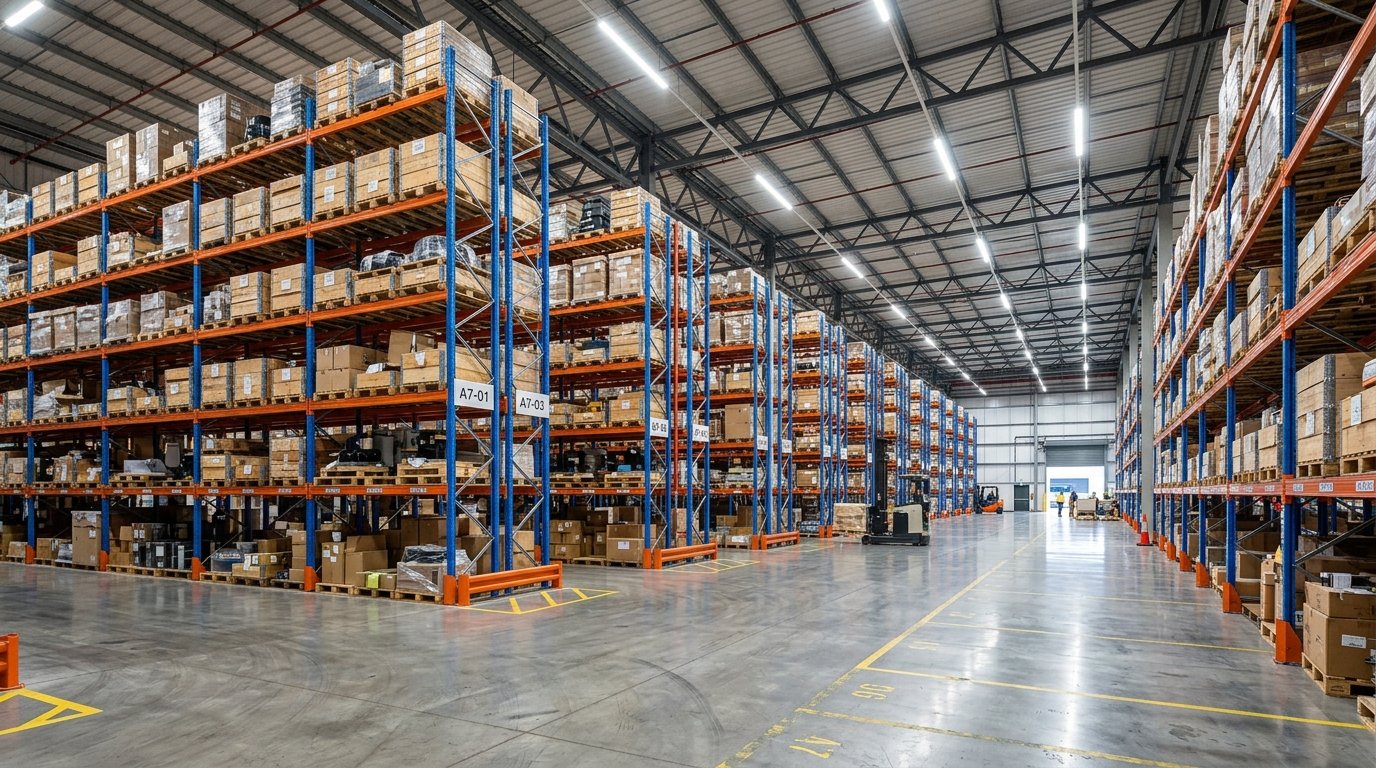
Metal Shelving Units: Types, Gauges & What to Buy
Metal shelving units are the workhorse of industrial and commercial storage. From heavy-gauge steel industrial stockrooms to lightweight aluminum kitchen shelving, metal shelving covers a massive range of applications, weight capacities, and price points. Understanding the key differences between steel grades, shelf construction methods, and surface finishes helps you avoid buying underpowered residential shelving for demanding commercial environments.
Too many buyers purchase based on price alone and end up with 26-gauge steel consumer shelving that bows within weeks under the weight of auto parts, tools, or commercial inventory. This guide gives you the spec knowledge to buy correctly the first time.
This guide covers steel vs. aluminum metal shelving, gauge thickness ratings, open vs. closed construction, load capacity math, and which metal shelving type fits your specific environment.
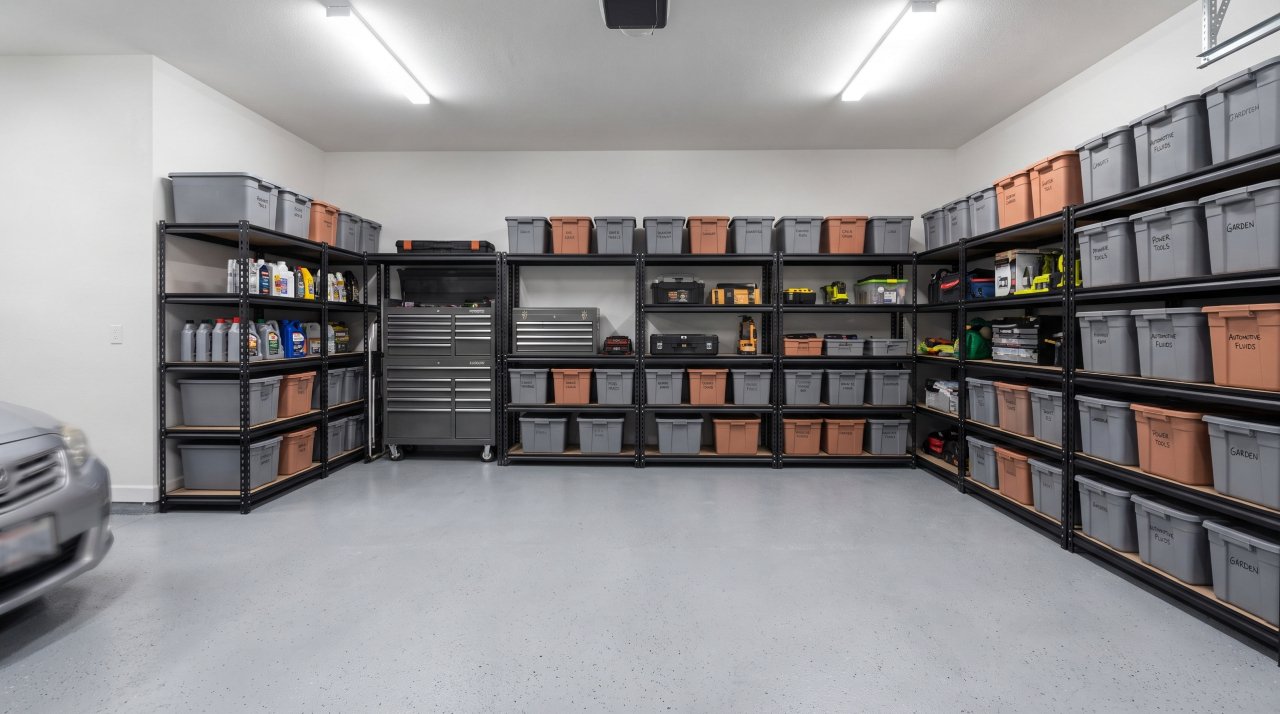
1. Steel vs. Aluminum Metal Shelving Units
Cold-rolled steel is the default material for industrial and heavy commercial metal shelving. Cold-rolling increases tensile strength to 65,000 to 80,000 PSI while improving surface finish quality for cleaner powder coat adhesion. Steel shelving handles high-impact loads, concentrated point weights, and long-term static loads without permanent deflection.
Steel shelving gauge thicknesses used in commercial units:
- 20-Gauge (0.036 inch): Light commercial grade, 250 to 400 lbs per shelf. Suitable for packaged product stockrooms.
- 18-Gauge (0.048 inch): Standard industrial grade, 500 to 900 lbs per shelf. The most common gauge for parts stockrooms and tool cribs.
- 16-Gauge (0.060 inch): Heavy industrial grade, 800 to 1,200 lbs per shelf. Specified for auto parts, equipment storage, and dense inventory.
- 14-Gauge (0.075 inch): Structural heavy grade, 1,000 to 2,000 lbs per shelf. Required for high-stack heavy equipment and bulk materials.
For full gauge-to-capacity comparison tables, see our guide on steel shelving units.
Aluminum shelving units are lighter and completely rust-proof, ideal for marine environments, food processing facilities, and chemical labs where steel would corrode aggressively. Aluminum load capacities are typically 40 to 60 percent lower than equivalent-gauge steel for the same cross-section dimensions.
2. Open vs. Closed Metal Shelving Construction
Open Metal Shelving Units
Open metal shelving uses diagonal and horizontal steel bracing members on the sides and rear, allowing complete 360-degree visibility, full HVAC airflow, and access from both front and rear faces. Open units cost 15 to 25 percent less than fully enclosed units.
Closed Metal Shelving Units
Fully enclosed metal shelving features solid 20-gauge or 18-gauge steel side and rear panels, preventing loose small parts from falling behind units, blocking dust contamination, and providing secure visual containment for high-value inventory. Read more in our guide to heavy duty metal shelving.
3. Surface Finishes for Metal Shelving Units
A proper 2 to 3 mil thick powder coat layer provides strong abrasion resistance, chemical resistance, and scratch protection, lasting 5 to 10 years in dry indoor environments. Hot-dip galvanized metal shelving provides far superior corrosion resistance in high-humidity environments through zinc’s sacrificial cathodic protection. Chrome wire shelving uses a welded wire grid shelf surface that provides full air circulation and NSF food service certification. Learn full specifications in our heavy duty wire shelving guide.
4. Metal Shelving Load Capacity Math
All metal shelving load ratings are measured as Uniformly Distributed Load (UDL) capacity per shelf level. This means the listed weight must be spread evenly across the full shelf surface. Concentrating the rated load onto a single center point will cause the shelf to bow beyond allowable L/180 deflection limits.
To calculate how many shelving bays you need: total inventory weight divided by shelf UDL rating equals minimum number of shelf levels required. Divide total shelf levels by shelves per bay to get minimum bay count. Add 20 percent inventory growth buffer to avoid purchasing again within 2 years.
5. Safety and Anchoring Rules
All freestanding metal shelving units exceeding 72 inches in height must be anchored to prevent tip-over. Per OSHA Materials Handling Regulation 1910.176, storage shelving must remain stable under all normally anticipated load conditions. For multi-row installations, connect adjacent units using top-span crossbar ties. Full installation specs follow MHI Storage Equipment Standards.
Frequently Asked Questions
What gauge steel shelving is best for an auto parts room?
Specify 18-gauge minimum for standard automotive parts (alternators, filters, gasket sets). Use 16-gauge for heavy suspension components, differentials, and transmissions exceeding 100 lbs per item.
Can metal shelving units be painted after purchase?
Yes. Strip the original powder coat with chemical stripper or abrasive blasting, then apply a zinc-rich primer followed by two coats of industrial enamel for a durable refinish.
How far apart should shelving posts be anchored to the floor?
Use 3/8-inch diameter concrete wedge anchors at each post baseplate position. Drive anchors into solid concrete slab at minimum 2.5 inches embedment depth for heavy-load steel shelving units.
What is the difference between industrial and commercial grade metal shelving?
Industrial grade uses 16-gauge or heavier structural steel with welded corner gussets and supports 800 to 2,000 lbs per shelf. Commercial grade uses 18 to 20-gauge lighter steel supporting 300 to 900 lbs per shelf for lighter-duty stockroom use.
Buying Metal Shelving That Lasts
The right metal shelving unit for your application depends on three things: the weight per shelf level, the environmental conditions the shelving will face, and whether you need open or enclosed bays. Match gauge to load, match finish to environment, and always anchor tall units to floor concrete. Buying to spec the first time is far cheaper than replacing under-rated shelving six months into use.

Callum Langham
Founder & Technical Storage Editor
Callum Langham is the founder and technical editor of Rack System. With over 12 years of hands-on field experience in warehouse logistics, garage organization, and industrial storage installations, Callum specializes in engineering safety standards, beam load calculations, and OSHA/RMI compliance. Every guide on Rack System is audited against verified steel gauge tolerances and municipal building codes.