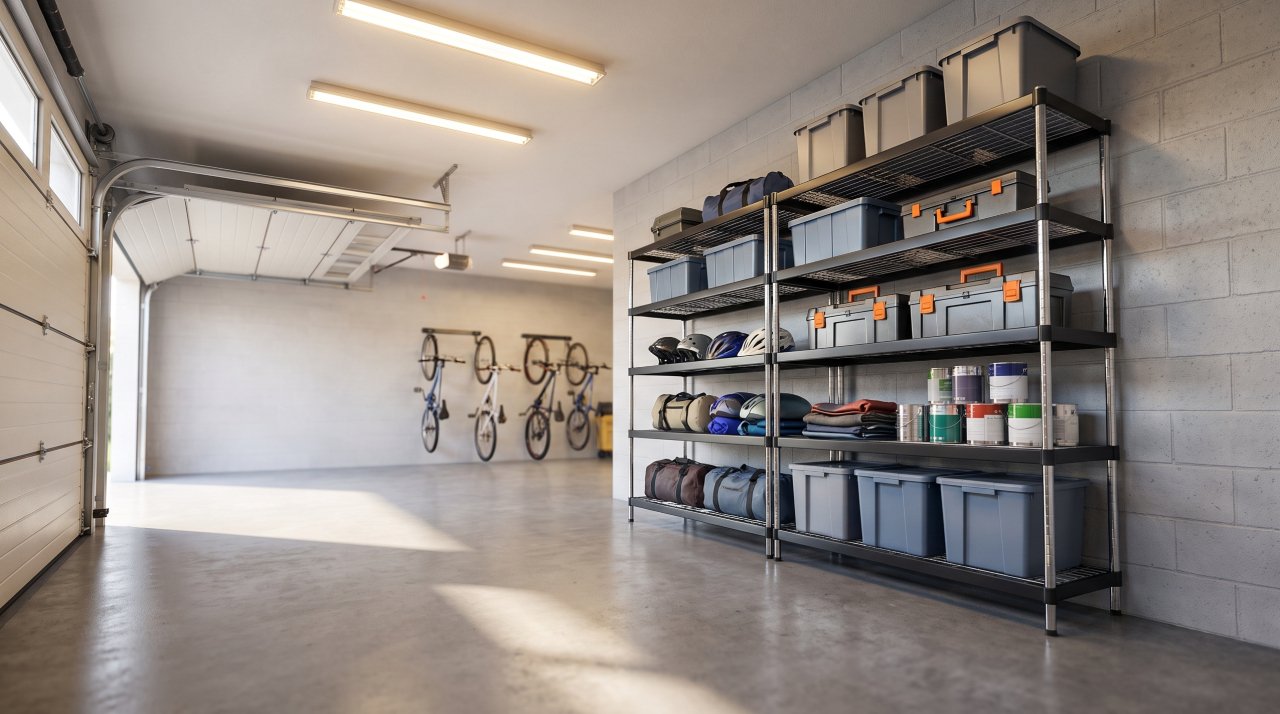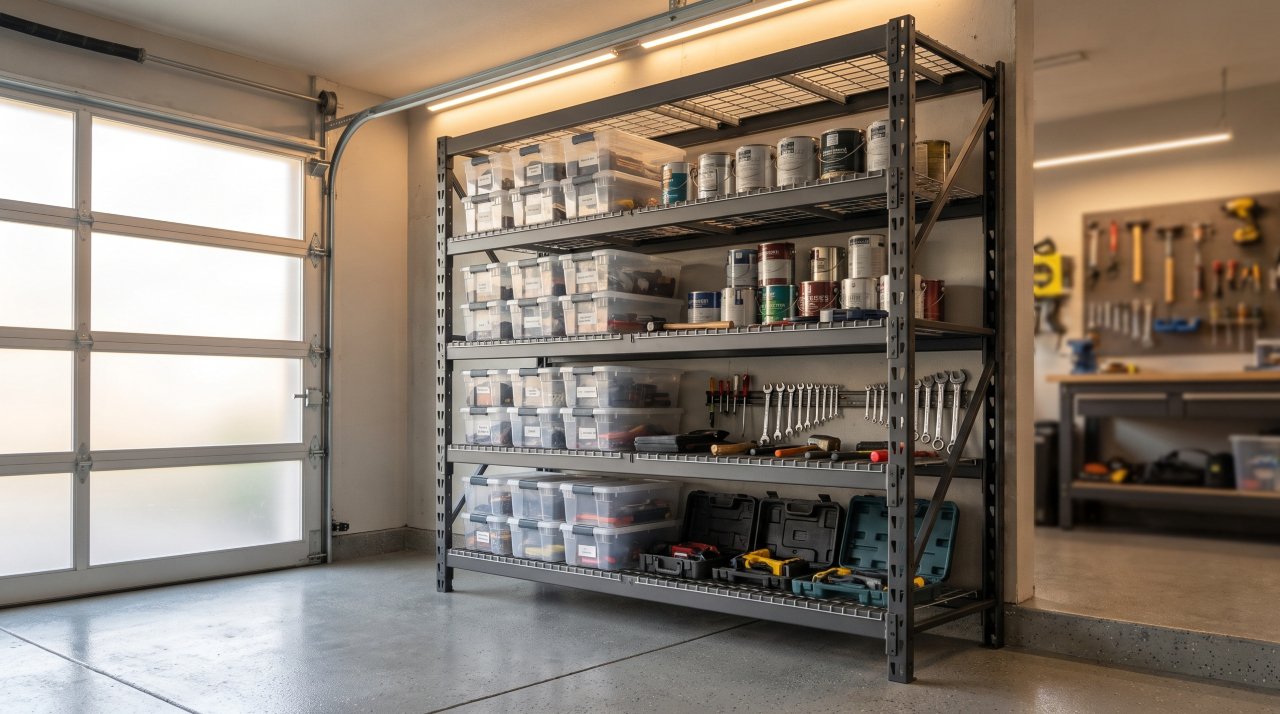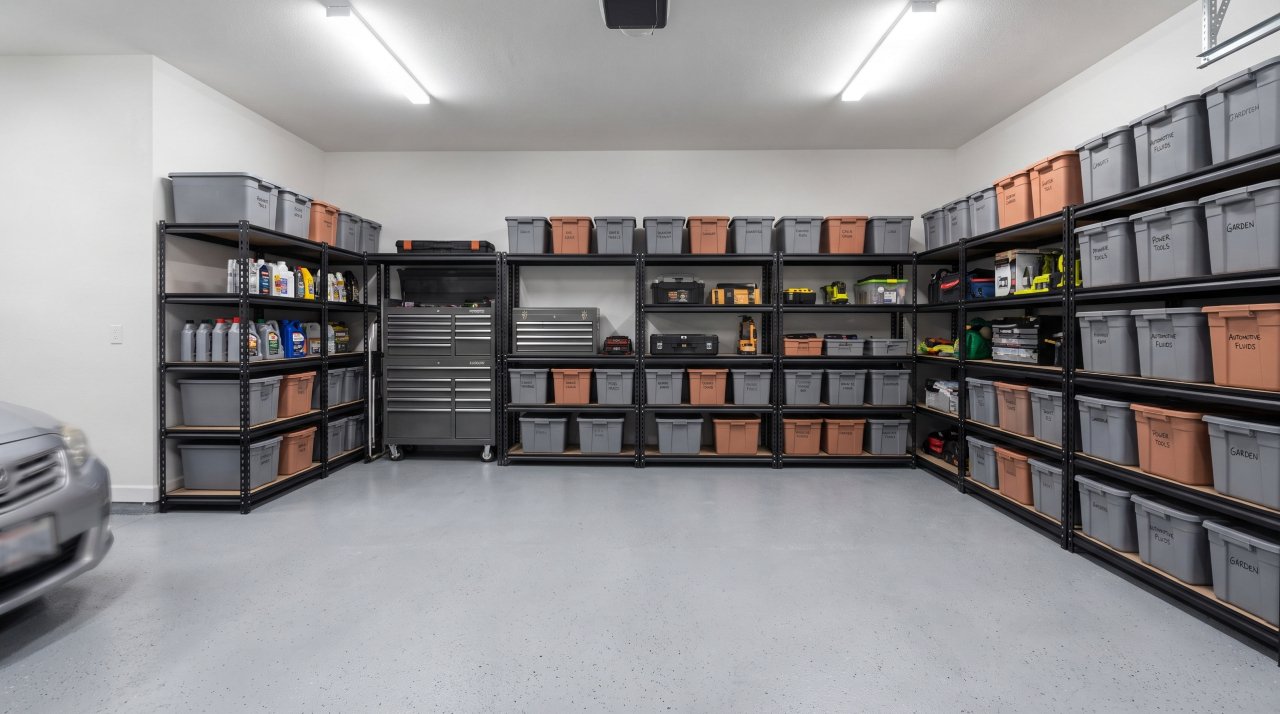
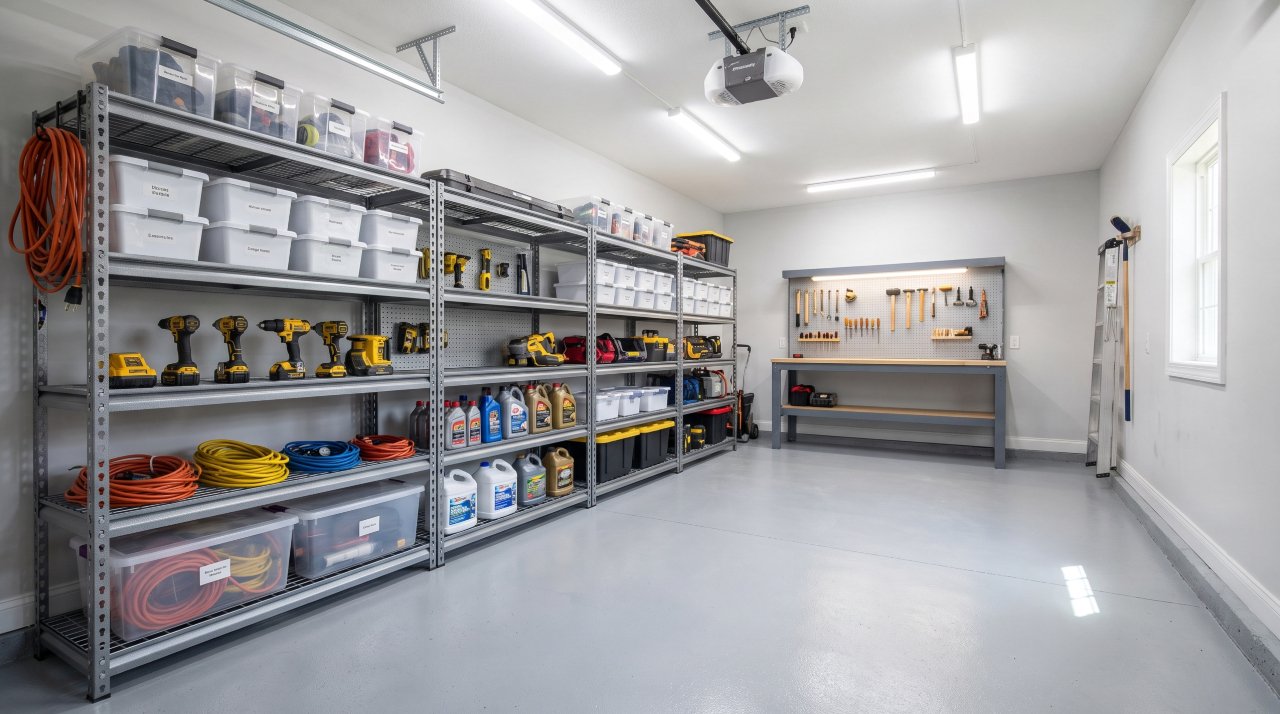
Most people underestimate their garage storage by about 60%. According to a 2024 survey by the National Association of Home Builders, inadequate storage is the single most common complaint among American homeowners — and the garage is the #1 space they want to fix. If you’ve been stacking boxes on the floor or cramming things into corners, heavy duty garage shelves might be the most practical upgrade your home can get.
This guide gives you everything you need to know about heavy duty garage shelves — what they are, which types exist, how weight capacity actually works, and what mistakes to avoid. By the time you finish reading, you’ll know exactly what to look for and what to skip.
What Are Heavy Duty Garage Shelves?
Heavy duty garage shelves are shelving units built to hold significantly more weight than standard household shelves. A typical light-duty shelf holds 50–100 lbs per shelf. A heavy duty unit can hold anywhere from 250 lbs to over 2,000 lbs per shelf depending on the material and construction.
You’ll find them in garages, workshops, warehouses, and commercial spaces. They’re designed to handle the kind of gear that breaks regular shelving — car parts, power tools, bulk supply bags, paint cans, and seasonal equipment.
The key difference isn’t just the weight rating. It’s the structural engineering behind the shelf — thicker steel, welded or bolted frames, wider footpads, and deeper decking.
The 4 Main Types of Heavy Duty Garage Shelves
Not all heavy duty shelves work the same way. Choosing the wrong type for your space is one of the most common mistakes beginners make.
1. Freestanding Steel Shelving Units
These are the most popular option for garages. You assemble them without attaching to walls, which makes them great for renters or anyone who moves often. Most freestanding units come in steel with a powder-coated finish to resist rust and corrosion.
2. Wall-Mounted Shelving Systems
You bolt these directly into wall studs or concrete. They free up floor space and feel more permanent. They’re ideal if your garage has solid stud walls or a concrete block structure.
3. Overhead Ceiling-Mounted Platforms
These mount to ceiling joists and let you store items above your car. They work well for seasonal items you don’t touch often — holiday decorations, camping gear, rarely used sports equipment.
4. Modular Shelving Systems
These let you configure and reconfigure shelving as your needs change. You add or remove sections without starting over. They cost more upfront but offer the most flexibility over time. To see how modular systems compare to fixed rack options, check out our full guide to garage storage systems.
How Weight Capacity Really Works (The Math Nobody Explains)
Weight capacity labels on shelves are almost always per shelf — not total unit capacity. This is where a lot of people go wrong.
Here’s a quick example: A shelving unit lists “1,500 lb capacity.” If it has 5 shelves, that could mean 300 lbs per shelf — not 1,500 lbs on every shelf at once. Always read the fine print. Some manufacturers list per-shelf capacity; others list total unit capacity.
According to OSHA’s materials handling guidelines, overloaded shelving is one of the leading causes of warehouse-related injuries in the US. The same risk applies at home. You don’t want a shelf failure when you’re reaching for a box of tools.
A safe rule of thumb: never load a shelf to more than 80% of its rated capacity. If a shelf is rated at 500 lbs, keep the load under 400 lbs. This buffer accounts for dynamic forces — vibrations, grabbing items, shifting loads — that exceed static weight.
Best Materials for Heavy Duty Garage Shelves
Material choice affects durability, cost, and what environment your shelves survive.
| Material | Weight Capacity | Rust Resistance | Best For |
|---|---|---|---|
| Powder-Coated Steel | Very High (500–2,000+ lbs) | Good (with coating) | Most garages, workshops |
| Galvanized Steel | High (400–1,500 lbs) | Excellent | Humid garages, coastal areas |
| Wire Steel | Medium (200–600 lbs) | Moderate | Visibility, ventilation needs |
| Resin/Plastic | Low–Medium (100–300 lbs) | Excellent | Light-use garages, garden sheds |
| Wood (Plywood) | Variable (200–800 lbs DIY) | Poor (unsealed) | DIY builds, workshop aesthetics |
Powder-coated steel is the go-to choice for most homeowners. It’s strong, resists rust reasonably well, and fits almost any garage environment. Galvanized steel costs a bit more but performs better in humid or damp conditions — especially in coastal states like Florida, Texas, or California near the ocean.
Avoid raw steel without coating in garages with temperature swings. Condensation causes rust faster than you’d expect.
Freestanding vs. Wall-Mounted: Which Should You Choose?
This is the most common question beginners ask, and the honest answer is: it depends on your floor, your walls, and whether you rent or own.
Choose freestanding shelves if:
- You rent your garage or home
- Your walls are drywall over metal studs (weak anchor points)
- You want to reposition shelves later
- You need a fast setup without drilling
Choose wall-mounted shelves if:
- You own your home and plan to stay
- You have solid wood studs or concrete block walls
- You want maximum floor space cleared
- You’re storing very heavy items and need extra stability
One honest downside of freestanding units: they can tip forward if top-heavy. Always anchor tall freestanding shelves to a wall stud or use anti-tip straps — especially if children or pets are in the home.
How Deep Should Garage Shelves Be?
Shelf depth determines what fits and how safely items stay on the shelf. Most heavy duty garage shelves come in 18-inch, 24-inch, or 36-inch depths.
- 18 inches: Good for small bins, paint cans, hand tools, and bottles
- 24 inches: The most versatile — fits most storage totes and medium equipment
- 36 inches: Best for large bins, power tool cases, and bulk storage
Don’t go deeper than you need. Shelves that are too deep encourage you to stack items in front of other items, which makes it hard to find things and creates unstable piles. Most garage storage professionals recommend 24 inches as the sweet spot for general use.
How to Stop Garage Shelves From Falling
Shelf collapses happen for three main reasons: overloading, poor anchoring, and uneven weight distribution. You can prevent all three with some simple habits.
First, always spread weight evenly across the shelf. Don’t pile everything on one side or in the center. Concentrated loads stress the shelf deck in ways the rating doesn’t account for.
Second, anchor freestanding units to the wall even if they seem stable. A single bolt through the top frame into a wall stud makes a massive difference in stability.
Third, put the heaviest items on the lowest shelves. This lowers the center of gravity for the entire unit and reduces tipping risk dramatically. It also makes heavy items easier and safer to retrieve. For wall-mounted systems, the American Iron and Steel Institute recommends verifying stud location with a stud finder before every anchor point — never rely on guesswork.
What to Store (and What to Avoid) on Heavy Duty Shelves
Most people focus only on what will fit. You also need to think about what’s safe to store on open garage shelving.
Good items for heavy duty garage shelves:
- Plastic storage totes with lids
- Power tools in cases
- Automotive fluids (properly sealed)
- Seasonal sports equipment
- Hardware and fasteners in labeled bins
- Garden tools with hanging hooks above
Items that need special considerations:
- Flammable liquids like gasoline or propane — these need approved safety cabinets, not open shelves
- Food items — garage temperature swings compromise food safety
- Lithium-ion batteries in extreme heat — fire risk increases significantly above 120°F
This is the section most garage shelving guides skip entirely. Knowing what NOT to store on open shelving protects your home and your family.
What Does Heavy Duty Garage Shelving Cost in 2026?
Prices have shifted slightly upward from 2024 due to continued steel tariff impacts, but the range remains accessible for most budgets.
- Basic freestanding steel units (5-shelf): $60–$150
- Mid-range powder-coated steel systems: $150–$400
- Professional-grade modular rack systems: $400–$1,200+
- Overhead ceiling storage platforms: $150–$500
- Custom wall-mounted systems (professional install): $800–$3,000+
You don’t need to spend at the top of this range to get reliable storage. A $150–$250 powder-coated steel unit from a reputable brand handles most residential garage needs. Spending more gets you better modularity, higher weight ratings, and longer warranties — not always better day-to-day function.
Installation Tips for Beginners
Setting up heavy duty garage shelves isn’t complicated, but a few steps make the difference between a stable system and a wobbly one.
Step 1: Measure your space first. Account for your car’s length if you park inside. Leave 18–24 inches of walking clearance in front of any shelving.
Step 2: Check your floor. Concrete floors may be slightly uneven. Use adjustable leveling feet — most quality units include them — to prevent rocking.
Step 3: Read the weight specs before you load anything. This sounds obvious, but most people skip it and load by feel.
Step 4: Anchor the unit before loading it. Don’t wait until it’s full of heavy items. Anchor it to the wall first, then load it.
Step 5: Label your shelves. This isn’t an installation step, but it determines whether your organization system actually sticks six months from now.
FAQ: Heavy Duty Garage Shelves
What is the weight limit for heavy duty garage shelves?
Heavy duty garage shelves typically hold between 250 lbs and 2,000+ lbs per shelf depending on the material and build quality. Always check the manufacturer’s specifications and note whether the rating is per shelf or per unit. A safe practice is to load no more than 80% of the rated capacity.
What type of shelving is best for a garage?
Powder-coated steel freestanding shelving units are the best all-around choice for most garages. They combine high weight capacity, rust resistance, and easy installation without the need for wall anchoring. For humid garages near coastlines, galvanized steel is a better long-term choice.
Are wire or solid shelves better for a garage?
Wire shelves allow better airflow and light penetration, making it easier to see what’s stored. Solid shelves (steel deck or wood) better support small items that would fall through wire gaps and handle heavy point loads more evenly. For most garages with mixed storage, solid-deck steel shelves outperform wire shelves in practicality.
How do I keep my garage shelves from falling?
Anchor freestanding units to wall studs with a single bolt at the top frame. Spread weight evenly across each shelf. Place the heaviest items on the lowest shelves to keep the center of gravity low. Never exceed the manufacturer’s rated weight limit per shelf.
What is the best material for garage shelves?
Powder-coated steel is the best material for most garage environments — it’s strong, resists rust with its coating, and handles temperature changes better than wood or raw steel. For damp or humid garages, galvanized steel offers superior corrosion resistance over the long term.
How deep should garage shelves be?
24 inches is the most versatile depth for garage shelving. It fits standard storage totes, most power tool cases, and medium-sized equipment without wasting wall space. Go to 36 inches only if you store very large items. Keep to 18 inches for shelves dedicated to small parts, cans, or bottles.
Your Next Step: Start With One Wall
Heavy duty garage shelves are one of the highest-return upgrades you can make to your home. A solid steel shelving unit lasts 10–20 years with minimal maintenance, costs less than a weekend restaurant bill, and genuinely changes how you use your garage every single day.
The most important takeaway is this: match the shelf’s weight capacity to your actual heaviest load, anchor the unit before you fill it, and keep flammable or sensitive items off open shelving. Get those three things right, and you’ll have a safe, organized garage that actually works.
Start with one wall. Measure the space, check your floor type, and choose a freestanding powder-coated steel unit in the 24-inch depth range. You can always expand from there once you see how much better your garage functions with a proper rack system in place.

Callum Langham
Founder & Technical Storage Editor
Callum Langham is the founder and technical editor of Rack System. With over 12 years of hands-on field experience in warehouse logistics, garage organization, and industrial storage installations, Callum specializes in engineering safety standards, beam load calculations, and OSHA/RMI compliance. Every guide on Rack System is audited against verified steel gauge tolerances and municipal building codes.