
Here’s something most people don’t know: a single heavy duty wire shelf can hold more weight than the average refrigerator. We’re talking 600 to 800 pounds on one shelf tier — sometimes more. Yet most buyers still end up with the wrong shelving because they pick by price or looks, not specs.
If you’re trying to figure out what heavy duty wire shelving actually is, whether it works for your garage, and how to pick the right unit without wasting money, you’re in exactly the right place. By the end of this guide, you’ll know how to read the specs, avoid the most common beginner mistakes, and set up a shelving system that actually holds up.
Let’s get into it.
What Is Heavy Duty Wire Shelving, Exactly?
Heavy duty wire shelving is a storage system made from welded steel wire rods arranged in a grid pattern. Unlike solid wood or particleboard shelves, the open-wire design lets air flow freely — which matters more than you’d think.
The “heavy duty” part isn’t just marketing. It refers to the wire gauge (thickness) and the shelf’s tested load capacity. A shelf made from 10-gauge wire can hold significantly more than one made from 14-gauge wire. Thicker wire = lower gauge number = more strength. Keep that rule in mind and you’ll already be ahead of most buyers.
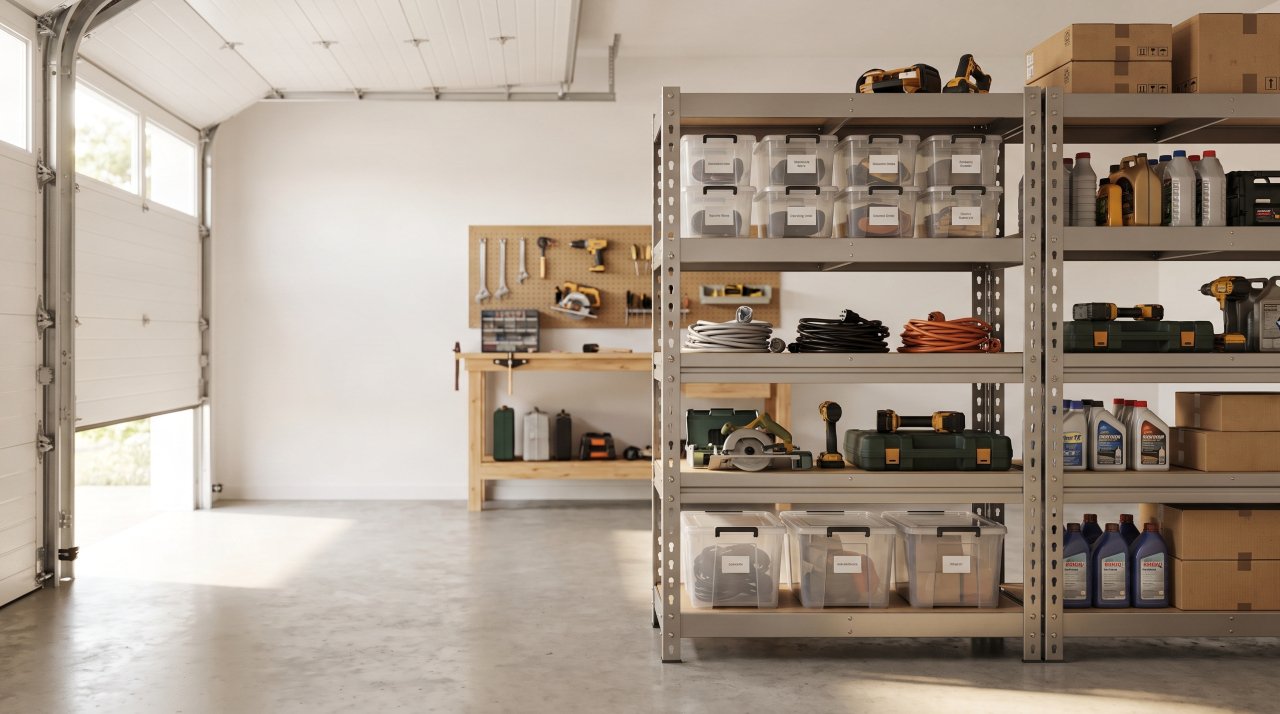
These shelving units typically come in freestanding or wall-mounted styles. Freestanding units sit on adjustable feet and don’t require drilling. Wall-mounted systems anchor into studs and free up floor space. Both have real advantages depending on your garage layout.
Why Garages Specifically Benefit From Wire Shelving
Wire shelving works especially well in garages — and the reason isn’t obvious to most beginners.
Garages deal with moisture, temperature swings, dust, and chemical fumes. Solid shelves trap moisture underneath, leading to rust, mold, and warping over time. The open-grid design of wire shelving lets air move through, which slows corrosion and prevents that musty buildup you get under solid shelves.
You can store everything from paint cans and motor oil to sporting goods and seasonal decorations. According to the National Association of Home Builders storage and organization data, the garage is the #1 most-used storage space in American homes — yet it’s also the most disorganized. Heavy duty wire shelving directly solves that problem.
Understanding Wire Gauge: The Spec Nobody Explains
Wire gauge is the single most important spec on any heavy duty wire shelving unit. Most product pages list it without explaining what it means.
Here’s the simple breakdown:
- 10-gauge wire: The thickest and strongest. Best for storing heavy tools, equipment, and bins
- 12-gauge wire: Strong and widely used in mid-range garage shelving
- 14-gauge wire: Lighter duty — fine for pantries and laundry rooms, but not ideal for true garage heavy-duty storage
If you’re storing anything over 200 lbs per shelf, aim for 10 or 12-gauge wire shelving. Don’t let a product photo convince you something is heavy duty when the gauge number tells a different story.
Weight Capacity: How to Calculate What You Actually Need
Every heavy duty wire shelving unit comes with a listed weight capacity. But here’s where beginners get caught out — that number is usually the total unit capacity, not the per-shelf capacity.
A unit rated at 2,000 lbs total with 5 shelves gives you roughly 400 lbs per shelf. That’s plenty for most garage storage. But if you plan to store heavy equipment on just one or two shelves, you need to check the per-shelf rating specifically.
A simple way to estimate your needs: weigh the heaviest items you plan to store, add 25% as a safety buffer, and match that number to a shelf’s individual tier rating. Don’t max out your shelves — OSHA’s storage guidelines for safe load limits recommend staying at or below 75% of rated capacity for everyday use.
Finish Types: Chrome vs. Epoxy vs. Zinc
The finish on your wire shelving affects how long it lasts in a garage environment. This is something you won’t find explained on most product pages.
| Finish Type | Best For | Durability in Garage | Rust Resistance |
|---|---|---|---|
| Chrome | Indoor/pantry use | Moderate | Low — chips over time |
| Epoxy-coated | Garages, damp areas | High | Very good |
| Zinc/galvanized | Heavy outdoor use | Very high | Excellent |
| Powder-coated | General garage use | High | Good |
Epoxy coating is the sweet spot for most garage setups. It’s more affordable than zinc, holds up better than chrome in humid environments, and doesn’t chip as easily as powder coat under heavy use. If your garage is fully enclosed with climate control, chrome shelving works fine and costs less.
Freestanding vs. Wall-Mounted: Which One Should You Choose?
Choosing between freestanding and wall-mounted wire shelving comes down to three things: how much floor space you have, how often you’ll reconfigure the shelves, and how much weight you need to store.
Freestanding units are flexible. You can move them, adjust the shelf heights, and add accessories like drawer bins or hooks. Most come fully assembled or require minimal setup. The downside is they take up floor space, and they can tip if not loaded correctly or anchored to a wall.
Wall-mounted systems free up your floor and look cleaner in a finished garage. They can often hold more total weight because the load transfers directly to wall studs. The trade-off is that installation takes more time, and reconfiguring them later is harder.
For most beginners starting out, a freestanding unit is the smarter first step. You can always add wall-mounted sections later once you know your storage layout.
Common Mistakes Beginners Make (And How to Avoid Them)
Even good-quality heavy duty wire shelving can fail if you set it up wrong. Here are the mistakes worth knowing before you buy.
Mistake 1: Overloading one shelf while ignoring per-shelf ratings. Always check both the total unit rating AND the per-shelf rating. These numbers can be very different.
Mistake 2: Placing shelving on uneven floors without adjustable leveling feet. Most garage floors have slight slopes. Shelving that sits unevenly will rack (twist out of square) under load, making it less stable. Buy units with adjustable feet — most quality brands include them.
Mistake 3: Not anchoring freestanding units to the wall. Even heavy duty freestanding shelving can tip under uneven loads. A simple anti-tip wall anchor kit (usually under $15) eliminates this risk entirely.
Mistake 4: Choosing chrome finish for a damp or unheated garage. Chrome looks great but corrodes faster in moisture-heavy environments. Epoxy or galvanized finishes last much longer in those conditions.
How to Keep Wire Shelves from Sagging
Shelf sagging happens when heavy items concentrate weight in the center of a shelf span rather than spreading it evenly. This is one of the most common complaints about wire shelving — and it’s almost always avoidable.
Here’s what works:
First, place heavy items toward the outer edges of the shelf, near the upright posts where the structural support is strongest. This distributes the load more evenly. Second, use shelf liners for items with small footprints (like cans or bottles) — this spreads contact across more wire rods instead of resting on just two or three. Third, choose shorter shelf spans. A 48-inch wide shelf sags less than a 72-inch wide shelf under the same load.
According to equipment storage research published by the American Society of Safety Professionals, improper load distribution is the leading cause of shelf failure in non-industrial storage systems. Spreading weight evenly isn’t optional — it’s essential.
Can You Cut Wire Shelving to Size?
Yes, you can cut wire shelving — but it requires the right tools and a bit of planning. Most wire shelving can be trimmed using bolt cutters or an angle grinder with a metal cutting disc.
The challenge is that cutting changes the end of the shelf, which may no longer fit your mounting brackets cleanly. Some brands design their shelving to be field-cut with matching end caps included. Check whether your unit supports field cutting before you buy, especially if you’re working with an unusual wall length or closet depth.
If you’d rather avoid cutting altogether, look for shelving systems sold in incremental widths (24″, 36″, 48″, 60″) — you’ll almost always find a size close enough to work.
How to Install Heavy Duty Wire Shelving: Basic Steps
Installing a freestanding heavy duty wire shelving unit is straightforward — most setups take 30–60 minutes with no special tools. Here’s the basic process:
Step 1: Lay out all parts and check the count against the instruction sheet. Missing a connector pole early saves a lot of frustration later.
Step 2: Slide the four corner posts into the base shelf’s wire grid corners. Most systems snap or clip into place with no tools.
Step 3: Add additional shelf tiers by sliding them down the poles at your desired heights. Use the included shelf clips to lock each tier in position.
Step 4: Set the unit upright and adjust the leveling feet until all four corners contact the floor firmly.
Step 5: Secure the unit to a wall stud with an anti-tip bracket. This takes five minutes and makes the whole system significantly safer under load.
For wall-mounted systems, you’ll need a stud finder, drill, level, and the appropriate wall anchors. Always mount to studs — drywall anchors alone won’t hold heavy loads safely.
Honest Downsides of Wire Shelving (What Nobody Tells You)
Wire shelving is excellent — but it’s not perfect for every situation. Being upfront about the limitations helps you make the right call.
The open-grid surface can be awkward for small items. Loose screws, small bottles, and anything with a round bottom can tip through or between the wires. Shelf liners solve this, but they’re an added cost and step.
Wire shelving also isn’t the most attractive option if you care about aesthetics. If your garage doubles as a workshop or hobby space where appearance matters, solid-surface shelving or cabinet systems might suit you better.
Finally, wire shelving doesn’t handle extreme point loads well. Placing something like a car jack or engine stand with a tiny footprint on a wire shelf concentrates all the weight on two or three wire rods. Solid decking or plywood overlay panels handle those situations more safely.
FAQ
What is the weight limit for wire shelving?
Heavy duty wire shelving typically supports between 300 and 800 lbs per shelf, depending on wire gauge and shelf width. Always check the per-shelf rating listed by the manufacturer, not just the total unit capacity. For garage use, look for a minimum 400 lb per-shelf rating for general storage.
Is wire shelving good for a garage?
Yes — wire shelving is one of the best options for garages because its open design allows air circulation, which reduces moisture buildup and slows corrosion. Choose epoxy-coated or galvanized finishes for unheated or damp garages for the longest lifespan.
What gauge wire is best for shelving?
For heavy duty garage use, 10-gauge or 12-gauge wire is best. Lower gauge numbers mean thicker wire and higher load capacity. Avoid 14-gauge or higher for anything you’d call genuinely heavy duty storage.
How do you keep wire shelves from sagging?
Place heavy items near the shelf’s upright support posts rather than in the center. Use shelf liners to spread the load across more wire rods. For very heavy items, choose a shorter shelf span — 48 inches wide sags less than 72 inches under the same load.
What is the difference between wire shelving and wire racking?
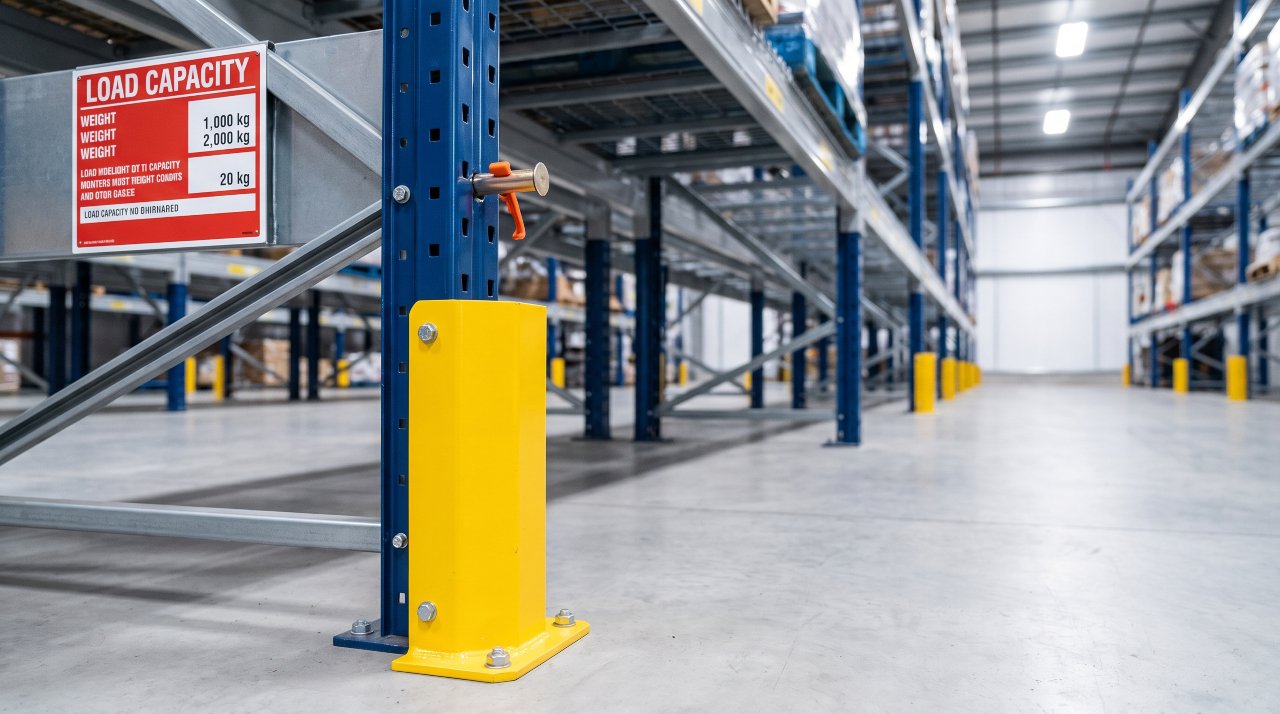
Wire shelving usually refers to lighter-weight, adjustable home storage systems. Wire racking typically refers to industrial-grade pallet or cantilever systems designed for warehouse or commercial use. For a garage, wire shelving is the right category — it balances strength with accessibility and adjustability.
Can you cut wire shelving to fit a custom space?
Yes, you can trim wire shelving with bolt cutters or an angle grinder. Check whether your specific brand supports field cutting and includes end caps. Many brands offer incremental width options (24″ to 72″) that make cutting unnecessary in most situations.
The Bottom Line
Heavy duty wire shelving is one of the smartest investments you can make for garage storage. It holds serious weight, resists moisture better than solid shelves, and gives you the flexibility to reorganize as your needs change.
The key takeaway is this: don’t shop by price or looks alone. Check the wire gauge, verify the per-shelf weight rating, and match the finish type to your garage environment. Those three steps alone will save you from the most common beginner mistakes.
Your next step is simple — measure your available garage wall space, estimate the weight of what you’ll store, and use those two numbers to shortlist shelving units that meet both requirements. You don’t need to be an expert. You just need the right specs, and now you have them.

Callum Langham
Founder & Technical Storage Editor
Callum Langham is the founder and technical editor of Rack System. With over 12 years of hands-on field experience in warehouse logistics, garage organization, and industrial storage installations, Callum specializes in engineering safety standards, beam load calculations, and OSHA/RMI compliance. Every guide on Rack System is audited against verified steel gauge tolerances and municipal building codes.