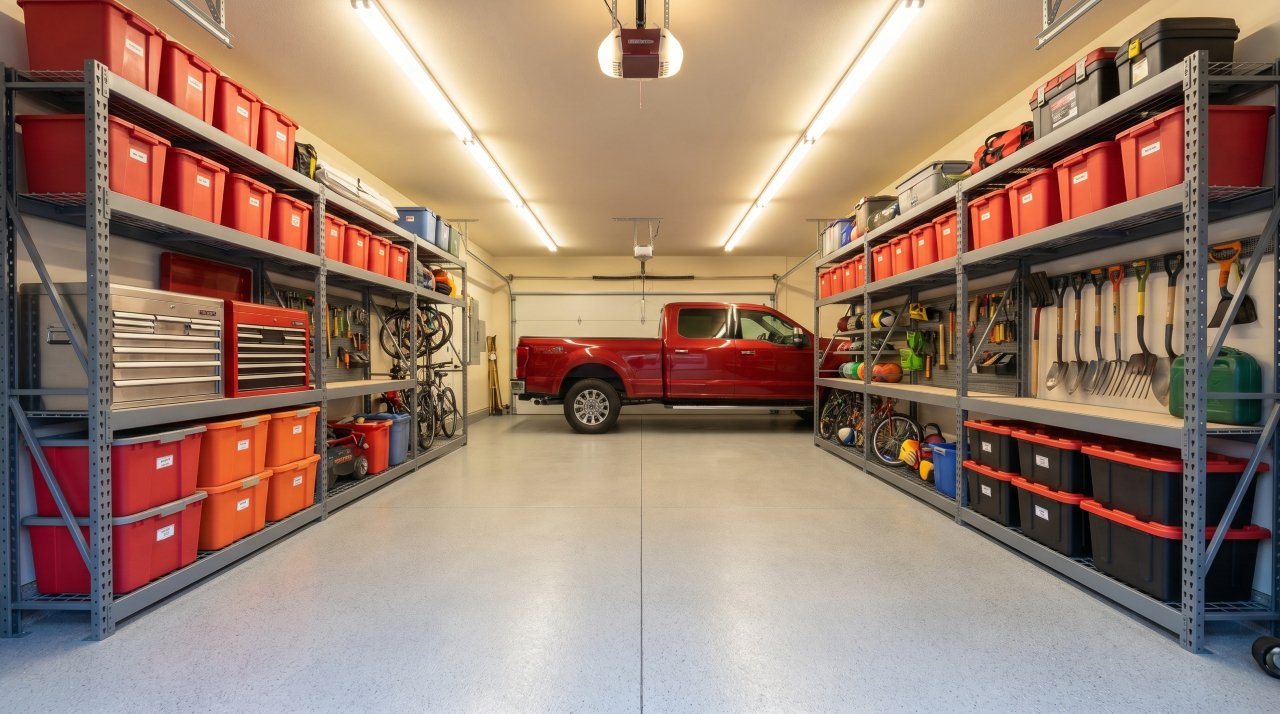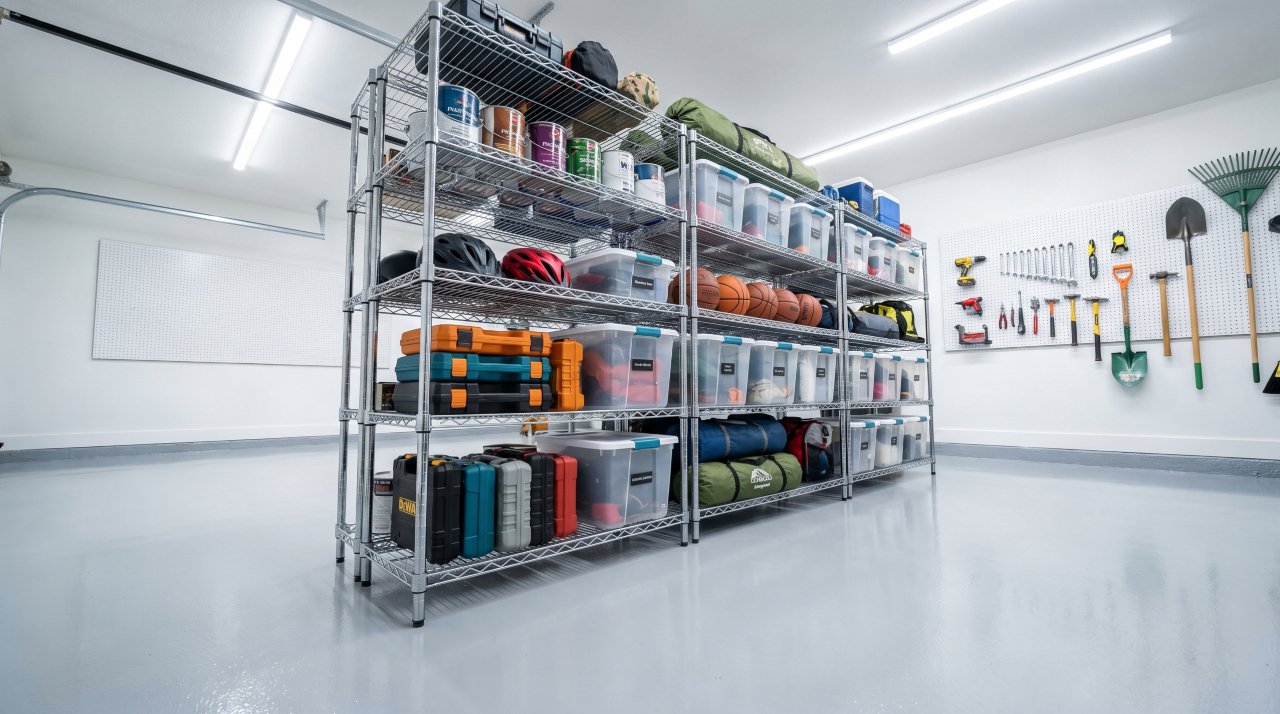
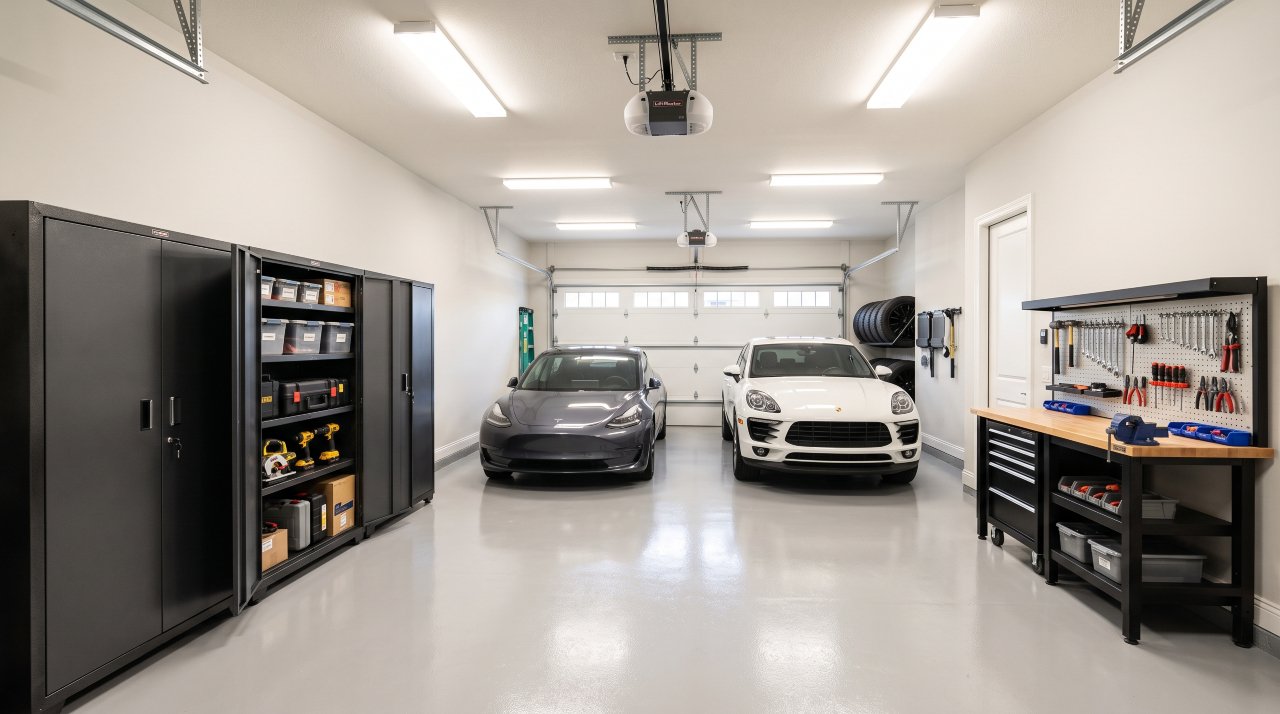
Nearly 25% of American homeowners say their garage is too cluttered to park a car inside, according to a Survey by the National Association of Home Builders. That’s a lot of wasted space — and a lot of stress every time you open that garage door.
Garage storage cabinets are one of the most effective solutions you can buy. They turn a chaotic mess into a functional workspace you’ll actually enjoy using. But before you spend a dollar, you need to know what types exist, which materials hold up, and what common mistakes first-time buyers make.
This guide covers everything. By the end, you’ll know exactly what to look for, what to avoid, and how to make a smart decision for your budget and space.
What Are Garage Storage Cabinets?
Garage storage cabinets are enclosed storage units built specifically for garage environments. Unlike regular indoor furniture, they’re designed to handle temperature swings, humidity, dust, and heavy loads.
You’ll find them in freestanding, wall-mounted, and modular styles. Each type serves a different purpose depending on how much floor space you have and what you’re storing.
The core benefit is simple — cabinets hide the clutter. Open shelving stores things, but cabinets protect them from dust and keep your garage looking clean.
The 4 Main Types of Garage Cabinets
Not all garage cabinets work the same way. Choosing the wrong type for your space is one of the most common mistakes beginners make.
1. Freestanding Cabinets
These stand on their own without wall attachment. They’re the easiest to install — you just place them and load them up. You can move them around as your needs change. The downside is they take up floor space, which matters in a smaller garage.
2. Wall-Mounted Cabinets
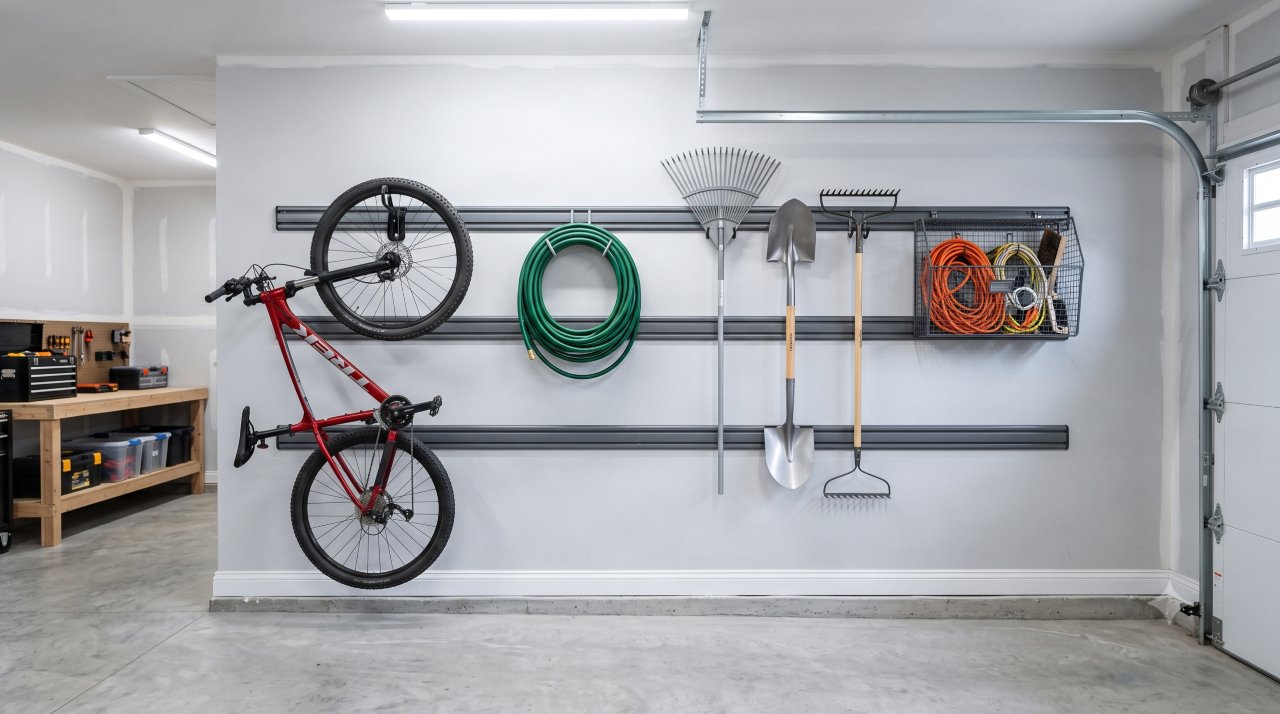
These attach directly to the wall studs, keeping your floor completely clear. Wall-mounted units are ideal if you want to maximise floor space for parking or working. You’ll need to locate studs accurately and use the right hardware — installation takes more effort than freestanding options.
3. Modular Cabinet Systems
Modular systems let you mix and match base cabinets, tall cabinets, and wall cabinets in any combination. You can build the exact storage wall you need. They cost more upfront but give you flexibility as your storage needs grow. If you’re setting up a complete garage wall storage system, modular is often the best starting point.
4. Rolling Mobile Cabinets
These sit on locking casters so you can wheel them wherever you need them. Tool chests are a classic example. They work well under a workbench or as a movable station. The trade-off is they don’t anchor to the wall, so they’re less stable when fully loaded.
Best Materials for Garage Cabinets
Material choice determines how long your cabinets last — and your garage is a much harsher environment than your living room.
Steel Cabinets
Steel is the most durable option available. It resists dents, handles heavy loads, and doesn’t warp in heat. According to Garage Journal’s community data, steel cabinets from established brands regularly last 15–20 years with normal use. The downside is cost — quality steel cabinets run $300–$800+ per unit — and they can rust if the finish gets scratched in a wet garage.
Polyethylene (Plastic) Cabinets
Plastic cabinets resist moisture completely, which makes them ideal for garages in humid climates like Florida or the Gulf Coast. They’re lighter, cheaper ($80–$250 per unit), and easy to clean. The honest drawback is load capacity — most plastic cabinets max out at 50–100 lbs per shelf, so they won’t hold heavy power tools or automotive gear.
Wood and MDF Cabinets
Wood cabinets look great but require careful sealing in a garage environment. MDF (medium-density fibreboard) is the most common budget option, but it swells and warps when exposed to moisture. If you choose wood, make sure your garage is climate-controlled or properly insulated. Raw MDF in a damp garage will fail within a couple of years.
Aluminium Cabinets
Aluminium is lightweight, rust-proof, and strong. It’s a premium option used frequently in professional workshops. Expect to pay $400–$1,000+ per unit for quality aluminium systems. For most homeowners, steel offers similar durability at a lower price point.
Garage Cabinet Sizes: What You Need to Know
Standard garage cabinets come in predictable sizes, but beginners often buy without measuring first.
| Cabinet Type | Typical Width | Typical Height | Typical Depth |
|---|---|---|---|
| Base Cabinet | 18″–36″ | 34″–36″ | 18″–24″ |
| Tall/Full Cabinet | 18″–30″ | 72″–84″ | 18″–24″ |
| Wall Cabinet | 18″–36″ | 12″–24″ | 12″–16″ |
| Mobile/Rolling Unit | 18″–28″ | 32″–48″ | 18″–22″ |
Before you buy, measure your garage wall space and ceiling height. Don’t forget to account for door swing clearance and overhead door tracks, which can block wall space higher up.
A common beginner mistake is buying tall cabinets without checking if they clear the garage door rail. Measure twice, order once.
How Much Do Garage Storage Cabinets Cost?
Budget is usually the deciding factor, and prices vary widely based on material, brand, and configuration.
Budget tier ($50–$200 per unit): Plastic or light-gauge steel cabinets from big-box stores. Good for light household items, lawn chemicals, or sports equipment. Don’t expect them to hold heavy tools.
Mid-range tier ($200–$600 per unit): Heavy-gauge steel or quality modular systems. These handle real workshop use and look professional. Most homeowners fall in this category.
Premium tier ($600–$2,000+ per unit): Custom or semi-custom steel and aluminium systems from brands like Gladiator, NewAge Products, or Rubbermaid Resin. Built for serious use, long-term durability, and a polished look. NewAge Products publishes detailed load specs for each of their cabinet lines, which is worth checking before you buy heavy-duty.
A full garage cabinet setup for a standard two-car garage typically runs $1,500–$5,000 installed, depending on what you choose.
Planning Your Layout Before You Buy
This is the step most people skip — and it costs them money.
Start by listing everything you need to store. Group items by category: automotive, lawn and garden, sports equipment, tools, seasonal items. Each category has different storage needs. Heavy automotive parts need steel base cabinets. Seasonal decorations work fine on lighter wall units.
Draw a rough sketch of your garage walls and mark where the door, windows, and outlets are. Then map which cabinet types go where. Put tall cabinets against long uninterrupted walls. Use base cabinets under a workbench run. Wall cabinets work well above the workbench or between windows.
You can also explore overhead garage storage racks to complement your cabinet setup — especially for bulky seasonal items that don’t belong in a cabinet at all.
Common Mistakes First-Time Buyers Make
Knowing what not to do saves you real money and frustration.
Buying for looks instead of load capacity. A cabinet that looks great but can’t hold your tools is useless. Always check the weight rating on every shelf and the overall cabinet.
Ignoring humidity. If your garage gets damp, moisture-resistant materials aren’t optional. A metal cabinet without a quality powder-coat finish will rust within a few seasons in a humid climate.
Underestimating how much storage you actually need. Most people buy one or two cabinets and run out of space quickly. Plan for 20–30% more capacity than you think you need — your storage always expands to fill available space.
Skipping wall anchoring on tall units. A top-heavy freestanding cabinet that isn’t anchored to the wall is a tipping hazard. Always anchor tall cabinets to studs, especially if children or pets use the garage.
Are Garage Cabinets Actually Worth It?
Honestly? For most homeowners, yes — but with realistic expectations.
Cabinets won’t fix a hoarding problem or compensate for buying too much stuff. What they do is give everything a designated spot, protect your gear from dust and damage, and make your garage look and feel like a usable room instead of a dumping ground.
A well-organised garage also adds perceived value to your home. According to the National Association of Realtors, a clean, organised garage is consistently listed by buyers as a desirable feature — especially in suburban markets.
The real return on investment is daily quality of life. You spend less time searching for tools, less time cleaning up before using the space, and less money replacing gear that got damaged in a cluttered pile.
FAQ
What is the best material for garage storage cabinets?
Steel is the best all-around material for most garages. It handles heavy loads, resists impact, and lasts 15–20 years with proper care. If your garage is very humid, look for powder-coated steel or switch to polyethylene plastic, which is fully moisture-resistant.
Are garage cabinets worth it?
Yes, for most homeowners. They organise your space, protect stored items from dust and damage, and make the garage easier to use daily. The upfront cost pays off in reduced frustration and better protection for your tools and equipment.
What type of cabinet is best for a garage?
It depends on your goals. Freestanding steel cabinets work well for most people. Wall-mounted cabinets are best when you need to keep the floor clear. Modular systems give you the most flexibility if you plan to expand your storage over time.
What is the standard size for garage cabinets?
Base cabinets are typically 34″–36″ tall and 18″–24″ deep. Tall cabinets run 72″–84″ high. Width varies from 18″ to 36″ depending on the manufacturer. Always measure your wall space and ceiling before ordering.
How do I organise my garage with cabinets?
Group items by category first — tools, automotive, seasonal, lawn care. Assign each category to a specific cabinet. Put the heaviest items in base cabinets at floor level. Use wall cabinets for lighter, frequently accessed items. Label everything so the system stays consistent.
How much do garage storage cabinets cost?
Budget cabinets start around $50–$200 per unit. Mid-range steel options run $200–$600. Premium modular systems cost $600–$2,000+ per unit. A full two-car garage setup typically costs $1,500–$5,000 installed, depending on the brand and configuration you choose.
Your Next Step
Garage storage cabinets are one of the highest-impact upgrades you can make to a cluttered garage. The most important takeaway is this: match the cabinet to the job. Steel for heavy duty, plastic for wet climates, modular for long-term flexibility.
Don’t buy anything until you’ve measured your walls, listed what you need to store, and checked the weight ratings. That 20 minutes of planning will save you from a return trip to the store — or a cabinet that fails after six months.
Start by measuring your garage walls today. Then pick the cabinet type that matches your storage needs and budget. Your future self — the one who can actually park in the garage — will thank you.

Callum Langham
Founder & Technical Storage Editor
Callum Langham is the founder and technical editor of Rack System. With over 12 years of hands-on field experience in warehouse logistics, garage organization, and industrial storage installations, Callum specializes in engineering safety standards, beam load calculations, and OSHA/RMI compliance. Every guide on Rack System is audited against verified steel gauge tolerances and municipal building codes.