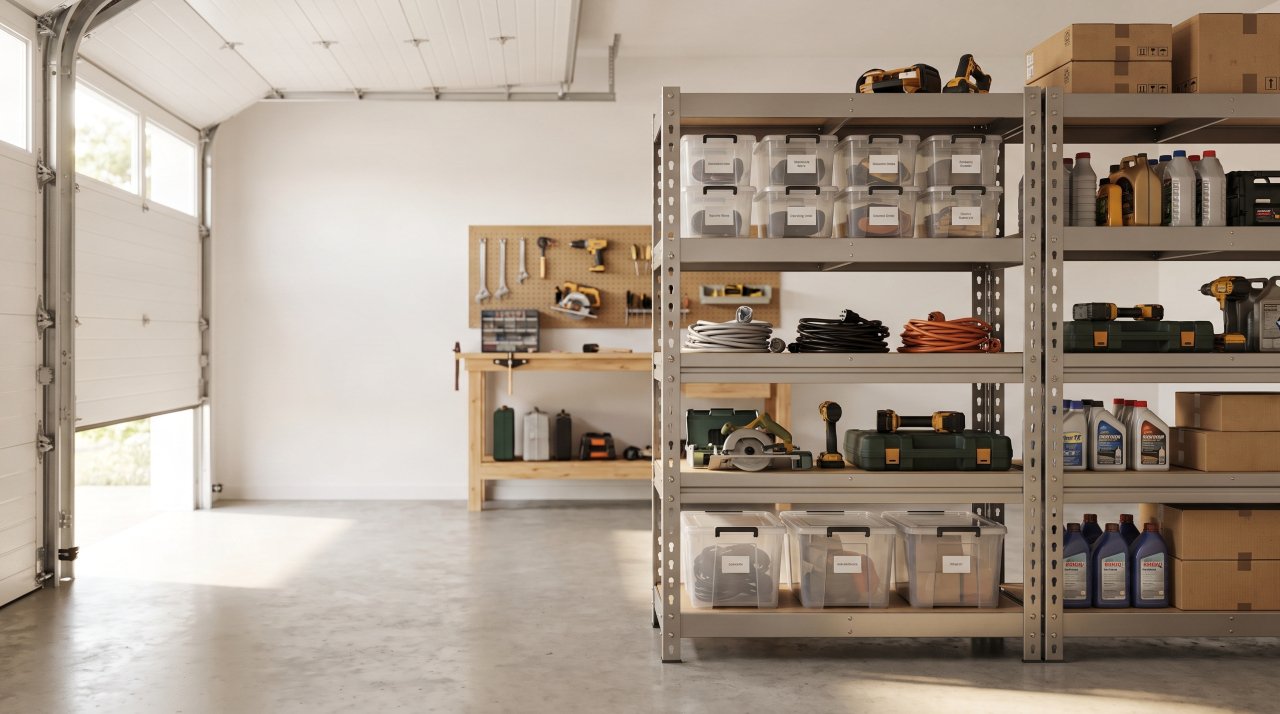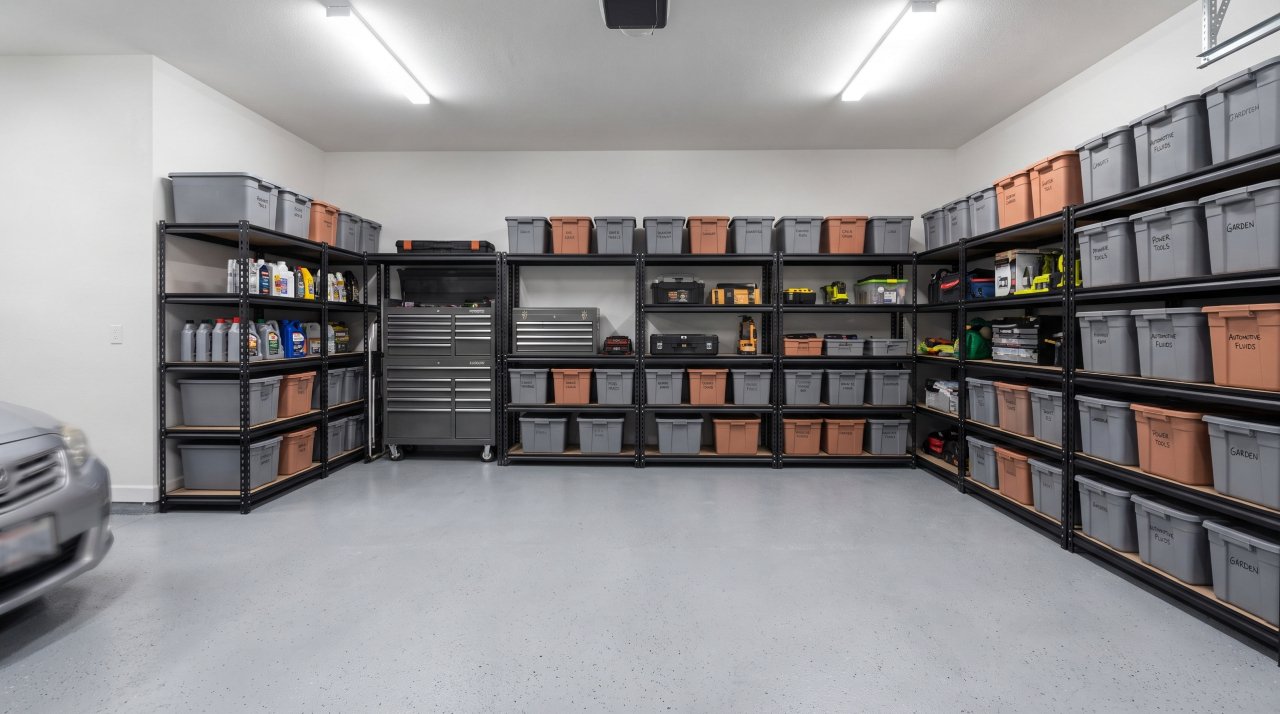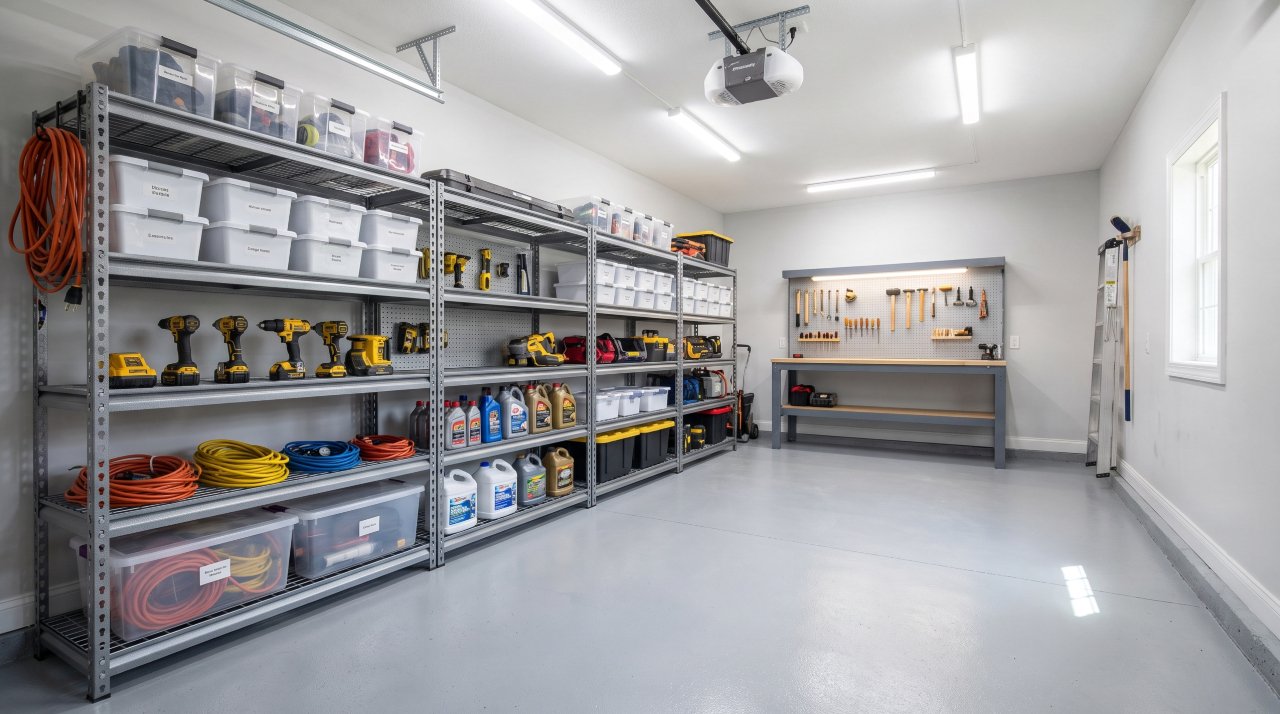
Warehouse Shelving Units Overview
Warehouse shelving units are essential for organizing hand-pick inventory, small parts bins, and medium-duty boxed goods. Unlike heavy-duty pallet racking designed for forklift loading, warehouse shelving provides direct manual access for pick-and-pack fulfillment teams.
Choosing inappropriate warehouse shelving leads to sagging deck panels, congested pick aisles, and inefficient item retrieval times. Facility managers must balance shelf depth, beam capacity, and vertical expansion potential.
This guide breaks down open vs. closed steel shelving, heavy-duty boltless systems, and picking layout optimization.
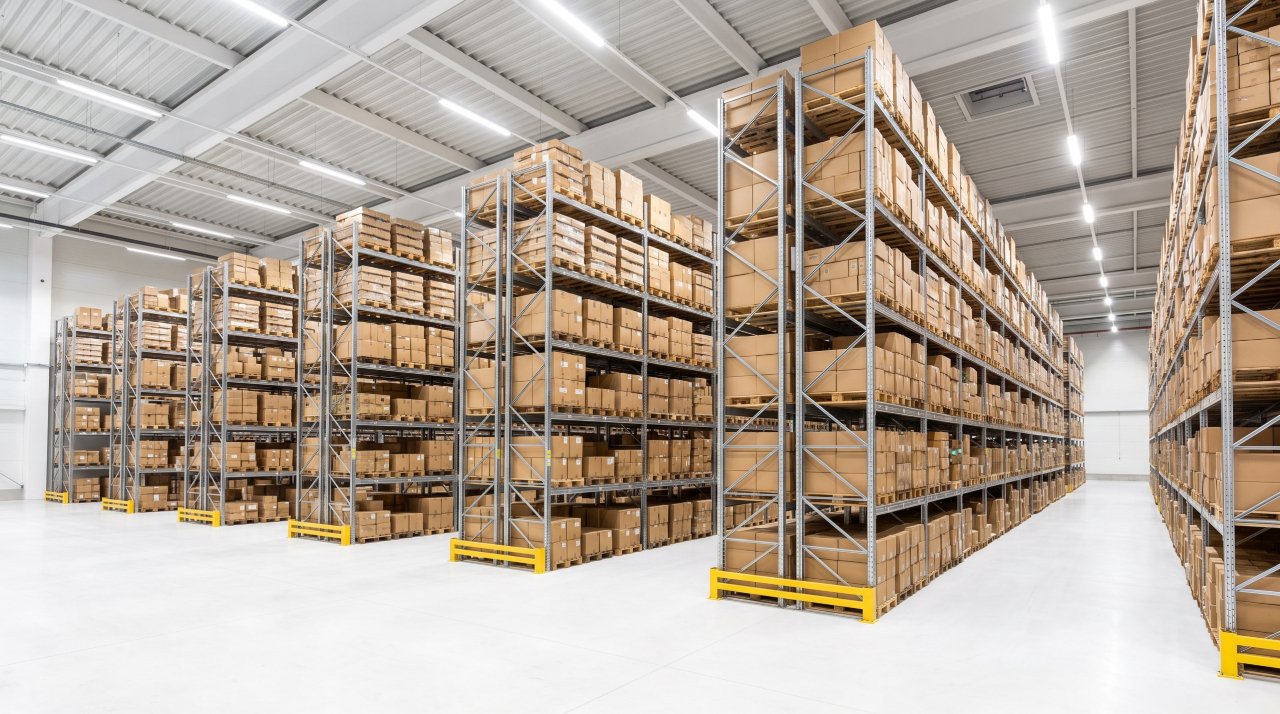
1. Open vs. Closed Warehouse Shelving
- Open Steel Shelving: Features side and rear sway braces for 360-degree visibility and maximum airflow. Best for general boxed stock in dry fulfillment areas. Read more in our guide on steel shelving units.
- Closed Steel Shelving: Uses solid steel side and back panels to prevent small parts from falling between bays. See our review of warehouse storage solutions for layout integration.
2. Weight Capacity and Structural Gauges
Warehouse shelving load ratings depend on steel gauge thickness. Standard commercial units use 20-gauge steel (300-500 lbs/shelf), while industrial units utilize 18-gauge or 16-gauge steel (600-1,200 lbs/shelf). For tool-free options, explore boltless shelving units.
Safety and Compliance Regulations
All warehouse shelving installations must follow OSHA Materials Handling Regulations 1910.176 and MHI Industrial Shelving Guidelines to maintain floor stability.
Frequently Asked Questions
#### What is the standard depth for warehouse shelving units?
Standard depths are 12, 18, 24, and 36 inches. 24-inch deep shelving is the industry standard for hand-pick totes.

Callum Langham
Founder & Technical Storage Editor
Callum Langham is the founder and technical editor of Rack System. With over 12 years of hands-on field experience in warehouse logistics, garage organization, and industrial storage installations, Callum specializes in engineering safety standards, beam load calculations, and OSHA/RMI compliance. Every guide on Rack System is audited against verified steel gauge tolerances and municipal building codes.